REVIEW · MEXICO CITY
Mountaineering Malinche (4,460 meters)
Book on Viator →Operated by México Travesías · Bookable on Viator
Malinche is a serious day climb. It’s a Mexico City mountain trip that mixes forest hiking with big high-altitude views, ending with a summit goal around 4,500 meters. You’ll also get the kind of panorama that Mexico does best: Pico de Orizaba off to one side, and Popocatépetl plus Iztaccíhuatl off to the other as you work your way up and along the crest.
I love how practical this outing feels: lunch is included, and the pace is led by mountain pros, not guesswork. Another plus is the small group size (up to 10), which usually means you’re not lost in the crowd and you get better attention. The main drawback to consider is that this experience needs good weather, and if conditions aren’t right, you may be offered a different date or a refund.
In This Review
- Key Things to Know Before You Go
- Mountaineering Malinche: A Mexico City Summit Day at 4,500 Meters
- Getting to La Malinche National Park from Condesa
- The Forest Hike: Where the Day Warms Up
- The Meadow Reveal: Seeing the Objective for Real
- Climbing Toward the Ridge and the Summit Goal
- Summit Time With Professionals: Ariel and Bernardo’s Style
- Lunch at 4,500 Meters and the Post-Hike Meal
- Price and Value: What $219.63 Covers (and Why It’s Not Just a Ticket)
- Physical Fitness and Who This Hike Fits Best
- Small Group Size (Max 10) Means You Move With Confidence
- Weather Matters on Malinche
- Should You Book Mountaineering Malinche?
- FAQ
- Where does the Mountaineering Malinche tour start?
- How long is the tour?
- How high do you climb on Mount Malinche?
- What is included in the price?
- Is lunch included, and when do you eat it?
- What is the group size limit?
- What fitness level is required?
- Is the tour offered in English?
- Does weather affect the experience?
- How does cancellation work?
- Is a helmet provided?
Key Things to Know Before You Go
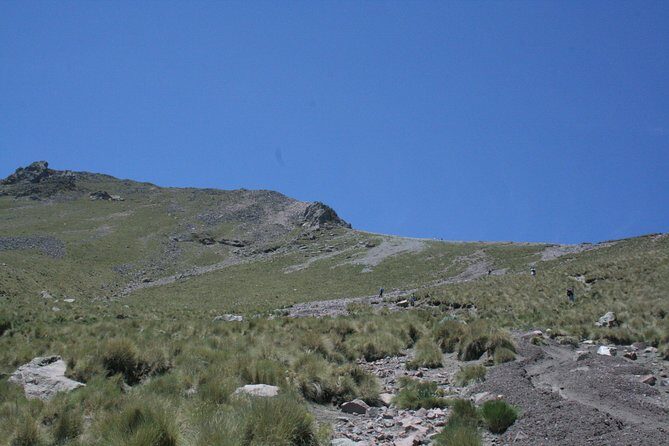
- 4,500 m summit goal: you’re aiming for the top of Mexico’s fifth highest mountain.
- Forest-to-meadow rhythm: conifer trail first, then a meadow where you can finally see the objective.
- Volcano views on both sides: Orizaba left, Popocatépetl and Iztaccíhuatl right.
- Small group cap (10 people): steadier hiking flow and more guide attention.
- Helmet + lunch included: you travel lighter and eat mid-day without scrambling.
- Summit time includes a warm touch: hot coffee at the top shows up in the experience notes.
Mountaineering Malinche: A Mexico City Summit Day at 4,500 Meters
Mount Malinche (La Malinche) is one of those trips that feels simple on paper—hike up, reach the top, hike down. Then you remember you’re going to around 4,500 meters, and suddenly it’s not a casual stroll anymore. This is a full-on mountain day inside La Malinche National Park, timed and paced so you can focus on the trail and the views instead of micromanaging everything.
What makes Malinche especially interesting from Mexico City is the way the route is described: you start in a coniferous forest, move into a meadow where the mountain becomes the main character, and then climb along the upper side of the peak before walking along the crest to the summit. That progression matters because your eyes get fed in stages. You’re not waiting until the end to feel like you did something.
Also, this is the kind of hike where the big-name volcanos become part of your navigation cues. As you gain altitude, you’ll see Pico de Orizaba off to your left and Popocatépetl and Iztaccíhuatl off to your right. Even if you’ve seen photos before, those volcano positions feel more real when you’re looking at them from high ground.
Finally, I like that the day isn’t framed as a “just survive it” summit mission. You reach the top, eat lunch there, then descend and enjoy a delicious meal after. A hard day is one thing; a joyless hard day is another.
You can also read our reviews of more tours and experiences in Mexico City.
Getting to La Malinche National Park from Condesa
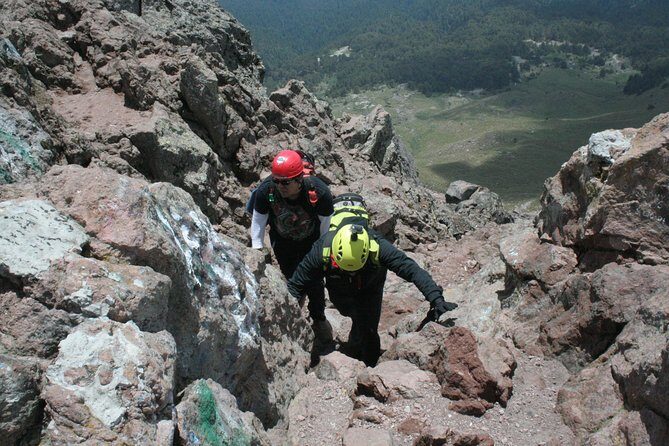
Your day starts from Av. Vicente Suárez 38 in Condesa (Cuauhtémoc). The itinerary is set up so you don’t have to piece together transport on your own. Private transportation is included, which is a big deal for a one-day outing. You’ll save mental energy for the climb instead of figuring out roads, timing, and park access.
Because it’s described as “heading to the center Malinzin,” the drive portion is meant to drop you close enough to start the hiking section quickly. That matters on a mountain day. When the outing is roughly 1 day, every hour counts.
One more thing: the tour is offered in English, which helps if your Spanish is “survival level.” You’ll also get a mobile ticket, so you’re not juggling paper confirmations.
The Forest Hike: Where the Day Warms Up
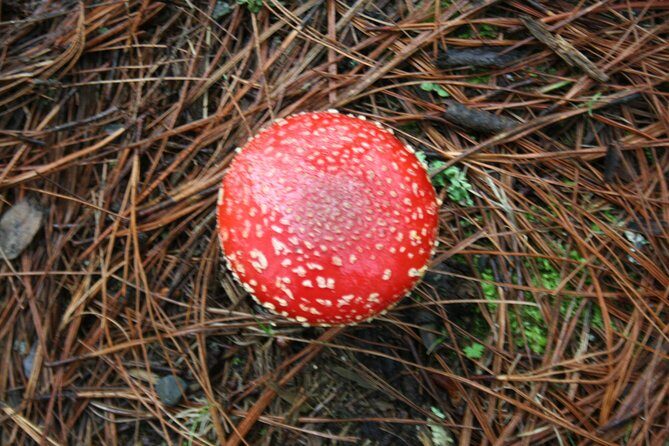
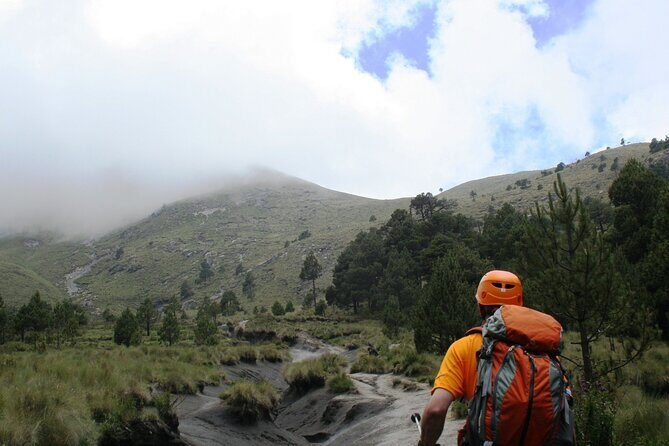
The first leg is a walk through a beautiful coniferous forest. This is a smart start. Forest hiking usually gives you shade, a more even feel on the trail, and a rhythm you can settle into. It’s also the part where you can start checking how your breathing and legs feel without immediately staring at the summit goal.
In a summit day, that calm beginning is practical. You’re at lower altitude here, so your body hasn’t been asked to do its hardest work yet. You can focus on steady steps and staying with the group pace.
Also, forests in high-altitude regions tend to change the soundscape. You may notice wind, birds, and foot placement more. That’s not just atmospheric; it keeps you present while your body starts to adjust.
The Meadow Reveal: Seeing the Objective for Real
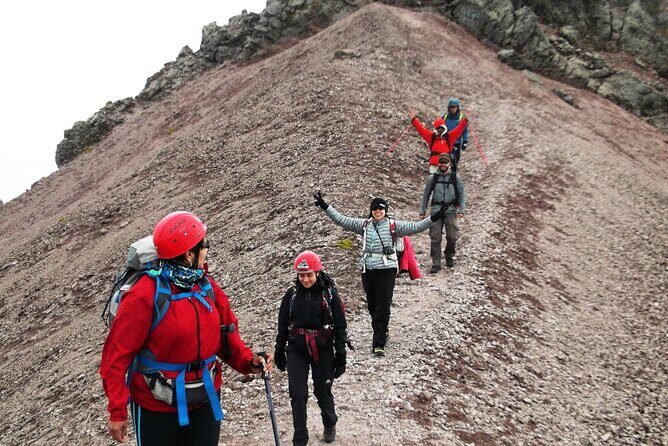
After the forest, you reach a meadow. This is where the tour description says you can see your objective. I like this staging because it beats the “I can’t see anything yet” frustration. You begin to understand the scale of what you’re working toward.
A meadow can also be a turning point in how the hike feels. You go from sheltered trail to open space. That means you’re more aware of wind and sun (and you’ll likely want to pay attention to how you’re dressed). Even if you’re not thinking about details, your body will notice the exposure.
This is also a good moment to mentally reset. You’ve been moving through a scenic but contained section. Now the mountain becomes obvious, and your climb has direction in your mind.
Climbing Toward the Ridge and the Summit Goal
Once you’re going up the side of the mountain, the description turns into pure view time. You’ll discover wonderful panoramas as you gain height, and the volcanos become prominent visual anchors: Pico de Orizaba left, and Popocatépetl and Iztaccíhuatl right.
This is a key reason people love Malinche. You’re not hiking in a blank landscape. You’re hiking with a “what you’re looking at” story—three major volcanoes in frame depending on your angle. That makes the climb feel purposeful rather than repetitive.
As you keep ascending, the route is described as walking along the crest of the mountain to reach the goal. Crest walking is a different kind of effort. It’s not only about altitude; it’s about footing and balance while your surroundings open up. If you’ve done any hiking, you know this part: you can feel the air change and the trail ask for attention.
That’s where having the right guidance matters.
Summit Time With Professionals: Ariel and Bernardo’s Style
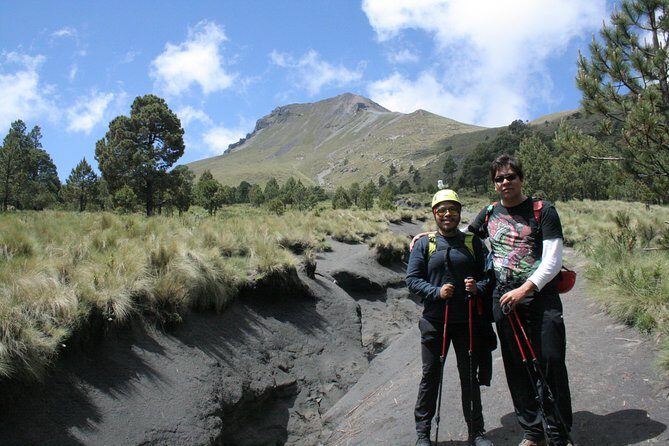
The strongest praise points in the provided experience notes center on the fact that this is handled by mountain professionals. Names show up, and that gives the trip personality. One guide mentioned is Ariel, described as super professional and amenable. Another name that comes up is Bernardo, credited for professionalism and a good vibe—and he’s tied to someone’s first summit success.
I take that seriously. On a high mountain day, good guidance isn’t just about safety checklists. It’s about pacing, attitude, and communication. If you’re new to higher elevation hiking, a guide who can explain what’s happening and keep the group moving smoothly can make the difference between a stressful day and a satisfying one.
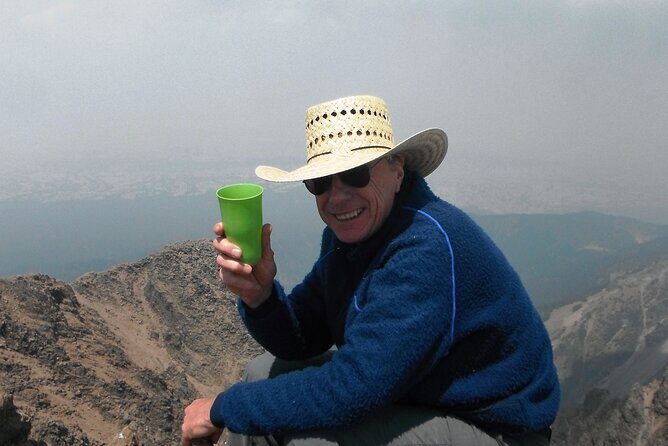
There’s also a small summit detail: hot coffee at the top. That’s the kind of comfort that helps your brain remember why you did the hard part. It’s not a luxury you expect on a mountain; it’s a nice human touch that signals this group understands the flow of a summit day.
Lunch at 4,500 Meters and the Post-Hike Meal
You eat lunch at the summit. That’s a big difference from hikes where food is an afterthought or an energy bar and hope scenario. Here, lunch is part of the plan and is included. When you’re at high altitude, having an organized meal matters because you’re working harder just to breathe.
After descending, you’ll enjoy a delicious meal. The tour description doesn’t say what it is, but the important part for you is this: the day has a wrap-up. You’re not dumped at the trailhead and left to figure out dinner like it’s an afterthought. A climb is physical; it should also end well.
Included items also reduce the decision fatigue on the day itself. Helmet and lunch are covered, so you can focus on what’s actually worth your attention: your pace, your comfort, and staying warm enough for the descent.
Price and Value: What $219.63 Covers (and Why It’s Not Just a Ticket)
The price is $219.63 per person for about 1 day. On its face, that’s not cheap—especially when you’re thinking, It’s just a hike. But the included items and the way the day is organized change the math.
You’re getting:
- Helmet included
- Lunch included
- Private transportation included
- A guide-led mountain day (with a maximum group size of 10)
For a one-day trip at high altitude, transportation and professional leadership are usually where the value hides. Getting to a national park from Mexico City, managing a group in an environment that needs good weather, and handling summit logistics takes more than a meeting-point photo op.
Group discounts are mentioned too. If you’re traveling with friends, it’s worth asking whether your booking qualifies. Small-group mountaineering is expensive when it turns into crowd management, so keeping groups tight is a good sign.
If you’re comparing costs, also consider what you’d pay on your own: transport, any needed gear (like helmets, in this case), and the real cost of having someone who knows the route and how to run a mountain schedule smoothly.
Physical Fitness and Who This Hike Fits Best
This experience asks for a moderate physical fitness level. That doesn’t mean casual fitness—it means you should be comfortable with uphill hiking and sustained effort. Since the summit goal is around 4,500 meters, you’ll want to be ready for altitude effort, not just leg burn.
It may be especially suited if:
- You can hike steadily for much of the day
- You enjoy guided trips over DIY
- You want high-altitude views without turning it into logistics homework
- You like small groups and clear guidance
The notes also mention a limit related to children under 14 years of age. The exact rule isn’t fully spelled out in the information provided, so if you’re traveling with younger kids, confirm the age policy during booking.
If you’re looking for an easy half-day walk, this likely won’t match your expectations. This is a summit-style route with crest walking and an organized meal at altitude.
Small Group Size (Max 10) Means You Move With Confidence
A max of 10 travelers is a big practical advantage. In mountain terrain, small groups typically mean:
- You’re less spaced out, so your guide can manage pacing and attention better
- It’s easier to regroup if weather changes or the route demands care
- The experience stays more conversational and less like a conveyor belt
This matters because the tour requires good weather. When conditions are good, you’ll likely appreciate the smooth group flow. When conditions are not ideal, smaller groups can help guides adapt while keeping everyone on the same page.
Also, your chance of getting direct answers goes up. The names Ariel and Bernardo come up with strong approval for being clear and professional, and in a group that size, those traits have more impact.
Weather Matters on Malinche
This experience requires good weather. If it’s canceled due to poor weather, you’ll be offered a different date or a full refund. That’s not a small footnote—it’s central to whether your summit day happens.
For planning, you’ll want flexibility in your schedule. If you’re visiting Mexico City with a tight timetable, this is the kind of trip that can test your ability to shift plans.
The good news: weather rules are clear. You’re not left guessing. If the conditions aren’t right, there’s an option to reschedule or get your money back.
Should You Book Mountaineering Malinche?
I think you should book this if you want a day that mixes real effort with real payoff—forest hiking, a meadow reveal, crest walking, and summit lunch with hot coffee. The strong emphasis on professional guidance (with guide names like Ariel and Bernardo showing up in the experience notes) is the kind of detail that matters on mountains.
I’d pass or rethink if you’re only looking for a light stroll, or if your schedule is too rigid to handle weather changes. Also, if you’re unsure about altitude readiness, take the moderate fitness requirement seriously.
If you want an authentic Mexico City mountain day with tight group management and included logistics—this hits the mark.
FAQ
Where does the Mountaineering Malinche tour start?
It starts at Av. Vicente Suárez 38, Colonia Condesa, Cuauhtémoc, 06170 Ciudad de México, CDMX, Mexico. The activity also ends back at this meeting point.
How long is the tour?
The duration is listed as about 1 day.
How high do you climb on Mount Malinche?
The summit is described as around 4,500 meters above sea level, and Mount Malinche is listed at 4,460 meters.
What is included in the price?
Helmet, lunch, and private transportation are included.
Is lunch included, and when do you eat it?
Yes. Lunch is included, and you eat it at the top before descending.
What is the group size limit?
The tour has a maximum of 10 travelers.
What fitness level is required?
You should have a moderate physical fitness level.
Is the tour offered in English?
Yes, it is offered in English.
Does weather affect the experience?
Yes. It requires good weather. If it’s canceled due to poor weather, you’ll be offered a different date or a full refund.
How does cancellation work?
You can cancel up to 24 hours in advance for a full refund. If you cancel less than 24 hours before the start time, the amount you paid is not refunded.
Is a helmet provided?
Yes. Helmets are included.