REVIEW · MEXICO CITY
Museum of Anthropology: a look at Mexico’s past
Book on Viator →Operated by Recorridos y Guías Xochitec A.C. · Bookable on Viator
Ancient Mexico clicks into place fast. This guided visit to Mexico City’s Museo Nacional de Antropologia focuses on the most emblematic rooms, so you get a clear thread through cultures and villages that existed before the Spanish arrived. In about 2 to 3 hours, you’ll move through the museum with an expert who keeps the story understandable in English.
I really like the story-driven guidance—especially how guides such as Hector and Edith tie artifacts to symbols, beliefs, and real-world context, so the museum doesn’t feel like a warehouse of stuff. I also like that the tour includes an admission ticket and, for groups of 6 clients or more, you get audiobox equipment that helps you hear every explanation without craning your neck.
One thing to consider: this tour isn’t available for kids under 18, and the pacing is more historical explanation than interactive play, so plan for an adult-style experience.
In This Review
- Key highlights you can count on
- Museo Nacional de Antropologia: why a guided route helps so much
- Where you meet at Chapultepec (and how to make it easy)
- Stop 1: the museum rooms that explain pre-Hispanic Mexico
- Hector and Edith-style guiding: where the wow factor comes from
- Audiobox equipment and small-group listening comfort
- How long it takes (and how to schedule it in Mexico City)
- What’s included, what’s not, and what to bring
- Who this tour is best for
- Value: what you’re really paying for
- Should you book this guided look at Mexico’s past?
- FAQ
- How long is the Museum of Anthropology guided tour?
- Where does the tour start?
- Where does the tour end?
- Is the tour offered in English?
- What’s included in the tour price?
- What is not included?
- How many people are in the group?
- Do I need to worry about accessibility or physical effort?
- Is it suitable for children?
- Can I get a full refund if I cancel?
Key highlights you can count on

- Small-group format (max 6 travelers) that makes questions feel normal, not rushed
- SECTUR-certified guide leading the visit in English
- Meaning-focused route through emblematic museum rooms about pre-Hispanic Mexico
- Audiobox support when the group is bigger so you can stay close to the guide
- Guides like Hector and Edith who connect mythology, symbols, and timelines into one storyline
Museo Nacional de Antropologia: why a guided route helps so much
The Museo Nacional de Antropologia is one of those places that can go two ways. You either wander for hours and remember a few impressive objects, or you get the big-picture meaning and suddenly everything clicks.
That’s where this tour shines. You’re not trying to self-figure out thousands of years of cultures on your own. Instead, your guide steers you through the museum’s key rooms with a purpose: understanding Mexico’s past through the people who lived there before the Spaniards arrived. It’s a practical way to get orientation without sacrificing depth.
The best part is that the tour doesn’t treat artifacts like isolated art pieces. It frames them as clues—about religion, politics, geography, and daily life. That turns the visit into something you can connect back to the rest of Mexico City as you keep traveling.
You can also read our reviews of more museum experiences in Mexico City
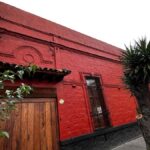

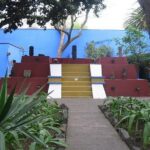
Where you meet at Chapultepec (and how to make it easy)
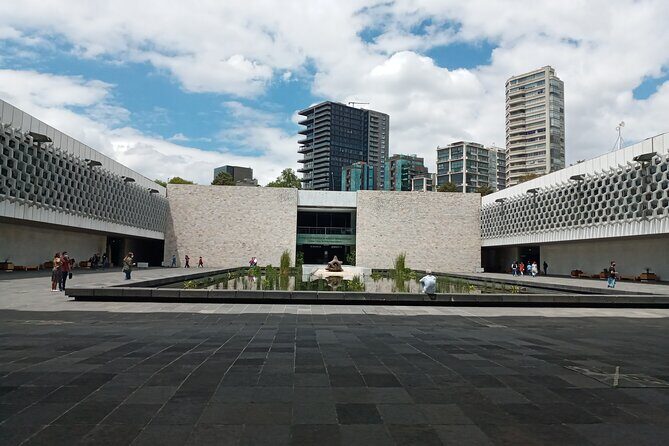
You start at Av. P.º de la Reforma s/n, Polanco, Bosque de Chapultepec I Secc, Miguel Hidalgo, 11560 Ciudad de México, CDMX, Mexico. The activity ends back at the same meeting point, which is convenient when you’re juggling a day of museum hopping.
It’s also listed as near public transportation, so you’re not forced into a full taxi-only day. If you want an efficient plan, treat this as one of your anchor stops. You’ll already be in the Chapultepec area, and you can build the rest of your day around it.
One small practical note: even though this is “only” a couple of hours, the museum walk and standing time can add up. The tour calls for moderate physical fitness, so wear shoes you’d be happy in for a longer day.
Stop 1: the museum rooms that explain pre-Hispanic Mexico
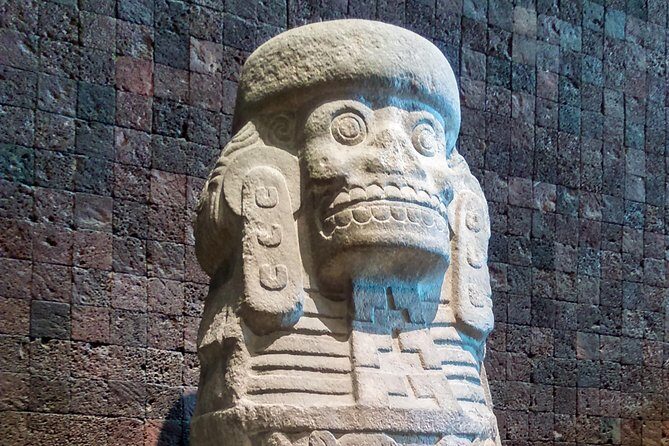
This tour’s main stop is the Museo Nacional de Antropologia, and it’s designed around visiting its most emblematic rooms. The goal is to understand the cultures and villages that inhabited Mexico before European arrival. That framing matters, because it keeps you from treating the museum as a generic “ancient world” experience.
Here’s what you should expect from that kind of guided, meaning-first route. You’ll spend your time on displays where the guide can connect symbols across cultures and explain why certain objects mattered. In the accounts I’ve seen, guides like Hector and Edith are praised for doing exactly this—connecting themes and symbols so you don’t feel lost.
You’ll also get explanations that go beyond a label read. One of the biggest strengths mentioned is how guides weave chronology into the stories. That helps when you’re looking at artifacts that represent different eras, regions, and belief systems. Instead of memorizing dates, you learn how the pieces fit together.
Religion and mythology come up in a real way, too. Guides are noted for sharing stories about gods and how indigenous belief systems show up in cultural practices today. That doesn’t mean you’re doing a theology lecture. It means you understand the “why” behind what you’re seeing.
Potential drawback to keep in mind: because the museum experience is explanation-heavy, the tour works best when you’re genuinely interested in history and symbolism. If your group expects lots of hands-on activities or kid-centered play, this will likely feel too structured.
Hector and Edith-style guiding: where the wow factor comes from
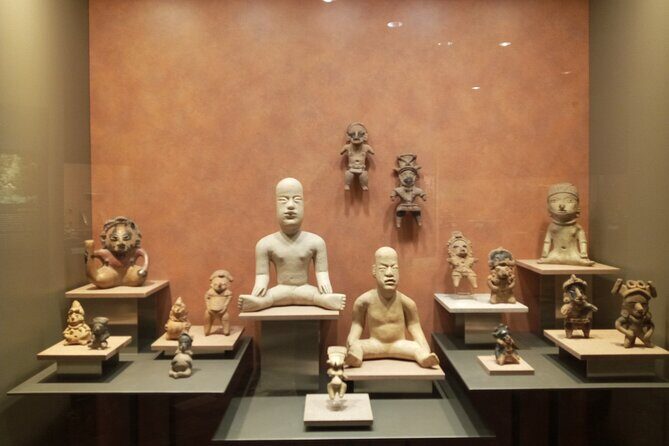
A guided anthropology museum visit lives or dies on the guide, and the names that keep showing up—Hector and Edith—give you a clue about what this tour does well.
Hector is praised for a blend of passion and precision. People highlight his attention to detail and his ability to keep the museum engaging rather than overwhelming. There’s also mention that he uses technology to bring ancient understanding toward modern meaning. That kind of “translate it for today” approach is exactly what makes a museum visit stick in your memory.
Edith is also singled out for her ability to make heavy content easy to follow. One review notes she has a Ph.D. in History, and that shows in how she organizes information: life, politics, geography, conflict, and religion—wrapped into stories you can understand without feeling flooded. If you’ve ever left a museum thinking you missed the point, this is the style of guide that helps you catch the point.
Both guides are praised for tying themes together. That matters because the museum is huge, and it’s easy to focus on whatever catches your eye. A strong guide creates a narrative thread so you don’t end up with a random collection of favorite objects.
If you’re the kind of person who loves asking questions, you’ll likely enjoy this tour format. The group size stays small, and the explanations are built for listening as you move through rooms.
Audiobox equipment and small-group listening comfort
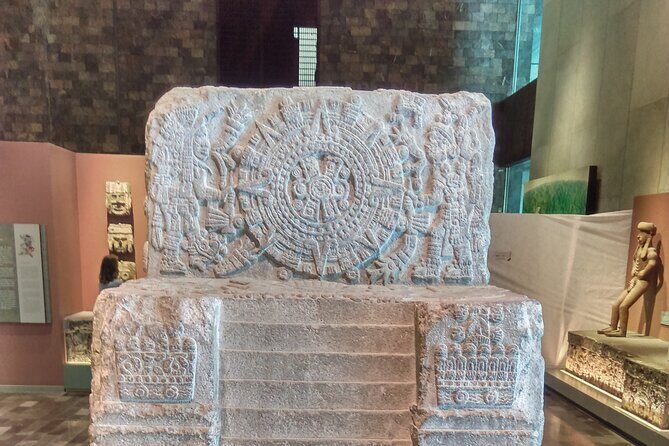
This tour includes admission and also audiobox equipment for 6 clients or more. In other words, if your group is large enough, you won’t be forced into “hope the guide is loud enough” mode.
That’s a big practical deal at a museum. Sound can bounce around, and guides often face the exhibits, not your ears. With audio support, you can focus on what’s being explained and still look at the artifact or display rather than constantly turning your head.
Add the small-group cap—maximum of 6 travelers—and the experience feels less like a stampede. You get time to pause, ask something, and actually hear the answer. It’s not guaranteed that every question turns into a long conversation, but the format supports it more than a large group does.
If you’re sensitive to fatigue, this also helps you move efficiently. Instead of repeating yourself in circles, a good guide keeps you on route and lets you sit where appropriate when you need a break—something that came up positively in accounts of the visit.




How long it takes (and how to schedule it in Mexico City)
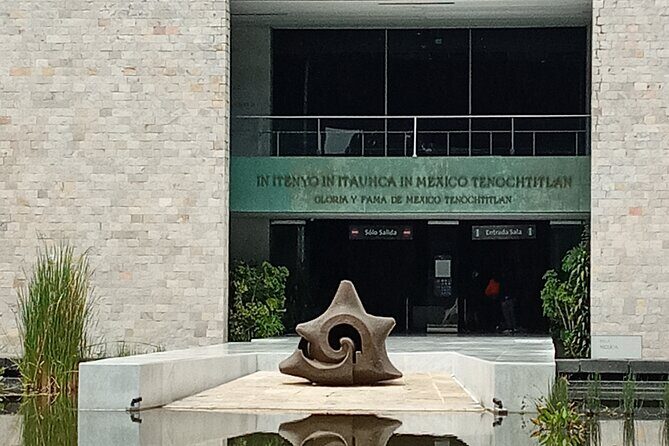
The tour runs about 2 to 3 hours, with a typical visit around the full 3-hour mark. That’s a smart length for this museum because the MNA can swallow a whole day if you let it.
Plan this as a focused history block rather than a quick “look and go.” I like scheduling it early in a trip to Mexico City. You walk in with less context, then you leave with a framework you can use later when you see related symbols in other settings.
If you schedule it late, you might still enjoy it, but you’ll have less energy for follow-up walking afterward. The museum visit includes standing time and walking across rooms, so give yourself breathing space for the rest of your day.
Also, this tour doesn’t include lunch or bottled water. I’d treat this as a morning or afternoon activity where you top up before you arrive. Museums are great for learning, but your body still needs basic support.
What’s included, what’s not, and what to bring
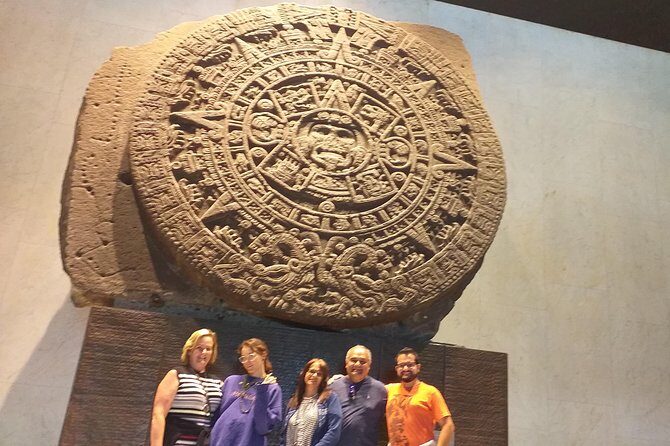
Here’s the deal with inclusions and gaps, in plain terms:
Included:
- Museum access ticket
- Federally licensed guide certified by SECTUR
- Audiobox equipment for groups of 6 clients or more
Not included:
- Private transportation
- Lunch
- Bottled water
That means you should plan your arrival and departure based on public transit or your own transport method, not on the tour providing cars. Since the meeting point is near public transportation, it’s usually manageable to plan without private transport.
What to bring is simple: water from home or from nearby before you go in, plus whatever you need for comfort during a standing/walking visit. If you’re someone who gets cold in air-conditioned spaces, bringing a light layer can help, though you’ll want to pack based on your own comfort.
And because the tour is in English and is offered in English, it’s also a good option if your Spanish is basic or you want the guide’s explanations in your comfort language.
Who this tour is best for
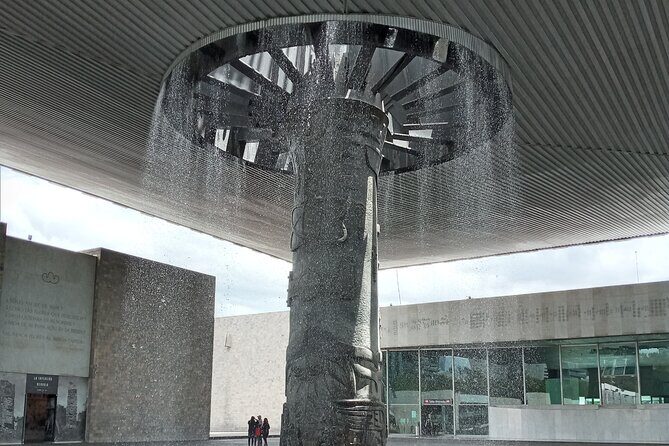
This experience is designed for adults—not available for children under 18. So I’d treat it as a history-first outing for grown-ups.
It’s especially well suited if:
- you want a guided route through the museum’s key rooms without getting lost
- you like explanations that connect mythology, symbols, and timeline
- you enjoy asking questions and hearing how a guide thinks through the artifacts
- you’re traveling as a couple, small group, or family group that includes teens (since the tour isn’t for kids under 18)
In the feedback you provided, the strongest praise repeatedly points to guides who make pre-Hispanic Mexico feel understandable and memorable, not chaotic. If you’re the kind of traveler who wants context before you roam, this tour fits.
One caution: if your group includes younger kids, the structured explanation style may not hold attention. The tour is built for serious museum listening, and you’ll get the most out of it when everyone is ready to focus.
Value: what you’re really paying for
Even without a stated price in the details I received, I can still talk value honestly, because the tour’s structure tells you what you’re buying.
You’re paying for three big things:
- Admission handled for you, so you don’t waste energy on tickets at the museum
- A SECTUR-certified guide, meaning you’re not just getting a hobbyist’s rundown
- A focused route that saves you from wandering
The small-group size and audiobox option also add real value. When you can clearly hear explanations, you get more out of the time you spend inside. That means your “time cost” is lower, and your learning sticks better.
And the guides’ reputation matters. Hector and Edith-style guiding—connecting artifacts to stories, symbols, and beliefs—is exactly what makes a major museum feel navigable.
Should you book this guided look at Mexico’s past?
I’d book it if you want Mexico’s pre-Hispanic story explained in a way that makes sense while you’re still standing in front of the objects.
Skip it if you’re looking for a hands-on activity, a kid-friendly program, or a full self-guided marathon where you pick your own route room by room. This is a guided, structured museum experience, and it works best when you’re happy to let the guide shape your focus.
If you’re visiting Mexico City for the first time and you want one museum stop that gives you context you can use elsewhere, this is a strong bet. With English-led, SECTUR-certified guidance, small-group pacing, and audiobox support when the group is bigger, you’ll likely leave with a clearer picture of how indigenous cultures shaped Mexico long before colonial times.
FAQ
How long is the Museum of Anthropology guided tour?
It runs about 2 to 3 hours, with the museum visit described as around 3 hours.
Where does the tour start?
The start location is Av. P.º de la Reforma s/n, Polanco, Bosque de Chapultepec I Secc, Miguel Hidalgo, 11560 Ciudad de México, CDMX, Mexico.
Where does the tour end?
The activity ends back at the meeting point.
Is the tour offered in English?
Yes, it’s offered in English.
What’s included in the tour price?
The tour includes museum access ticket, a federally licensed guide certified by SECTUR, and audiobox equipment for groups of 6 clients or more.
What is not included?
Private transportation, lunch, and bottled water are not included.
How many people are in the group?
The tour has a maximum of 6 travelers.
Do I need to worry about accessibility or physical effort?
It’s noted as requiring moderate physical fitness.
Is it suitable for children?
No. It is not available for children under 18 years of age.
Can I get a full refund if I cancel?
Yes. Free cancellation is available, and you can cancel up to 24 hours in advance for a full refund.