REVIEW · MEXICO CITY
MEXICO CITY FOOD TOUR: flavors on two wheels
Book on Viator →Operated by Pedalea Mexico · Bookable on Viator
Two wheels make the food taste better. This small-group Mexico City ride pairs street snacks with neighborhood wandering, led by local guides who help you meet real artisans and learn what you’re actually eating. I love the small-group feel and the way the stops focus on fresh-made tortillas and classic comfort food.
One thing to keep in mind: this experience runs best with good weather. When conditions turn nasty, one group report said they ended up walking the bikes back for about 45 minutes and the tour manager didn’t offer much help, so plan for possible wet sidewalks.
In This Review
- Key things you’ll notice (fast)
- Two wheels, four neighborhoods: why this tour works in Mexico City
- Price and logistics: what $78 buys you (and what to expect)
- Getting going at 10:00 am: meeting point, ride comfort, and who this suits
- Stop 1: San Miguel Chapultepec meetup (the calm start before the tasting)
- Stop 2 (Roma): the tortillería stop and the stone-ground corn difference
- Stop 3 (Colonia Juarez): tamales, masa, and the sweet fruit option
- Stop 4 (La Condesa): tacos de guisado and why stews matter
- Stop 5 (Colonia Roma): market colors and hand-made quesadillas
- Stop 6 (Roma Sur): paletas and fresh aguas to cool down
- Guides and safety on busy streets: Hector, Angel, Luis, and more
- How hungry should you be? Food volume and pacing
- Best time and best traveler type
- Practical tips so you enjoy the whole ride
- Should you book this Mexico City bike food tour?
- FAQ
- How long is the Mexico City food tour on two wheels?
- What time does the tour start, and where does it meet?
- What’s included in the $78 price?
- What food stops are included on the route?
- Is the tour offered in English, and what’s the minimum age?
- How many people are in a group?
Key things you’ll notice (fast)
- Pedal-powered pacing: you ride in between short food stops, not a museum march
- Fresh-cooked, hands-on bites: stone-ground corn tortillas, steamed tamales, made-to-order quesadillas
- Neighborhood variety without long commutes: Roma, La Condesa, and nearby areas packed into one route
- Guides focused on safety and city context: you’ll get practical riding tips plus food and neighborhood context
- Dessert included: paletas and fresh aguas to cool you down after the savory eats
Two wheels, four neighborhoods: why this tour works in Mexico City
Mexico City can overwhelm you fast. Streets are busy, distances can feel long, and food is everywhere. This bike food tour is a smart fix: it gives you a route through a few key areas, a rhythm for tasting, and a guide who helps you connect the dots between the city and the food.
The best part is that the food doesn’t feel like random sampling. Your stops are built around Mexican staples made the traditional way: tortillas from stone-ground corn, tamales steamed in husks, and tacos filled with slow-cooked stews. You’re not just eating. You’re learning how these foods are built, what ingredients matter, and why locals order them with confidence.
And because it’s on bikes, you cover more ground than a walking-only tour. That matters in a city where neighborhoods have their own flavor. You get to experience multiple districts without burning your day on transit.
You can also read our reviews of more food & drink experiences in Mexico City


Price and logistics: what $78 buys you (and what to expect)
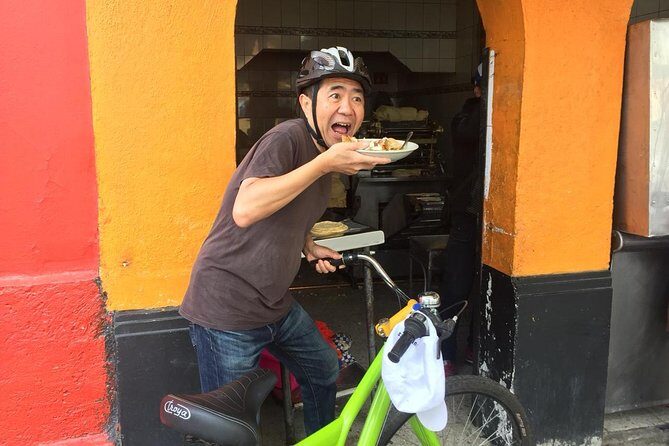
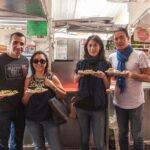
At $78 per person for about 4 hours, you’re paying for three things: guidance, transportation, and multiple tastings. You get a local guide, bottled water, helmet use, and food tastings. The bike is included too, which is a big deal because it removes a common cost and hassle on your own.
What you won’t get is hotel pickup and drop-off. The tour starts at Gobernador Melchor Muzquiz 26, San Miguel Chapultepec I Secc, Miguel Hidalgo, CDMX, and it ends back at the meeting point. The good news is that it’s near public transportation, so you can plan a simple arrival without paying for transfers.
Group size stays small. The cap is listed as a maximum of 8 (and up to 9 travelers noted), so you’re not stuck in a crowd. That usually means you get more attention, and it helps on a bike route where spacing matters.
Getting going at 10:00 am: meeting point, ride comfort, and who this suits
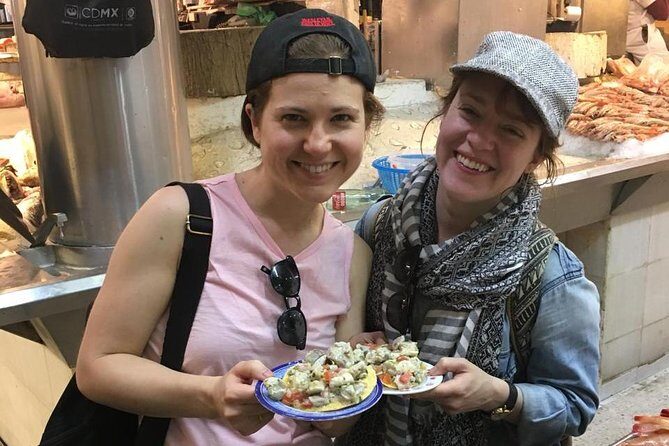
The tour starts at 10:00 am, which is ideal for a food-first morning. You’re not racing into the afternoon heat, and you’re still fresh enough to enjoy several stops without feeling like you’ll need a nap after tamales.
You’ll want comfortable clothes and shoes that can handle street conditions. Minimum age is 12, so it’s family-friendly for older teens and up. It’s also described as suitable for most travelers, which lines up with the fact that the tour isn’t presented as an intense training ride.
Your helmet is included. That’s not just a safety checkbox. It signals that the company takes riding seriously, and the guides you’ll see mentioned in feedback tend to stay attentive to safety on the roads.
If you’re traveling with a group of friends and want an easy way to see neighborhoods while eating, this is a strong fit. If you prefer a super slow, sit-down-only food crawl, you might want to consider a purely walking option instead. Bikes are part of the experience here.
Stop 1: San Miguel Chapultepec meetup (the calm start before the tasting)
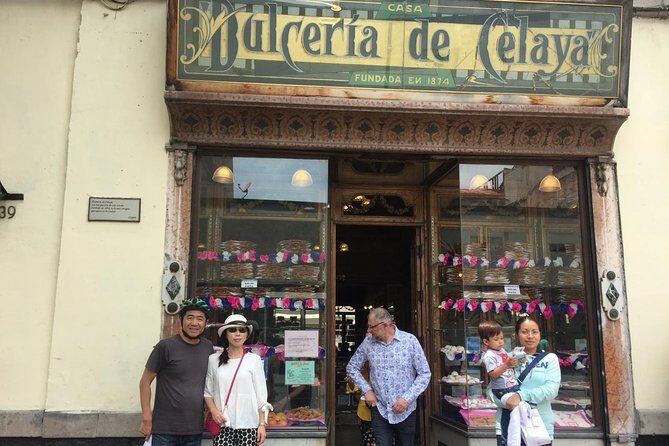
You begin in San Miguel Chapultepec at the meeting point. The schedule lists it as a short 10 minutes, and that’s exactly what it should be: enough time to check in, meet your guide, and get your bearings before you start moving.
This short start matters because it sets expectations. In a bike tour, the first minutes decide whether you’ll feel confident the whole time. Guides referenced in feedback—like Hector and Angel—were praised for being attentive to safety, and that usually starts right here: confirming you’re comfortable, setting pacing, and making sure the group rides smoothly.
Stop 2 (Roma): the tortillería stop and the stone-ground corn difference
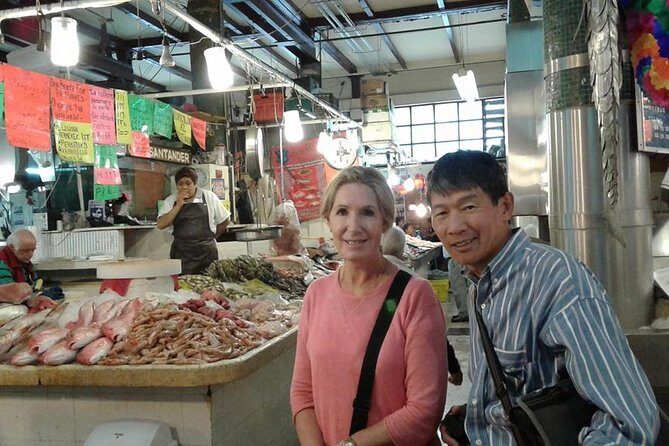
This is one of the most meaningful parts of the itinerary because it explains Mexican food from the ground up: corn becomes tortillas, and tortillas become everything else.
In Roma, you’ll visit a traditional tortillería where you watch fresh tortillas being made using stone-ground corn. There’s no substitute for that texture and flavor. The tortilla comes off the comal warm, and you can taste the difference right away: softer chew, better aroma, and that unmistakable corn character.
Time here is listed as about 15 minutes. It’s not a long cooking class, but it’s enough to see the process and eat what’s fresh. If you only learn one thing on this tour, make it this: a good tortilla is not a background player. It’s the foundation.
One practical tip: tortillas taste best warm, so eat them while they’re hot. Don’t save them for later in your bag or you’ll miss the point of the stop.
You can also read our reviews of more tours and experiences in Mexico City

Stop 3 (Colonia Juarez): tamales, masa, and the sweet fruit option
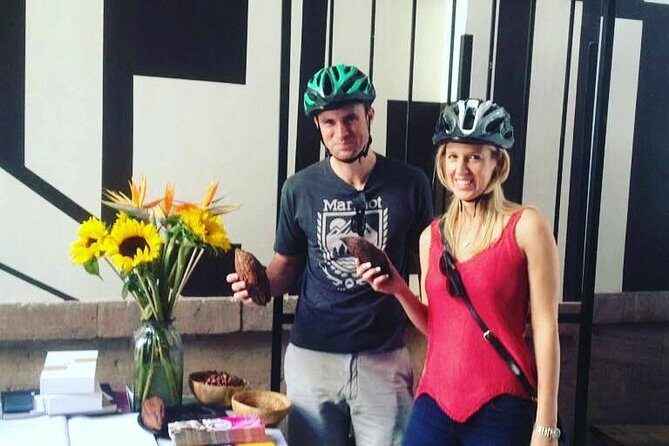
Next comes tamales in Colonia Juarez. Tamales are masa (corn dough) filled with savory or sweet ingredients, wrapped in corn husks, then steamed until tender. The beauty here is that tamales are not just one flavor. They’re a category, and you get to experience that range.
Your stop time is about 15 minutes, which usually means you’ll get a tasting rather than a full meal. Still, tamales are heavy in the best way. Steamed masa has a comforting weight, and the filling gives you contrast.
The tour specifically notes that you can taste sweet tamales too, including fruit-filled options. That’s a great moment for learning, because many visitors assume tamales are only savory. This stop quietly corrects that assumption with one bite.
If you’re curious about how people eat in Mexico City beyond tacos, tamales are a solid clue. They show up for breakfast, snacks, and celebrations, and they travel well as a street and home food.
Stop 4 (La Condesa): tacos de guisado and why stews matter
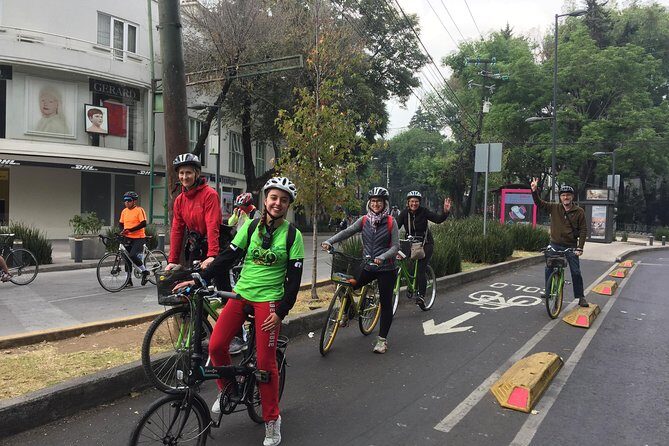
Now we reach the taco stop in La Condesa. This part is built around tacos de guisado, where fillings are stewed—meaning they’re cooked down into deep flavor. This is the difference between a taco that tastes good and one that tastes like someone fed you properly at home.
The itinerary highlights variety: tinga, chile relleno, and picadillo-style fillings are mentioned as options you may encounter. These are classic flavors that let you compare how sauces and stews change the whole experience.
There’s also a mention that Anthony Bourdain was amazed by the flavor. Treat that as cultural context, not a promise. Either way, the important takeaway is that this is a well-known local style, not a gimmick menu made for photos.
This stop is about 30 minutes, which is generous for a taco stand. You’re usually eating, asking questions, and having your guide explain what you’re seeing—like what part of the filling you should notice, or how tortillas change when they’re warm and fresh.
Stop 5 (Colonia Roma): market colors and hand-made quesadillas
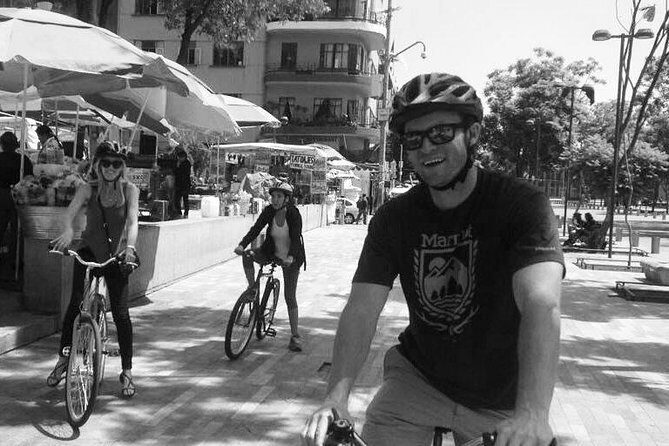
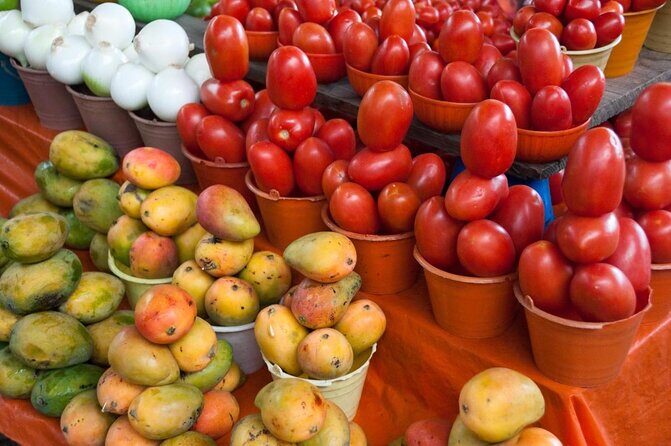
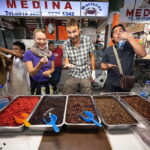
After tacos, the tour shifts to a market experience in Colonia Roma. The focus here is a typical Mexican market: color, smells, and people moving around for daily food needs.
You’ll also savor hand-made quesadillas. The word hand-made is doing a lot of work. In a good quesadilla, the tortilla isn’t just a vehicle; it helps define texture. The same goes for fillings, where the ratio of melted component to savory mix changes the bite.
In feedback, people pointed out standout tortilla craftsmanship—like a quesadilla stand associated with blue corn tortillas made from scratch. While you can’t count on the exact tortilla color at every stand, the bigger lesson holds: on this route, the food is tied to how it’s produced, not just what it’s called on a menu.
If you get overwhelmed in markets, don’t worry. Your guide’s role becomes extra valuable here, because they help you identify what to try and how to order without second-guessing yourself.
Stop 6 (Roma Sur): paletas and fresh aguas to cool down
You finish with dessert in Roma Sur. The tour notes fresh waters and paletas—Mexican popsicles made from natural fruit juices or creamy ingredients. You get a mix of flavors mentioned such as mango and pineapple, plus chocolate or coconut-style options.
This stop is about 15 minutes, and it’s timed perfectly. After savory tastings and bike riding, your body wants something refreshing, not just more sugar. Paletas do that job, and fresh aguas keep you hydrated.
Also, this is a nice reality check on how Mexicans pace eating. You don’t rush dessert. You treat it like part of the meal, but you keep it cool and light enough to still enjoy the walk back.
Guides and safety on busy streets: Hector, Angel, Luis, and more
A bike food tour lives or dies by the guide. This one is built around guides who help with both riding and understanding the food.
In feedback, Hector was praised for being fun and attentive to safety, as well as sharing history and city spots. Angel showed up repeatedly in positive notes for being friendly, knowledgeable, and careful with group safety. Alfredo also got credit for careful bike handling and for making stops hit just right.
You might also hear stories like a flat tire handled quickly without derailing the whole schedule. That’s the difference between a bike tour that feels smooth and one that feels like an accident waiting to happen.
English availability is listed, and multiple notes point out that guides’ English was very good. If you’re not confident with Spanish, this matters. Food stops are easier when you can ask simple questions and understand the answers.
The one caution I’d repeat: weather can change the experience. The tour requires good weather, and one group report described a rough ride home during heavy rain. If you book on a day with uncertain forecasts, check the sky carefully.
How hungry should you be? Food volume and pacing
You’ll get multiple tastings across the route—tortillas, tamales, tacos, quesadillas, and dessert. That’s a full arc from corn fundamentals to sweet finish. At the end, you should expect to be properly fed. Many of the standout favorites in feedback were tamales and chocolate, but honestly, the spread is designed so you don’t get one-note meals.
The pace is also a hidden part of the value. The tour is about 4 hours with short stop times. That means you taste enough to learn, but you still spend time actually riding through neighborhoods. If you want to cover multiple districts in one morning without turning it into a marathon, this works.
If you have a very sensitive stomach or strict dietary restrictions, you should know that street-style food can vary. The tour data confirms tastings and water, but it doesn’t spell out allergy options or full dietary customization. If that’s your situation, ask ahead when booking.
Best time and best traveler type
This tour is ideal for:
- First-time visitors who want to understand Mexican street food fundamentals fast
- Travelers who like active experiences that still feel social and guided
- Food lovers who want tastings tied to neighborhood stops, not just a menu list
- Cyclists-at-home who enjoy cycling but don’t need a training workout
It might be less ideal if:
- You hate biking in traffic or you’re uncomfortable with city roads
- You’re booking on a day with a real chance of heavy rain (good weather is required)
- You want a fully seated, slow-paced meal format
Practical tips so you enjoy the whole ride
A few small things make a big difference:
- Wear shoes you don’t mind getting slightly scuffed. City sidewalks are what they are.
- Bring a light layer. Morning starts can feel cool, then warm up quickly.
- Eat the freshest items first. Tortillas and tacos are best right away.
- If you’re prone to motion discomfort, tell your guide before you start moving.
Also, drink water even if you don’t feel thirsty. The tour includes bottled water, but staying ahead helps you enjoy dessert too.
Should you book this Mexico City bike food tour?
I’d book it if you want a guided way to eat like you belong in Mexico City for a few hours. The pricing feels fair because you’re getting more than food: you’re getting bikes, helmets, water, a local guide, and a route that connects food to neighborhoods.
The big reasons to say yes are the focus on fresh-made tortilla craft, the comfort of classic tamales and tacos de guisado, and the fun momentum of riding between stops. Plus, the tour has a strong reputation for guides who handle safety and communication well, including standout names like Hector, Angel, and Luis.
The main reason to pause is weather. Because the tour requires good conditions, a rainy day can turn the experience from fun riding to tougher walking. If the forecast looks sketchy, consider booking a later date if you can.
If you like food with context and you’re game for bikes, this is a smart first-choice tour for Mexico City.
FAQ
How long is the Mexico City food tour on two wheels?
It runs for about 4 hours.
What time does the tour start, and where does it meet?
The start time is 10:00 am, and it meets at Gobernador Melchor Muzquiz 26, San Miguel Chapultepec I Secc, Miguel Hidalgo, 11850 Ciudad de México, CDMX, Mexico. It ends back at the meeting point.
What’s included in the $78 price?
Included are bottled water, food tastings, a local guide, use of a bicycle, and use of a helmet.
What food stops are included on the route?
You’ll have tastings at stops including a tortillería for fresh tortillas, a tamales stop, a tacos de guisado stop in La Condesa, hand-made quesadillas at a market, and dessert with paletas and fresh waters.
Is the tour offered in English, and what’s the minimum age?
The tour is offered in English, and the minimum age is 12 years.
How many people are in a group?
It’s limited to a maximum of 8 people per booking, with a note that it can have a maximum of 9 travelers.