REVIEW · NATIONAL MUSEUM OF ANTHROPOLOGY
Mexico City: Anthropology Museum Tour with Historian
Book on GetYourGuide →Operated by Walk Mexico · Bookable on GetYourGuide
Symbols start making sense fast here. This 3-hour Mexico City Anthropology Museum tour with a historian turns “museum labels” into a clear story, walking you through how Mesoamerican cultures shared symbols, myths, and visual storytelling. You’ll look closely at iconic pieces like the Sun Stone and the Olmec colossal head, but the real win is how the guide connects everything so it feels like one conversation, not five separate rooms.
Two things I really like: first, the way the tour uses Paul Kirchhoff’s idea of what counts as Mesoamerica to explain why far-apart peoples often built similar worlds. Second, the ending—Pakal’s tomb replica—paired with the dramatic 1985 Christmas Eve museum heist story involving Pakal’s mask and treasures. It’s a strong finish that makes the art feel real, not distant.
One consideration: 3 hours can feel short for a museum this big. Even with a focused route, you may want more time to linger in your favorite galleries once the tour is over.
In This Review
- Key Things I’d Call Out Before You Go
- Entering Mexico City’s Museum With a Historian’s Roadmap
- Meeting Point: Where You’ll Start and How the Tour Gets Moving
- Architecture and Origins: Why the Museum Building Matters
- The Courtyard Fountain: A Big Symbol You’ll Never Unsee
- What Is Mesoamerica? Kirchhoff’s Definition as Your Cheat Code
- Textiles, Agave, and Natural Pigments: The Craft Behind the Myth
- Cultural Blending: Ritual Attire and Ceremonial Objects as Evidence
- Olmec Colossal Head: Mother Culture and Far-Reaching Influence
- Mexica Highlights: Templo Mayor, Chinampas, and the Sun Stone’s Real Name
- Teotihuacán as a Multicultural Metropolis
- Maya Writing, Jade, and Pakal’s Tomb Replica: The Tour’s Big Finish
- Price and Value: What $175 Gets You in Real Terms
- Who This Tour Fits Best (and Who Might Want Something Different)
- Should You Book This Historian-Guided Museum Tour?
- FAQ
- How long is the Mexico City Anthropology Museum tour?
- What does the tour cost?
- What’s included in the ticket price?
- What languages are available?
- Is the group small?
- Is the museum tour wheelchair accessible?
- Is food included?
Key Things I’d Call Out Before You Go
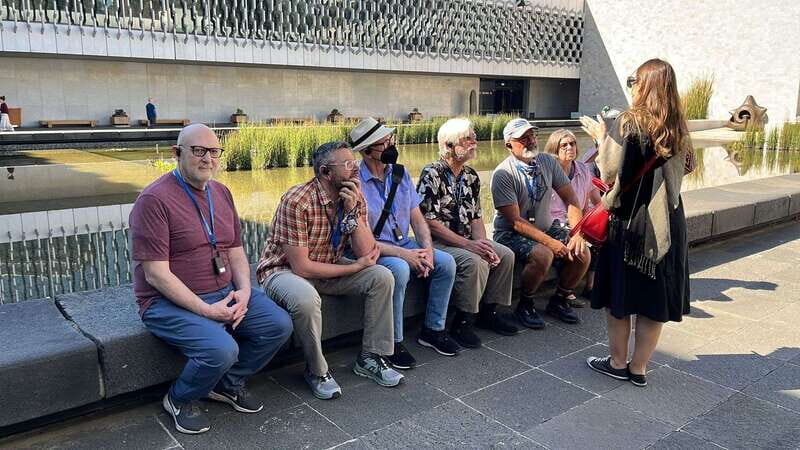
A historian who links civilizations, not just artifacts: you’ll see how ideas move across time and place.
Paul Kirchhoff’s Mesoamerica framing: it helps you stop treating cultures like isolated islands.
Agave, textiles, and pigments: everyday materials show up behind the big myths.
Major works in sequence: Olmec colossal head to Mexica hydraulic city to Teotihuacán to Maya writing.
A dramatic “last room” moment: Pakal’s tomb replica lands with the heist story.
Entering Mexico City’s Museum With a Historian’s Roadmap
The Museo Nacional de Antropología is famous for a reason, but it’s also huge. Without a guide, it’s easy to wander, take in fragments, and still miss the connections that make Mesoamerica click.
With this tour, you’re not just “visiting highlights.” You’re getting a thread. The historian guide (often with names like Natalia or Hector) uses an academic background to translate symbols and storytelling into plain language. And the tour style is built for real conversation. People ask questions, and the guide answers them without making you feel behind.
Since the group is small—limited to 10—you usually get enough time to ask follow-ups. Headsets are included for better audio when museums get busy, so you can actually hear the guide instead of constantly playing guess-and-check.
Meeting Point: Where You’ll Start and How the Tour Gets Moving
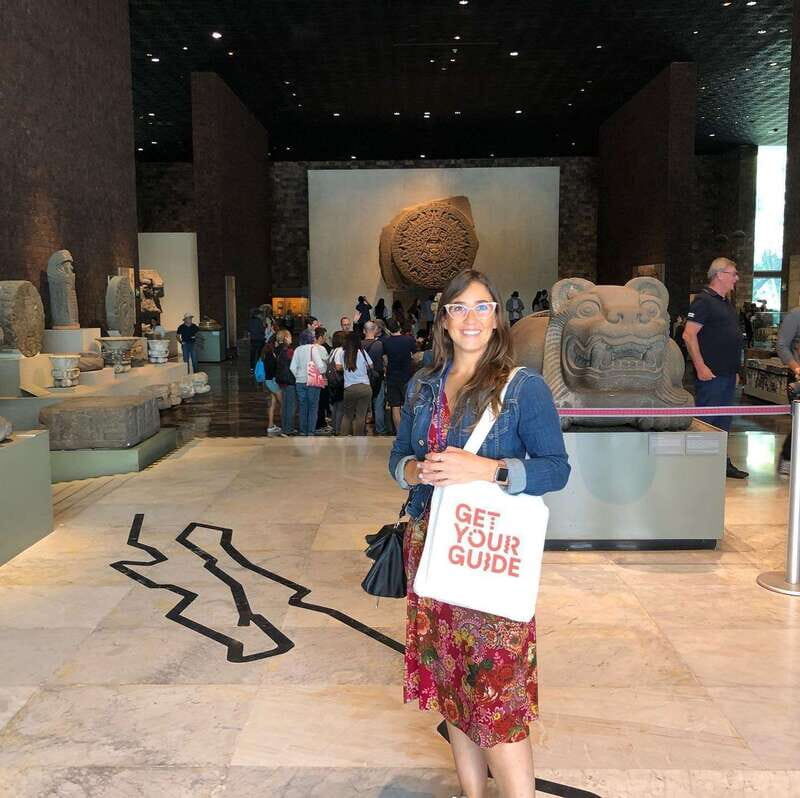
You meet in the Anthropology Museum main lobby, near the ticket booth. Your guide is waiting there with the WALK MEXICO logo.
This matters more than it sounds. In a museum this large, the first 15 minutes decide whether the rest of the tour feels smooth. Starting at the lobby keeps the group together and helps you get your bearings fast.
The tour runs in English or Spanish (live guide), so if you speak Spanish, you can fully ride along. If not, English works well, and the guides’ presentation is clear enough that you can keep up even when your brain is juggling multiple centuries at once.
Architecture and Origins: Why the Museum Building Matters
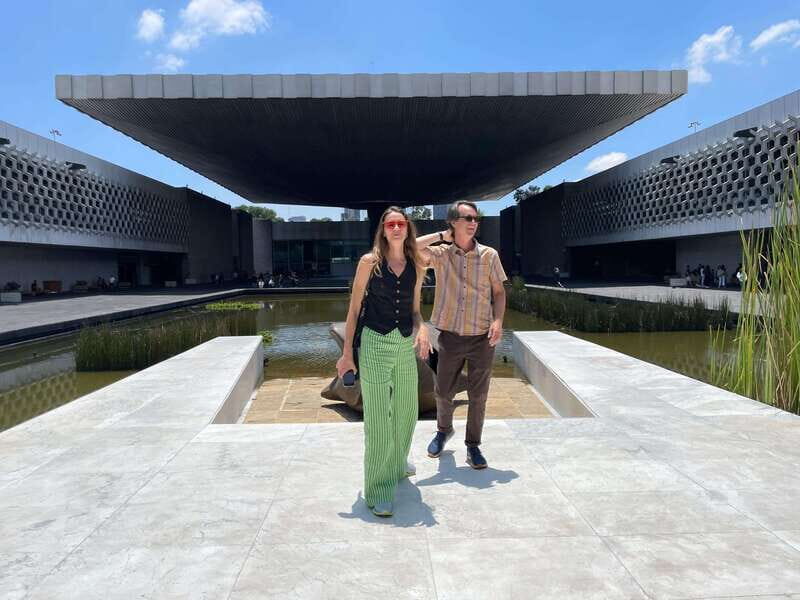
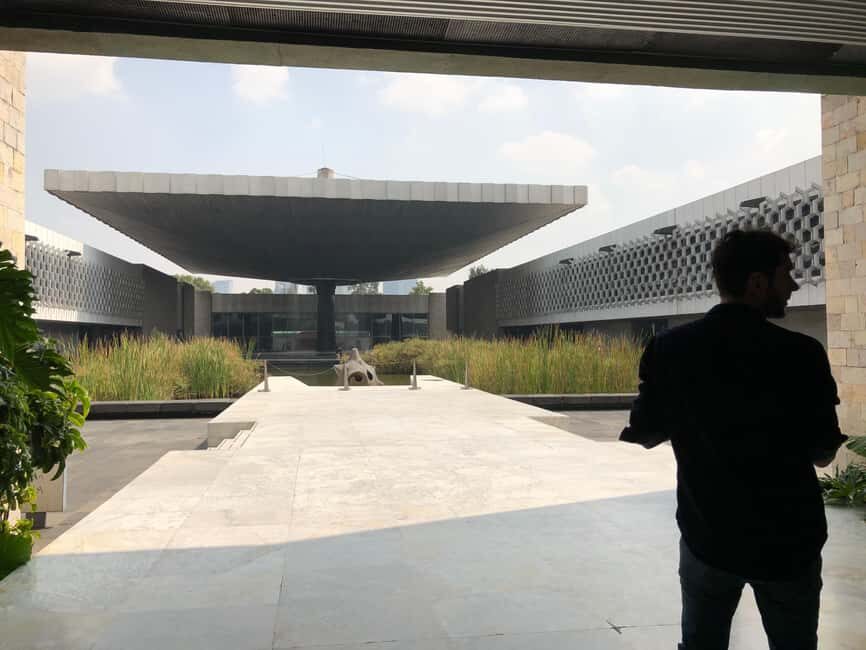
Before you even hit the galleries, the guide sets up the museum itself as part of the story. You begin with an introduction to the museum’s design—how architects and artists worked together to honor Mesoamerican cultures through murals, symbolism, and monumental replicas.
I like this approach because it changes how you read the museum. Instead of treating the building like a neutral box, you start noticing how art direction and space planning shape meaning. It’s the same idea you’ll see later in the tour rooms: images are never just decoration. They communicate how people saw the universe.
As a bonus, this intro helps you understand why certain pieces are presented together. You’ll notice the tour isn’t random. It’s arranged to help you compare styles, themes, and belief systems across different cultures.
The Courtyard Fountain: A Big Symbol You’ll Never Unsee
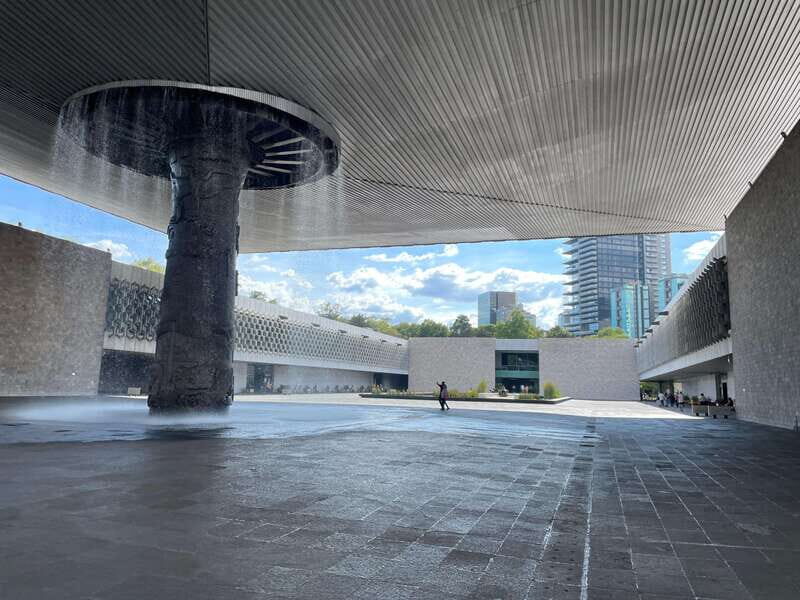
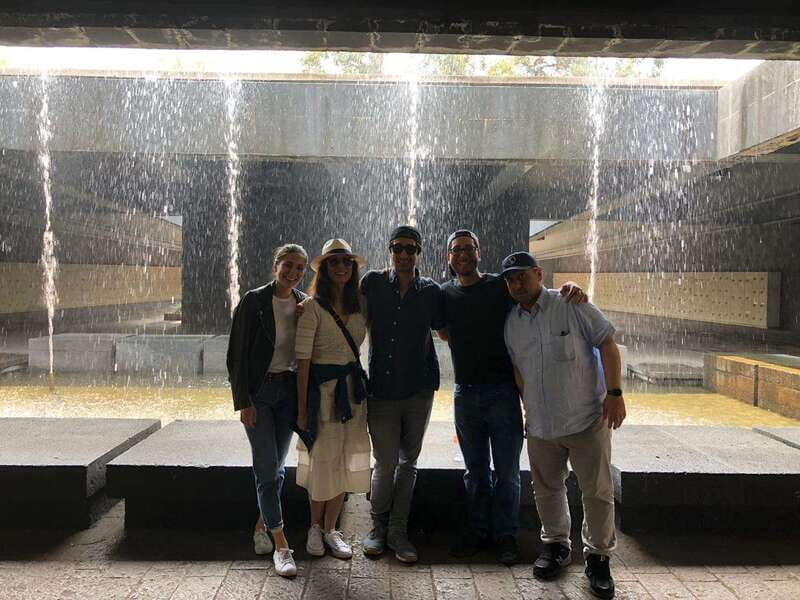
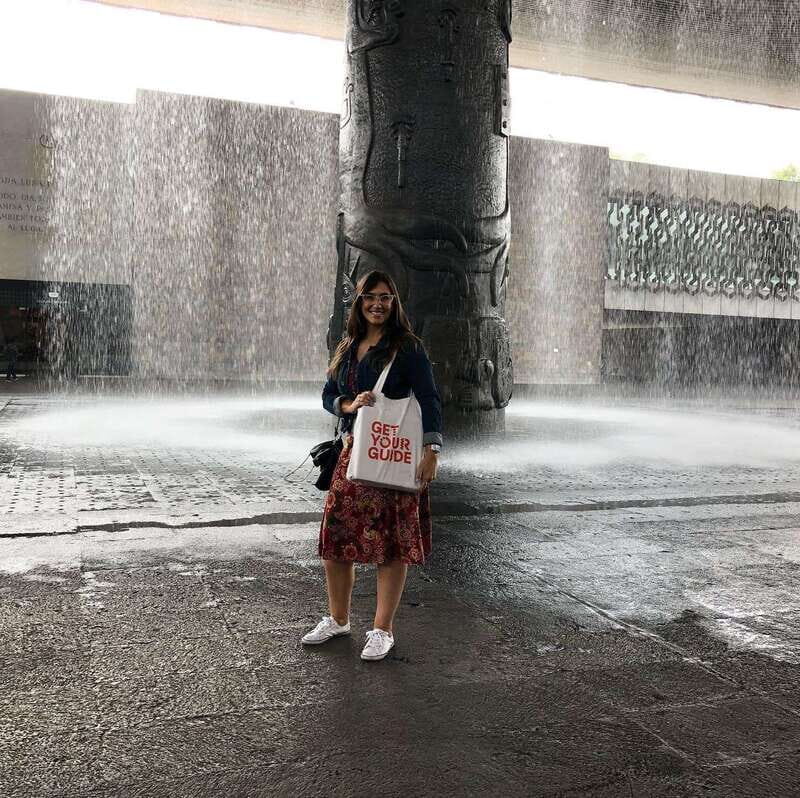
One of the tour’s most memorable moments happens in the courtyard around the museum’s famous fountain. The guide doesn’t treat it as a pretty break. They explain the symbolism behind it, using the fountain as an entry point into how Mesoamerican societies built meaning into monumental public space.
Even if fountains aren’t your usual travel obsession, this one works because it teaches you what to look for. After this, you’re better prepared to spot symbolism in the rest of the museum—how patterns, carved shapes, and iconography carry messages.
And because this is an outdoor/central space, it also gives the group a reset before you go deep into the galleries.
What Is Mesoamerica? Kirchhoff’s Definition as Your Cheat Code
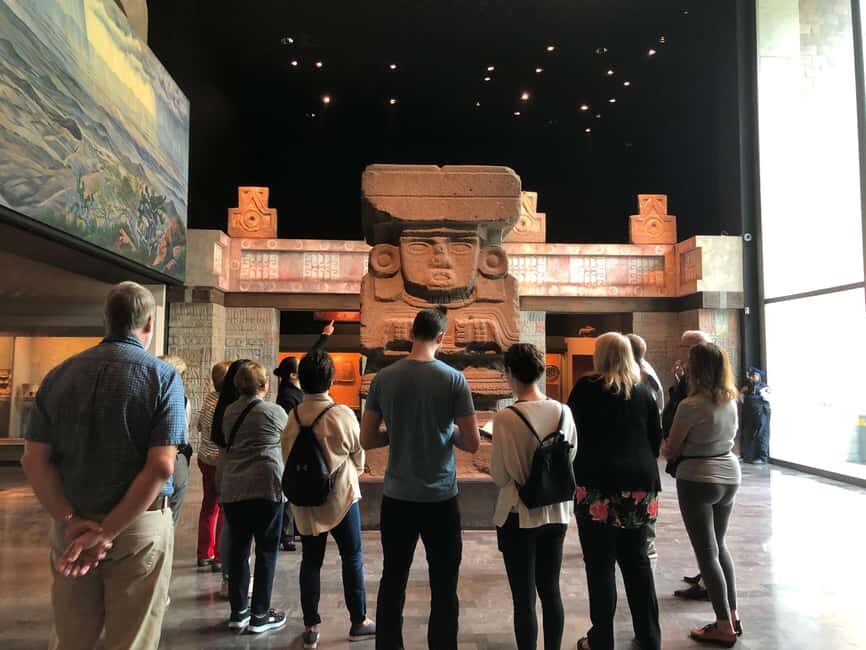
In the hall focused on “What is Mesoamerica,” the guide introduces Paul Kirchhoff’s definition of a shared cultural region. This is one of the most useful parts of the tour because it gives you a framework.
Instead of thinking of Mesoamerican civilizations as separate, you learn to look for connections like:
- common traditions and recurring symbols
- agricultural systems that shaped daily life
- cosmological ideas about how the world worked
Once you have that lens, you can walk through later rooms and ask better questions. You stop looking only for differences and start noticing why similar ideas show up in different places and time periods.
This is also where the tour’s “connected journey” format pays off. You’re not sprinting from one civilization to the next. You’re comparing how those civilizations responded to shared realities—food, belief, power, and storytelling.
Textiles, Agave, and Natural Pigments: The Craft Behind the Myth
This is one of my favorite stops because it zooms in on material life. The museum has textiles and garments across Mesoamerica, and the guide explains how looms and fibers relate to culture, identity, and ritual.
You also learn about agave and its many uses, not just as a plant people mention in passing. Here it becomes practical: fibers, tools, and household items. The guide also covers techniques of spinning and weaving, plus dyeing with organic pigments.
This matters because it changes how you think about “art.” You see that what looks symbolic on the surface depends on real technology: plants turned into fibers, pigments turned into lasting color, and craft knowledge built across generations.
If you like culture that feels hands-on—how people made things, not only what they carved—this room is a treat.
Cultural Blending: Ritual Attire and Ceremonial Objects as Evidence
Next comes a display focused on cultural blending. The guide walks you through ritual attire and ceremonial objects, tying them to how centuries of exchange shaped festivals, body decoration, and artistic identity.
This part is especially valuable if you’ve ever wondered how cultures influence each other without erasing their differences. The tour helps you see blending as a process: people borrow, adapt, and re-meaning symbols as they move through new relationships.
You leave this section with a better sense for why the later galleries feel connected. It’s not only that different civilizations existed. It’s that they interacted, and their visual language changed as a result.
Olmec Colossal Head: Mother Culture and Far-Reaching Influence
The Olmec gallery brings you face-to-face with an iconic colossal head. The guide explains why the Olmec are often described as a “mother culture” for Mesoamerica.
But the tour doesn’t just label them. It connects the head to far-reaching influence—how later societies absorbed and transformed artistic styles and religious concepts.
I like this because it gives you a starting point for pattern recognition. After hearing how Olmec styles can echo later, you’ll notice more details when you move into Mexica and other rooms.
This is one of those moments where the object itself is jaw-dropping, and the explanation helps you understand why scholars keep coming back to it.
Mexica Highlights: Templo Mayor, Chinampas, and the Sun Stone’s Real Name
The Mexica portion is where the tour gets extra concrete. You’ll see key highlights linked to urban life and state power, including Templo Mayor, and you’ll learn about chinampas—artificial islands supported by bridges and aqueducts, plus a sophisticated hydraulic system.
The scale model is a standout. It reveals how ancient Mexica city life still lay underneath later colonial Mexico City. That “city under the city” idea is one of the tour’s best reminders that history isn’t gone. It’s layered.
Then comes the Sun Stone. The guide also corrects the common misnaming—explaining the famous piece often gets labeled as the Aztec Calendar, when it has a different true name and meaning.
This correction is more than pedantry. It teaches you to stay alert to how modern labels can distort understanding. The guide gives context so the stone becomes part of a belief system and timekeeping practice, not just a cool circular sculpture.
Teotihuacán as a Multicultural Metropolis
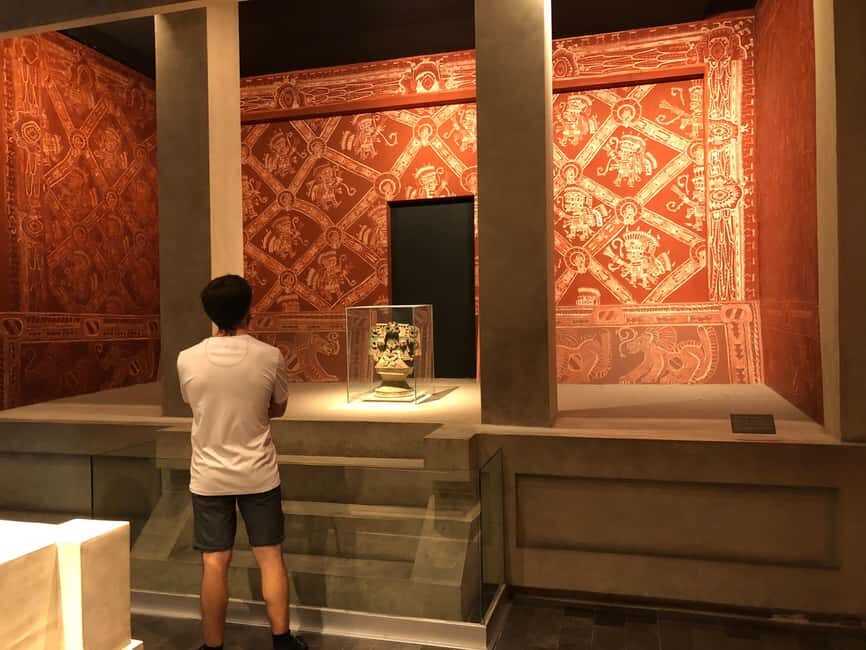
In the Teotihuacán gallery, the tour frames the city as cosmopolitan—inhabited by multiple cultures. You’ll see theories about its rise and mysterious decline while spending time with refined ceramics, obsidian masterpieces, mural fragments, and colorful architectural replicas.
This room is valuable because it complicates the story. Teotihuacán isn’t treated like a single-culture machine. The guide emphasizes that cities can grow through mixing—people with different backgrounds contributing to art, craft, and city life.
If you’re worried you’ll only learn “facts and dates,” this is where the tour becomes more human. You’re looking at evidence that suggests contact, movement, and shared urban life.
And yes, the obsidian pieces can be stunning in person. The guide’s context helps you see why skilled materials mattered so much.
Maya Writing, Jade, and Pakal’s Tomb Replica: The Tour’s Big Finish
The final gallery brings in Maya writing, art, and Pakal’s tomb replica. Before you reach the replica, the guide lays groundwork with ceramic portraits, vibrant vessels, and jade carvings.
Then you get the story of how Maya writing was deciphered. The tour explains that the tale spans colonial archives, lost manuscripts, and the work of a WWII Russian soldier who helped unlock pieces of the puzzle.
That sounds like a movie plot, but it lands in a serious way. You see that decipherment wasn’t luck. It was detective work over time, using surviving sources and careful analysis.
Finally, you step into the breathtaking replica of Pakal’s tomb, one of the museum’s most dramatic spaces on this route. The guide also shares the incredible story of the 1985 Christmas Eve museum heist, when Pakal’s mask and many treasures were stolen.
This ending does two things at once:
- It makes the Maya art feel urgent and storied, not sealed behind glass
- It reminds you that museum objects live in the real world, with protection challenges and high stakes
By the time the tour wraps, you’re not only seeing the art. You’re understanding why it matters and why people fought to keep and interpret it.
Price and Value: What $175 Gets You in Real Terms
At $175 per person for a 3-hour tour, this isn’t a budget add-on. So you have to ask what you’re paying for, and the answer is context.
You’re getting:
- an expert guide with a graduate academic degree (Art Historian or Historian)
- headsets
- the museum ticket
The biggest value is the guide’s ability to connect the dots. The museum is too big and too layered to take on efficiently alone. When the guide explains why Mexica urban engineering connects to broader Mesoamerican ideas—or why a correction about the Sun Stone changes how you read it—that’s time you don’t waste guessing.
Also, the small group size helps. If you’ve ever toured a museum in a crowd where questions don’t travel well, you’ll appreciate a maximum of 10 people. It tends to create a more conversational, teachable pace.
Who This Tour Fits Best (and Who Might Want Something Different)
This tour is ideal if you:
- love art and symbols, but want them translated into plain meaning
- want a clear route through the museum without feeling lost
- enjoy asking questions and getting thoughtful answers
It’s also a good match for groups that want one guided storyline rather than “see everything at your own pace.”
If you’re the type who loves reading every label slowly and spending half a day in one room, you might feel the 3-hour time box. In that case, I’d still book this tour for the framework, then plan extra museum time afterward to go deeper.
Should You Book This Historian-Guided Museum Tour?
Yes—if you want the museum to make sense, this is one of the best ways to do it. The route is built around real connections between civilizations, and the ending with Pakal’s tomb replica gives the whole visit a memorable payoff.
Book it if you want Mesoamerica explained as a shared world, with symbols, materials, and belief systems linked together. Skip it only if you already know the topic deeply and plan to move at a slow, label-by-label pace, because the time limit can feel constraining.
FAQ
How long is the Mexico City Anthropology Museum tour?
It lasts 3 hours.
What does the tour cost?
The price is $175 per person.
What’s included in the ticket price?
You get an expert guide (graduate academic degree), headsets, and the museum ticket.
What languages are available?
The live tour guide is available in English and Spanish.
Is the group small?
Yes. It’s limited to 10 participants.
Is the museum tour wheelchair accessible?
Yes, the experience is wheelchair accessible.
Is food included?
No. Food and drinks are not included.