REVIEW · MEXICO CITY
Special Pre-Hispanic Day of the Dead Tour
Book on Viator →Operated by Educando con Cultura · Bookable on Viator
Day of the Dead starts long before Halloween. This tour strings together Mexico City’s layers of meaning, from the story wall of Museo Mural Diego Rivera to the worldview at Museo del Templo Mayor. I especially like how the stops connect Spanish-era history to Aztec ideas of life and death, and I like the practical pacing that keeps you moving without feeling rushed. One possible drawback: it’s only about 2 to 2.5 hours, so you won’t have lots of extra free time to linger inside each site.
I also like that you’re not just handed facts; you get a guided storyline you can follow as you walk. The tour runs in English with a small group size (up to 25), and you use a mobile ticket for the experience.
Finally, you’ll end right where it matters most for this theme, at the Templo Mayor Museum area. If you’re the type who wants to roam and wander on your own, this one feels more like a guided “through-line” than a free-form stroll.
In This Review
- Key highlights you’ll feel on this tour
- Walking a pre-Hispanic Day of the Dead route that actually makes sense
- Starting at Museo Mural Diego Rivera: history explained through faces and events
- Alameda Central: a historic public park that keeps changing
- Palacio Postal: eclectic architecture plus legends you can repeat later
- Teatro Esperanza Iris and the Palace of Inquisition to Medicine twist
- Museo del Templo Mayor: ending where the Aztec worldview gets explained
- Price and value: what $58.51 buys you in real sightseeing time
- Group size and pacing: good for clarity, not for wandering
- What kind of traveler should book this
- Should you book the Special Pre-Hispanic Day of the Dead Tour?
- FAQ
- How long is the Special Pre-Hispanic Day of the Dead Tour?
- What is the price per person?
- What’s included in the tour price?
- What language is the tour offered in?
- Where do I meet the guide, and where does the tour end?
- Is there a maximum group size?
- What is the cancellation policy?
Key highlights you’ll feel on this tour
- A guided timeline across centuries: from early Spanish messaging to Aztec rituals and what they meant for life and death
- Rivera’s mural museum as your setup: history explained through the characters who shaped it
- Alameda Central’s deep backstory: a major public park tied to 1592 planning and classic sculptures
- Architectural variety in one compact route: Palacio Postal’s eclectic style and storytelling stops nearby
- Day of the Dead theme anchored in rituals: you end at Templo Mayor with the Aztec worldview front and center
- Tickets and guide included in the price: you’re not piecing together admissions while you’re there
Walking a pre-Hispanic Day of the Dead route that actually makes sense
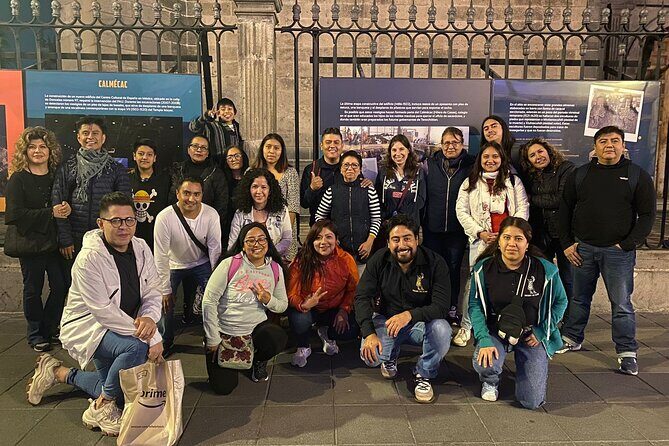
Mexico City can feel like a pile of great sights on top of great sights. This tour is built to stop that chaos. Instead of sending you to one attraction after another, it guides you through a story about how Mexico has tried to explain life, death, power, and belief across time.
The Day of the Dead angle here is specifically pre-Hispanic. That means you’re not starting with sugar skulls and folklore first. You’re starting with the way the Aztecs understood the cycles of existence and how rituals shaped their relationship to death. Then the tour layers in Spanish-era history and the long aftermath.
At a glance, the schedule is tight: about 2 hours to 2 hours 30 minutes, walking between major points in the historic center. You’ll get just enough time at each stop—around 15 to 30 minutes depending on the site—to learn the key ideas without burning your whole day.
You can also read our reviews of more tours and experiences in Mexico City.


Starting at Museo Mural Diego Rivera: history explained through faces and events
Your morning begins at the Diego Rivera Mural Museum (Museo Mural Diego Rivera). This is a strong choice for a themed tour because Rivera’s work is basically history you can read. You’re guided through how Mexico’s story unfolds through the characters shown in the mural.
This stop is about 25 minutes and includes your admission ticket. That included ticket matters for value: you don’t need to figure out entry on the spot, and you’re not stuck paying extra for the “setup” part of the experience.
What I like about using this museum at the start is that it helps you spot connections as the tour continues. You’re less likely to treat the later sites as random architecture or isolated monuments. Instead, you get a sense of how big stories move through different eras—and how symbols are used to explain power and identity.
Practical tip: since your first stop is a museum interior, wear something comfortable. You’ll be in and around guided viewing areas, and you’ll likely want a phone charged for quick reference photos.
Alameda Central: a historic public park that keeps changing
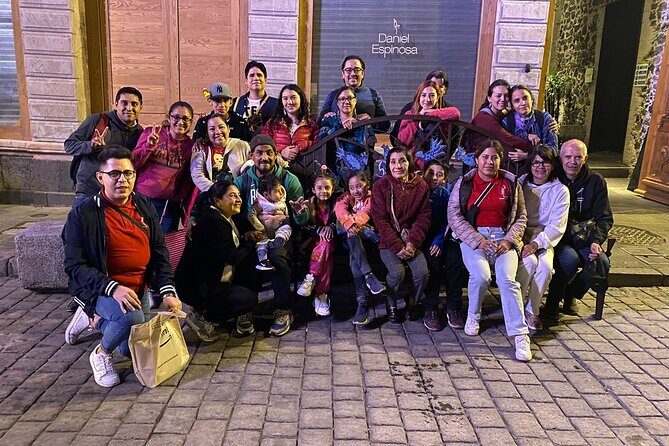
Next you head to Alameda Central, one of the city’s classic public parks. The tour frames it with a specific historical anchor: it was ordered in 1592 by Viceroy Luis de Velasco. That’s an unusually concrete starting point for a park stop, and it’s a good reminder that even “green space” here grew out of politics and city planning.
You’ll spend about 15 minutes at Alameda Central, and admission is free for this stop. You’ll see classic sculptures and learn how the park transformed over time. This makes it more than a quick photo break. You get a sense of the park as a public stage—one that reflects what Mexico City valued at different moments.
A small consideration: Alameda Central is still a park with normal foot traffic. If you’re sensitive to noise or crowds, keep your expectations realistic. This is a short, guided pause—good for a reset before the next architectural stop, not a quiet escape.
Palacio Postal: eclectic architecture plus legends you can repeat later
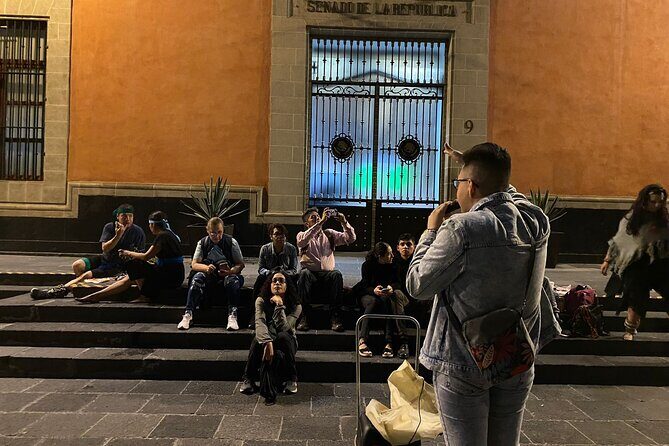
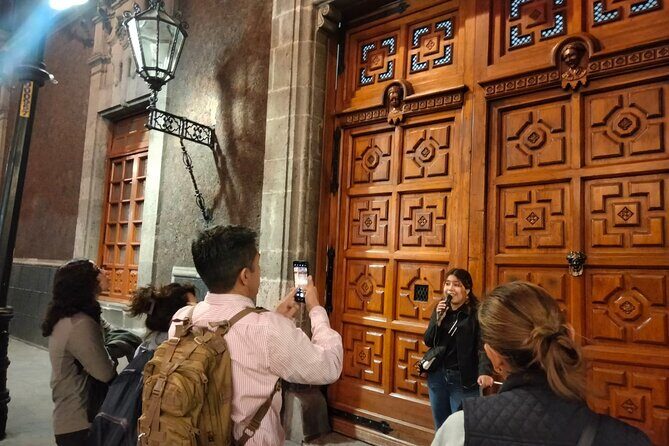
Then it’s on to Palacio Postal. This is one of those buildings that looks impressive from the street—and becomes even more interesting when you understand what you’re looking at. Your guide explains its legends and highlights the eclectic architecture of the spaces.
The stop is around 15 minutes, and admission is free here. Even though the visit is shorter, Palacio Postal is a high-value stop because it gives you architectural context in a compact time window. If you like buildings with personality, this one helps you train your eye. You start noticing stylistic shifts and details you might otherwise skip.
What to watch for: don’t just look at the outside façade. In a short guided stop, your guide will likely point you toward key interior features and the sort of design choices that show up when a building is meant to project status.
If you’re photographing, be ready to move. The best experience here comes from following the guide’s pacing, not trying to stop for a perfect shot at every angle.
Teatro Esperanza Iris and the Palace of Inquisition to Medicine twist
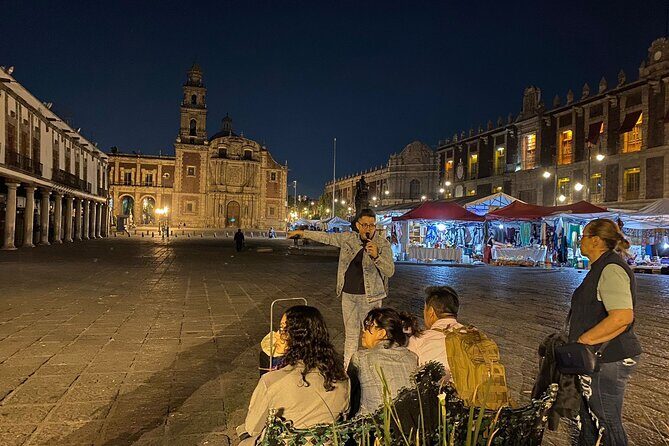
The itinerary includes two closely related stops that add punch to the history thread: a major theater connected to Esperanza Iris, and a site that links colonial-era religious power to later medical use.
One stop centers on one of the city’s important theaters created by the operetta queen Esperanza Iris. Another stop explains that in colonial times this place was the Palace of the Inquisition, and that today it functions as the Palace of Medicine, with the tour focusing on the Holy Office.
This part of the route is valuable because it changes the emotional tone of the tour. You go from art and public space into the machinery of belief and control—and then you see the same physical space repurposed. That repurposing theme matters for the Day of the Dead story too: it’s a reminder that meanings don’t vanish. They get overwritten, reframed, and carried forward.
If there’s a practical drawback, it’s that this section depends on how the group moves and how quickly you can pass through viewpoints. It’s not described as a long sit-down museum component, so if you want slow, deep reading time, you may feel the time limit.
Still, if you like history that connects the emotional dots between eras, this is one of the most memorable segments.


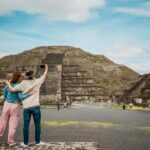

Museo del Templo Mayor: ending where the Aztec worldview gets explained
The tour ends at Museo del Templo Mayor in the Centro Histórico area, at Seminario 8. This is the thematic payoff stop. Here, the guide focuses on the Aztecs’ worldview regarding life and death—including the rituals they organized for their gods.
This end point is great for several reasons. First, it keeps the Day of the Dead theme from floating around as a general holiday idea. You leave with a clearer sense of what death meant in an Aztec religious framework, and how ritual acted like structure for that worldview.
Second, your total time budget makes sense for this kind of learning. You’ll spend about 30 minutes at this final stop, and admission is free for the stop. With a theme like this, 30 minutes is often enough to understand the core concepts and feel oriented, even if you want more time inside the museum after the tour ends.
You’ll also appreciate that the itinerary ends where you can keep going on your own. If you want to return later for more reading, the tour doesn’t leave you nowhere. It drops you right at the museum area.
Practical tip: plan your next step before you finish the tour. Since you’ll end at Templo Mayor, it’s an easy place to build a longer historic center walk right afterward, or to connect to nearby transit.
Price and value: what $58.51 buys you in real sightseeing time
At $58.51 per person, this tour is fairly priced for a guided historic walk with included admissions. The big value isn’t just the guide; it’s that entry is handled for you at the first stop, and the remaining stops are free admissions based on the tour plan.
Here’s the value logic that matters when you’re choosing a guided tour:
- You’re paying for interpretation, not just access
- You get a guided storyline across multiple sites rather than isolated visits
- You’re not spending extra energy doing admissions logistics site-by-site
- You’re working within a compact 2 to 2.5 hour window, which is a good match for people trying to see the historic center efficiently
Not included costs are simple: tips aren’t included, and meals aren’t included. So if you’re doing this earlier in the day, plan to eat before or after rather than counting on the tour to handle food.
If you’re comparing options, treat this as a “guided meaning-making” tour. If you only want photos and minimal talking, you might find it too structured. If you like history explained in context, this price feels more reasonable.
Group size and pacing: good for clarity, not for wandering
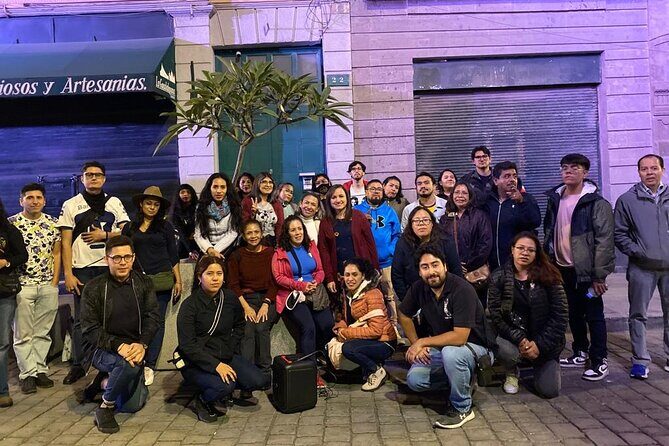
With a maximum group size of 25 travelers, you should expect a manageable group dynamic. It’s not described as a tiny private tour, but it’s also not a massive bus situation. That usually means you can hear the guide without constant shouting—and you can keep up with the route without falling behind.
Timing is built around short visits:
- 25 minutes at the Rivera mural museum
- 15 minutes each at Alameda Central and Palacio Postal
- additional guided stops tied to the theater and the Inquisition/Medicine story
- about 30 minutes at Templo Mayor
That pacing is ideal for travelers who want structure. You’ll get enough explanation to connect the dots, but not so much that you feel trapped inside for hours.
My advice: do your best to stay present during each stop, especially the final one. It’s tempting to check your phone, but the last theme is the payoff. Give the guide your full attention for those 30 minutes and you’ll leave with the best takeaways.
What kind of traveler should book this
This tour fits best if you:
- like history that connects symbols, religion, and power
- want a Day of the Dead experience rooted in pre-Hispanic meaning
- enjoy city-walk itineraries where you learn while moving
- prefer a guided thread over a checklist of attractions
It’s also a smart pick for people with limited time in Mexico City. You get a meaningful sweep across major historic center locations without losing half a day.
Because it’s offered in English and includes tickets and guide, it’s a practical choice for visitors who don’t want to translate museum concepts on the fly.
Should you book the Special Pre-Hispanic Day of the Dead Tour?
If your goal is to understand the meaning behind Day of the Dead beyond the surface, I think this is a solid booking. The itinerary is compact but built around teaching: you start with a history frame, add layers through public space and major architecture, and end at Templo Mayor with the Aztec worldview of life and death. That arc gives your trip a coherent story instead of a random set of stops.
I’d hesitate only if you need long museum time per site. This is structured learning with short visits, not an all-day slow stroll. Also, if you’re not interested in the colonial-era twists around the Inquisition and its later medical use, you might find part of the route less relevant.
If you’re open to history that’s sometimes tense and sometimes fascinating, this is the kind of tour you’ll feel you understand afterward—because you’ll know how the pieces fit.
FAQ
How long is the Special Pre-Hispanic Day of the Dead Tour?
The tour runs about 2 hours to 2 hours 30 minutes.
What is the price per person?
The price is $58.51 per person.
What’s included in the tour price?
Tickets and the guide are included. Tips and meals are not included.
What language is the tour offered in?
The tour is offered in English.
Where do I meet the guide, and where does the tour end?
It starts at Diego Rivera Mural Museum, Calle Colón Balderas s/n, Colonia Centro, Centro, Cuauhtémoc, 06040 Ciudad de México. It ends at Templo Mayor Museum, Seminario 8, Centro Histórico de la Cdad. de México, Centro, Cuauhtémoc, 06060 Ciudad de México.
Is there a maximum group size?
Yes. The tour has a maximum of 25 travelers.
What is the cancellation policy?
You can cancel for a full refund up to 24 hours in advance of the experience start time. If you cancel less than 24 hours before, the amount paid is not refunded.