Día de Muertos comes fast in Mexico City. This 5-hour downtown route strings together key places for Day of the Dead—flower stalls, altar displays, and major public squares—using the city’s Metro so you’re moving efficiently through the crowds. I especially like the max 8-person small group and the Metro-based logistics, which keeps the pace realistic and lets you see more in less time.
The second thing I like a lot is the local bilingual guide, with founder Gabriel leading the experience and a guide style that can explain what you’re seeing in clear, practical terms. There’s one catch to plan around: the tour is not a perfect fit for a vegan menu, since some stops may cook meat and vegetables on the same surfaces and not every stop is veggie-focused.
In This Review
- Key things to know before you go
- Why this Día de Muertos tour feels different than a checklist
- The Metro-and-walk flow (and why it’s actually smart)
- Stop 1: Mercado de Jamaica flowers for altar-making
- Stop 2: Zócalo installations at the center of it all
- Stop 3: Centro Histórico ofrendas along a pedestrian street
- Stop 4: Alameda Square and Palacio de Bellas Artes
- Guide quality: what you’re really paying for
- Value check: is $95 worth it for a 5-hour day?
- Food, drinks, and the vegan reality check
- Who should book this tour (and who might skip it)
- Should you book it? My practical decision guide
- FAQ
- How long is the tour?
- How much does it cost?
- Is it a private tour or a group tour?
- What transportation do you use during the tour?
- What’s included in the price?
- Are admission fees included for the stops?
- Where does the tour start and end?
- What should I bring?
- Is the tour good for kids?
- Is the tour vegan-friendly?
Key things to know before you go
- Small group (up to 8) means more time with your guide and fewer long waits.
- Public Metro transport is built into the route, so you’re not guessing how to get around.
- Day of the Dead ofrendas in multiple neighborhoods rather than just one photo spot.
- Snacks and beverages included, so the day stays comfortable while you walk.
- Alameda and Palacio de Bellas Artes close out the tour with a classic Mexico City feel.
- Flexible pacing lets your guide adjust based on your interests.
Why this Día de Muertos tour feels different than a checklist
This tour works because it blends the public and the personal. You’re not only looking at famous landmarks—you’re also walking past the kinds of altars and offerings that show up through neighborhoods, markets, and schools. Day of the Dead in Mexico City is big and loud, so having someone explain what you’re seeing makes your photos way more meaningful.
I like that the tour is practical. You start mid-morning, you use transit instead of slow traffic, and you get built-in stops for snacks and drinks. The result is a day that feels like a guided “downtown orientation” as much as a holiday experience.
Also, the focus isn’t just on watching. Your guide talks, points, and offers recommendations for the rest of your stay, which is a big deal on a first visit. One solid guide can save you hours of second-guessing.
You can also read our reviews of more tours and experiences in Mexico City.

The Metro-and-walk flow (and why it’s actually smart)
The route is designed around Mexico City’s Metro and a lot of walking. You’ll jump on the subway and then connect by foot between areas like Mercado de Jamaica, the Zócalo, and the Centro Histórico. It can get crowded around Day of the Dead, but the tour’s plan is built for that reality, using fast transit links rather than getting stuck on the surface.
Timing is also helpful. The start time is 10:30 am and the tour typically wraps around 3 pm, which is long enough to feel substantial without turning the day into an endurance event. You’ll still want comfortable walking shoes, because you’re out there on foot for multiple stretches.
Your guide keeps the day moving, but the tour also notes that there can be a few stairs along the way. That matters if you’re someone who hates stairs, or if you’re traveling with a smaller person who tires quickly. Most people can handle it, but go in expecting a real downtown walk.
Stop 1: Mercado de Jamaica flowers for altar-making
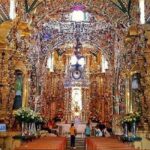
The morning begins at the flower market area connected to Mercado de Jamaica. During Day of the Dead, this is where you’ll see vendors selling the most popular flowers used to decorate altars and offerings. Even if you’ve seen Day of the Dead photos before, a flower market adds the missing piece: the ingredients and the hands behind the tradition.
Your first hour here is a gentle on-ramp. You’re not thrown into a maze of streets immediately. Instead, you get a focused look at how offerings get built—starting with the blooms that people choose for color, smell, and symbolism.
One practical note: markets can be warm, busy, and a bit chaotic. Bring your water bottle and plan to take it slow the first few minutes, letting your guide set the context before you start browsing.
Stop 2: Zócalo installations at the center of it all
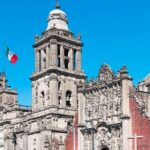
After the market stop, you head to the Zócalo, Mexico City’s main plaza. This is where the city places Day of the Dead installations, so you can see the holiday in a public, civic setting—not just private altars tucked into courtyards.
Spending about an hour here is smart. It’s enough time to get your bearings, spot what’s been set up, and ask questions without feeling rushed. And because the Zócalo is a hub, your guide can connect what you’re seeing to the broader meaning of offerings and remembrance.
Drawback to consider: the Zócalo area can be crowded. That’s part of the point on a holiday like this, but it also means you may need to be patient for short gaps in movement. If you hate crowds, you can still enjoy this stop—just be ready to stand still for a minute at a time while your guide navigates the flow.
Stop 3: Centro Histórico ofrendas along a pedestrian street
Next comes the Centro Histórico area, where the tour shifts from market and plaza to more “everyday” Day of the Dead. You’ll stroll along a pedestrian stretch designed for walking and exploring. This is where you’ll see traditional altars created by local residents and schools.
That school angle is worth paying attention to. It’s one thing to watch adults build offerings; it’s another to see how kids and youth participate. It makes the holiday feel lived-in rather than staged for tourists.
You’ll also get a snack moment here. Since snacks and beverages are included, this break helps keep your energy steady for the last stretch of walking. If you’re the type who gets hangry in a big city, this is one of the best built-in perks.
Potential drawback: because you’re walking through central streets during a busy time of year, your pace depends on crowd density. Your small group and bilingual guide help, but you should still plan to move with the group and accept that stopping for photos might take a little longer than normal.



Stop 4: Alameda Square and Palacio de Bellas Artes
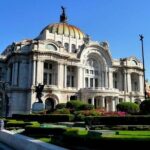
The final stop brings you to Alameda Square and up near Palacio de Bellas Artes. This is a classic Mexico City combination: a major public park space paired with one of the city’s best-known cultural landmarks.
Alameda is described as the oldest urban park on the continent, which gives this stop extra weight beyond the Day of the Dead displays. As you walk around, you can appreciate the scale of the park, the surrounding buildings, and the way the city’s sound changes once you’re in that open space.
You’ll also see altars here, which is a nice closing rhythm. After the market textures and the dense Centro streets, the park setting gives you space to take in the holiday more calmly.
If you’re a photographer, this part is often where you’ll start getting cleaner shots, because you’re not constantly weaving around dense sidewalks. Just remember: it’s still a central area during a holiday, so plan on steady movement rather than roaming freely.
Guide quality: what you’re really paying for
A guided Day of the Dead tour lives or dies on interpretation. This one leans hard on that. It’s led by a local guide (Gabriel is the founder), and the experience is run as a small group with a bilingual host. That language support matters in Mexico City, where the meaning behind offerings can be lost if you only catch the visuals.
From the guide style shown in past departures, expect someone who can connect what you see to history, architecture, and practical context—without making it feel like a lecture. A good guide also helps you stay comfortable and well-paced, especially on a crowded downtown day.
You’ll also come away with recommendations for the rest of your stay. That can be as simple as pointing you to where to eat next, or advising on what’s worth seeing after the tour ends at Palacio de Bellas Artes.
Value check: is $95 worth it for a 5-hour day?
At $95 per person, you’re paying for more than a walking route. You’re buying a focused guide experience plus real logistics. Here’s what you get that drives the value:
- Private tour format with a small group cap of 8
- Local bilingual guide
- Metro transportation included
- Snacks and beverages included
If you tried to replicate this on your own, you’d still pay for transit, snacks, and you’d likely spend time figuring out where the best holiday displays are happening. This tour removes that guessing and compresses multiple key Day of the Dead stops into one half-day.
Also, doing this on a first day can be a smart move. Getting used to how the Metro lines and transfers feel in central Mexico City pays off fast. You finish the tour with a better mental map of where everything is, which helps you plan the rest of your visit without stress.
Food, drinks, and the vegan reality check
Snacks and beverages are included, which helps a lot during holiday crowds. Still, there’s a clear heads-up if you follow a vegan diet: the tour is not perfectly suited. Some stops may involve meat and vegetables cooking on the same surfaces, and not every stop is a veggie haven.
If you’re vegan, you can still go, but you’ll want to manage expectations. Consider eating a light breakfast before you start, and plan to ask your guide what’s safest and what’s most plant-based at each stop.
If you’re not vegan but you’re picky about textures or spice, you’ll likely be fine with the included snacks and drink breaks. Just bring water and be ready to eat on the move at least a little.
Who should book this tour (and who might skip it)
This is a great choice for first-timers to Mexico City who want a Day of the Dead overview without spending the entire day stuck in transit confusion. It also suits people who want a guide who can explain what they’re looking at—especially if you care about meaning, not just pictures.
It’s also a good pick if you like mixing “big sights” and more local scenes. Markets, the Zócalo, Centro streets, and Alameda each bring a different flavor of the holiday.
You might skip it if:
- You strongly dislike crowds and long walking days
- You need a fully vegan meal plan at every stop
- You prefer taxi-only sightseeing (Metro is part of the design)
Should you book it? My practical decision guide
Book this tour if you want one efficient half-day that hits several of the most important Day of the Dead spaces in Mexico City, with a bilingual local guide and built-in comfort stops. The small group size and the Metro-based plan are exactly what you want when the city gets busy.
Hold off or adjust your expectations if vegan food is non-negotiable for you. The route itself is still interesting, but the food setup is not guaranteed to be fully plant-based.
If you’re traveling with a child, plan for them to be accompanied by an adult, and bring comfortable shoes for everyone. In a holiday crowd, the small practical decisions make the biggest difference.
FAQ
How long is the tour?
The tour runs for about 5 hours. It starts at 10:30 am and typically finishes around 3 pm.
How much does it cost?
The price is $95.00 per person.
Is it a private tour or a group tour?
It’s a private tour with a small group size. The maximum is 8 travelers.
What transportation do you use during the tour?
You use the Metro (public transportation) as part of the route, along with walking between stops.
What’s included in the price?
Included are beverages, snacks, a local bilingual guide, private tour service, and transportation via Metro.
Are admission fees included for the stops?
The stop entries provided show admission ticket free for each of the listed stops.
Where does the tour start and end?
It starts at Special Leather Huatabompo on Av. Cuauhtémoc in Mexico City’s Centro Urbano / Roma Sur area and ends at Palacio de Bellas Artes on Av. Juarez S/N in the Centro Histórico.
What should I bring?
Wear comfortable walking shoes and bring your water bottle. It’s also smart to check the weather report.
Is the tour good for kids?
Children must be accompanied by an adult.
Is the tour vegan-friendly?
It’s not a perfect fit for vegan travelers. Some meals or snack setups may involve shared cooking surfaces, and not every stop is a veggie-focused option.