REVIEW · MEXICO CITY
Market tour, cooking class & three-course Mexican feast
Book on GetYourGuide →Operated by Martaja - Market tours & cooking classes in Mexico City · Bookable on GetYourGuide
A market visit can change how you eat. This one pairs Mercado Medellín history with hands-on cooking at a chef’s home. You get the story of ancient ingredients meeting Spanish-era creativity, then you turn it into tamales, mole and tortillas.
I especially like the way the day moves from sights and flavors to real technique. And I love that your meal ends at a beautifully set table, with drinks poured as you unwind after cooking. One thing to consider: the building has no elevator, so wheelchair access may be tricky even if the class has welcomed wheelchair users before.
In This Review
- Key things to know before you go
- Mercado Medellín in Roma: why Mexican food tastes like a story
- Condesa cooking home: hands-on lessons at a real table
- Tamales, mole and tortillas: the technique-heavy part
- Tamales: learning the base and the build
- Mole: more than sauce, it’s a process
- Tortillas: the quiet skill that changes everything
- Your three-course Mexican feast: drinks, dessert, and recipes afterward
- Price and value: what $180 gets you (and what it doesn’t)
- Dietary needs, cats, and the stairs: the practical part you shouldn’t skip
- Who should book this class, and who might prefer something else
- Should you book this Roma market tour and Mexican cooking class?
- FAQ
- How long is the market tour and cooking class?
- Where do we meet for the market portion?
- What dishes will we learn to make?
- Does the class accommodate dietary requirements?
- What should I bring?
- Is wheelchair access available?
Key things to know before you go
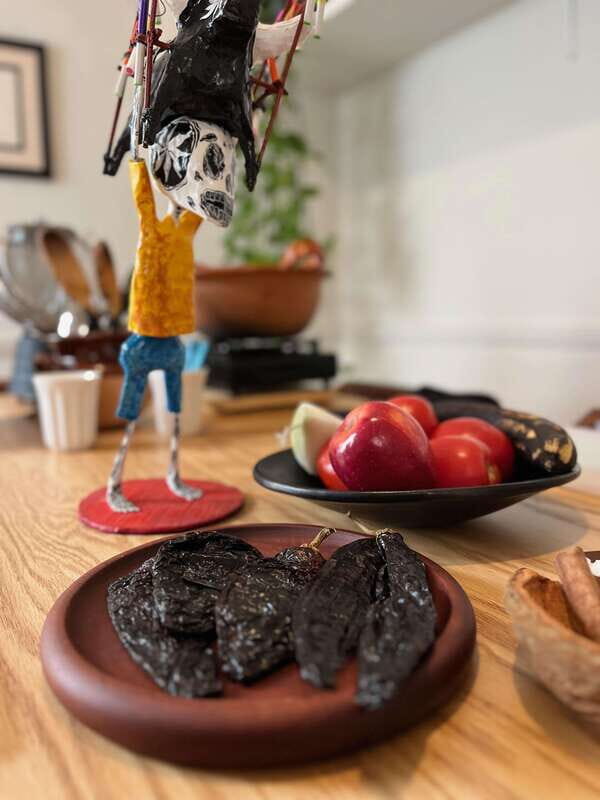
- Mercado Medellín in Roma: learn what goes into Mexican staples and why they exist today
- Hands-on cooking: you’ll make tamales, mole, and tortillas from scratch
- A chef/guide named Jim: history + food are taught as one story, not two separate lectures
- Three-course meal vibe: local drinks and dessert turn the work into a proper sit-down dinner
- Dietary support with limits: many needs can be accommodated, but strict Kosher isn’t possible
- Watch for the practical stuff: comfortable shoes, stairs at the cooking home, and two cats on site
Mercado Medellín in Roma: why Mexican food tastes like a story
Your day starts at Roma’s Mercado Medellín, right by the corner of Medellín and Campeche streets. The meeting point is the market entrance with the big letters out front, and you can wait in the shade under the overhang. From the start, the pace is meant to be easy: you’re not hustling through aisles, you’re noticing what’s real and what shows up in kitchens.
What makes this market tour interesting is the way it connects ingredients to history. You’ll learn how ancient Mesoamerican ingredients and techniques shaped Mexican cuisine, then how the 16th-century Spanish conquest triggered a wave of culinary creativity across the Atlantic. Instead of treating Mexican food as a list of dishes, you’ll start seeing it as a timeline you can taste.
You also get a practical payoff from the market. As you look for ingredients, you’ll begin to understand how flavors build—like why mole tastes the way it does, and why tortillas are more than a side. This is the kind of context that makes the later cooking feel purposeful, not just hands-on.
You can also read our reviews of more shopping tours in Mexico City

Condesa cooking home: hands-on lessons at a real table
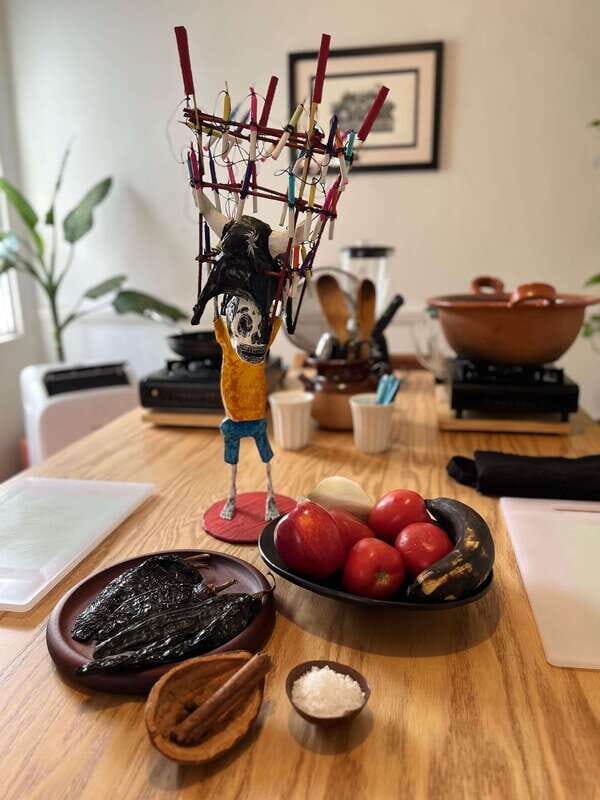
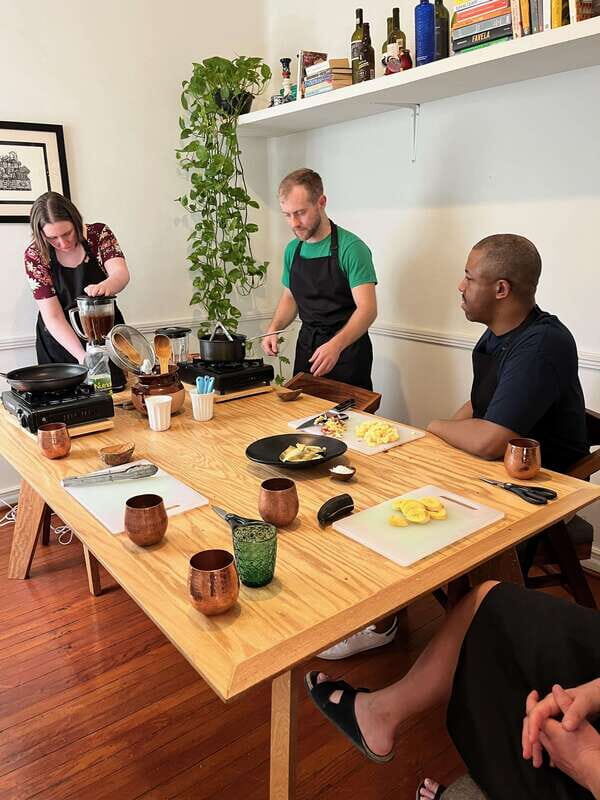
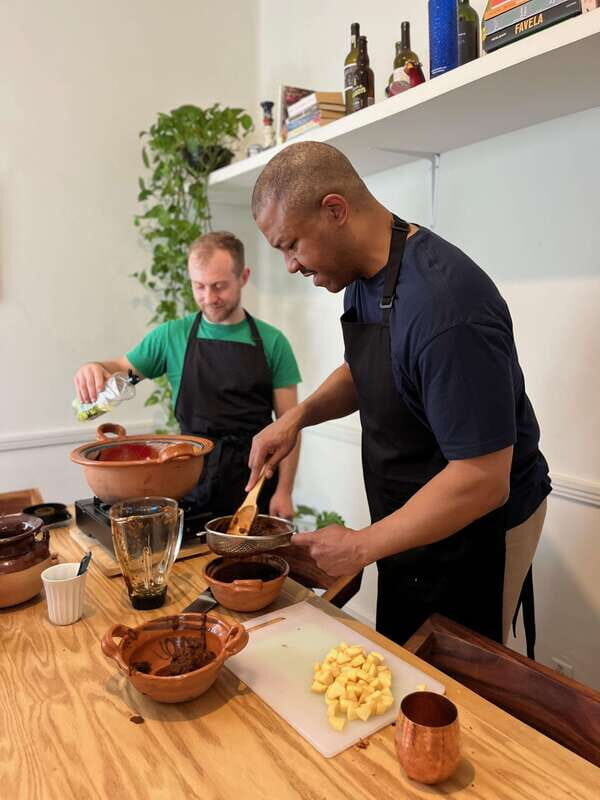
After the market, you head to the chef’s home in Condesa to cook. If it’s raining, you’re provided a taxi to the cooking location, which is a small detail that makes the day run smoothly instead of turning into a soggy slog. The home setting is part of the charm: you’re not stuck in a classroom, and you’re not crammed into a loud restaurant.
This is where you’ll meet Jim, the host/guide who blends history and food in a way that feels straightforward. In the reviews, people consistently call out his ability to connect culinary choices to Mexican culture, not just give instructions. You also cook with others in a casual group setup at a shared table, which can feel more intimate than a busy dining room.
One practical tip for your comfort: you’ll be on your feet for a few hours, and you’re likely to eat after 2 PM. You’ll do better if you eat a solid breakfast, bring comfortable shoes, and come ready to work with your hands.
Tamales, mole and tortillas: the technique-heavy part
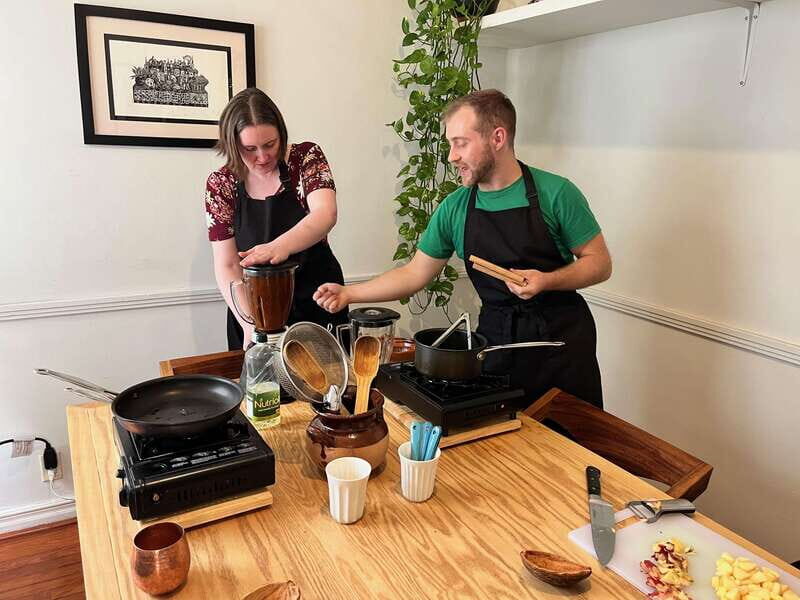
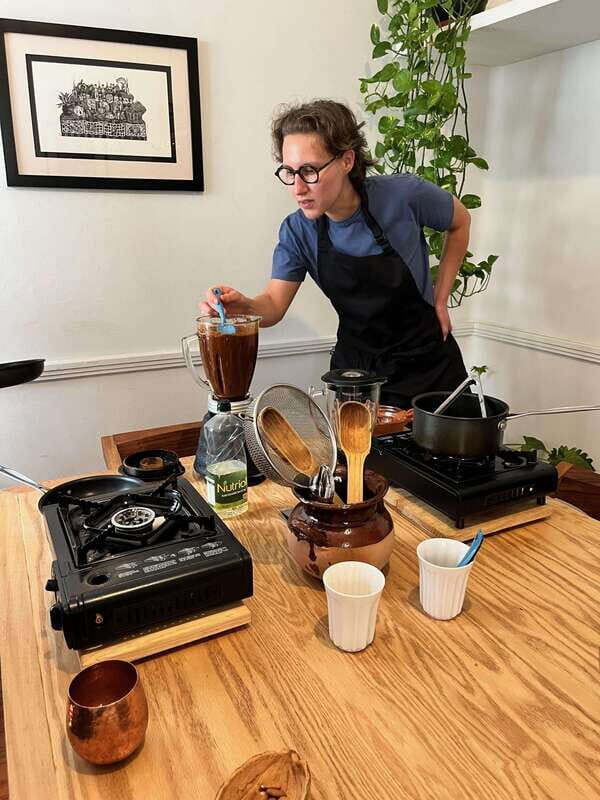
The main cooking block lasts around three hours, and it’s hands-on from scratch. You’ll make tamales, mole, and tortillas, with guidance the whole time. The goal isn’t just tasting finished food. It’s learning the moves and the logic behind them.
Here’s what you should expect from each dish:
Tamales: learning the base and the build
Tamales can feel intimidating when you only know them from takeout. In class, you get the chance to actually put the process in your hands, so you understand why the texture matters and why patience helps. One review specifically calls out green vegetarian tamales as a standout, which tells me the class isn’t only about the common versions—it can lean into flavorful variations depending on your menu plan.
Mole: more than sauce, it’s a process
Mole is the star for many people, and this class treats it that way. You’ll learn how mole comes together and how it turns into something complex and deeply flavored. Reviews mention mole as some of the best they’ve had, which usually means the class isn’t rushing or oversimplifying. You’ll walk away with a clearer sense of how to think about spice, depth, and balance rather than just memorizing a recipe.
You can also read our reviews of more tours and experiences in Mexico City


Tortillas: the quiet skill that changes everything
Fresh tortillas are a big deal, and class time makes it possible to treat them like a craft. The instructions include making tortillas as part of the cooking work, not as an afterthought. Once you’ve made them, you start to notice how texture and freshness influence everything you wrap or scoop.
If you’re the type who likes learning by doing, this is the part you’ll remember. You’ll be covered with flour and you’ll laugh about it later. It’s also the section where the history connection clicks, because you’ll see how techniques are tied to ingredients, tools, and tradition.
Your three-course Mexican feast: drinks, dessert, and recipes afterward
Once the cooking finishes, the best part is the payoff: you sit down to eat what you made. The meal is described as a three-course Mexican feast, laid out at a picture-perfect table with local linens and artisanal tableware. This isn’t a quick “you cooked, now leave” setup. It’s a real sit-down moment to slow down.
Drinks are included with your feast: Mexican beer, wine, mezcal, and soft drinks. The plan is to enjoy the fruits of your labor, then reflect over dessert. The end of the meal also includes a cup of Mexican wine and/or mezcal, which is a nice capstone after all the flavor work you just did in the kitchen.
What I like here is that the drinks are part of the pacing. You’re not drinking instead of cooking. You’re drinking because cooking took effort, and you’ve earned the chance to relax. That makes the whole day feel more like an evening you’ll talk about, not a checklist.
You’ll also receive recipes by email after the class, so you can recreate the dishes later. And because your menu is part of the planning, you’ll get a more personalized set of dishes aligned to what you picked before you arrived.
Price and value: what $180 gets you (and what it doesn’t)
At $180 per person for a six-hour experience, you’re paying for a full arc: market time, guided cooking instruction, and a proper meal with drinks. That’s not cheap, but it lines up with what you’re actually getting.
You get:
- Market discovery in Roma’s Mercado Medellín
- Cooking help for tamales, mole, and tortillas
- Ingredients and guidance to cook your chosen courses
- Dessert plus drinks with beer, wine, and mezcal
- Recipes sent by email afterward
Where the value really shows is in the teaching model. Many food experiences hand you a plate. This one hands you skills: you learn what you’re doing and why. If you’re trying to bring home more than photos, this kind of instruction is where the money usually makes sense.
That said, one practical note: people have observed that others joining the same class may pay less by booking via the Martaja website. So if price is a big factor for you, it can be worth comparing options before you lock in.
Dietary needs, cats, and the stairs: the practical part you shouldn’t skip
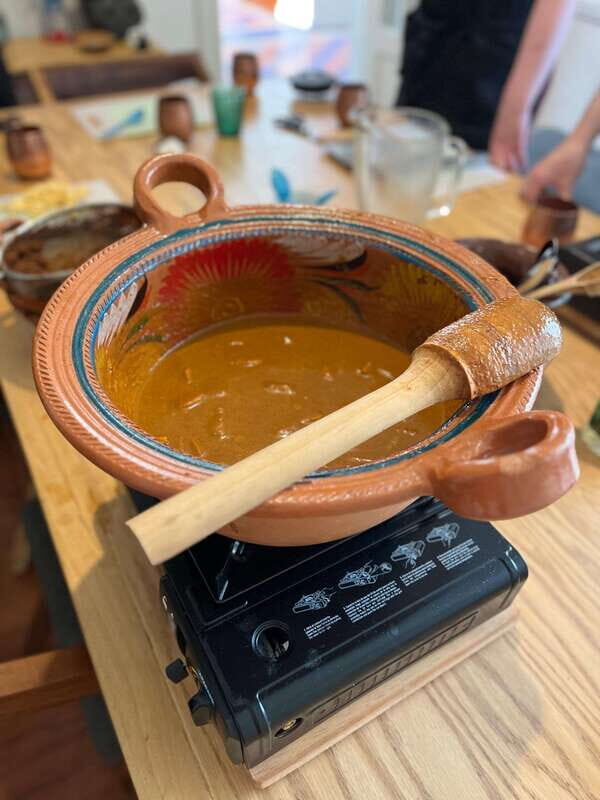
This experience can accommodate dietary requirements, and you’ll be asked by email about your menu after booking. If you have allergies, the cooking area is designed so allergies are kept out of the working space, and allergy pills are available if needed. Still, there are two cats in the house, so allergy and pet sensitivities matter.
Also note the building access reality: wheelchair users have attended the class before, but the cooking building does not have an elevator. If mobility is a concern, it’s smart to confirm details early so the day feels workable rather than stressful.
Finally, there’s one clear limitation: strict Kosher isn’t possible at this time. If you follow a strict religious dietary rule, you’ll want to plan accordingly before you book.
Who should book this class, and who might prefer something else
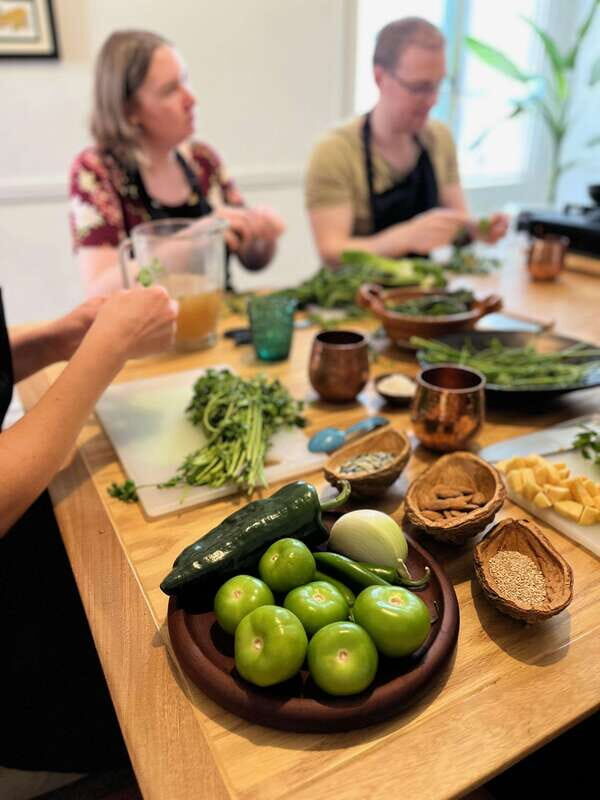
This tour is ideal if you:
- Want to learn Mexican cooking by doing, not just watching
- Enjoy food history that explains real ingredients and methods
- Like small-group energy in a home setting
- Are excited by tamales and mole, especially if you want to get them right yourself
In the reviews, people highlight how the day feels different from restaurant meals—more like cooking at home with friends, just with a strong guide. That casual, intimate feel can be a big plus if you’re tired of being herded in and out.
Who might pause:
- If you need an elevator for mobility reasons, you may find the location harder than you expect
- If you have a strong allergy to cats, you should factor that in carefully
- If you’re looking for a purely passive cultural tour, this is more hands-on than sightseeing-only
Should you book this Roma market tour and Mexican cooking class?
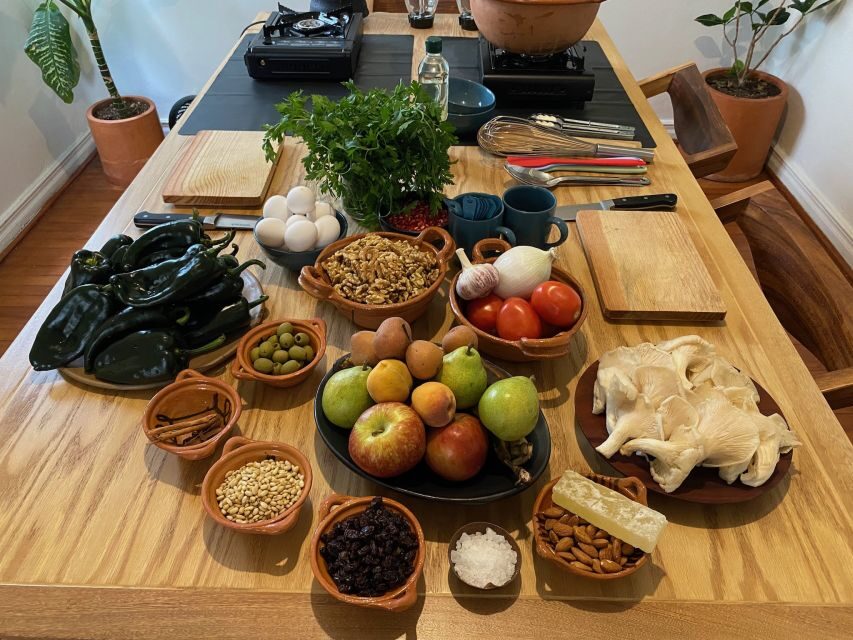
If you want a Mexico City food experience that’s more than eating, I think this is a solid choice. The market component gives you context, and the cooking component gives you technique. Add a three-course feast with drinks and dessert, and you get a full day that ends with you feeling confident rather than just full.
Book it if tamales, mole, and tortillas are on your must-eat list—and you’d like to take that knowledge home. I’d hold off if stairs are an issue for you, if cats are a dealbreaker, or if strict Kosher rules apply.
If you’re on the fence, ask yourself one question: do you want to learn how to make Mexican food, or do you mostly want to eat it? This tour is built for the first option.
FAQ
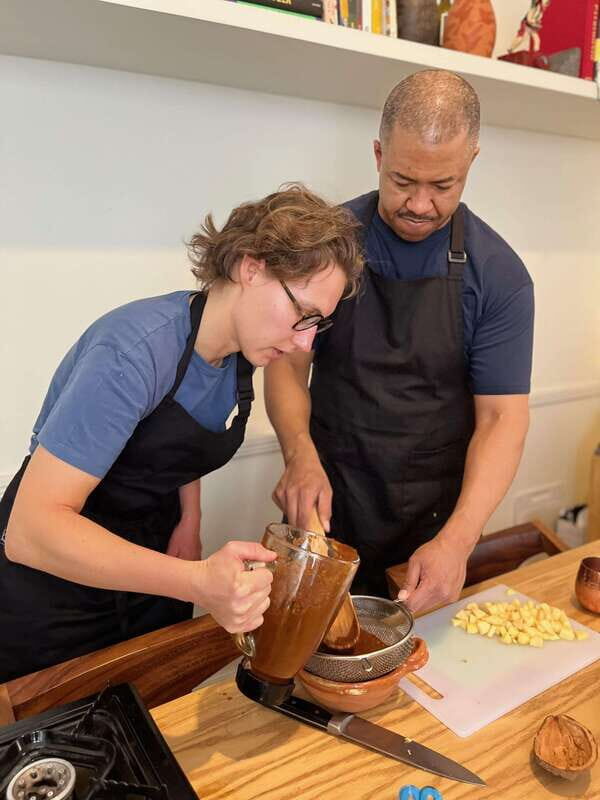
How long is the market tour and cooking class?
The experience lasts about 6 hours.
Where do we meet for the market portion?
You meet at the entrance to Mercado Medellín at the corner of Medellín and Campeche streets, under the large overhang in the shade.
What dishes will we learn to make?
You’ll cook tamales, mole, and tortillas from scratch with guidance.
Does the class accommodate dietary requirements?
Dietary requirements can be accommodated for, and you’ll be asked about your menu after booking. Strict Kosher isn’t possible.
What should I bring?
Wear comfortable shoes, since you’ll be on your feet for a few hours.
Is wheelchair access available?
Wheelchair users have attended before, but the building where the class takes place does not have an elevator.