REVIEW · SAN MIGUEL DE ALLENDE
Magical town Dolores Hidalgo and Sanctuary of Atotonilco – San Miguel de Allende
Book on Viator →Operated by Mexitours · Bookable on Viator
San Miguel de Allende has a way of pulling you out.
This day trip links Mexico’s independence story with two of the area’s most memorable stops: Dolores Hidalgo, one of the country’s Pueblos Mágicos, and the Sanctuary of Atotonilco, known for its dense, expressive religious artwork. Along the way, you’ll get a guided run through the events tied to priest Miguel Hidalgo and what they meant in the fight against Spain.
I really like two things here: first, you get easy hotel pickup and a small group (max 15), so the guide can slow down when you want context. Second, the day mixes big themes with concrete sights, from an independence moment to a well-known stop connected with Mexican music icon José Alfredo Jiménez. One possible drawback: at least one stop includes a Talavera workshop, so if you don’t want to browse or buy, mentally plan to keep it light and focused on the viewing.
In This Review
- Key highlights worth your attention
- The big idea: independence, art, and a magical-town pace
- Price and what you actually get for $125
- Getting there smoothly: pickup, meeting point, and timing
- Stop 1: the independence moment tied to Miguel Hidalgo
- Stop 2: Atotonilco Sanctuary, the Mexican Sistine Chapel
- Stop 3: Dolores Hidalgo, Pueblo Mágico energy and independence echoes
- The Talavera workshop stop: browse, learn, or buy responsibly
- José Alfredo Jiménez’s tomb stop: pop culture you can walk up to
- How the guide style affects the whole day
- What to bring for a comfortable 6–7 hour day
- Who this tour is best for (and who should think twice)
- Should you book Magical town Dolores Hidalgo and Sanctuary of Atotonilco?
- FAQ
- What is the duration of the tour?
- What time does the tour start?
- Where is the meeting point?
- Is hotel pickup included?
- How large is the group?
- Is the tour offered in English?
- Is admission included for Atotonilco?
- Are food and drinks included?
- What kind of ticket do I receive?
- Can I cancel for a full refund?
Key highlights worth your attention
- Mexican independence gets a real place and a real setting
- Dolores Hidalgo delivers a classic “magical town” feel
- Atotonilco is packed with religious pictorial art
- Small group size keeps the pace comfortable (max 15)
- Hotel-area pickup makes the day start stress-free
- A guide with English–Spanish coverage keeps meaning clear
The big idea: independence, art, and a magical-town pace
This tour is built around a simple promise: a full day that’s not just sightseeing, but story. You’ll start with the independence spark tied to Miguel Hidalgo, then shift into the visual impact of the Sanctuary of Atotonilco, and finish in Dolores Hidalgo with time in the town itself.
For me, the value is how much you get without adding extra planning. You’re not trying to connect buses or figure out timing between two far-apart religious sites and a town center. The transportation is handled, and the guide interprets what you’re seeing so you don’t leave with a list of places and no sense of why they matter.
You can also read our reviews of more tours and experiences in San Miguel de Allende.

Price and what you actually get for $125
At $125 per person for about 6 to 7 hours, this isn’t the cheapest add-on you could do around San Miguel de Allende. But it comes with several built-in pieces that often cost you extra when you piece things together on your own.
Here’s what’s included:
- Ground transportation
- A professional bilingual guide (English–Spanish)
- Visits to the main listed stops
And there’s a detail that helps value: admission at Atotonilco is listed as free for this activity. That matters because sanctuary tickets and entry fees can add up when you compare tours.
The main tradeoff is that you’re paying for a guided, structured day. If you’re the type who loves roaming without a plan, you might prefer a cheaper, self-guided approach. If you want context and smoother logistics, the price becomes more sensible.
Getting there smoothly: pickup, meeting point, and timing
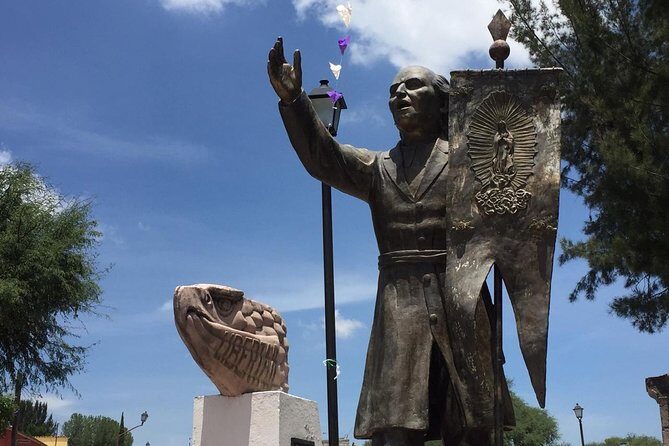
You’ll begin in Zona Centro, San Miguel de Allende, with the tour ending back at the same meeting point. The start time is 10:00 am and hotel-area pickup is offered for hotels located in the center.
That pickup detail sounds small, but it changes your day. Instead of losing time finding taxis or negotiating rides, you can stay on local time and let the schedule do the heavy lifting. One practical note: since the itinerary includes multiple stops, plan on comfortable shoes and a day bag. This is a walking-and-standing sort of day, not a sit-and-watch parade.
Group size is capped at 15, which is another reason this tour feels easier than larger bus-style outings. With fewer people, you’re more likely to get real answers to your questions rather than quick nods and a long line.
Stop 1: the independence moment tied to Miguel Hidalgo
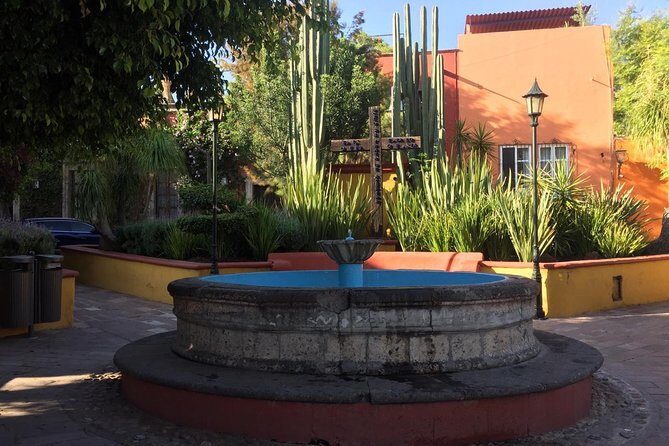
The first key stop is tied to a specific idea: Mexico’s independence didn’t start as a vague revolution. It began when Miguel Hidalgo called people to take up arms and rebel against the Spanish. Your guide frames this moment so you can connect the political shift to the physical place where that story takes root.
Even if you’ve read about Mexico’s War of Independence before, seeing the moment referenced in a religious setting adds weight. Places like this tend to feel quieter than you expect, but that quiet can help the story land. You’re not just passing a landmark; you’re looking at how faith, community, and politics got braided together during a turning point.
What to watch for: don’t rush the explanation. If you can, take a minute after the guide finishes to look at the space with the story in mind. That pause turns a stop from facts into meaning.
Stop 2: Atotonilco Sanctuary, the Mexican Sistine Chapel
Then you head to Atotonilco, where the sanctuary is often described as the Mexican Sistine Chapel—not because it copies Rome, but because it’s known for the amount and intensity of its pictorial art. This is one of those places where the visual impact hits quickly. The challenge is not getting lost in the awe, but understanding what you’re looking at.
You’ll have about 2 hours here. Since the focus is artwork, you’ll get the best experience if you slow down and let your eyes move in sections. A guide helps because you don’t need to be an art historian to appreciate what’s going on. You just need context: what the art is trying to communicate and why this sanctuary became so important.
A key practical plus: Atotonilco admission is listed as free for this tour. That takes one more cost out of the day and keeps you from feeling nickel-and-dimed mid-trip.
If you want a tip that’s not flashy: dress for warm-to-cool indoor light changes. Sanctuary interiors can feel different than the street outside, and you’ll be looking upward and around.

Stop 3: Dolores Hidalgo, Pueblo Mágico energy and independence echoes
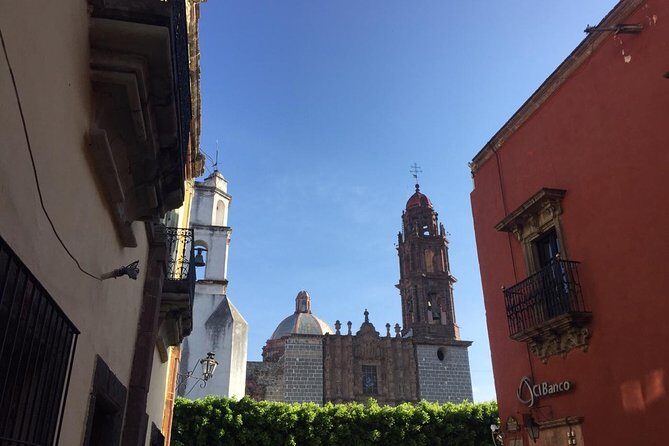
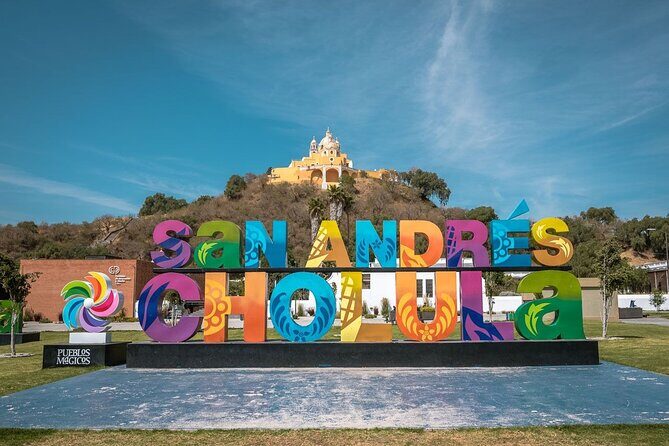
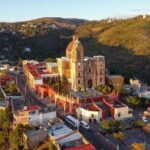
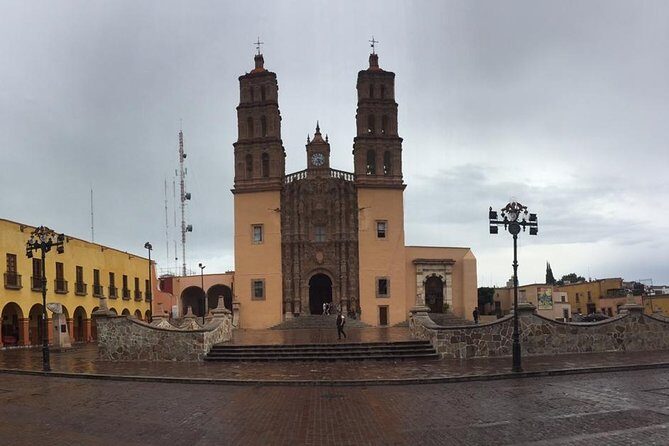
After Atotonilco, you shift into Dolores Hidalgo, a Pueblo Mágico. The town is a natural fit for this theme day because it sits right in the emotional geography of independence and Mexican identity.
Your time includes seeing a church and the main square. That combination is important. Squares are where daily life happens; churches are where symbolism gathers. Together, they help you understand the town as more than a museum-like stop. It’s a place with people, rhythm, and continuity.
I like that this part of the tour isn’t just a quick photo sprint. You get enough time to step out of the “tour mode” and actually experience the feel of the town. If you enjoy small-town Mexico—vendors, chatter, architecture details—this stop will likely be your favorite kind of break.
What can limit your enjoyment here: if you prefer very structured, topic-only visits, the town square time may feel too flexible. But for most people, that downtime is exactly what makes the full day worthwhile.
The Talavera workshop stop: browse, learn, or buy responsibly
One of the stops includes a Talavera workshop: Alfarería Contemporánea. Talavera is the kind of craft where you can see quality differences fast. Even if you’re not buying, watching how people work materials and finishing techniques can be surprisingly interesting.
You should know this is also the kind of stop where purchases happen. If you’re someone who plans to buy a piece, treat it like a real shopping decision:
- Ask questions about timelines and delivery terms.
- Confirm what happens after you pay.
- Keep your receipts and contact details organized.
If you’re not planning to buy, just treat the visit like a short craft culture stop. You’ll still learn something, but you won’t feel pressured to commit money on the spot.
This is also the one place where you may feel a mismatch with your ideal day. A few people find tours feel pricey when a shopping stop is involved, especially if they aren’t planning to purchase.
José Alfredo Jiménez’s tomb stop: pop culture you can walk up to
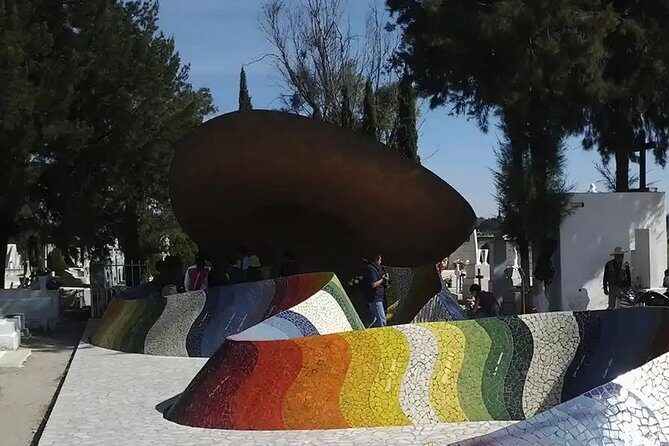
Another listed stop focuses on a very specific target: the most picturesque tomb in Guanajuato, remembering Mexican music singer José Alfredo Jiménez. This is a fun counterweight to the heavier independence theme.
It’s also a useful reminder that Mexican history isn’t only taught through textbooks. Music and memory live in physical places, too. You get a moment where identity shows up through art that many people know—then you see how that fame and emotion are marked on the ground.
If you like music history, you’ll appreciate this stop. If you don’t, it’s still quick and visual, and it breaks the day into a more human, emotional chapter rather than only political and religious scenes.
How the guide style affects the whole day
This tour runs with a professional bilingual guide (English–Spanish), and the difference is noticeable. When you’re dealing with independence references and art-filled sanctuaries, translation alone isn’t enough—you need someone to tie details together in a way that makes sense.
In past experiences with guides like Antonio, the independence sites and museums were handled with clear local knowledge, and the day included time for added interests like antiques. Another guide, Victor, managed the route and order of stops smoothly, including the transfer portions of the day.
You don’t need to be a “history person” to benefit. A good guide makes you feel comfortable asking questions, and with a max group size of 15, the pace stays workable.
What to bring for a comfortable 6–7 hour day
Because you’re moving between town and sanctuary, think practical. You’ll likely be walking on uneven surfaces at times and standing for explanations.
Bring:
- Comfortable walking shoes
- Water (food and drinks aren’t included)
- A light layer (sanctuary spaces and shade can change your comfort)
- A small bag for your phone, tickets, and any purchases
You’ll receive a mobile ticket, which is convenient. Still, take a screenshot or plan to have the confirmation accessible offline in case cell signal is weak.
Who this tour is best for (and who should think twice)
This is a strong fit if you want:
- A guided day around San Miguel de Allende that covers more than one “big name” destination
- Independence history tied to real places
- Art-forward time at Atotonilco with enough guide context to make it click
- A small group experience (max 15) that doesn’t feel chaotic
It may be less ideal if:
- You hate craft-shopping stops and prefer zero shopping
- You want a very long free roam time in one town only
- You’re the type who gets impatient with stops that include explanations and slower pacing
Also consider the price. If you’re comparing with other nearby excursions, this one can feel higher. The difference is that here you’re buying guided context plus a smooth transportation plan plus Atotonilco admission listed as free.
Should you book Magical town Dolores Hidalgo and Sanctuary of Atotonilco?
I’d book it if you want a meaningful day with less hassle. The mix—independence setting, art-heavy sanctuary time, and a real town center with Pueblo Mágico flavor—hits several interests at once. The small group size and hotel-area pickup help the day feel efficient rather than exhausting.
I would pause before booking if shopping stops make you uneasy or if you’re trying to squeeze value out of a very budget-focused schedule. But if you’re open to browsing Talavera and you like tours that explain what you’re seeing, this is the kind of day that stays with you.
FAQ
What is the duration of the tour?
The tour runs about 6 to 7 hours.
What time does the tour start?
The start time is 10:00 am.
Where is the meeting point?
You’ll start at Zona Centro, San Miguel de Allende, Gto., Mexico.
Is hotel pickup included?
Pickup is available from hotels located in the center of San Miguel de Allende.
How large is the group?
The tour has a maximum of 15 travelers.
Is the tour offered in English?
Yes, it’s offered in English (with bilingual English–Spanish guide support).
Is admission included for Atotonilco?
Atotonilco admission is listed as free for this activity.
Are food and drinks included?
No. Food and drinks aren’t included.
What kind of ticket do I receive?
You’ll receive a mobile ticket.
Can I cancel for a full refund?
Yes, you can cancel for a full refund if you cancel at least 24 hours before the experience start time.