REVIEW · MEXICO CITY
Learn to Cook Mexican Bread
Book on Viator →Operated by Mexican Salsas · Bookable on Viator
Day of the Dead bread, hands-on. What I like most is the full craft of Pan de Muerto from scratch, and the way your hot chocolate with cacao shows up as part of the experience, not an afterthought. The only real drawback to plan around is that it is not gluten free.
You’ll meet at Parroquia San Gabriel Arcángel in Tacuba, a neighborhood steeped in layers older than Spanish-era Mexico. This class also has a friendly teaching vibe—people mention hosts like Veronica and Natalia making it feel easy to ask questions and actually learn. With a max group size of 10, you get attention instead of standing on the sidelines.
If you’re short on time or food-adventurous, this is a smart pick: you spend about 3 hours making something you can share (and eat) right away. Just note that the experience requires good weather, so you’ll want a flexible plan for your day.
In This Review
- Key things I’d watch for
- Pan de Muerto in Mexico City: why this class is a great entry point
- Finding your place to start: Parroquia San Gabriel Arcángel in Tacuba
- What actually happens in the 3-hour cooking session
- From ingredients to kneading: the breadmaking skills you’ll walk away with
- Orange and anise: how the flavors and symbolism work together
- The high-cacao hot chocolate pairing (and how to enjoy it)
- What you take home, and how to use the recipes
- Value check: is $65 for 3 hours a good deal
- Group size, teaching style, and why small groups matter
- Who should book this class, and who might want a different plan
- Quick tips so your Pan de Muerto comes out great
- Should you book Learn to Cook Mexican Bread in Mexico City?
- FAQ
- How long is the Learn to Cook Mexican Bread experience?
- Where do I meet for the class?
- Is this experience gluten free?
- What’s included in the price?
- Can I take the bread home?
- Is the class limited to a certain number of people?
Key things I’d watch for
- Meet at Parroquia San Gabriel Arcángel in Tacuba for instant local context
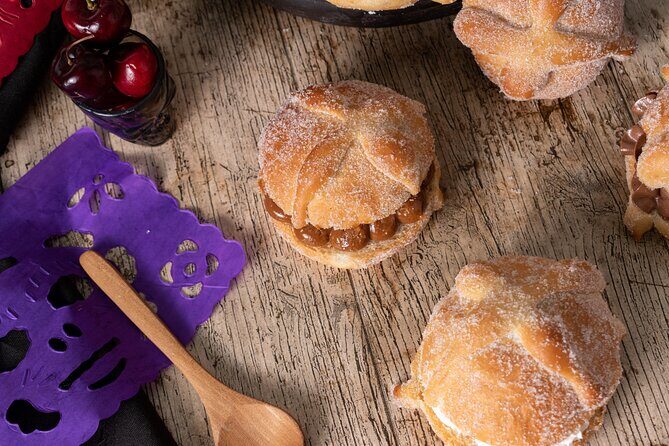
- Hands-on breadmaking: knead, shape, and bake your own Pan de Muerto
- Orange and anise flavors with symbolic bone-shaped decoration work
- High-cacao hot chocolate pairing to match the bread right
- Optional filled Pan de Muerto if you want a surprise inside
- Not gluten free, so it’s not a fit for coeliac or strict gluten-free needs
Pan de Muerto in Mexico City: why this class is a great entry point

If Mexico City has one superpower, it’s taking everyday life seriously, especially food. Pan de Muerto is a perfect example. You’re not learning bread “as a hobby.” You’re learning a celebratory food that carries meaning, smell, and tradition—then turning that knowledge into something you can actually bake again later.
I also like that this class is straightforward. You’re not just watching someone do magic with dough. You learn the basics—selecting ingredients, kneading, shaping—and you apply it while the process is still fresh and understandable. That’s the difference between a nice snack and a real skill you’ll use.
And yes, the flavor profile matters. Pan de Muerto is known for its sweet, aromatic character, with orange and anise front and center. If you’ve ever wondered why some versions taste both cozy and celebratory, this is where you get the answer with your hands on the work.
You can also read our reviews of more tours and experiences in Mexico City.

Finding your place to start: Parroquia San Gabriel Arcángel in Tacuba
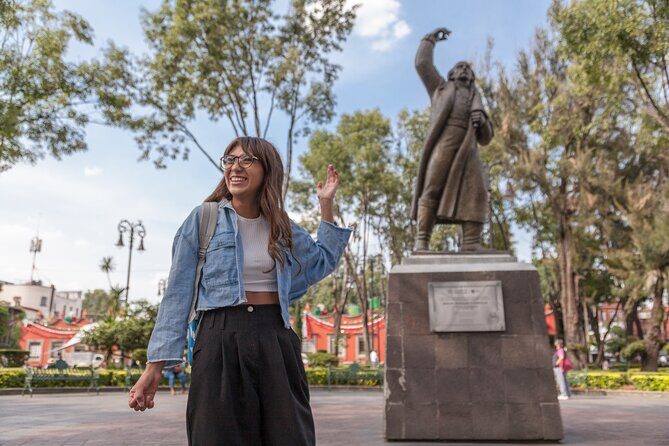
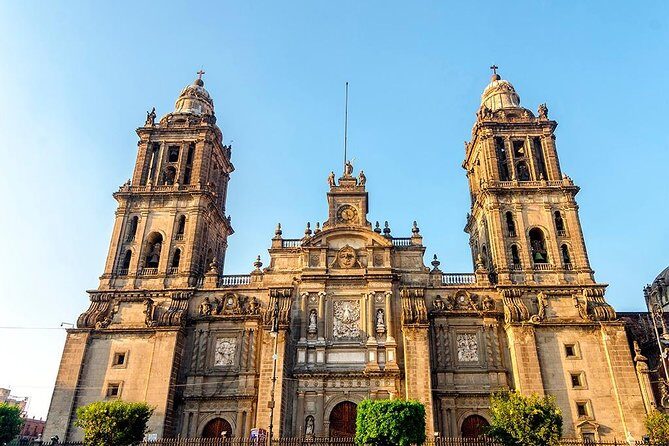
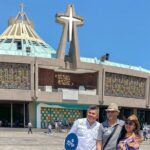
Your class begins at Parroquia San Gabriel Arcángel, Calz México-Tacuba S/N, Tacuba, Miguel Hidalgo. It’s right in the heart of Tacuba, a neighborhood with deep roots and long layers of history. Even if you don’t go “full museum mode,” meeting at a centuries-old church gives the day a sense of place fast.
It’s also practical. The meeting point is near public transportation, so you’re not forced into a taxi sprint. And because this is a small class (up to 10), you’re likely to have an easier time meeting up, checking in, and getting comfortable right away.
One more smart detail: some sessions can be held in more than one language simultaneously. That matters in Mexico City, where a mixed group can otherwise feel stuck waiting for translations. If you’re booking, choose the language option that fits you best so you can follow every step without guessing.
What actually happens in the 3-hour cooking session
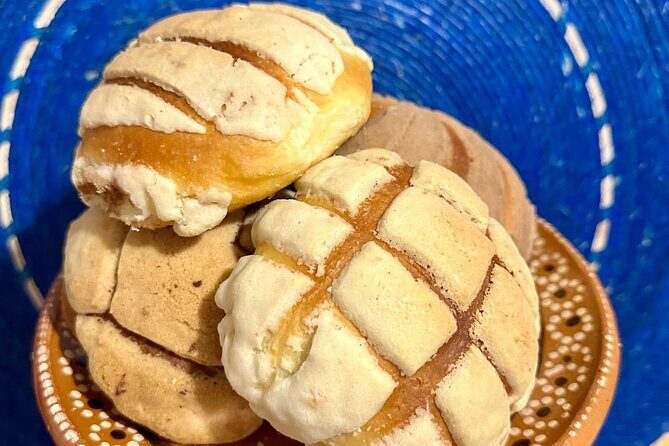
You should plan for roughly 3 hours total. That’s enough time to go beyond the “show and tell” stage, and it also means you won’t burn your whole day just to learn one bread.
Here’s the flow you’ll feel while it’s happening:
First, you get set up with the cooking equipment and the ingredients you’ll work with. Then you move into making the dough from scratch—learning how the dough should feel as you knead. You’ll also work on shaping, including the signature bone-like decoration that makes Pan de Muerto recognizable at a glance.
As the baking part comes together, you’ll be focused on two things: timing and technique. Even if you’ve never baked bread before, the class is designed to guide you through the steps so your dough doesn’t stay a mystery.
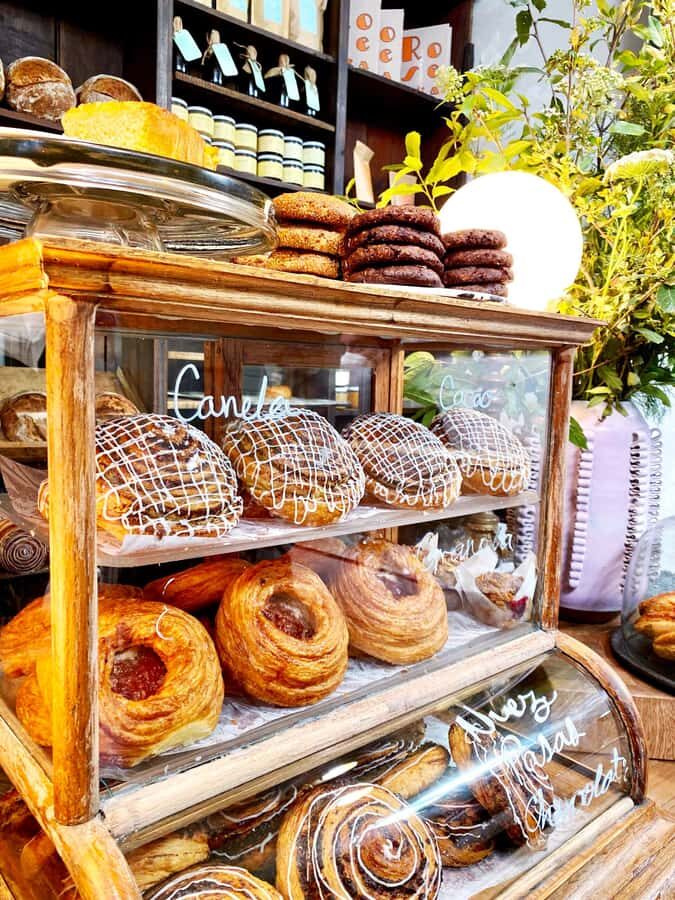
You’ll also get samples during the experience, including Pan de muerto and Pan de muerto filled (optional). So even before your final loaf is ready, you’re tasting your way through what you’re making.
Finally, you leave with your own beautifully crafted Pan de Muerto to take home, plus recipes so you can recreate it later without relying on memory.
From ingredients to kneading: the breadmaking skills you’ll walk away with
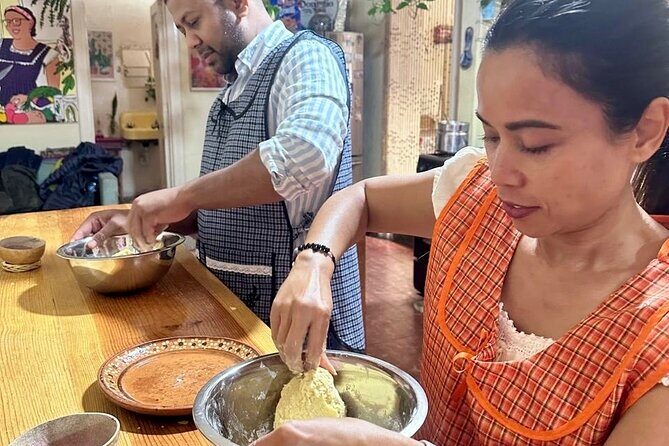
What makes this class useful is that it teaches bread the way people actually bake it: step by step, with tactile feedback. You’ll learn how to choose the right ingredients, then how to combine them into a dough that behaves.
Kneading is a big part of that. If you’ve ever tried bread at home, you know the “it looks right” stage can be misleading. Kneading is where texture starts to make sense—when the dough firms up, smooths out, and becomes elastic enough to shape. This is the sort of skill that’s hard to learn from a cookbook alone.
Shaping is the next skill—and it’s where the fun shows up. Pan de Muerto isn’t only about flavor. It’s also about the look. You’ll practice forming it and adding the symbolic elements, including the bone-shaped decoration.
Then baking ties everything together. Even though the exact oven timing isn’t spelled out in the info you have, the structure of the class is clear: you learn the craft basics in sequence, and you end with a finished bread you take home.
And because equipment and recipes are included, you aren’t scrambling for supplies after. You’ll have a clear “next time” plan.
Orange and anise: how the flavors and symbolism work together
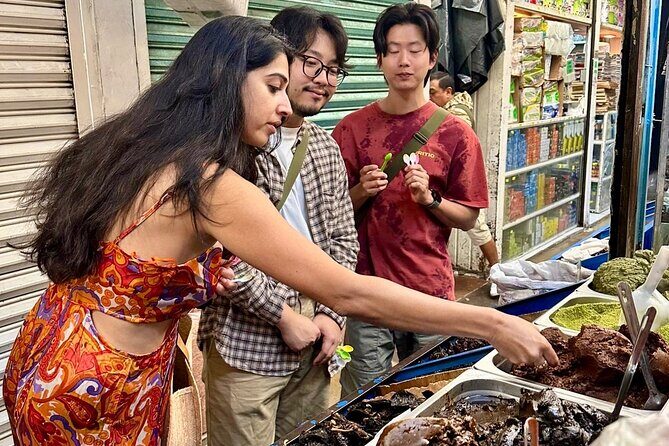
This bread isn’t plain sweet bread. It’s aromatic sweet bread with orange and anise character. In class, you’ll understand those flavors as part of a whole design, not random add-ons.
Orange adds a bright, fragrant sweetness that keeps the bread from tasting heavy. Anise brings a distinctive warmth—sometimes people expect it to be only spicy or licorice-like, but in Pan de Muerto it usually reads more as cozy and celebratory.
Then there’s the symbolic side: the bone-shaped decorations and the way Pan de Muerto visually signals the occasion. You’re learning how those elements are part of the tradition. That means when you bake again at home, you’re not just copying a look—you’re reproducing the idea.
If you enjoy cultural food with a meaning behind it, this is one of the better ways to learn. You get both the “how” and the “why,” without turning the lesson into a lecture.



The high-cacao hot chocolate pairing (and how to enjoy it)
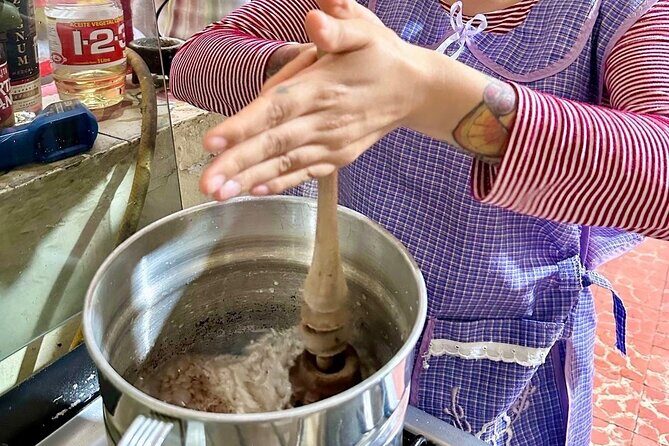
A lot of cooking classes give you a drink. This one builds a pairing. You’ll prepare a rich, high-cacao hot chocolate to go with your freshly baked Pan de Muerto.
That matters because it changes how you experience the bread. Cacao adds deep chocolate bitterness and warmth, which helps balance the sweet orange and aromatic anise. The result is a combination that feels designed, not accidental.
It also makes the practical side easier. If you’re thinking about repeating this at home, hot chocolate is an accessible match. You can plan a Day of the Dead-style snack even if you don’t want to go all-in on serving formats.
Since cacao is mentioned explicitly, you know this isn’t a watered-down cocoa situation. It’s meant to taste like something real.
What you take home, and how to use the recipes
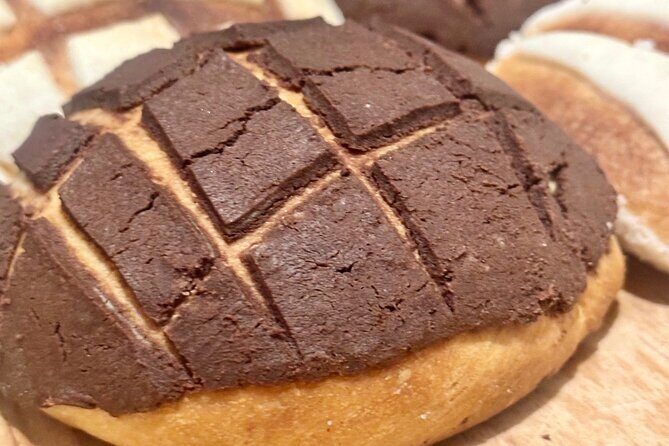
You’ll take home your own Pan de Muerto. That’s a big plus for value, because you’re not leaving with only a story and photos.
You also get recipes included. That makes the class more than a one-time experience. Bread baking can be temperamental, and having the recipe means you can adjust based on what you learned about dough texture and shaping rather than starting from scratch.
There’s also an optional path if you choose Pan de muerto filled. That’s useful if you like variety. A filled version turns the class into something more like a “mini project,” where you can still practice the same core skills and add a twist.
One more practical thought: if you plan to travel right after class, consider how you’ll transport a baked loaf. You’ll want a plan for keeping it intact and presentable on the way back to your place.
Value check: is $65 for 3 hours a good deal
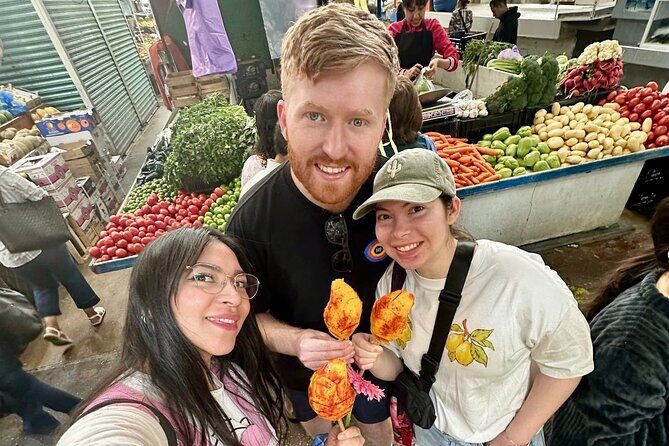
$65 per person can feel like a lot at first glance. The real question is what you get for it—and here, the output is tangible.
You’re paying for:
- hands-on instruction (knead, shape, decorate, bake)
- equipment and ingredients included
- recipe handouts so you can repeat it
- snacks during the experience, including Pan de muerto and optional filled version
- high-cacao hot chocolate you prepare
- a finished Pan de Muerto you take home
When you add it up, this is less like paying for a tasting and more like paying for a guided cooking skill plus a full baked product. That’s generally where cooking classes earn their worth.
Also, you’re not just buying into an activity. The info says booking this experience supports local commerce. That matters in Mexico City, where you’ll often get better learning when you’re spending directly with local operators rather than only through major intermediaries.
Finally, the average booking pace is about 17 days in advance. That’s a sign people plan for it, which usually means it’s a popular and well-run option.
Group size, teaching style, and why small groups matter
With a maximum of 10 travelers, the class should feel manageable. Small groups let you ask questions without raising your voice across the kitchen. It also keeps the pace from feeling rushed—important when you’re kneading dough and shaping decorations.
The reviews highlight a warm teaching approach. People mention hosts like Veronica and Natalia creating a friendly atmosphere where demonstrating each step makes sense. In real kitchens, the best teachers do two things well: they explain what to do and they show what it should look like as you go.
You also get a bit of cultural interaction simply by being in the space and working alongside the instructor. That’s not “extra.” It’s part of why a local food class works better than a typical tour.
Who should book this class, and who might want a different plan
This is a strong fit if you:
- want a hands-on introduction to Mexican bread culture
- like learning food with symbolism, not just recipes
- enjoy baking basics and want a repeatable skill
- want a small-group class in Mexico City that still feels meaningful
It might not be the best fit if you:
- need gluten-free food (not gluten free)
- dislike working in a group kitchen setting
- have a very inflexible schedule, since good weather is required and the experience can be adjusted if weather doesn’t cooperate
If you’re traveling solo, you can still enjoy this because the group is small and the instruction is structured. If you’re traveling with friends, it’s also a good choice for splitting laughs over messy dough and comparing how each bone decoration turned out.
Quick tips so your Pan de Muerto comes out great
A few practical things will help you get the best results without overthinking it.
- Go in with a curious attitude about texture. Bread teaches you through feel, not vibes.
- If you’re choosing optional filled Pan de muerto, be ready for the extra shaping or filling step that comes with that choice.
- Wear comfortable clothing. Kneading and shaping can be messier than you expect.
- Plan your day around the weather requirement. If you’re visiting Mexico City and you’re used to forecast swings, keep your schedule loose.
- Since private transportation is not included, decide how you’ll get to Tacuba in advance.
Also, if you’re booking close to your travel time, confirmation details say you’ll receive it at booking time unless you book within about an hour of travel, in which case confirmation comes as soon as possible subject to availability.
Should you book Learn to Cook Mexican Bread in Mexico City?
Yes, I’d book it if you want an authentic, skill-focused way into Mexican cuisine. The value is strong because you’re not just tasting. You’re learning to make Pan de Muerto and taking one home, plus you get recipes and high-cacao hot chocolate as a real pairing.
Skip it only if gluten-free is a must, or if you can’t handle small-group kitchen logistics. Otherwise, this is exactly the kind of experience that makes Mexico City feel personal: you leave with a bread that smells like celebration and a technique you can reuse for your next holiday table.
FAQ
How long is the Learn to Cook Mexican Bread experience?
It lasts about 3 hours.
Where do I meet for the class?
You meet at Parroquia San Gabriel Arcángel, Calz México-Tacuba S/N, Tacuba, Miguel Hidalgo, 11490 Ciudad de México, CDMX, Mexico.
Is this experience gluten free?
No. It is not gluten free.
What’s included in the price?
Cooking equipment, snacks (Pan de muerto, Pan de muerto filled optional), chocolate with cacao, and recipes.
Can I take the bread home?
Yes. You’ll have your own Pan de Muerto to take home.
Is the class limited to a certain number of people?
Yes. The maximum group size is 10 travelers.