REVIEW · MEXICO CITY
La Catrina & Muralism: Diego Rivera’s Legacy & Frida Kahlo
Book on Viator →Operated by Estación México · Bookable on Viator
Murals turn a walk into a story. This guided route links Diego Rivera’s world to La Catrina imagery, with stops inside major mural-focused sites and museums across Mexico City. You’ll start near the Former College of San Ildefonso and finish close to Palacio de Bellas Artes, so the day doesn’t feel like a commute with no payoff.
I love two things most: you get museum admission tickets built into the experience, and the guide’s storytelling makes the art feel personal (I especially enjoyed how guides like Addy and Sofia frame symbolism so it’s easy to follow). One possible drawback: this is mostly standing, and the schedule can run longer than the headline time—so plan for it and bring water.
In This Review
- Key highlights to look for
- Rivera, Kahlo, and La Catrina: why this tour works
- First stop: Antiguo Colegio de San Ildefonso and the Rivera–Kahlo origin story
- What to watch for
- Museo Vivo del Muralismo: why courtyards and levels matter
- Possible drawback at this stop
- Museo Mural Diego Rivera: La Catrina and Día de Muertos symbolism
- The value of this stop for you
- Palacio de Bellas Artes: where Rivera’s controversy lands
- After the tour, plan for wandering
- How the guide turns murals into meaning (not just photos)
- Flexibility to keep in mind
- Price and value: is $66.14 a good deal?
- Timing, walking, and what to bring
- Where this fits best in your Mexico City plan
- Should you book the La Catrina & Muralism tour?
- FAQ
- How long is the tour?
- Is the tour offered in English?
- Are museum admission tickets included?
- Are food and drinks included?
- Where do I meet and where does it end?
- What is the cancellation policy?
Key highlights to look for
- Rivera meets Kahlo context at Antiguo Colegio de San Ildefonso, where their love story is part of the setup
- A mural “inside experience” at Museo Vivo del Muralismo with multiple levels and courtyards that change how you see the art
- La Catrina + Día de Muertos symbolism centered in a dedicated Diego Rivera mural stop
- Palacio de Bellas Artes as a finish line with Rivera’s most controversial work in the United States, preserved for you to see
- Small group pacing (up to 12) that helps you ask questions and actually connect with the meaning behind the walls
Rivera, Kahlo, and La Catrina: why this tour works
If your mental picture of Mexican muralism is just big paintings on big walls, this tour nudges you past that. It treats mural art like a public language—one that mixes art, identity, politics, and everyday life. And because the route is organized around a few strong anchors—Rivera’s story, the mural movement, and Día de Muertos imagery—you don’t have to memorize anything to understand what you’re looking at.
You also get a tour design that makes sense for a first-time Mexico City visitor. It’s concentrated in central areas, with a start point near San Ildefonso and an end point near Bellas Artes. That means you can roll right into other sights afterward without spending your afternoon crisscrossing the city.
You can also read our reviews of more tours and experiences in Mexico City.


First stop: Antiguo Colegio de San Ildefonso and the Rivera–Kahlo origin story
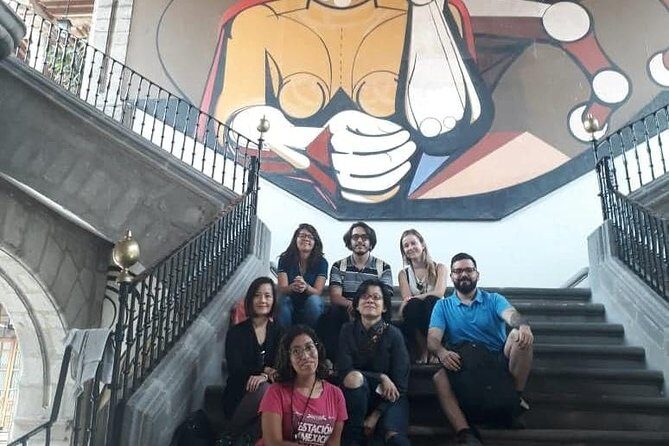
You begin at the Antiguo Colegio de San Ildefonso area (Justo Sierra 16, Centro Histórico). This is a smart opening move because it places Diego Rivera at the center of the story right away, and it doesn’t treat Frida Kahlo as an afterthought. The setting is framed as a place where their love story took shape, which gives you an emotional lens before you even move into the murals.
What I like here is the rhythm: a short, focused introduction, then you’re off. In practical terms, it helps you stop trying to “figure it out” on the fly once you’re standing in front of the art. The guide’s job in this first stop is basically to hand you a few keys—then the buildings and murals start doing the talking.
What to watch for
Because the stop is relatively brief, arrive with an open attention span. Ask one question early if you’re the type who needs context before you absorb details. Many guides—like Addy, based on her reputation—are quick with clear explanations and follow-ups.
Museo Vivo del Muralismo: why courtyards and levels matter
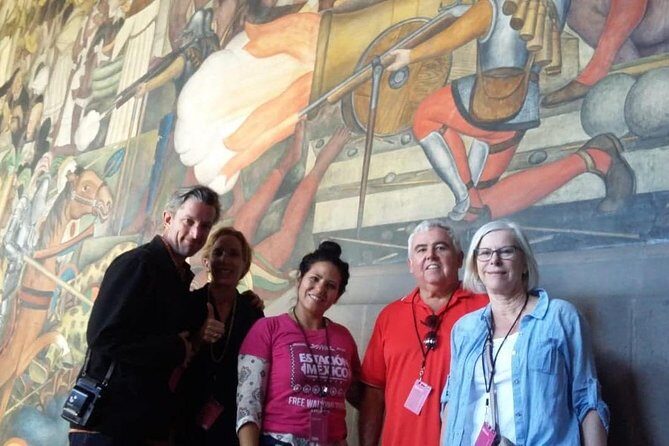
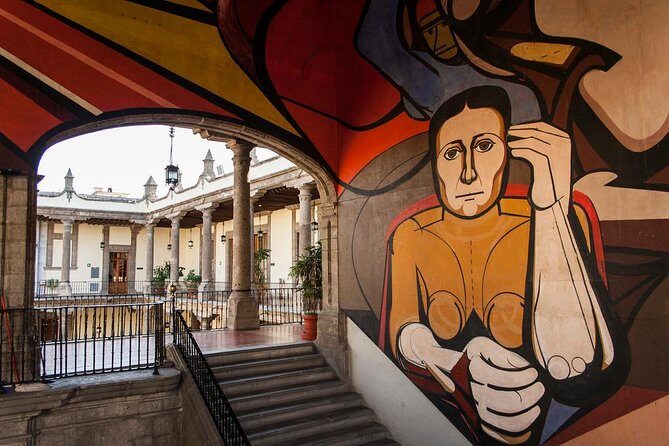
Next you head to Museo Vivo del Muralismo. This stop isn’t just about seeing murals—it’s about seeing how the building changes your view. With two courtyards and three levels, the space forces you to look up and look around, not only straight ahead.
That matters because muralism is about scale and placement. A mural doesn’t behave the same way depending on whether you’re seeing it from a corridor, a courtyard edge, or a higher level. Even if you don’t think about it consciously, your body notices the difference: you pause longer, you look from angles you wouldn’t pick on your own, and the story starts to feel like part of the architecture.
Possible drawback at this stop
This is a walking tour with museum time inside. If you’re hoping for a sit-down, slow-paced museum experience, adjust your expectations. Plan to keep moving, and treat each stop like a guided viewing session rather than a long exhibit.



Museo Mural Diego Rivera: La Catrina and Día de Muertos symbolism
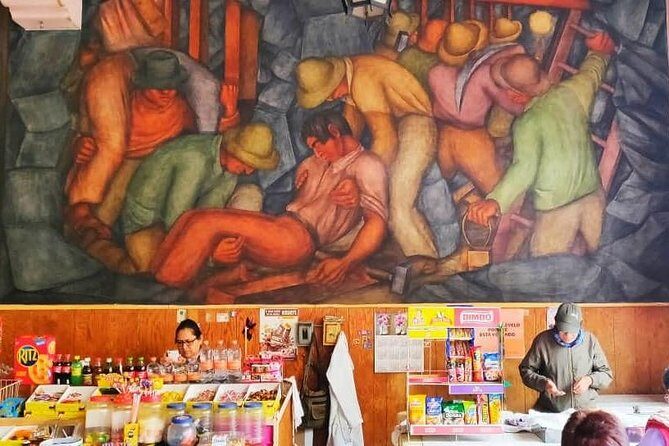
Then the tour centers on a dedicated Diego Rivera mural stop—Museo Mural Diego Rivera—where you’ll get to admire one of the most famous and representative works of Mexican muralism. This is the moment where Día de Muertos and the iconic figure of La Catrina are woven into what you see.
This is also where the tour’s theme stops being abstract. Día de Muertos isn’t just decoration in this context; it’s part of how the art communicates meaning. And La Catrina, as an image tied to that world, gives you a visual anchor you can recognize even if you’re new to Mexican art history.
The value of this stop for you
If you’re short on time in Mexico City (or if you’re juggling several art options), this stop is a strong payoff. You’ll feel like the tour is progressing toward a “why it matters” finale, not just collecting random mural walls.
Also, because the mural is described as representative of Mexican muralism, it helps you understand what makes the movement distinct—its public voice, its storytelling through symbolism, and how it connects to national identity.
Palacio de Bellas Artes: where Rivera’s controversy lands
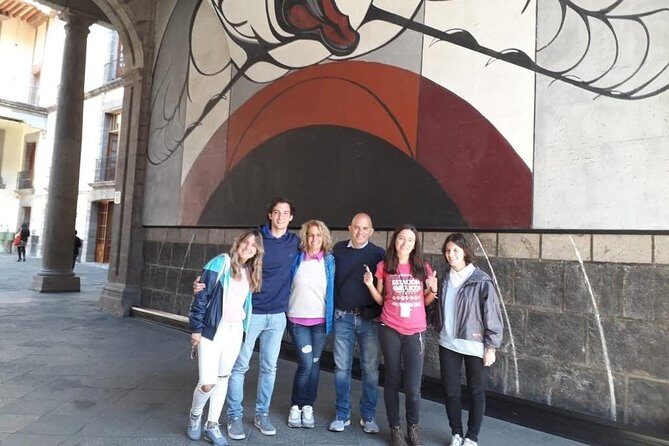
The tour wraps at Palacio de Bellas Artes, one of Mexico City’s most important cultural venues. This ending is practical because it places you right where you’ll likely want to spend more time anyway.
But it’s also thematically perfect. You’ll see Rivera’s most controversial mural created in the United States—preserved so you can view it in Mexico City. That framing adds tension and depth to the earlier stops. You’re not only learning about what muralism looked like; you’re learning that mural art could stir debate, land differently depending on where it’s viewed, and still endure.
After the tour, plan for wandering
Since the tour ends near Bellas Artes, you’ll have an easy time turning this into a longer art afternoon. If you like to browse on foot after a guided experience, this is a good place to do it because you can naturally transition into nearby sights and cafes.
How the guide turns murals into meaning (not just photos)
A big part of the appeal here is the guide. This isn’t an audio-guide situation. The tour is built around one-language guiding and storytelling, and the group size stays small (maximum 12). That combination matters because mural interpretation works best when you can ask questions and get straight answers.
From guide examples shared by past participants, you’ll likely get different personalities—but a consistent goal: help you read symbols, understand the artists’ motivations, and connect the murals to the wider social story. People have praised guides like Ulysses and Wariyor/Guerrero for being passionate and for showing murals and public art that you’d struggle to spot alone.
If you enjoy art explanations, you’ll probably love how the tour keeps context tight. One reason people end up recommending it is that you don’t just look—you start understanding what you’re seeing. And that changes what you notice afterward as you stroll the city.
Flexibility to keep in mind
Some guides have shown flexibility if timing gets tight. If you’re worried about missing the last stop or you want one extra look, it’s worth asking your guide what they can do within the tour flow.
Price and value: is $66.14 a good deal?
At $66.14 per person, this is priced like a focused, ticketed museum-and-walking experience—not like a generic “see some walls” stroll. The value comes from a few things working together:
- Museum admissions are included for the stops you visit
- You also get public transportation used during the route
- The guide provides one-language interpretation, which is often the difference between appreciating murals and truly reading them
- The group stays small enough that you’re not lost in a huge crowd
In other words, you’re paying for structure. If you tried to recreate this on your own, you’d spend time figuring out which sites actually match the theme, then you’d still need someone to explain what to look for—especially with symbolism like La Catrina and Día de Muertos.
Timing, walking, and what to bring
The tour is listed at about 2 hours 30 minutes, but you should mentally prepare for it to run longer. Some departures have gone well past the headline time, and the pacing is described as active, with no built-in sit-down breaks called out in the experience.
Here’s how I’d plan it so you’re comfortable:
- Bring water even if the stops are inside buildings
- Consider a small snack since food and drinks are not included
- Wear shoes you can walk in for a while; you’ll be moving between central locations and viewing art up close
- Keep your schedule light afterward if you want extra time around Bellas Artes
If you’re traveling with kids, this can still work, but bring patience. The content is more history-and-art focused than entertainment-only. The good news is that guides often respond well to questions, so you can steer the explanation toward what your group cares about.
Where this fits best in your Mexico City plan
This tour is a great match if:
- You want a guided introduction to Mexican muralism without spending all day
- You care about how art connects to identity and the social story
- You want a route that uses museums as anchor points, not random street corners
- You’re the type who learns more from interpretation than from just taking pictures
It’s less ideal if you want a low-effort, mostly seated activity. This is active and centered on viewing through walking and changing viewpoints.
Should you book the La Catrina & Muralism tour?
Book it if you want your Mexico City art time to feel organized and meaningful. The combination of Rivera-focused storytelling, a dedicated La Catrina/Día de Muertos mural experience, and a strong finishing stop at Palacio de Bellas Artes is exactly the kind of route that saves you time and boosts understanding.
Skip it or adjust your expectations if you’re sensitive to extended standing/walking or you hate tours that don’t include time for snacks and drinks. In that case, still consider it—but plan with water and a light snack so you’re not counting minutes.
FAQ
How long is the tour?
The tour runs about 2 hours 30 minutes approximately, though the overall experience may take longer in practice.
Is the tour offered in English?
Yes. The tour is offered in English.
Are museum admission tickets included?
Yes. Tickets for the museums are included in the price.
Are food and drinks included?
No. Food and drinks are not included, so plan to bring something for yourself.
Where do I meet and where does it end?
You meet at the Former College of San Ildefonso at Justo Sierra 16 in Centro Histórico, and the tour ends near Palacio de Bellas Artes at Av. Juarez S/N, Centro Histórico.
What is the cancellation policy?
You can cancel for free up to 24 hours in advance for a full refund. If you cancel within 24 hours of the start time, you don’t get a refund.