REVIEW · MEXICO CITY
Iztapalapa: Cable Car Tour and Urban Art From the Heights
Book on GetYourGuide →Operated by KactusMX · Bookable on GetYourGuide
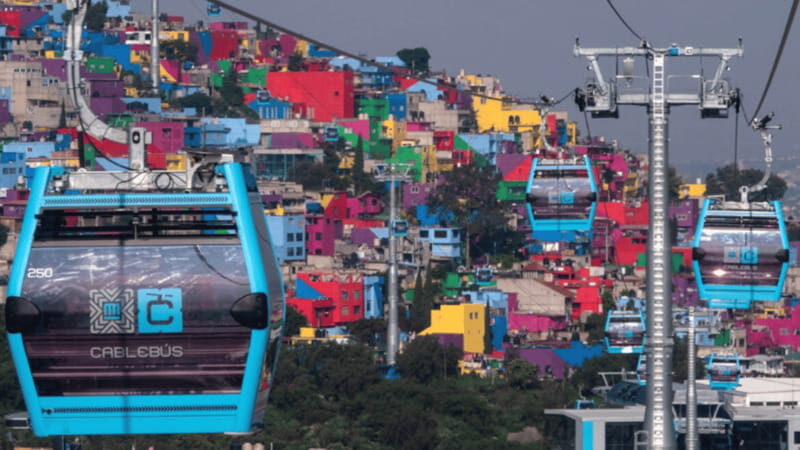
Iztapalapa looks different from above. This tour turns the Cablebús ride into a front-row seat for Iztapalapa’s murals and rooftops, with big views you simply can’t get at street level. It’s a clever way to see how the city connects people, not just famous monuments.
I love that the day is built around real transportation. You’ll learn how to use the metro so you’re not guessing later, and guides like Eduardo, Benjamin, and Oscar are praised for making the system feel doable.
One drawback to weigh: if you’re prone to motion sickness, you’ll still be in a cable car for a chunk of time. Also, the tour has clear dress and item rules (no sunglasses, no shorts, no sandals), so you’ll want to plan what you wear.
In This Review
- Quick highlights I’d plan around
- Why Iztapalapa From the Cablebús Makes the City Click
- Meeting at Bellas Artes: The Spot That Saves Time
- The Metro Ride: Learning Transit Without Guesswork
- Cablebús Over Iztapalapa: Murals, Rooftops, and Scale From Above
- The Park Stop With Volcano Views: Where the Story Lands
- History and Community Stories: Beyond the Sightseeing Layer
- Photo Stops and Scenic Moments: Build Your Memory, Not a Checklist
- Tortilla-Making and Snack Stops: Food That Explains the Culture
- Timing and the 4-Hour Flow: What It Feels Like in Real Life
- Small Group Size: Why Max 9 Matters
- What to Bring and Wear (So You Don’t Get Stuck)
- Price and Value: Is $24 Worth It?
- Should You Book This Cablebús and Urban Art Tour?
- FAQ
- How long is the tour?
- Where do I meet the guide?
- What’s the price per person?
- What’s included in the tour price?
- Do I need to pay for food or drinks?
- What languages are the guides?
- Is the group size small?
- Is there a lot of walking?
- What should I bring?
- Is free cancellation available?
Quick highlights I’d plan around
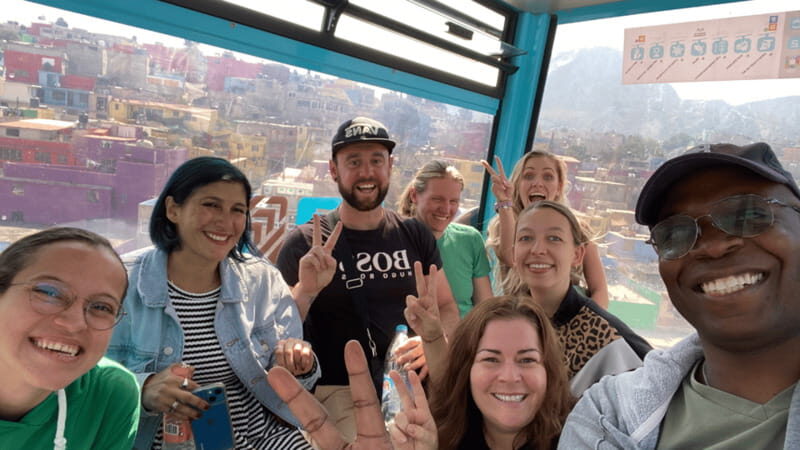
- Cablebús over Iztapalapa for a long, high-angle look at neighborhoods most visitors miss
- Murals seen from rooftops that make the art’s scale and placement click
- Metro confidence fast so you can move around CDMX on your own after
- A park viewpoint with distant city views and volcano sightlines
- Food with meaning via a tortilla-making activity and local snack options with cash
- Small group size (max 9) for easier questions and staying together
Why Iztapalapa From the Cablebús Makes the City Click
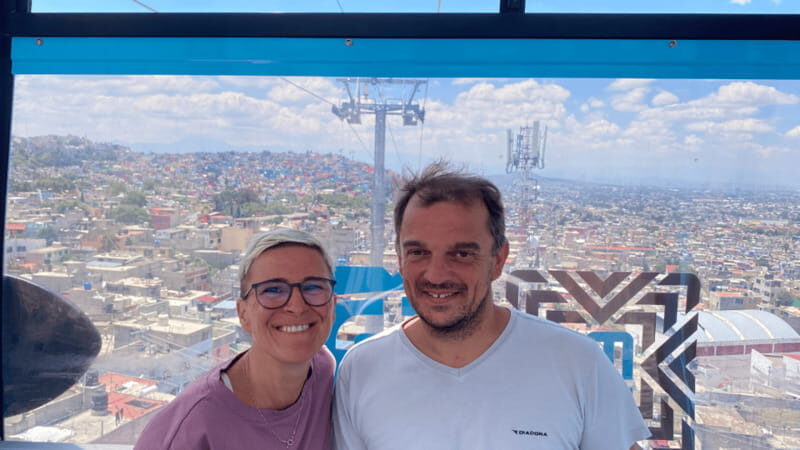
Mexico City can feel huge and confusing, especially if you’re trying to “tour” it like a museum. This experience flips the script: instead of walking a route, you ride above the neighborhood and let the geography explain the story.
From the cable car, you get a better sense of how people live, commute, and build community in a densely packed area. You’ll also see how large-scale public art (murals on high surfaces) becomes part of daily life—not just decoration for visitors.
You can also read our reviews of more tours and experiences in Mexico City.


Meeting at Bellas Artes: The Spot That Saves Time
You’ll meet at the Parisian entrance of the Bellas Artes subway, on the left side of the palace. Look for a guide wearing a green shirt and an umbrella.
This matters more than you’d think. Several participants noted it can be easy to miss a meet-up if you’re hunting in the wrong entrance area, so take a minute to orient yourself first.
The Metro Ride: Learning Transit Without Guesswork
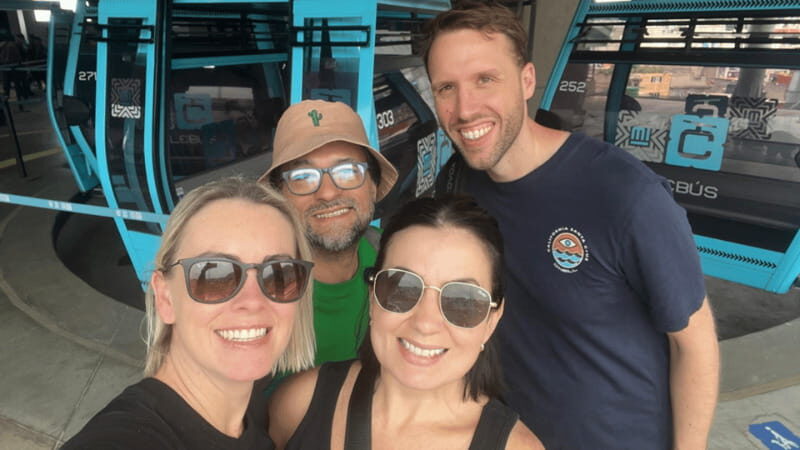
The tour starts with metro time, about 45 minutes. Even if you’ve used transit before, the CDMX metro network can still be intimidating at first—signs, connections, and crowds.
What makes this step valuable is not just the ride itself. Guides such as Eduardo and Benjamin are specifically praised for helping people understand how to use the subway system safely and efficiently, so you can repeat the route later without feeling lost.
If you’re traveling solo or you don’t want to spend your first day in Mexico City figuring out stations, this is a big win.
Cablebús Over Iztapalapa: Murals, Rooftops, and Scale From Above
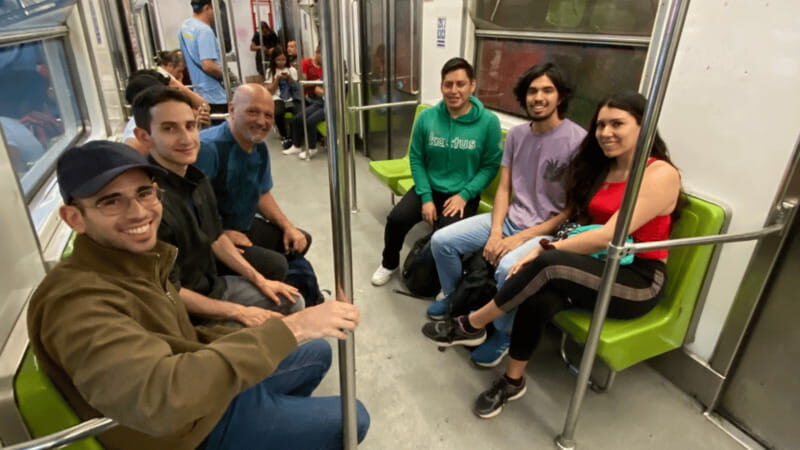
Next comes the main show: the cable car segment (about 40 minutes). This line is often described as the longest cable car in the world, and it feels that long when you’re quietly watching the neighborhood slide beneath you.
From up high, Iztapalapa’s layout reads differently. Streets and buildings turn into a kind of grid—then the grid breaks into real-life complexity. You can spot clusters of rooftops, community spaces, and the positioning of murals in a way that street-level photos just can’t match.
And yes, the murals are a major reason to go. The view turns the art into context: you see why it’s placed where it is, how it faces the paths people take, and how big the artworks are when you’re looking at them from the air.
The Park Stop With Volcano Views: Where the Story Lands
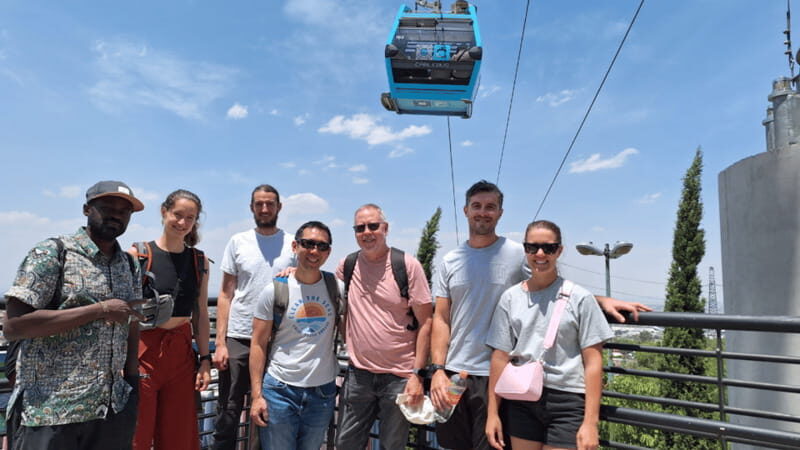
There’s also a stop at a local park. This is where the tour slows down and turns the view into explanation.
From the park area, you can look out toward the city and, on clearer days, see volcanoes in the distance. It’s a smart pause point. You’ve been looking down and around from above; now you get a broader sense of Mexico City’s geography and why this part of the city grew the way it did.




History and Community Stories: Beyond the Sightseeing Layer
The guide doesn’t just point at buildings. You’ll hear about Iztapalapa’s history, how the neighborhood has grown, and the challenges it has faced over time.
You’ll also get cultural context through music. The tour highlights local musical rhythms such as cumbia, sonidero, and urban rock, connecting sound to place rather than treating it like background culture.
One reason people love the experience is the care in how it’s explained. Guides like Tomas, Alexia, and Gabi are praised for making the day feel respectful and grounded in local reality, not like a quick “look and leave” stop.
Photo Stops and Scenic Moments: Build Your Memory, Not a Checklist
After the guided time in the area, you’ll have a photo stop (about 15 minutes). Then there are scenic-view moments en route (around 30 minutes), which keeps the pace from turning into a single long ride followed by rushing.
This part is practical. You’ll want at least one set of photos that captures the murals at scale, and another that shows the wider neighborhood view. The tour timing gives you enough breathing room to do both without feeling like you’re racing a clock.
Tortilla-Making and Snack Stops: Food That Explains the Culture
The experience includes a tortilla-making activity. This is more than a food gimmick. Tortillas show up in daily life across Mexico, so making them helps you understand why the simplest foods often carry the deepest cultural weight.
You’ll also be encouraged to bring cash for typical snacks. One note in the tour details even calls out gorditas (15 pesos), which hints at the kind of small, local bites you might be able to grab during the day.
From the way groups talk about the food, a market stop often becomes part of the day’s payoff: people describe fresh tortillas and really satisfying local street food. If you like eating where locals eat, this tour hits that target without making meals feel like the main mission.
Timing and the 4-Hour Flow: What It Feels Like in Real Life
The tour runs about 4 hours, and the structure is simple:
- transit to get you set up
- the cable car as the visual “engine” of the day
- short guided and photo moments on the ground
- transit back to your starting point
Because you’re not doing heavy walking, it can feel easier than typical neighborhood tours. You’re still moving around on public transport, though, so expect a steady rhythm rather than a relaxed roam.
Also plan for weather. You’ll be outside for scenic viewpoints and park time, even if much of the experience is inside the transport.
Small Group Size: Why Max 9 Matters
Small groups (up to 9 participants) change the vibe fast. It’s easier to hear the guide, easier to ask questions, and easier to stay together on metro platforms and at meet-ups.
That’s part of why guide feedback is so strong across the board. People repeatedly mention guides like Benjamin, Eduardo, Oscar, and Gabrielle for keeping the group together while still sharing lots of context.
If you want a tour where you can ask follow-up questions instead of shouting over a crowd, this setup fits.
What to Bring and Wear (So You Don’t Get Stuck)
Bring cash. Even with the included tortilla activity, you’ll likely want snacks, and the tour notes mention using cash for typical bites.
Wear comfortable shoes. This is especially important because even a tour that avoids long walking still involves short waits, standing for views, and metro movement.
The tour’s clothing rules are strict:
- no sunglasses
- no shorts or short skirts
- no sandals or flip-flops
- avoid bright colors (and certain types of hats/accessories)
Also plan for motion. The tour specifically recommends prevention for motion sickness, and it’s not a casual suggestion—there’s a cable car segment where you’re suspended and looking out.
If you have vertigo or altitude sickness concerns, this is not the right bet. The tour is also not suitable for people with respiratory issues, and it flags motion and seasickness-prone travelers.
Price and Value: Is $24 Worth It?
At $24 per person for a 4-hour small-group experience, the value comes from what you’re getting bundled together.
You’re paying for:
- metro and cable car rides
- a public transport card
- a guided explanation (not just “watch the view”)
- tortilla-making
- educational materials
Individually, public transport plus an organized guide plus a hands-on food activity would usually cost more than that. The best value here is the pairing: you’re not only seeing Iztapalapa from above—you’re getting the “why” behind what you’re seeing, including history and culture tied to the neighborhood.
If your goal is to understand Mexico City through daily life and real connections, this price feels fair.
Should You Book This Cablebús and Urban Art Tour?
Book it if:
- you want a non-touristy neighborhood experience without committing to a long walk
- you like urban art and want to see murals in context from an elevated perspective
- you want metro confidence on day one
- you’re curious about how transportation shapes communities
Skip it if:
- you have vertigo, motion sickness, or altitude sickness concerns
- you strongly prefer to control your own schedule and routes without a guided group
- you don’t want to follow clothing and item rules (like no sunglasses, no shorts, and footwear limits)
If you’re on your first visit to Mexico City and you’d rather learn the city by riding through it, not just around it, this is an easy yes.
FAQ
How long is the tour?
It lasts about 4 hours.
Where do I meet the guide?
Meet at the Parisian entrance of the Bellas Artes subway, on the left side of the palace. The guide will be wearing a green shirt and carrying an umbrella.
What’s the price per person?
The price is $24 per person.
What’s included in the tour price?
Included are a public transport card, the cable car and metro ride, tortillas, an expert guide, and educational resources.
Do I need to pay for food or drinks?
Meals and drinks aren’t included. The tour includes tortillas, and you may want cash for snacks. There’s also mention of gorditas costing 15 pesos.
What languages are the guides?
The live guide is available in English and Spanish.
Is the group size small?
Yes. The group is limited to 9 participants.
Is there a lot of walking?
The experience is designed as a tour with limited walking, focusing on riding the cable car and making short stops for guidance, photos, and views.
What should I bring?
Bring comfortable shoes and cash. If you’re prone to motion sickness, bring prevention as recommended.
Is free cancellation available?
Yes, you can cancel up to 24 hours in advance for a full refund.