REVIEW · MEXICO CITY
Iztaccihuatl, Refuge of the 100 (4780m)
Book on Viator →Operated by México Travesías · Bookable on Viator
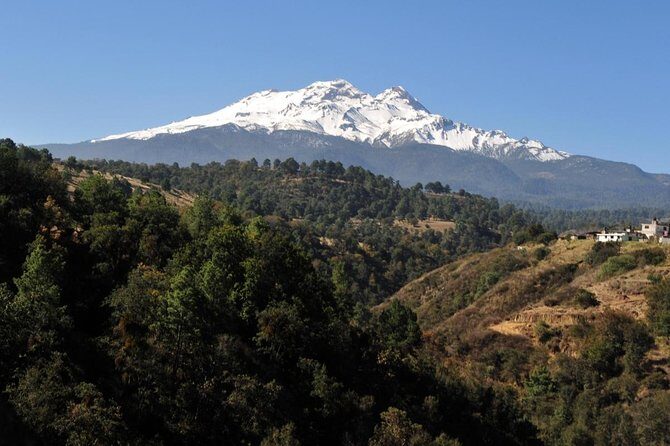
Iztaccihuatl at 4,700 meters feels unreal. This one-day hike takes you up Mexico’s dormant giant to the Refuge of the 100, with guided planning and big-time volcano views along the way. I like that the route is built around clear sightlines to Popocatepetl, plus the wider views toward Puebla and Pico de Orizaba.
Two things I really like: the small group maxes out at 10, and you get round-trip private transfer from Mexico City. You also get lunch and a safety helmet, so you’re not juggling extra stops or missing basic safety gear when the air gets thin.
One consideration: the climb can involve snow or icy footing. A past guest noted crampons could have helped, even though they still managed without them—so plan for slippery conditions in cooler weather and pace yourself.
In This Review
- Quick Hits: Why This Hike Works Well
- A High-Altitude Goal: Refuge of the 100 on Iztaccihuatl
- Getting From Condesa to Izta-Popo National Park Fast
- The Ascent Plan: Popocatepetl, Puebla, and Orizaba Views
- What’s Included (and What That Means for Your Comfort)
- Meet Your Guide, Then Trust the Small-Group Pace
- Altitude Reality: Fitness, Footing, and Weather Dependence
- Price and Value: What You’re Actually Paying For
- Who This Tour Suits Best (and Who Should Skip It)
- Should You Book This Iztaccihuatl Day Hike?
- FAQ
- How high do we hike to reach the Refuge of the 100?
- What’s included in the tour price?
- Is this tour suitable for beginners?
- How big is the group?
- Is the tour available in English?
- What if the weather is poor?
- Can I cancel and get a full refund?
Quick Hits: Why This Hike Works Well
- Small group of 10 keeps the hike feel controlled, not crowded
- Helmet + lunch included, so you’re ready to move and refuel
- Private round-trip transfer from Mexico City removes logistics stress
- Volcano views timed into the route, including Popocatepetl moments
- High-altitude endpoint around 4,720 m, with the refuge as the goal
A High-Altitude Goal: Refuge of the 100 on Iztaccihuatl
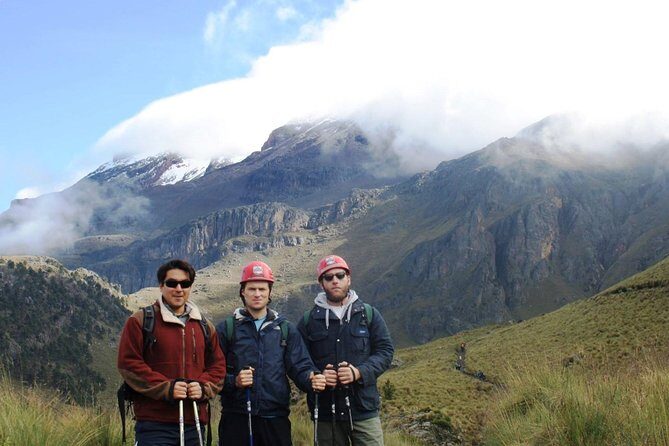
This is a day hike aimed at the Refuge of the 100 on Iztaccihuatl, with the day ending at about 4,720 meters above sea level (the experience is also associated with the Refuge of the 100 around the 4,780 m mark). That altitude alone changes everything: your breathing, your pace, and how fast you warm up. You’re not just doing a walk—you’re doing an elevation event, with a clear finish line.
What I like is that the route isn’t treated like a mystery. You’re guided, and the ascent is described as moving from the start at the Sleeping Woman area up to successive “hills,” with viewpoint passes along the way. That matters because it gives you psychological checkpoints: you know when the big views show up, and you can settle into the rhythm of the climb.
You’ll also have a safety net in the form of a helmet included. That might seem basic, but at altitude and on steep terrain, it’s the kind of straightforward safety detail that makes the day smoother. It also signals the operator takes the hike seriously, not just as a casual stroll.
You can also read our reviews of more tours and experiences in Mexico City.
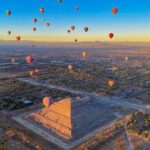
Getting From Condesa to Izta-Popo National Park Fast
You start in Colonia Condesa at Av. Vicente Suárez 38, and the tour ends back at the same meeting point. The big practical win here is the private transfer, which takes most of the “how do we get there?” headache out of the equation. For a one-day trip, that’s huge. You don’t want to burn your best energy on city traffic and transfers before the climb even starts.
The day’s flow is simple: you leave Mexico City toward the Izta-Popo National Park area. You then leave the cars at the feet of the Sleeping Woman, get ready, and start the ascent. That means your hardest effort begins right where it should, rather than turning the day into a long scenic bus ride.
One small detail that helps: confirmation happens quickly unless you book extremely close to departure time. You also get a mobile ticket, which is handy when you’re trying to keep your hands free for layers and trekking basics. I like how this tour is built for real-world day-trippers, not only seasoned hikers.
The Ascent Plan: Popocatepetl, Puebla, and Orizaba Views
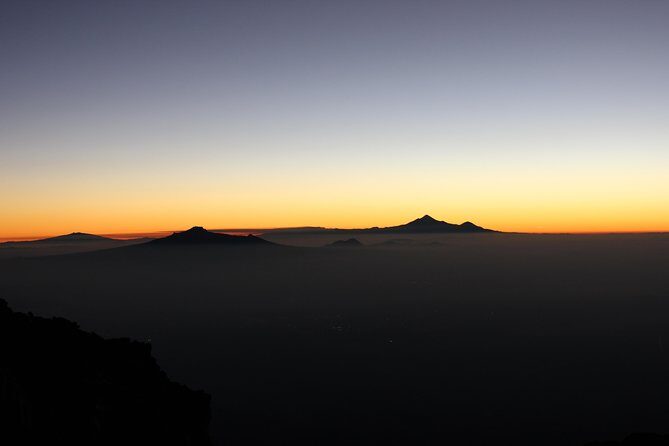
The climb is designed around passing different sides of the mountain to catch key views. After you start near the Sleeping Woman area, you climb to the first hill and then move to the other side for your first major viewpoint of Popocatepetl. You’re not just looking at a volcano from one angle—you’re getting that “oh wow” moment as part of the hiking plan.
Next comes a stretch that’s described as a sandy area, pushing you onward toward a third hill. Sandy ground changes how your feet feel under you. It can slow you down, and it takes more energy than you expect, especially at altitude. If you tend to rush early, this is where you’ll feel it. So I’d keep your pace steady and treat the sandy section as part of the climb’s rhythm, not a sign you’re failing.
After reaching the third hill, you pass on the other side again to open up views toward Puebla and Pico de Orizaba. This is a great moment to slow down, look, and then continue—because the final climb is when you’ll want your energy.
The last portion leads to seeing your destination: the refuge at 4720 meters. Even if you’ve read about it, seeing the refuge as the outcome of hours of effort is different. It gives your lungs and legs a finish-the-task focus.
What’s Included (and What That Means for Your Comfort)
This tour includes a helmet, lunch, and private transportation. That trio covers both safety and stamina—two things you’ll care about most at high elevation.
Lunch being included is a quiet advantage. At altitude, you can feel hungry sooner, and you’ll want fuel without adding extra steps to your day. A packed meal from the city could work too, but included lunch means the schedule is built around keeping you moving.
The included helmet is also meaningful. You’re hiking on a volcano environment, and the description indicates you’ll be on a route with varying surfaces and exposure. Safety gear doesn’t guarantee smooth conditions, but it reduces the “we forgot the basics” risk.
What’s not included is alcoholic beverages. That’s normal, but it’s still worth noting because at 4,700+ meters, hydration and judgment matter. If you’re tempted to treat altitude like a party, this is the kind of day that punishes that idea quickly.
Meet Your Guide, Then Trust the Small-Group Pace
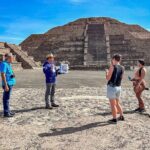
The hike is guided, and the experience is offered in English. In one standout note, a guest specifically thanked guide Jorge and called out the quality of the guidance and the views. That lines up with what I look for in a day like this: someone who can pace you, manage safety decisions, and keep the group together without turning the hike into a forced march.
The group size limit of 10 travelers matters more than it sounds. It typically means fewer bottlenecks on narrower sections and more chances for the guide to check how people are doing. At altitude, that check-in feeling matters, because the difference between “fine” and “too fast” can happen quickly.
Also, small groups tend to make it easier to move as a unit during viewpoint passes. Since the route depends on passing to different sides for views, you’ll want the timing to be tight enough to catch them, but relaxed enough so everyone stays together.

Altitude Reality: Fitness, Footing, and Weather Dependence
This isn’t described as an entry-level stroll. You should have moderate physical fitness to join. That’s the right wording. It tells you the hike is demanding, but it’s not presented as extreme technical climbing. The main challenge is the combo of steep effort and high elevation.
The big unknown in any volcano hike is weather. The experience requires good weather. If conditions are poor and the operator cancels due to weather, you’ll be offered a different date or a full refund. That policy makes sense because at altitude, “almost good” weather can become unsafe quickly.
Snow and ice can also be part of the story. One past guest said crampons might have made the hike easier with snow, but they managed without. You don’t want to assume you’ll have the same conditions as someone else. Still, I’d treat that comment as a nudge: bring what you can for grip if you’re hiking in colder months, and listen to the guide’s advice about traction.
For your own comfort, plan on layers and a slower pace than you think you need. If you feel like you can talk, you’re probably doing it right.
Price and Value: What You’re Actually Paying For
At $219.38 per person for about a day, you’re paying for more than “a hike.” You’re paying for logistics, time, and risk management.
Here’s the value breakdown as I see it:
- Private transfer from Mexico City: that’s a major convenience on a 1-day schedule
- Guided hike: you’re not navigating the route yourself, and you’re getting viewpoint timing
- Helmet + lunch: you’re not arriving under-prepared or cutting corners on basics
- Small group (up to 10): better pacing and fewer delays
If you tried to replicate this on your own, the hard part isn’t only transport. It’s coordinating timing, getting the right starting area, and managing safety gear and group movement. For a one-day trip, those pieces are what make the price feel fair rather than random.
So the question isn’t just “Is it expensive?” It’s “Does it remove the friction that would otherwise eat your day?” In this case, the inclusions are doing real work.
Who This Tour Suits Best (and Who Should Skip It)
This hike fits best if you:
- want a guided high-altitude experience with a defined finish at the refuge
- appreciate small-group pacing rather than crowds
- are comfortable with moderate physical fitness demands
- like structured routes that build in viewpoint moments
It may not suit you if you:
- don’t handle altitude well or you’re uncomfortable with breath-heavy walking for long stretches
- expect a casual, no-pressure outing
- are traveling with kids under 14, since the experience is not for under-14 participants
If you’re an experienced hiker, you’ll likely enjoy the clarity of the route description and the guide-led pacing. If you’re newer, the key is honest fitness assessment before you go.
Should You Book This Iztaccihuatl Day Hike?
If your goal is a memorable, guided climb to the Refuge of the 100 with lunch, helmet, and a direct transfer from Mexico City, I think this is a smart booking. The small group size and the fact that the route is built around real viewpoint passes make it feel like a planned hike rather than a “go somewhere and hope” situation.
I’d especially consider booking if you want the structure: start from Condesa, ride out, climb in stages with the guide, hit view moments of Popocatepetl, and end with the refuge in sight. That kind of sequencing is exactly what helps on a long, altitude-heavy day.
But don’t ignore the reality check. Conditions and traction can matter, and altitude requires a steady, patient approach. If you’re willing to take it slow and come prepared for cold or snowy terrain, this one-day push is a strong use of your time in Mexico City.
FAQ
How high do we hike to reach the Refuge of the 100?
The day’s description says the hike aims to finish at about 4,720 meters above sea level. The experience also references the Refuge of the 100 around the 4,780 m mark.
What’s included in the tour price?
The tour includes a helmet, lunch, and private transportation. Alcoholic beverages are not included.
Is this tour suitable for beginners?
It’s meant for people with moderate physical fitness. If you’re not comfortable with a demanding uphill hike at high altitude, this probably won’t feel right.
How big is the group?
The tour has a maximum of 10 travelers, which keeps it small and more personal.
Is the tour available in English?
Yes. The tour is offered in English.
What if the weather is poor?
The experience requires good weather. If it’s canceled due to poor weather, you’ll be offered a different date or a full refund.
Can I cancel and get a full refund?
Yes. You can cancel for a full refund if you cancel at least 24 hours before the experience starts. If you cancel less than 24 hours before, the amount paid is not refunded.