REVIEW · MEXICO CITY
Guided Tour of the Museum of Anthropology
Book on GetYourGuide →Operated by Edith G. Tour Guide · Bookable on GetYourGuide
Ancient Mexico makes more sense with a guide. This 3-hour guided walk through the Museum of Anthropology helps you connect the dots across major civilizations that shaped Mexico—Teotihuaca, Mexica, Maya, Toltec, and Gulf of Mexico cultures—without getting lost in the scale of the museum. You’ll also get the story behind the museum itself and why it was built to present these cultures the way it does.
I love how the tour sticks to the big, eye-catching objects while also explaining the symbolism around them—so you understand what you’re looking at, not just what it’s called. I also love the small group format, limited to 8 participants, which makes questions feel normal (and not like you’re interrupting a train). One consideration: English support is limited beyond the guide, since a lot of museum signage isn’t translated, so you’ll get more value if you stay engaged with the tour instead of planning to read everything solo.
In This Review
- Key highlights to know before you go
- Why the Museum of Anthropology rewards a guided route
- Your 3-hour tour flow: from the museum’s purpose to the cultural halls
- The iconic pieces you’ll see up close (and what to watch for)
- The Sun Stone
- The Coatlicue
- Olmec Heads
- The Mask of Pakal
- Teotihuaca and Mexica: learning to see power and style
- Maya and Toltec: symbolism, not just dates
- Gulf of Mexico cultures and the point of cross-cultural connections
- Gardens around the museum: a smart breather
- The guides: why English explanations matter here
- Price and value: is $38 for three hours worth it?
- What to bring, and how to plan your day
- Who this tour is best for
- Should you book this Guided Tour of the Museum of Anthropology?
- FAQ
- What does the tour include?
- How long is the guided tour?
- What language is the tour offered in?
- What’s the group size?
- Where do I meet the guide?
- How much does it cost?
Key highlights to know before you go
- Federal tour guide in English for a focused, guided route through the main rooms
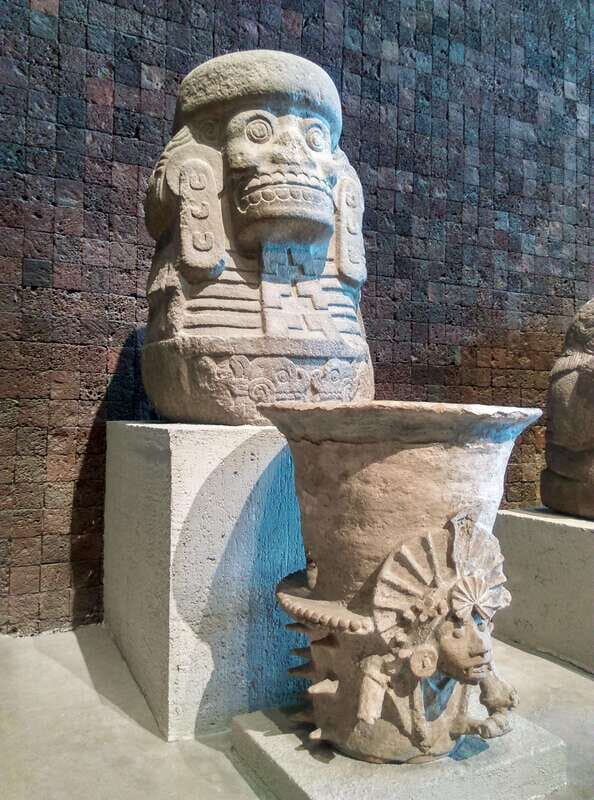
- Iconic stops like the Sun Stone, Coatlicue, Olmec Heads, and the Mask of Pakal
- Five culture tracks covered during the same 3-hour visit: Teotihuaca, Mexica, Maya, Toltec, and Gulf of Mexico
- Museum construction context, so the building has meaning, not just walls
- Gardens included, giving you a breather and a nice shift from artifacts to outdoor space
- Small group (up to 8), which helps the guide actually answer your questions
Why the Museum of Anthropology rewards a guided route
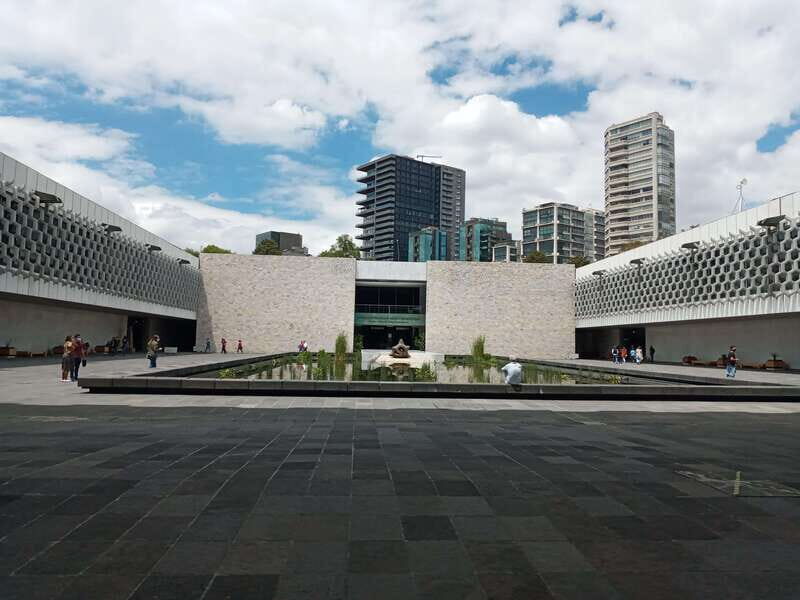
The Museum of Anthropology in Greater Mexico City is one of those places where you quickly realize self-guided is possible—but not always satisfying. The collections are spread out, the galleries are many, and the museum is built around cultural stories that can feel disconnected if you only skim labels.
A good guided tour fixes that. You get a route through the main rooms and a line of reasoning for what you’re seeing. This tour is built around understanding the beautiful legacy of Mexico’s past cultures, with a guide who brings both pride and clear explanations for how these civilizations are represented in the museum.
It’s also a practical choice for your time. With only 3 hours, you’re not trying to “see everything.” You’re trying to see enough—and understand enough—that the rest of Mexico City makes more sense afterward. That’s exactly the kind of visit that turns into a lasting memory, not just photos.
You can also read our reviews of more guided tours in Mexico City
Your 3-hour tour flow: from the museum’s purpose to the cultural halls
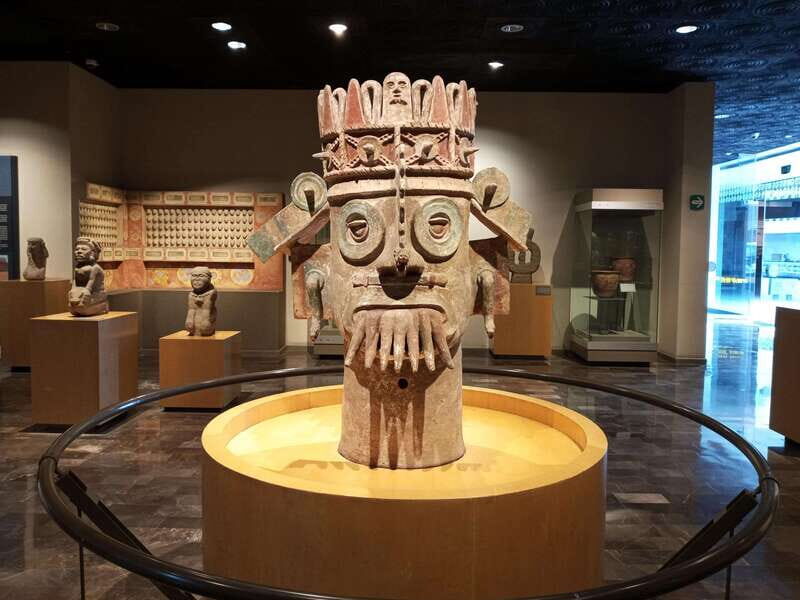
This tour is designed to move you through the museum with momentum. It doesn’t just point at artifacts. It gives you context first, then uses the galleries to support that context.
You start with a discussion of the construction of the museum and its purpose. That matters more than you might think. Knowing why the museum was created—and how it frames the cultures—helps you read the galleries with your brain switched on, instead of your eyes doing random wandering.
From there, the tour focuses on the main culture areas:
- Teotihuaca
- Mexica
- Maya
- Toltec
- Gulf of Mexico cultures
You’ll also get emphasis on iconic pieces the museum is famous for. The guide uses those recognizable objects as anchors, then connects them to themes across cultures—especially the meaning and symbolism that show up again and again in the collection.
The pacing is built for a group of up to 8 people. That size helps the guide keep moving while still taking time for your questions. In practice, that’s what keeps the three hours from feeling rushed or lecture-y.
The iconic pieces you’ll see up close (and what to watch for)
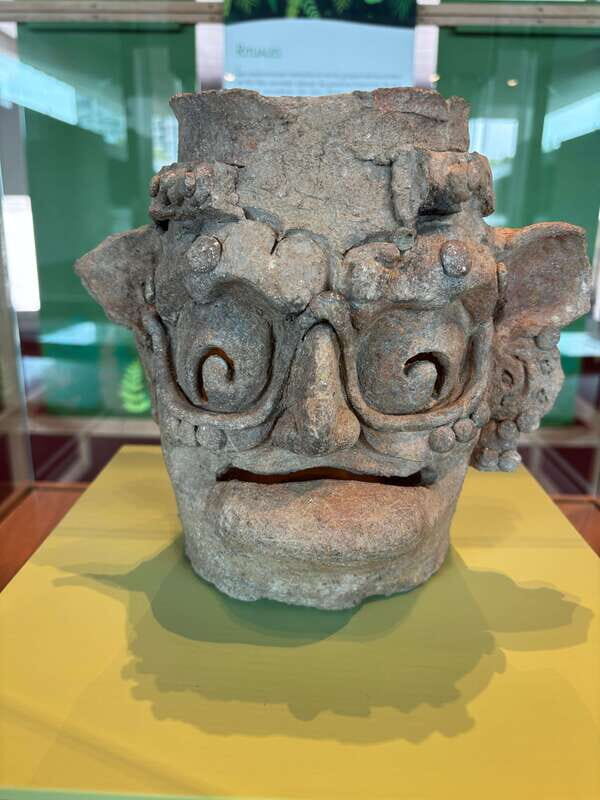
A big reason to book this tour is that you don’t have to guess what matters. The guide highlights several of the museum’s headline objects, so you get oriented fast.
Here’s what you can expect to focus on during the guided visit:
The Sun Stone
The tour treats the Sun Stone like more than a famous sculpture. The guide draws your attention to what it represents and why it’s important inside the museum’s story. When you see it with someone explaining symbolism, it stops being just a face-on display and starts feeling like a cultural statement.
The Coatlicue
The Coatlicue is one of those objects that can overwhelm you if you just stare. In a guided tour, you’re not left alone with your impressions. You’ll get help understanding what makes the object significant and how its design communicates meaning.
You can also read our reviews of more museum experiences in Mexico City



Olmec Heads
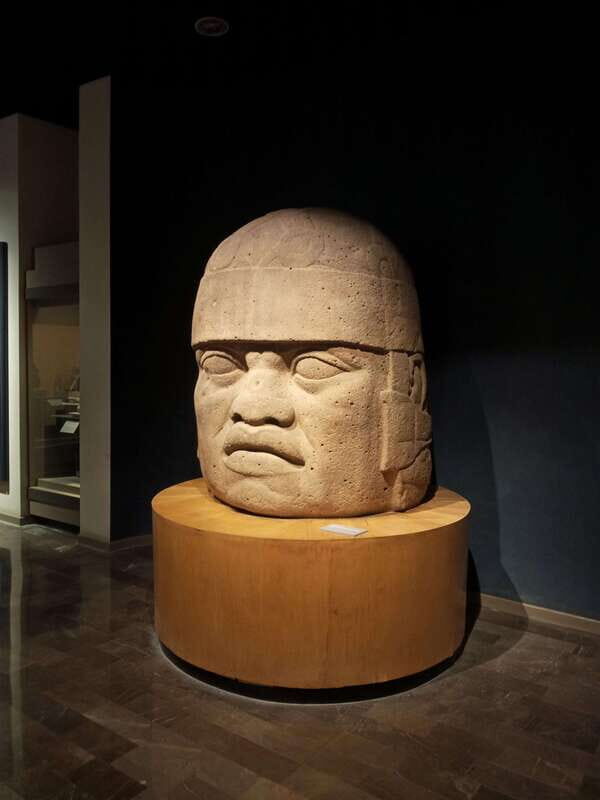
The Olmec Heads are iconic, and this tour helps you notice what makes them stand out within the broader history. The guide frames them so they fit into the larger “how Mexico’s cultures connect” story, instead of feeling like a random highlight.
The Mask of Pakal
The Mask of Pakal is another object that people recognize instantly. What you gain from the tour is the interpretation side—how the guide talks about symbolism and what the museum is trying to communicate through this kind of piece.
The key here: the guide’s explanations make you look longer. And in a museum like this, longer looking is the real upgrade. You’ll leave with a sense that the collection has internal logic, even if the museum is huge.
Teotihuaca and Mexica: learning to see power and style
This tour includes the Teotihuaca and Mexica galleries as core stops. Even if you’re not a Mexico City history expert, the guide approach helps you understand what you’re looking at: how the museum presents these cultures and why certain themes show up in the design language of artifacts.
One thing I like about this style of tour is that it treats symbolism as part of “how to read” the objects, not an extra topic for people who already know the lore. You’ll get explanation that helps you connect visual patterns to meaning.
A practical tip: as the guide speaks, try to pause your phone habit. If you’re filming every second, you’ll miss the moments when the guide points out specific details that make the object’s meaning click.
Maya and Toltec: symbolism, not just dates
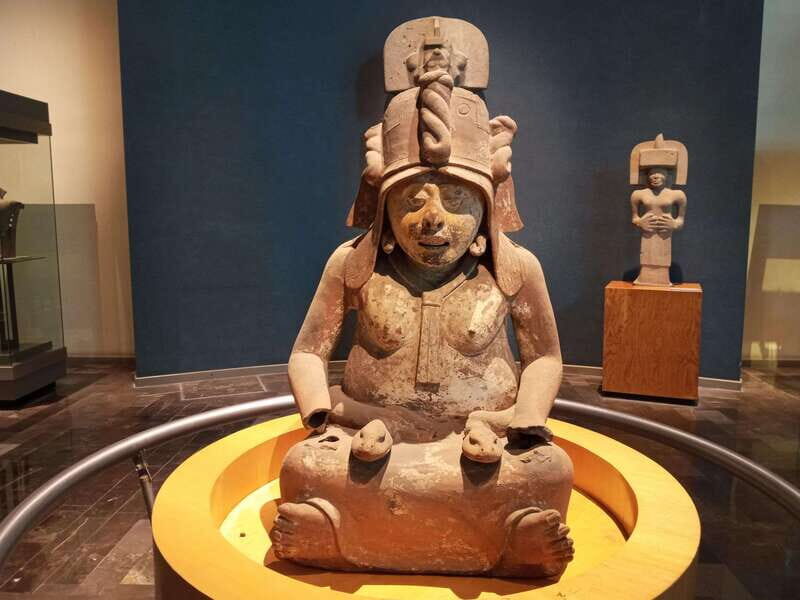
The Maya and Toltec cultures are included in the route too, with the guide emphasizing the symbolism you can see in the artifacts. That framing is useful because it makes the tour feel like understanding, not memorizing.
The museum labels can be heavy, and not all signage is translated into English. In that situation, a live guide becomes your best translator—of language, and of meaning.
What I’d do in your shoes: pick one or two themes the guide mentions as you move through the Maya and Toltec sections. Then use those themes as your filter while you look at objects on your own. You’ll get more out of the rest of the museum later because your brain has a hook.
Gulf of Mexico cultures and the point of cross-cultural connections
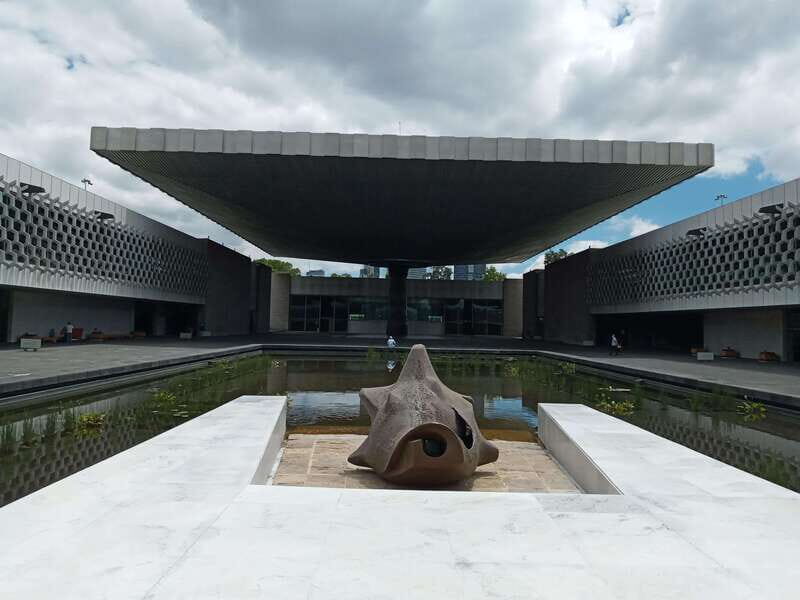
The tour also takes in Gulf of Mexico cultures, which helps break the common habit of thinking of Mexico’s past as one straight line. Here, you’re seeing a broader set of cultural worlds that the museum organizes into a shared story of the country’s heritage.
Even without going deep into a textbook, you’ll walk away with a clearer sense that symbols and design ideas travel and transform across regions. The guide’s explanations help you spot those connections instead of treating each hall as a separate universe.
Gardens around the museum: a smart breather
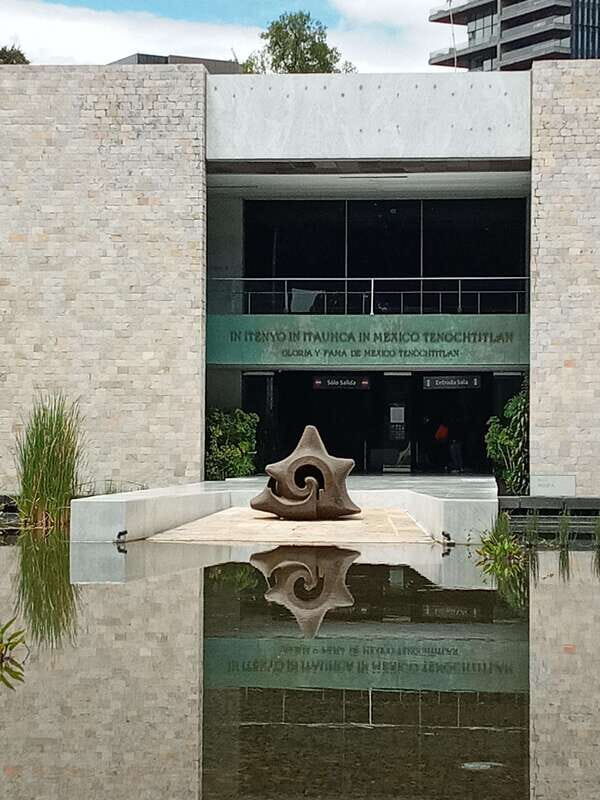
Most artifact-focused tours forget the setting. This one doesn’t. You’ll tour the gardens that surround the museum, and that shift does real work.
Outdoor time helps you reset your senses after close looking indoors. It also gives context for the building itself—how it sits in space and how the museum’s layout connects exhibition halls with calmer areas. You end up feeling less like you rushed through rooms and more like you had a proper visit.
If you wear comfortable shoes (you will want to), this garden segment is the part that feels like you got to breathe and not just “collect facts.”
The guides: why English explanations matter here
This tour is led by a live guide in English, and the guide is a federal tour guide. Two names show up in the experience: Edith and Hector. Both have been praised for being friendly, answering questions, and keeping the tour moving at an enjoyable pace.
Here’s what stands out in how the guided format works:
- You get explanation that fits the main objects instead of scattered facts
- You can ask questions and get answers that actually help you see better
- The guide shares symbolism and meaning, not only descriptions
Also, don’t underestimate the language reality. A non-Spanish speaker should plan on using the guide, because little of the museum signage is translated into English. This isn’t a downside if you book the tour; it’s exactly why the tour is valuable.
Price and value: is $38 for three hours worth it?
At $38 per person for a 3-hour guided visit, you’re paying for three things:
1) entrance to the museum
2) a live federal tour guide in English
3) a curated route through a big museum
If you’re the type who likes to understand what you’re looking at, the guide’s role makes the time feel more productive than walking room to room trying to decode labels. You also avoid the “I saw the highlights but didn’t connect them” problem that often happens at major museums.
If your goal is only casual browsing, you might feel boxed in by a guided path. But if your goal is to leave with an organized understanding of major cultures and the museum’s icon pieces, this is a pretty solid value.
The small-group size (max 8 participants) also helps. You’re not swallowed by a crowd. That alone improves the value, because your questions don’t get lost.
What to bring, and how to plan your day
Bring comfortable shoes. That’s the big practical requirement in the provided information, and it’s a good call anywhere around the museum.
For planning your day, keep in mind that the dining situation may affect your schedule. One useful clue: in the dining room, lunch isn’t available until 1 pm. If you’re on a morning tour, it may be more realistic to plan a late breakfast or wait until after 1 pm if you want a proper lunch.
The upside is that the guided time sets you up to enjoy extra museum hours afterward. Once you have the route and symbolism explanations in your head, it’s easier to wander with purpose instead of wandering by accident.
Who this tour is best for
I think this tour is a strong fit if:
- You’re visiting the Museum of Anthropology for the first time and want a structured start
- You want to focus on major cultures in a short window
- You’re a non-Spanish speaker and want English interpretation while you look at objects
- You like asking questions and want an active guide, not a silent audio companion
It’s less ideal if:
- You prefer completely independent museum time with no guided pacing
- You already know the iconography well and just want extra time in one niche area
Should you book this Guided Tour of the Museum of Anthropology?
Yes—if you want your visit to feel like understanding, not just sightseeing. At $38 for three hours, you’re buying a guided route, museum context, and explanations in English for major iconic objects like the Sun Stone, Coatlicue, Olmec Heads, and the Mask of Pakal. That combination matters a lot at a museum this large.
Book it especially if you don’t read Spanish comfortably. With limited English signage, the guide is your fastest path to making the museum’s symbols mean something.
Skip it only if you’re the sort of visitor who hates any structure and would rather spend the entire day in one or two rooms. In that case, self-guided can work—but you’ll lose the built-in connections that make this tour so effective.
FAQ
What does the tour include?
The tour includes entrance to the Museum of Anthropology and a guided visit by a federal tour guide.
How long is the guided tour?
The tour lasts 3 hours.
What language is the tour offered in?
The tour is offered in English.
What’s the group size?
This is a small group tour, limited to 8 participants.
Where do I meet the guide?
You meet at the entrance to the Museum of Anthropology, next to the Mexican flag.
How much does it cost?
The price is $38 per person. Food and beverages and souvenirs are not included.