REVIEW · MEXICO CITY
Group reduced to Pyramids of Teotihuacan and Basilica of Guadalupe
Book on Viator →Operated by Excellence Mexico Tours · Bookable on Viator
Teotihuacan plus Guadalupe is a big combo. This 7–8 hour tour strings together pre-Hispanic ruins and a major modern pilgrimage site, with a tight plan and a small max group size (14). You’ll also get a local-food-and-drinks angle, not just stone and signage.
I especially like how the day starts by placing you in Mexico City’s changing story at Plaza de las Tres Culturas, then shifts to Teotihuacan’s Pyramid of the Sun and Pyramid of the Moon. Another highlight is the tastings and hands-on explanations around the drinks and materials used by the ancient world. One possible drawback: there’s no included lunch, so plan to eat during the El Jaguar stop (or bring snacks), because the day moves.
In This Review
- Key points at a glance
- A 7–8 Hour Sprint Built Around Two Icons
- Getting Oriented at Plaza de las Tres Culturas
- Church of Santiago Tlatelolco: A Detail-Focused Stop
- Teotihuacan Transition: Stones, Craft, and What the Drinks Connect To
- Seeing the Pyramids: Sun, Calzada de los Muertos, and Moon
- Artesanías El Quetzal: Obsidian and Maguey (Plus More Tastings)
- El Jaguar: Where Lunch Happens (and It’s Not Included)
- Basilica de Santa Maria de Guadalupe: The Story and the Ayate
- The Drinks, the Materials, and Why This Tour Feels More Real
- Pickup, Timing, and What to Expect on the Day
- Price and Value for $59
- Who This Tour Fits Best
- Should You Book This Tour?
- FAQ
- What’s the price and duration?
- How many people are in the group?
- Is pickup included?
- Where is pickup, if I’m not in the main pickup zones?
- What sights are included on the tour?
- Are entrance fees included?
- Is lunch included?
- What tastings are part of the experience?
- What if I need to cancel?
Key points at a glance
- Plaza de las Tres Culturas first: three eras of Mexico, then off to Teotihuacan
- Pyramids of the Sun and Moon: the main sights are built into the core route
- Drinks tastings included: mezcal, tequila, and pulque show up more than once
- Obsidian and maguey explanations: you’ll connect materials to craft traditions
- Ends at the Basilica of Guadalupe: you’ll see the ayate tied to San Juan Diego
A 7–8 Hour Sprint Built Around Two Icons
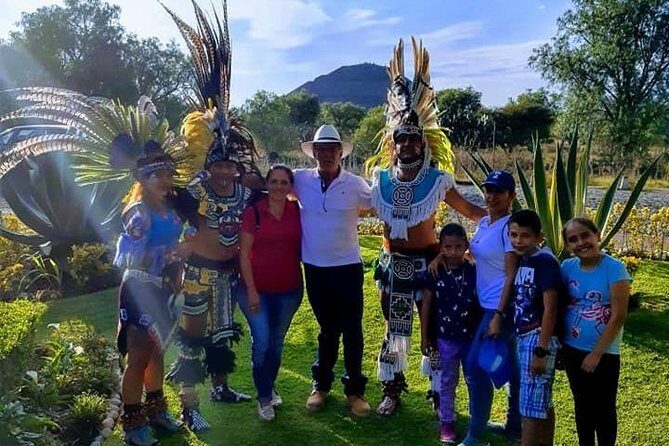
This is the kind of day trip you choose when you want real highlights without spending days hopping between neighborhoods. The heart of the experience is Teotihuacan’s pyramids and a long visit to the Basilica of Santa Maria de Guadalupe. In between, the tour fills the gaps with context: where ancient Mexico fits into the bigger Mexican story, and how tradition continues in modern life.
The pacing is practical. You’ll travel in an air-conditioned vehicle, get entry where it’s included, and then move from stop to stop on a schedule. With a maximum of 14 people, it’s also easier to hear your guide and keep the group together.
For value, the $59 price works best if you like guided context plus admission support. Entrance to the archaeological zone is included, and the basilica visit is listed with free admission. You’re not just paying for transportation; you’re paying for a guided “what matters” route.
You can also read our reviews of more tours and experiences in Mexico City.


Getting Oriented at Plaza de las Tres Culturas
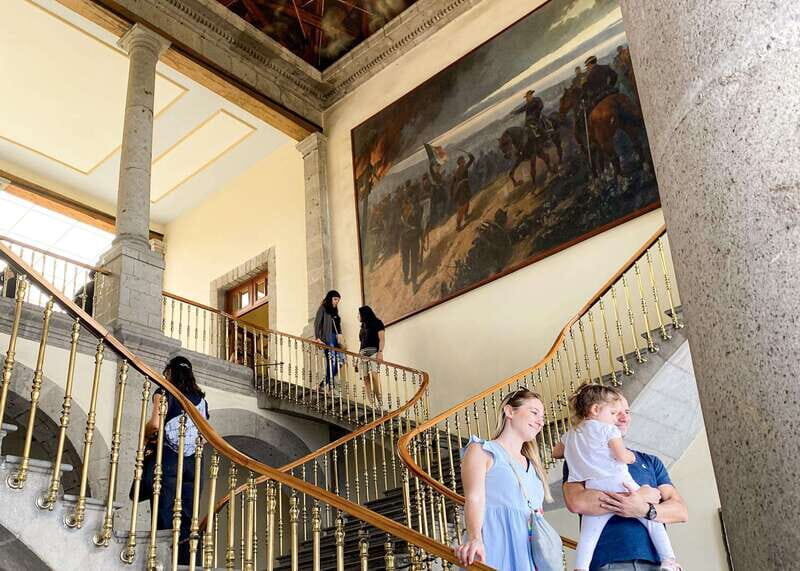
Plaza de las Tres Culturas is a smart opener because it helps you read Mexico, not just look at it. The tour takes you to the plaza where you can appreciate three stages of Mexico: pre-Hispanic, colonial, and contemporary. Even if you’ve only heard the broad terms before, being physically in the place makes the story feel less abstract.
From there, you’ll visit the Church of Santiago Tlatelolco. This stop includes a very specific detail: you’ll learn about the baptismal font of San Juan Diego. That kind of concrete reference matters because it links the later Guadalupe story to a broader timeline of what happened in the region.
The practical payoff here is simple: you arrive at Teotihuacan with better context for why those later symbols and religious stories became so important.
Church of Santiago Tlatelolco: A Detail-Focused Stop
If you’re the type who likes meaning tied to objects, this church visit is for you. The emphasis is not on wandering—it’s on knowing what the baptismal font is and how it’s connected to the narrative that follows.
One thing to keep in mind: churches are often calmer than plazas, but they can still be busy. Wear comfortable shoes and be ready for modest walking inside and around the area. This isn’t a “skip-the-details” stop; the tour is designed to point you toward one meaningful takeaway.
Teotihuacan Transition: Stones, Craft, and What the Drinks Connect To
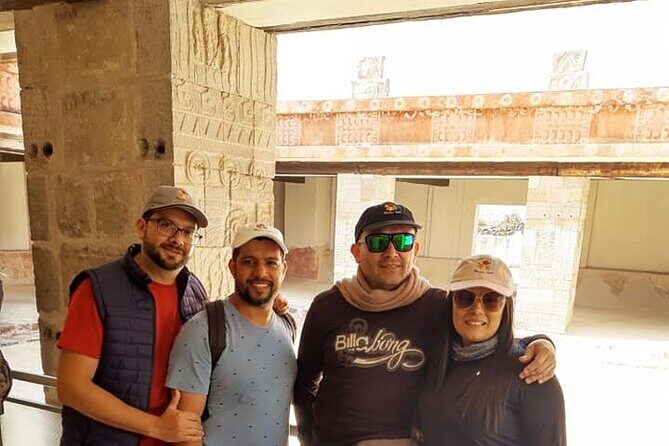
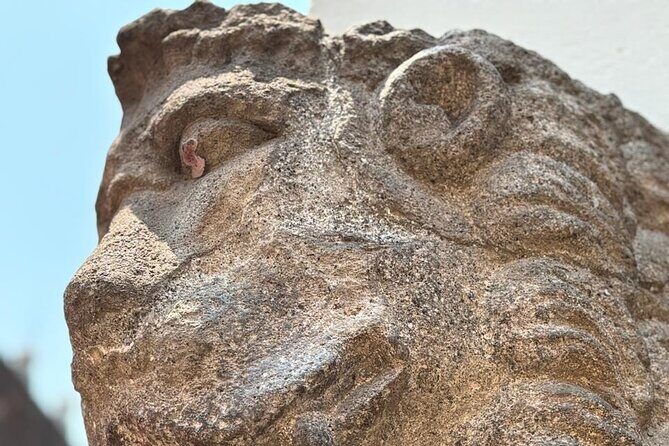
The day shifts from Mexico City context to Teotihuacan archaeology. Before you even reach the main ruins, you’ll stop at a local site where you receive an explanation about the stones used by the Teotihuacanos. Then comes the part many people remember: you’ll taste three typical Mexican drinks—mezcal, tequila, and pulque.
That ordering is intentional. Even without becoming a tequila historian, the explanations help you connect what you’re tasting to the broader theme of how people made, traded, and valued different materials and traditions. The stops aren’t just “here’s a flavor”—they’re tied to identity and craft.
A quick practical note: plan to pace yourself with drinks. Mezcal and tequila are strong, and you’ll still be walking when you reach the pyramids. This is not the time to chase shots.
Seeing the Pyramids: Sun, Calzada de los Muertos, and Moon
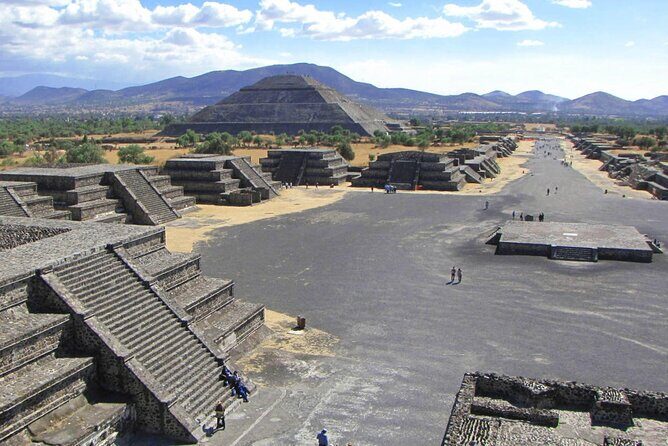
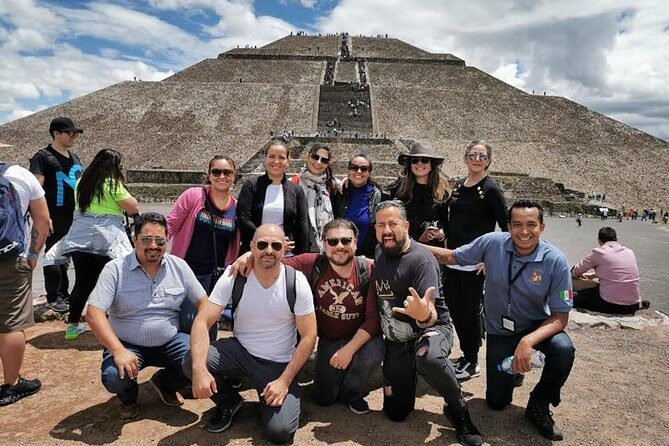
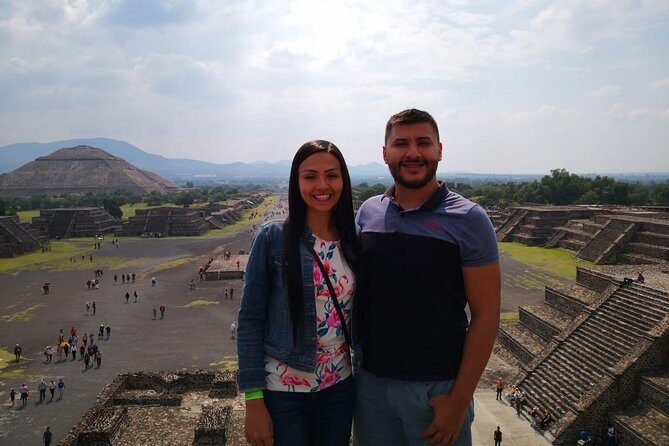
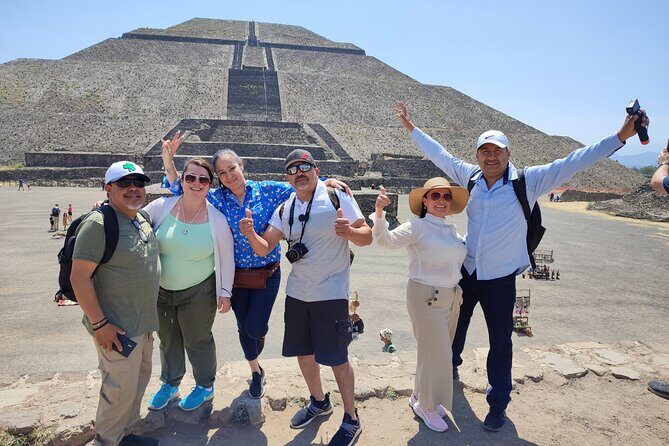
Once you reach the archaeological zone, you’ll focus on the most iconic structures: the Pyramid of the Sun, the Calzada de los Muertos, and the Pyramid of the Moon. The time allocated at the main archaeology segment is about 2 hours, and that’s enough to get the scale and the layout without feeling rushed in a frantic way.
The Calzada de los Muertos is key because it gives you a sense of how the city worked as a processional and public space. It helps you shift your thinking from “three big pyramids” to “a whole urban design with major movement lines.”
Also, don’t underestimate the feeling of standing in front of these structures. They’re not “tiny and photographed.” They’re big, and the stone shapes are dramatic up close. If you go in expecting a museum-style explanation, you’ll be happier. This is more like guided orientation in a real site.



Artesanías El Quetzal: Obsidian and Maguey (Plus More Tastings)
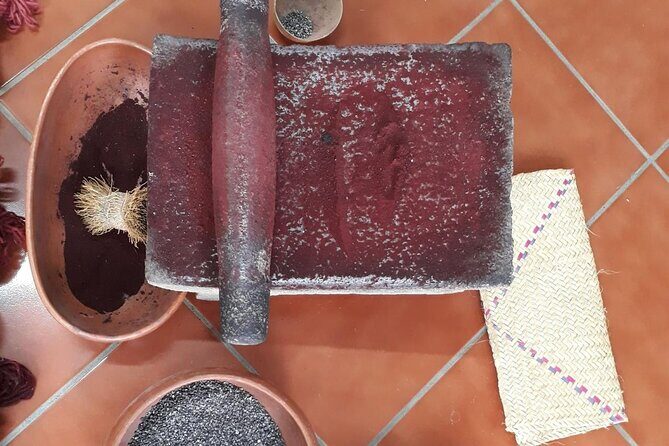
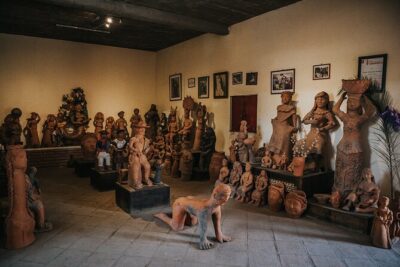
One hour is scheduled at Artesanías El Quetzal, and it’s built around an education-through-craft approach. You’ll get an explanation of obsidian and maguey, then you’ll see the artisan work of locals from Teotihuacan.
This stop is valuable for two reasons. First, it gives you a way to recognize the kind of thinking behind Teotihuacan-era materials: what can be made, what can be traded, and why certain resources mattered. Second, you get tastings again—mezcal, pulque, and tequila are listed—so this is part of the tour’s bigger theme of connecting culture and daily life, not only monuments.
One drawback to be aware of: if you’re not interested in shopping or product demonstrations, just treat this like an informative cultural visit. You’re still there for the material explanations. You’re not forced into anything as part of the plan, but you should go with the right expectations.
El Jaguar: Where Lunch Happens (and It’s Not Included)
You get about 1 hour for food at El Jaguar. Lunch here is not included, so you’ll need to pay for your meal directly.
This is the part you should plan for before you’re hungry. A 7–8 hour day with strong walking and travel time can catch you off guard. If you have a sensitive stomach, consider eating earlier options you find near the route, or bring a small snack that you can keep with you during the day.
The good news: the schedule does create a “reset” time. Even if you don’t love long restaurant stops, this is when you can refill, use restrooms, and get ready for the final visit.
Basilica de Santa Maria de Guadalupe: The Story and the Ayate
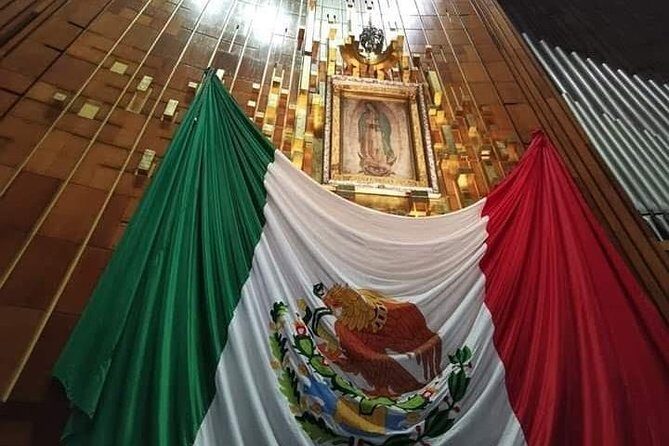
The tour ends at the Basilica of Guadalupe with about 2 hours on site. This is not just a quick photo stop. You’ll learn the history of the basilica, hear about the apparitions of the Virgin, and see the ayate of San Juan Diego, described as more than 500 years old.
Why this ending works: the day starts with layers of time in Mexico City, then shifts to the ancient world of Teotihuacan, and finally ends with a place where tradition is still lived. Even if you’re not religious, it’s hard to miss the emotional weight of a site like this. People come with family stories, personal beliefs, and deep cultural memory.
A practical tip: keep your expectations steady. The basilica is a working sacred space and can be busy. Dress respectfully and be ready to stand for periods while you take in the story and the visual elements you came for.
The Drinks, the Materials, and Why This Tour Feels More Real
A lot of tours in Mexico City list highlights but keep them separate. This one connects dots. You’ll taste mezcal, tequila, and pulque, and you’ll also get explanations around stones, obsidian, and maguey. That combination gives you something useful to carry home: not just what you saw, but what the tour wants you to understand about how materials and traditions connect.
It also makes the day less dry. Pyramids can start to feel repetitive if you only look at shapes and dates. The drink and craft stops add human texture—how people actually worked with what they had, then turned it into culture you can still encounter today.
If you’re someone who likes a guided route with a little cultural “taste” and hands-on storytelling, this structure will land well.
Pickup, Timing, and What to Expect on the Day
Pickup is offered, but it’s part of the routine you should prepare for. Reception happens between 8:00 am and 9:30 am, and the exact pickup timing can vary depending on where you’re staying. One noted baseline is Polanco pickup at 7:30, with the rest based on the route.
The tour notes that you must leave a WhatsApp number with the LADA area code so the operator can send reception instructions. If your lodging is in areas like Zona Rosa, Zona Centro, Reforma, or Polanco, pickup is possible. Otherwise, the meeting point is listed as either the Hilton Reforma Hotel or Holiday Inn Express Reforma Hotel.
Also, there’s a clear rule: it is not allowed to carry luggage. Travel light. If you have a daypack, that’s the right mindset.
Group size max is 14, and the tour is offered in English with a mobile ticket included. Service animals are allowed, and the vehicle is air-conditioned.
Price and Value for $59
At $59 per person, the question isn’t whether it’s cheap. It’s whether it’s fair for what’s included. Here’s what makes the price feel reasonable:
- Entrance to the archaeological zone is included, so you’re not adding a separate ticket cost at Teotihuacan.
- The tour also includes a guided day with transportation plus multiple stops that include explanations (stones, obsidian/maguey).
- The structure includes tastings of mezcal, tequila, and pulque more than once, and these are part of the experience plan, not random extras.
- You end with a long visit to the Basilica of Guadalupe, which is also listed with free admission.
What you should budget separately is lunch at El Jaguar, since it’s explicitly not included. If you plan for that, the total cost becomes predictable.
In short: you’re paying for a guided route that handles the hardest logistics of a single-day Teotihuacan + Guadalupe combo, while also giving you cultural context that would take longer to stitch together on your own.
Who This Tour Fits Best
This works best if you want:
- Teotihuacan’s main pyramids without building a plan from scratch
- a guided connection between ancient and modern Mexico City stories
- enough structure to hear meaning behind sights, not just walk and guess
- a small-group experience (max 14)
It’s also a good pick for first-timers who want a day that covers two “must-do” destinations, especially if you like tours that include cultural explanations and tastings.
It might feel less ideal if you’re mainly looking for a long, slow archaeological wander with lots of free time, or if you dislike any focus on craft demonstrations.
Should You Book This Tour?
I’d book it if your priority is Teotihuacan pyramids plus Guadalupe in one day, with admission support and guided context. The value is strongest when you’re happy with a structured schedule, you drink moderately, and you budget for lunch at El Jaguar.
I’d think twice if you want lots of personal free time, you’re very strict about what you eat (since lunch isn’t included), or you prefer travel with no guided stops that involve demonstrations.
Also, a quick note from past experience patterns: this operator can change routes when needed, and one guide named Luis was specifically praised for clear explanations when the itinerary shifted. So if you care about smooth communication, keep your WhatsApp number ready.
FAQ
What’s the price and duration?
It costs $59 per person and runs about 7 to 8 hours.
How many people are in the group?
The tour has a maximum of 14 travelers.
Is pickup included?
Pickup is offered. Reception runs from 8:00 am to 9:30 am, and timing can vary by where you stay.
Where is pickup, if I’m not in the main pickup zones?
If you’re not in Zona Rosa, Zona Centro, Reforma, or Polanco, the meeting point is the Hilton Reforma Hotel or Holiday Inn Express Reforma Hotel.
What sights are included on the tour?
You’ll visit Plaza de las Tres Culturas (including the Church of Santiago Tlatelolco), Teotihuacan (Pyramid of the Sun, Calzada de los Muertos, Pyramid of the Moon), and the Basilica of Santa Maria de Guadalupe (including the ayate of San Juan Diego).
Are entrance fees included?
Admission to the archaeological zone is included. The basilica and the artisan stop are listed with free admission.
Is lunch included?
No. You have time to eat at El Jaguar, but meals are not included.
What tastings are part of the experience?
The tour includes tastings of mezcal, tequila, and pulque (listed at multiple points during the day).
What if I need to cancel?
Free cancellation is available if you cancel at least 24 hours before the experience start time for a full refund.