REVIEW · MEXICO CITY
Enjoy the Folkloric Ballet at the Palacio de Bellas Artes
Book on GetYourGuide →Operated by Circuitos por Mexico · Bookable on GetYourGuide
Mexico’s legends move in real time.
This one-hour Ballet Folklórico de México by Amalia Hernández turns Mexican tradition into something you can feel—color, rhythm, and live orchestral music inside the Palacio de Bellas Artes. I especially love how the show strings together regional dances in a way that feels like a guided tour of Mexico’s stories, not just a dance recital.
Two things I like a lot: the mix of live music with choreography, and the setting—this theater is a showpiece on its own. My one caution is practical: at this price point, you should plan for the possibility that seating isn’t exactly what you expect, and that details can change close to showtime—so I’d confirm venue and show start timing the day of.
In This Review
- Key things that make this show worth your ticket
- Palacio de Bellas Artes: the theater that turns the whole evening into art
- Getting there without stress: hotel pickup and what “ready 15 minutes early” really means
- Arrive early: how to make the entrance feel smooth, not chaotic
- The show itself: 60 minutes of regional dance, myths, and legends
- Live orchestral music: why the rhythm matters more than you think
- Seating and value: the $227 ticket question you should ask yourself
- Comfort and rules: a simple checklist that saves headaches
- Who this experience fits best (and who might want another plan)
- Should you book the Ballet Folklórico at Bellas Artes?
- FAQ
- Where does the Ballet Folklórico happen?
- How long is the show?
- What price should I expect?
- What’s included in the ticket?
- Are meals or drinks included?
- What languages is the driver available in?
- Is flash photography allowed?
- What should I bring?
- Is the experience wheelchair accessible?
- How early should I arrive?
Key things that make this show worth your ticket
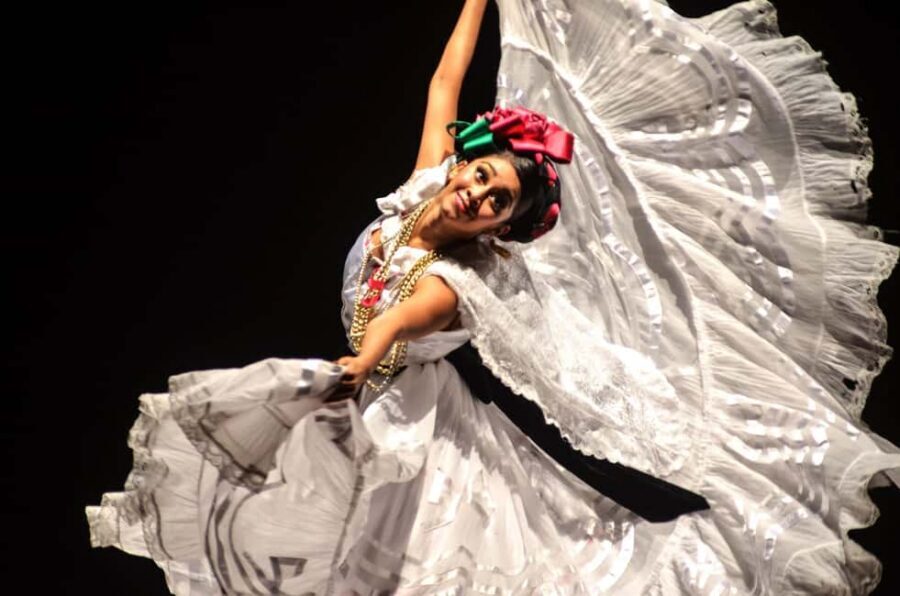
- 70+ years of Amalia Hernández’s vision: a long-running tradition shaped by one of Mexico’s best-known choreographers
- Regional dances in a single hour: you’ll see standouts like the Dance of the Flyers of Papantla, Jarabe Tapatío, and Oaxaca’s Dance of the Feather
- Live traditional orchestra: the music drives the energy and keeps the show feeling immediate
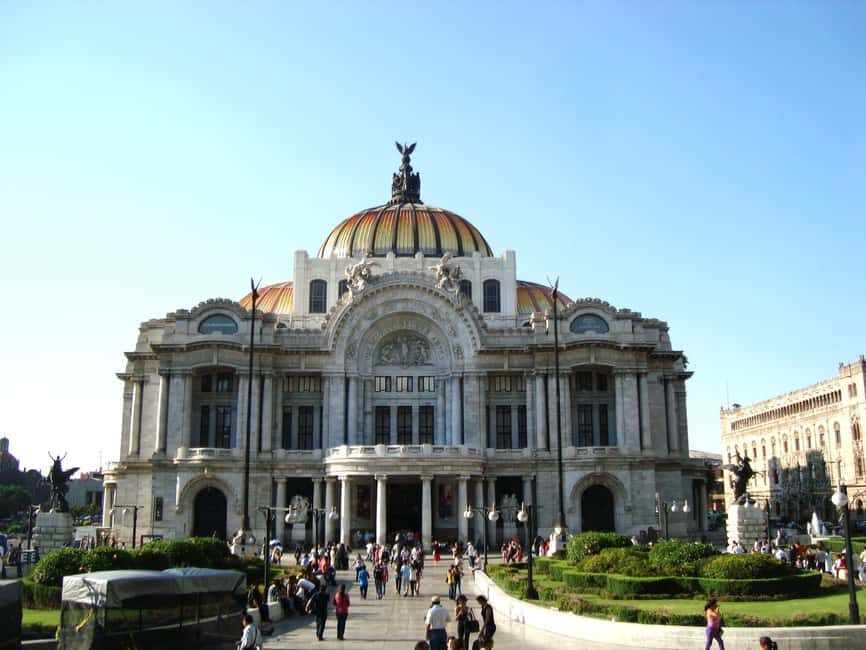
- The Palacio de Bellas Artes is part of the experience: Art Nouveau + Art Deco style, a famous marble dome, and murals by Diego Rivera and David Siqueiros
- You’ll likely be counting on comfort: arrive early, wear comfortable shoes, and expect a fast-moving show from start to finish
- Price-to-seats mismatch can happen: some bookings may not deliver the exact seating expectation, so you’ll want to be ready to get into the right spot
Palacio de Bellas Artes: the theater that turns the whole evening into art
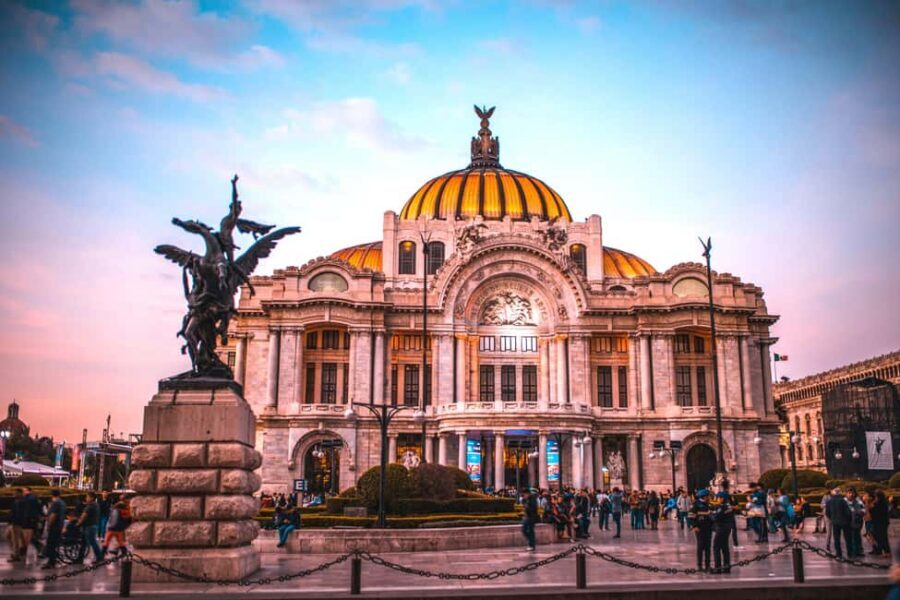
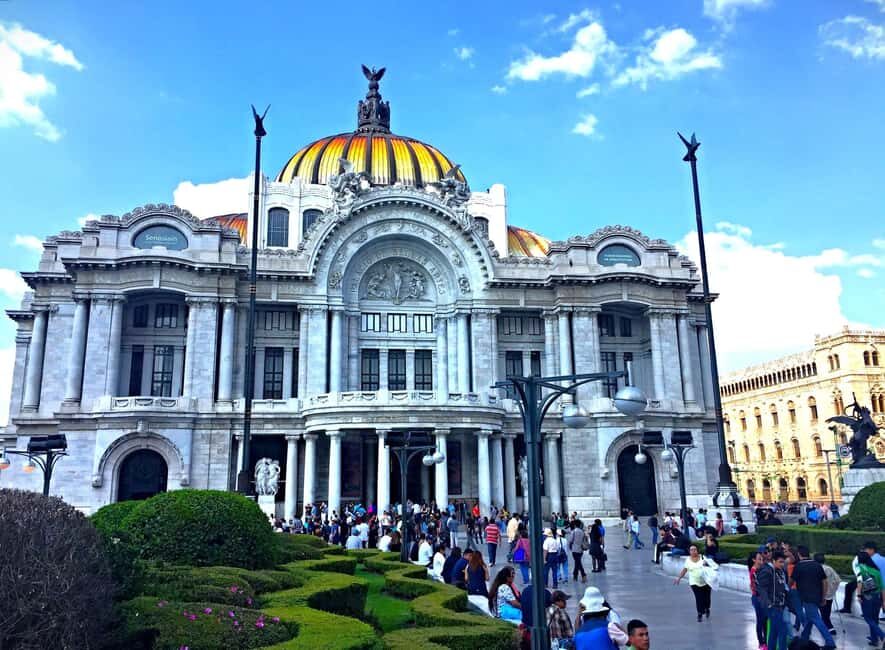
Even before the dancing starts, you’re stepping into one of Mexico City’s most important art spaces. Palacio de Bellas Artes blends Art Nouveau and Art Deco, and its marble dome is the kind of landmark that makes you stop, look up, and re-check you’re really there. It’s also a UNESCO World Heritage site, which matters because the building isn’t just pretty—it’s a cultural symbol.
Inside, you get that classic big-theater feeling: marble, scale, and a sense that the space was designed for performance. The Palacio also features murals by major Mexican artists like Diego Rivera and David Siqueiros, which gives you extra layers of Mexican art even while you’re waiting.
Value note: this is one of the rare shows where the venue isn’t an afterthought. In many cities, a ballet happens in a generic hall. Here, the setting adds to the magic before the first drum hits.
You can also read our reviews of more tours and experiences in Mexico City.


Getting there without stress: hotel pickup and what “ready 15 minutes early” really means
This experience includes transportation from and to your hotel, with pickup at hotel lobbies or Airbnbs in Polanco, Historic Center, Reforma, and Condesa. The key detail is timing: you need to be ready 15 minutes before pickup time.
That matters because the show itself is only about 1 hour, and you don’t want to spend your evening trying to sprint through Mexico City’s traffic or navigation. Plan your meetup, use a reliable map app, and double-check where the pickup point is in your specific block. If you’re staying close to the Historic Center, you still save energy by letting someone handle the logistics.
Language-wise, your driver is listed as Spanish and English, which helps if you need clarification about timing or where to wait.
Arrive early: how to make the entrance feel smooth, not chaotic
You’ll want to arrive at least 30 minutes before the show starts. That early arrival isn’t just a rule—it’s your chance to get your bearings quickly, use the restroom without stress, and settle in before the lights dim.
What to bring is simple:
- Comfortable shoes (you’ll likely do some walking and standing before you’re seated)
- Camera (just remember flash is not allowed)
- Water (no meals or drinks are included)
Also, check the restrictions before you go. Flash photography is not allowed during the performance, and the venue won’t allow things like weapons or sharp objects. If you’re thinking of using your phone for photos, treat flash as a hard no, because you could get stopped mid-show.
One more practical detail: the show is inside the Palacio de Bellas Artes, located in Mexico City’s Historic Center and accessible by public transport. That’s helpful if you ever need a backup plan.
The show itself: 60 minutes of regional dance, myths, and legends
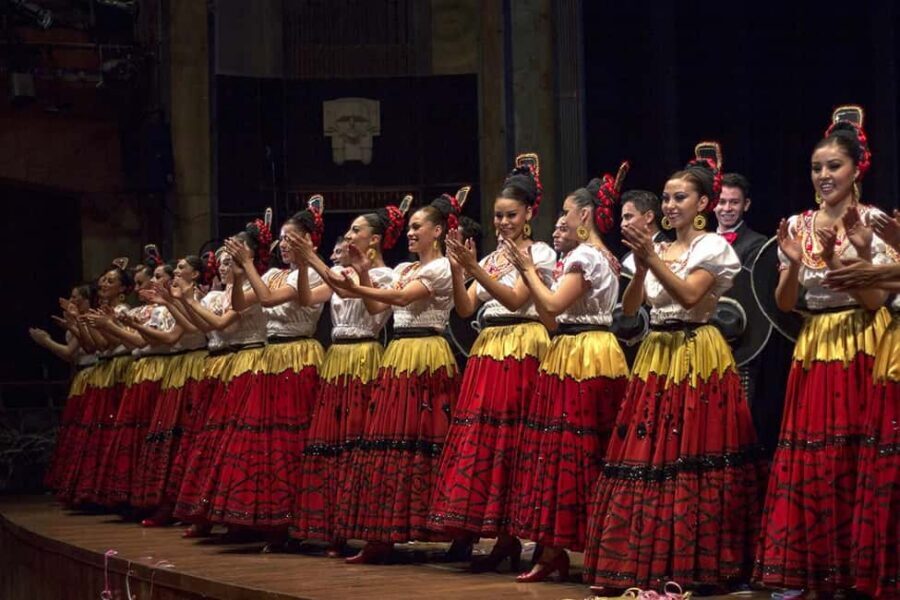
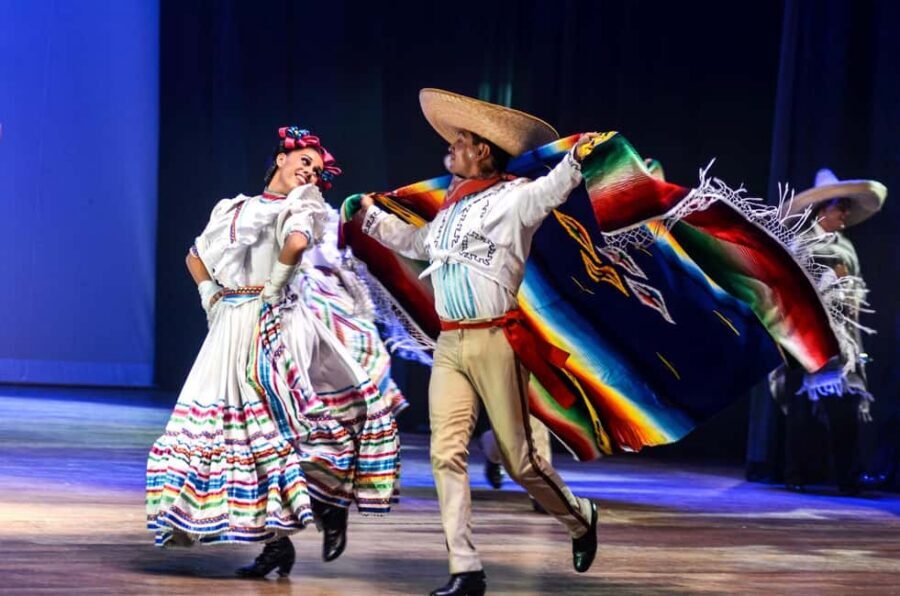
The heart of the experience is the Ballet Folklórico de México, created by Amalia Hernández and based on Mexican traditions, myths, and stories. The production is described as lasting over 70 consecutive years, which is a big deal. It means you’re seeing something refined and repeated enough to feel disciplined, not improvised.
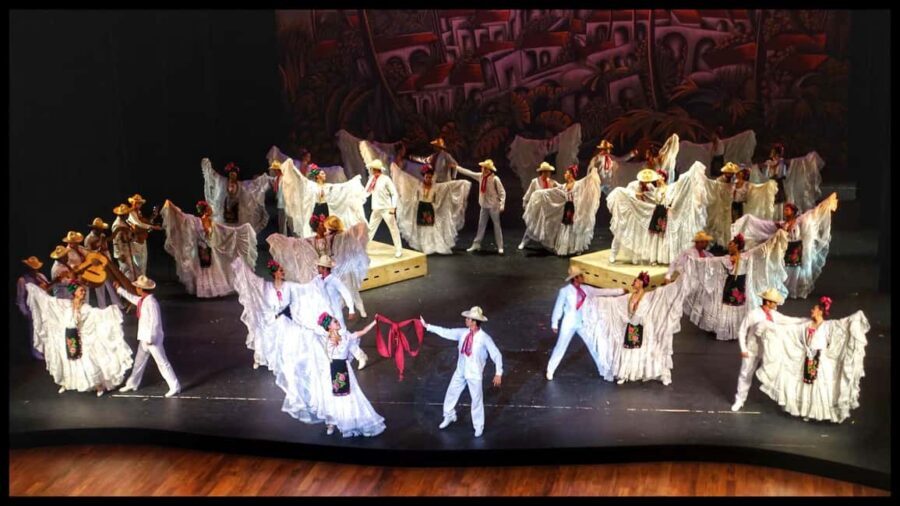
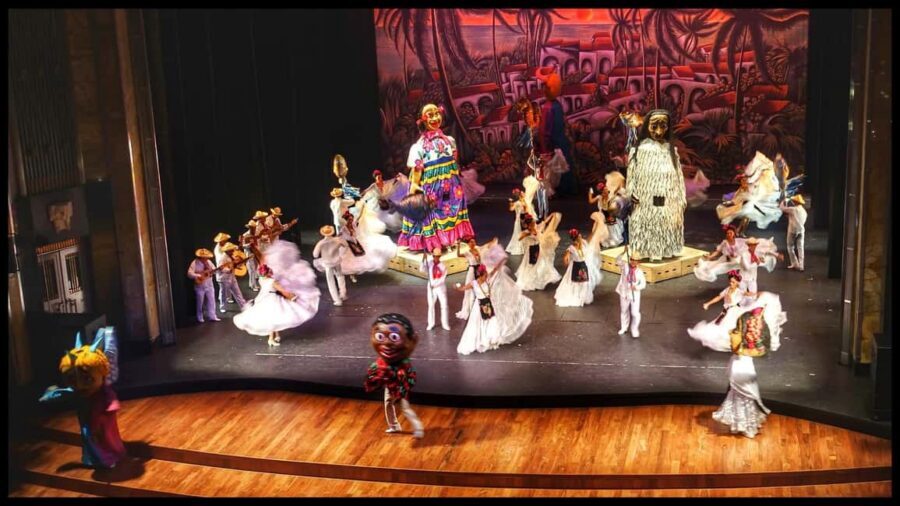
In one hour, you’ll be hit with a sequence of dances that represent different parts of Mexico. Expect costume changes and quick transitions, because there are more than 100 dancers on stage.
Here are some of the featured dances you should look out for:
- Dance of the Flyers of Papantla: famous for its aerial element and deep indigenous roots
- Jarabe Tapatío: often associated with Jalisco, with lively movement and recognizable rhythm
- Dance of the Feather: linked to Oaxaca, known for elegant motion
And those are just a few examples. The show’s structure is built around variety—pre-Hispanic civilizations, indigenous peoples, popular festivities, and regional identity. The goal is to give you a sensory tour of Mexico’s cultural “characters”: community celebrations, traditional costumes, and legendary themes expressed through dance.
If you want a quick way to connect the dots while watching: treat each dance like a chapter. The costume style, the music rhythm, and the dancers’ movement vocabulary each tell you what kind of tradition you’re seeing—festival, ritual, folk storytelling, or regional celebration.
Live orchestral music: why the rhythm matters more than you think
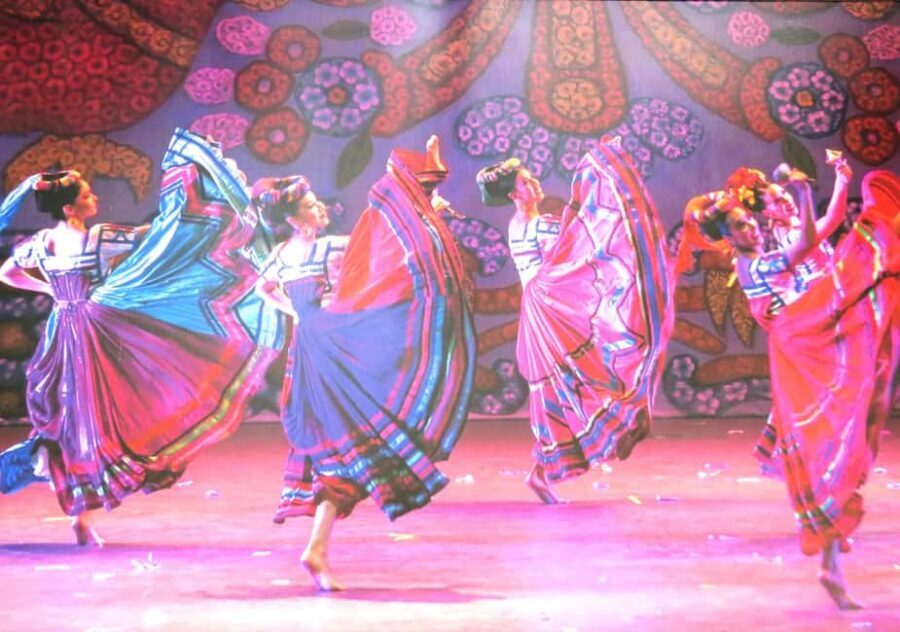
A lot of dance shows can rely on recorded tracks. Here, the choreography is accompanied by live music, performed by a traditional orchestra. That live element changes the whole feel. Musicians add small timing shifts, and dancers respond in real time.
For you, that means the show stays alive. You’re not just watching movements—you’re watching how musicians and dancers breathe together. The music highlights Mexico’s musical richness, and it guides your attention so you don’t just admire the costumes—you follow the story through sound.
Practical tip: even if you’re not fluent in Spanish, you don’t need to be. The pacing and energy communicate the changes between sections. The orchestra cues the transitions, so you’ll know when the show is shifting gears.





Seating and value: the $227 ticket question you should ask yourself
The price listed is $227 per person, and that’s not a casual ticket. So the real question is value: are you paying mainly for the show, or for the whole package (venue + live orchestra + access + pickup)?
Here’s the fair take based on what’s included:
- You’re getting live music, a full folkloric production, access to the Palacio de Bellas Artes, and transportation from and to your hotel.
- The performance includes 100+ dancers and regional dances from multiple Mexican traditions.
- It lasts about 1 hour, which is short enough to feel concentrated.
Now the caution: at this price point, you want predictable comfort. Some bookings have had seating not matching the expected setup, with seating handled as first-come rather than assigned, and that can affect how close you feel to the stage. You might also want to be aware that a venue change close to showtime has happened in at least one case, and it wasn’t communicated until a few hours before.
So I’d do this:
- Arrive early (30 minutes before) to protect your view.
- If you have specific seat expectations, confirm them on the day of the show.
- Keep your plan flexible if you hear about schedule or venue changes.
Comfort and rules: a simple checklist that saves headaches
This is one of those “easy on paper” events that still has a few rules you should respect.
Not allowed:
- Flash photography
- Weapons or sharp objects
- Fireworks or explosive substances
What to bring:
- Comfortable shoes
- Camera
- Water
What to wear: think practical. You’ll be standing and moving a bit before the performance, and once you’re seated, you’ll be there for the duration. Don’t plan to wear something you can only wear once.
Wheelchair note: the experience is listed as not suitable for wheelchair users, so if mobility needs are part of your group, you’ll want to look for an alternative format or venue.
Who this experience fits best (and who might want another plan)
You should consider booking this show if you want:
- A high-impact cultural performance in a short time window
- A strong introduction to Mexican regional dance traditions
- A night out in one of Mexico City’s most iconic performance buildings
You might want to rethink if:
- You’re extremely sensitive to seating quality and need specific sightlines
- You’re the type who hates last-minute uncertainty (in at least some cases, details haven’t matched the original expectations close to showtime)
- You expect food or drinks as part of the ticket (none are included)
A good mindset: go for the cultural experience and the live energy. If you do that, even a less-than-perfect seat still usually ends up worth it because the dance is so dynamic and the orchestra keeps the rhythm moving.
Should you book the Ballet Folklórico at Bellas Artes?
I think it’s a good booking for many people, especially if you want a one-hour snapshot of Mexico’s regional traditions with live orchestral music and a theater setting that feels like part of the story.
Book it if:
- You want a classic, long-running production by Amalia Hernández
- You’re excited to see major folkloric staples like Papantla flyers, Jarabe Tapatío, and the Dance of the Feather
- You’ll arrive early and you’re okay being flexible about the exact seating experience
Skip it or look for an alternative if:
- You need fully guaranteed assigned seating and perfect view every time
- You can’t handle potential last-minute changes in details near showtime
- Mobility access is required, since it’s listed as not suitable for wheelchair users
If you go in with that realistic expectation, you’re likely to come away appreciating how much work goes into keeping tradition alive on stage—costumes, rhythm, and storytelling all in one tight evening.
FAQ
Where does the Ballet Folklórico happen?
The performance takes place at Palacio de Bellas Artes in Mexico City’s Historic Center.
How long is the show?
The experience lasts about 1 hour.
What price should I expect?
The price listed is $227 per person.
What’s included in the ticket?
It includes live music, a traditional dance showcase, access to the Palacio de Bellas Artes, and transportation from and to your hotel.
Are meals or drinks included?
No. Meals and drinks are not included.
What languages is the driver available in?
The driver is listed as Spanish and English.
Is flash photography allowed?
No. Flash photography is not allowed during the performance.
What should I bring?
You should bring comfortable shoes, a camera, and water.
Is the experience wheelchair accessible?
It is listed as not suitable for wheelchair users.
How early should I arrive?
You should arrive at least 30 minutes before the show starts. Also, be ready 15 minutes before the pickup time if you’re using hotel transportation.