REVIEW · SAN MIGUEL DE ALLENDE
Dolores Hidalgo & Sanctuary of Atotonilco
Book on Viator →Operated by Catrina Tours MX · Bookable on Viator
Dolores Hidalgo has a way of putting Mexico’s independence story in your hands. This private day trip links the Parroquia Nuestra Señora de los Dolores, the Atotonilco Sanctuary, and a lavender cooperative, so you get two major historic settings plus a quieter craft stop in one go. I like how it’s paced for real sightseeing time, not a race.
I also like the small-group feel that comes with a private setup. Guides such as Diego, Alejandro, Felipe, and Angie were praised for making the buildings and events click, and the day often leaves room for personal tastes like ice cream stops. The one drawback to weigh: the guided portion runs about 5 hours, so if you want a full, uninterrupted day at every site, you may feel the schedule is a bit short.
In This Review
- Key Things to Know Before You Go
- Dolores Hidalgo and Atotonilco: Two Historic Stops in One Day
- Price and Value: Is $635 Worth It?
- Hotel Pickup, Timing, and How to Use Your Free Afternoon
- Stop 1: Parroquia Nuestra Señora de los Dolores in Dolores Hidalgo
- Stop 2: Atotonilco Sanctuary and the Town Streets
- Stop 3: El Proyecto de Lavanda and Lavender Products
- Guides, Group Size, and What Private Really Means
- Food and Shopping: Ice Cream, Market Bites, and Crafts
- Weather, Comfort, and Practical Tips That Actually Help
- Should You Book This Tour?
- FAQ
- How long is the guided portion of this tour?
- Do I get hotel pickup and drop-off?
- Is admission included for the stops?
- Is this a private tour?
- What should I know about El Proyecto de Lavanda on Sunday?
- What’s included in the tour besides the guides?
- Is there a mobile ticket?
- What happens if weather is bad?
Key Things to Know Before You Go
- Two major historic stops in one day, so the “why” behind the architecture is part of the trip, not background noise
- Hotel pickup and drop-off plus an A/C vehicle, which matters when you’re moving between towns
- Admission tickets are included for all three scheduled stops, so you’re not hunting for paperwork on the fly
- Private means your pace, and you can ask for practical stops like market bites or dessert breaks
- Lavender cooperative timing: the shop is not available on Sunday, so you’ll want to plan around that
- About 5 guided hours, then free time—great if you like flexibility, less ideal if you prefer a tightly packed itinerary
Dolores Hidalgo and Atotonilco: Two Historic Stops in One Day
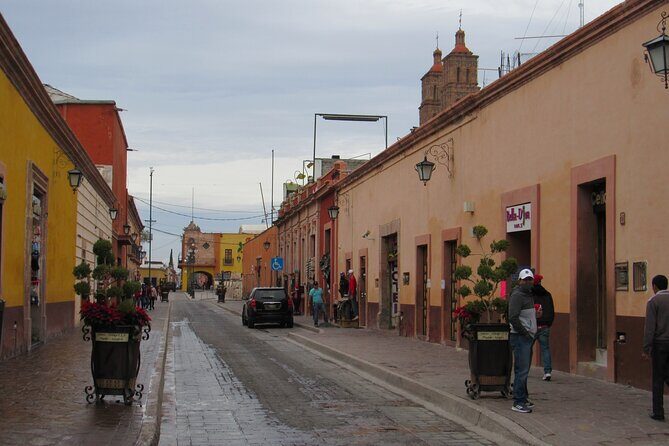
This is the kind of tour that’s built for travelers who like context. Dolores Hidalgo isn’t only a charming town; it’s closely tied to Mexico’s independence story. When you visit the parish church area there, you’re stepping into a setting where symbolism, politics, and local life all overlap.
Then Atotonilco changes the mood. The sanctuary is a place you feel in your bones—more reflective, more architectural, and usually less about shopping and more about walking, looking, and taking in the atmosphere. The payoff is that the day doesn’t bounce between random “points of interest.” It moves between two meaningful places and gives you a second pulse of time in the streets afterward.
What makes this format especially practical is that it’s private. That usually means less waiting around and more “go when you’re ready.” If you’re the type who likes to stop and read plaques, zoom in on details, or simply move slower, you’ll appreciate the pacing.
You can also read our reviews of more tours and experiences in San Miguel de Allende.


Price and Value: Is $635 Worth It?
At $635 per person, the price is not low-cost. But it’s also not just a driver and a map. You’re paying for:
- Private guiding for the core sites
- Hotel pickup/drop-off
- An A/C vehicle and bottled water
- Admission tickets included at the scheduled stops
- A setup that often includes time for street-level tastes when your guide can make that happen
Whether it’s a good value for you depends on your style. If you’d rather spend money to reduce logistics stress—transport, tickets, and interpretation—this format can feel fair. If you’re trying to do everything as cheaply as possible on your own, then yes, it will feel expensive.
The other value angle is time. From San Miguel de Allende, a day like this keeps you from piecing together rides, ticket lines, and interpretation in separate chunks. And because the tour is about 8 hours total but only around 5 hours guided, you’re not locked into the van the whole day.
Hotel Pickup, Timing, and How to Use Your Free Afternoon
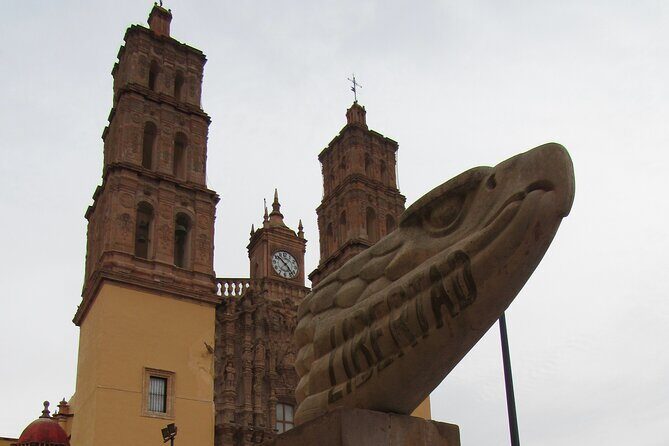
The tour runs about 8 hours end-to-end with hotel pickup and drop-off, and the guided portion is roughly 5 hours. That structure is quietly smart. It helps you get the main sights with context, then leaves you with breathing room later.
In practice, that means you can treat the free portion as your choice:
- stay close to the towns you visited and keep wandering
- or head back with a less rushed feeling than a full-day “everything until sunset” schedule
One practical note: the day works best when you plan for uneven pacing. There are a couple of longer stops (about 2 hours each for Dolores Hidalgo church/parish area and Atotonilco), plus a 1-hour lavender cooperative visit. That’s enough time to see what matters without feeling like you’re stuck in a queue.
Also, because the experience uses a vehicle and includes bottled water and A/C, you’re not going into heat and travel discomfort completely raw. Still, pack your own basics: sunscreen, a hat, and comfortable shoes.
Stop 1: Parroquia Nuestra Señora de los Dolores in Dolores Hidalgo
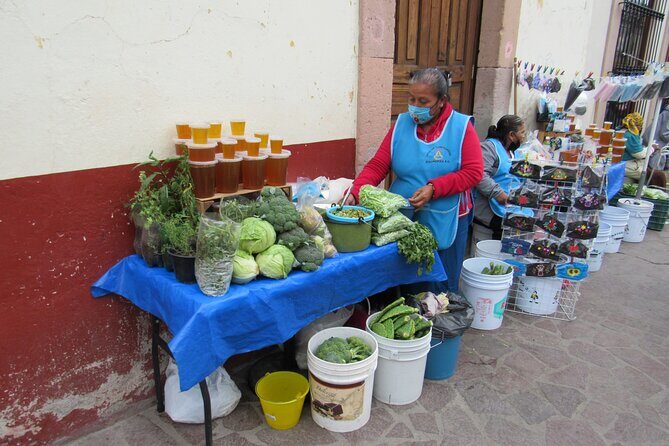
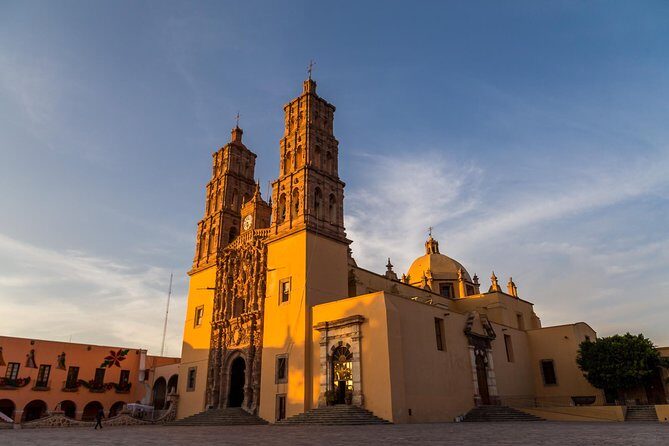
Dolores Hidalgo is where the day earns its independence movement credibility. The star here is the Parroquia Nuestra Señora de los Dolores, and the stop lasts about 2 hours with admission included.
This is the part of the day where you’ll get the strongest sense of “why this town matters.” The best tours at sites like this do more than point. They help you interpret what you’re seeing—how the church setting connects to local identity and key moments in Mexico’s story.
From what I’d expect on a well-run tour, you’ll get a mix of:
- time at the parish church area
- chances to orient yourself using nearby public spaces
- and time for street-level life, like a market walk
One detail worth thinking about: Dolores Hidalgo is also known for crafts and colorful tilework, including Talavera-style designs. Even if you don’t buy anything, it’s the kind of place where visuals stick with you, especially when your guide ties them to the local culture rather than treating them as wallpaper.
Possible drawback here: because this is one of the longer stops, if you’re hoping for intense shopping time in Dolores Hidalgo, you may need to be strategic. Ask your guide early whether you can squeeze in a bit of browsing during the market or around town, and set a clear expectation about what you want to see.
Stop 2: Atotonilco Sanctuary and the Town Streets
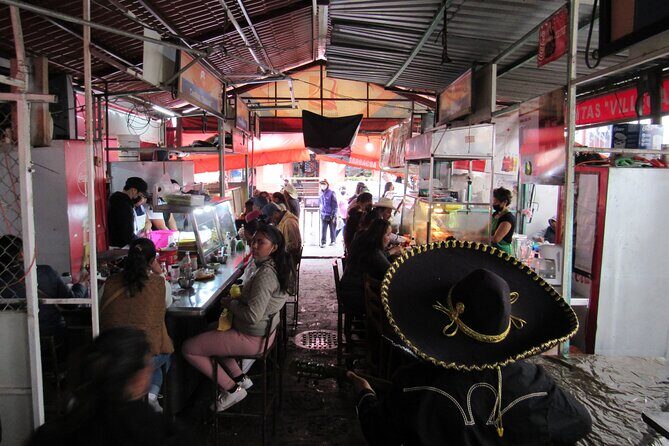
After Dolores Hidalgo, the tour shifts into a more contemplative mode with the Atotonilco Sanctuary (Sanctuario de Atotonilco). This stop also runs about 2 hours, and admission is included.
What I like about pairing the sanctuary with free town-wandering is that it keeps you from viewing the site only as a set of walls. The sanctuary is important, yes, but the surrounding streets help you understand how people live around historic religious centers. It’s the difference between seeing a building and experiencing a place.
Guides matter a lot here. People called out how Alejandro and others were patient and good at connecting what you see—buildings, layout, and local meaning—to the bigger story. That’s the kind of interpretation that turns a “pretty stop” into a real understanding moment.
The practical consideration: At a sanctuary, your pace is mostly your own. That’s good for most people, but it also means you should wear shoes that can handle walking and standing. If you’re tired, the sanctuary can feel longer than it looks on a map.
If you want photos, plan to pause rather than rushing. The best pictures usually come when you’re standing still for a moment and letting the light and angles land.


Stop 3: El Proyecto de Lavanda and Lavender Products
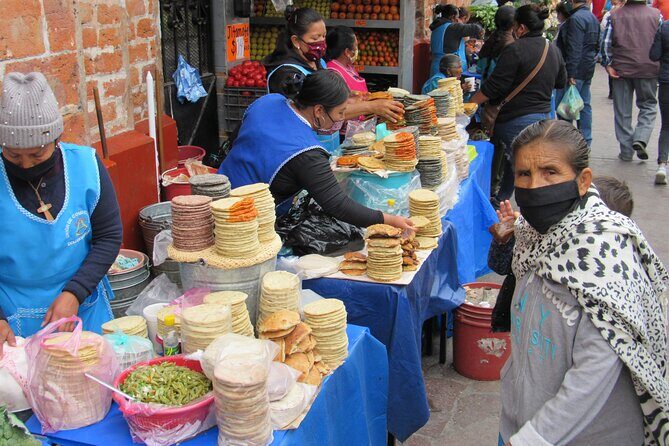
The third stop is El Proyecto de Lavanda, a cooperative that focuses on lavender products. This part of the day is about 1 hour, and admission is included.
This is a nice counterbalance to the heavy history stops. Lavender often feels like a “lighter” subject, but the cooperative angle is what makes it meaningful. You’re not just looking at merchandise; you’re getting the story of how the product is made and how the cooperative works.
There’s also an important timing detail: the store is not available on Sunday. So if you’re booking a Sunday, treat this stop as mostly informational and walking-through oriented. If buying lavender products matters to you, confirm what will be open and whether there’s a workaround (like timing changes) when you book.
The value of the stop: you get one hour that’s more personal and human than purely architectural. It’s the kind of stop that can turn into a small souvenir you actually care about.
Guides, Group Size, and What Private Really Means
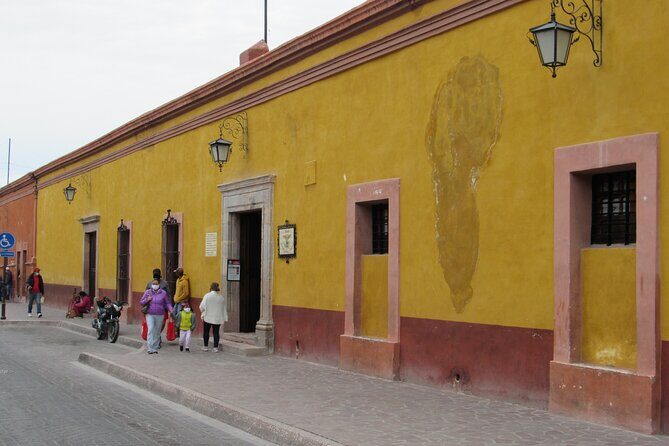
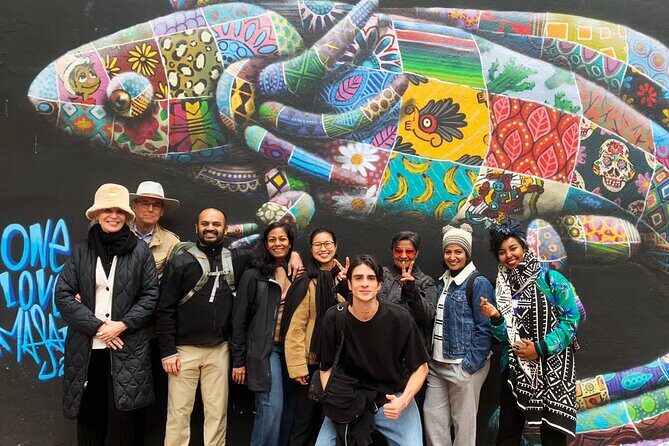
This is a private tour, meaning only your group participates. For most people, that matters more than they expect. You spend less time waiting, and the guide can adjust on the fly when you move slower, ask a question, or want to add a quick stop.
You also get better communication. In the feedback for this experience, guides like Diego, Felipe, Alejandro, and Angie were singled out for explaining events and buildings in ways that helped the day feel understandable instead of like a checklist.
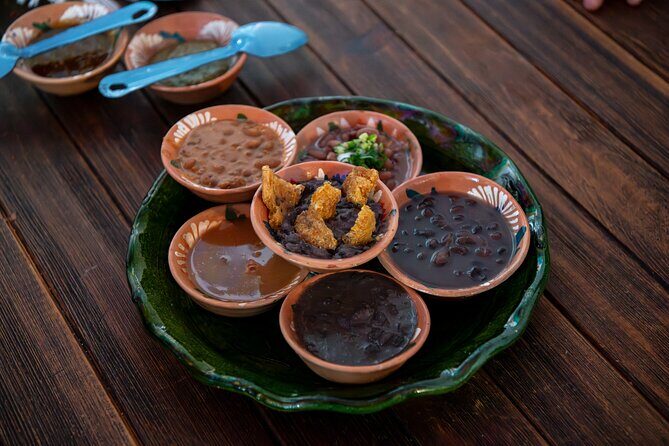
One more practical point: a guide can steer you toward food and small moments that you might not find on your own. In this case, people praised ice cream and even carnitas cart recommendations in town. That doesn’t mean food is included automatically, but it means you can often build in those tastes with less guesswork.
If you like a specific style of travel—history plus real-life street food moments—private guiding is the easiest path.
Food and Shopping: Ice Cream, Market Bites, and Crafts
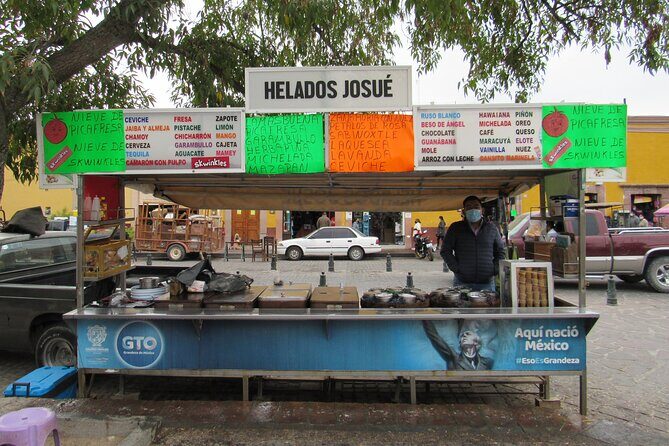
Dolores Hidalgo has a way of making dessert feel like part of the lesson. People highlighted ice cream with unusual flavors and also mentioned enjoying sweets in the Jardin area. That lines up with why I’d call food breaks a legitimate part of the experience, not an afterthought.
Here’s the practical way to handle it:
- If you want street or market food, ask in advance. That’s the smart move and it prevents awkward moments when you’re hungry and unsure what’s possible.
- Bring a bit of extra cash or a payment method you trust for small purchases.
- Keep expectations flexible. You’ll likely do better with a guide choosing your moments than trying to self-navigate when you’re in a new town.
For shopping, focus on things tied to place: craft work, tile-inspired decor, and lavender products from the cooperative stop. If you’re the type who likes browsing but not heavy buying, still set aside time to look. In towns like this, the best souvenirs are often small and local rather than large and mass-produced.
Weather, Comfort, and Practical Tips That Actually Help
This experience requires good weather. If it’s canceled because of weather, you’ll be offered a different date or a full refund. That’s worth taking seriously. Even if your history sites are indoor/outdoor-mixed, weather can affect walking comfort and the feel of the day.
For comfort, this tour does include bottled water and uses an air-conditioned vehicle. That helps a lot on a long day. But don’t let that lull you into packing light. You’ll still be walking in town and at the sanctuary.
My quick packing checklist for this kind of route:
- comfortable shoes with grip
- a hat and sunscreen
- a light layer (church/sanctuary interiors can feel cooler)
- a small bag for purchases
- payment for snacks and crafts (food isn’t listed as included)
Also, since the tour includes scheduled admission at each stop, you’ll want to arrive ready to go once you park. You don’t want to waste the good part of the day waiting for everyone to reassemble.
Should You Book This Tour?
I’d book it if you want a day trip that’s more than transportation from San Miguel de Allende. You’re getting two major historic settings—Dolores Hidalgo’s parish area and the Atotonilco Sanctuary—plus a cooperative lavender stop that adds a different kind of local story.
It’s also a strong fit if you care about interpretation. People praised guides like Diego, Alejandro, Felipe, and Angie for explaining what you’re seeing in a way that makes the sites feel connected instead of random.
Skip it or think twice if you want a long, unbroken day at each site, or if you’re very price-sensitive. At $635 per person, the value comes from the private guiding, tickets included, and the reduced hassle. And if you’re traveling on Sunday, remember the lavender store isn’t available, so plan for that.
If that all sounds like your style, this is the kind of tour that turns a single day into a real sense of place.
FAQ
How long is the guided portion of this tour?
The total experience runs about 8 hours, and the guided portion is around 5 hours, with the rest of the day free.
Do I get hotel pickup and drop-off?
Yes. Pickup and drop-off are provided from your hotel.
Is admission included for the stops?
Yes. Admission tickets are included for Parroquia Nuestra Senora de los Dolores, Atotonilco Sanctuary, and El Proyecto de Lavanda.
Is this a private tour?
Yes. It’s a private tour/activity, and only your group participates.
What should I know about El Proyecto de Lavanda on Sunday?
The information says the store is not available on Sunday.
What’s included in the tour besides the guides?
You get an air-conditioned vehicle and bottled water.
Is there a mobile ticket?
Yes. The tour includes a mobile ticket.
What happens if weather is bad?
If the experience is canceled due to poor weather, you’ll be offered a different date or a full refund. You can also cancel for free up to 24 hours in advance for a full refund.