REVIEW · MEXICO CITY
Colonial Treasures: San Miguel de Allende, Guanajuato, Zacatecas and Guadalajara
Book on Viator →Operated by Mexitours · Bookable on Viator
This route hits four colonial showstoppers fast. It’s a tightly guided, multi-day sweep through Mexico’s historic towns, with museum time and city-center wandering designed to help you actually understand what you’re looking at. I like that UNESCO-level places show up, not just pretty streets, and that breakfasts and lodging are built in so you can spend your mental energy on sightseeing.
I especially enjoy the built-in focus on San Miguel de Allende and Guanajuato—two cities where the details matter, from church architecture to street quirks and underground lanes. You’re also traveling with a small group setup (max 8), and you get a local bilingual guide rather than a quick drive-by photo stop.
One consideration: the days are packed, with long drives and early departures, so the timing can feel rushed—especially if you have strong opinions about what you want to see. Also, even though the tour is advertised as bilingual, English quality can vary by guide, so it’s worth checking language expectations upfront.
In This Review
- Key things to know before you go
- What this 10-day route really gives you (and what it doesn’t)
- Landing in Mexico City: the easy start that sets the tone
- Queretaro first: a UNESCO downtown with room to breathe
- San Miguel de Allende: church-and-charm with real artisan time
- Dolores Hidalgo and the independence story you can actually place
- Guanajuato’s underground streets and picture-perfect angles
- Zacatecas at 8,100 feet: cathedral drama and El Eden Mine
- Guadalajara: mariachi and church-and-plaza classics
- Tequila-area visits and the Lake Pátzcuaro lead-in
- Morelia’s pink cantera and the Sweet Market stop
- Mexico City finale: Zócalo, Templo Mayor, and Chapultepec
- Pace, seating, and the language factor (where good trips can wobble)
- Price and value: what $1,405 buys you in real terms
- Who this tour fits best
- Should you book Colonial Treasures?
- FAQ
- Which cities and towns are included on this tour?
- How long is the tour and when does it start?
- What is included in the price?
- Do you provide airport pickup and transfers?
- What hotel quality should I expect in different cities?
- What is the cancellation window for a full refund?
Key things to know before you go
- Max 8 travelers: small-group pacing, but you still move as a group, day after day.
- Bilingual guide quality varies: some groups have reported uneven English clarity depending on the guide assigned.
- Breakfast + lodging are included: nine nights, plus daily mornings handled for you.
- Zacatecas includes a mine: El Eden is on the program via an aerial cable car, which some people love and others skip if they have a museum mood.
- You’re not only visiting the tour-title cities: Queretaro, Dolores Hidalgo, Pátzcuaro, Morelia, and Mexico City are part of the ride too.
- You start at 9:00 am: great for covering ground, but it can mean late arrivals at some stops.
What this 10-day route really gives you (and what it doesn’t)
This isn’t a slow-food vacation. It’s a classic “see-the-major-stuff-and-understand-it” style itinerary. In about 10 days, you’ll cover Mexico City, Queretaro, Dolores Hidalgo, San Miguel de Allende, Guanajuato, Zacatecas, Guadalajara, Tequila-area stops, Pátzcuaro/Morelia, and then back to Mexico City for a big final day.
The value is in the structure. Hotels (four-star in most towns and five-star in Mexico City) and nine breakfasts take logistical pressure off your plate. Add a local guide who explains what you’re seeing—cathedrals, plazas, museums, and cultural landmarks—and you don’t just end up with a memory card full of selfies.
What it doesn’t promise is free time. If you love lingering in one plaza for an hour, this tour may feel like a whistle-stop. You’ll get highlights, but the pace means you may not fully “own” a city on your terms. Think of it as a guided sampler platter. Delicious, but not the whole menu.
You can also read our reviews of more tours and experiences in Mexico City.

Landing in Mexico City: the easy start that sets the tone
Day 1 is straightforward: arrival transfer from Mexico City International Airport (Benito Juárez) to your hotel, with about a two-hour block for getting settled. This matters more than it seems. Mexico City traffic can be chaotic, and arriving late on your own usually eats half a day. Here, your first contact is handled for you.
Then, you don’t jump into a big sightseeing sprint immediately—your first full museum-and-streets day begins after that handoff. It’s a simple way to make the rest of the trip feel doable.
Queretaro first: a UNESCO downtown with room to breathe
Queretaro is a strong early choice because the city center is compact and very walkable. You’ll visit the Historic Monuments Zone (named a UNESCO World Heritage site in 1996), and you’ll see the colonial vibe you’re hunting for: preserved historic downtown, pedestrian areas, and plazas that don’t feel like an afterthought.
On the program you’ll cover the historic district plus two standout sites:
- the aqueduct
- the Convent of the Crosses
Why I like this stop so much early in the trip: Queretaro gives you a visual “baseline” for colonial Mexico. After this, the next towns don’t feel random. You start noticing how churches, civic buildings, and street patterns tell a story.
San Miguel de Allende: church-and-charm with real artisan time
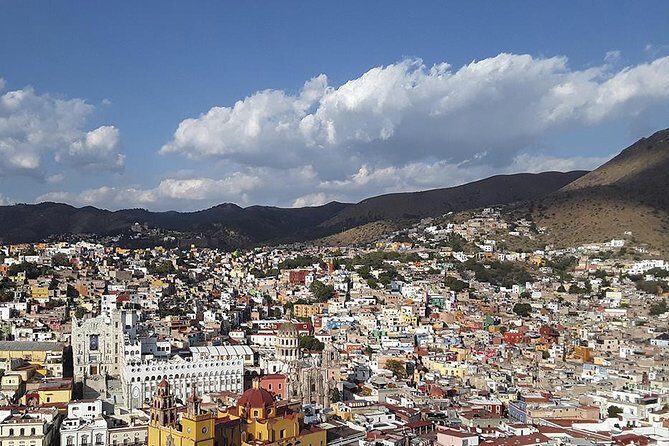
San Miguel de Allende is the kind of place that pulls you in even if you don’t plan to buy anything. You visit the Parroquia de San Miguel de Archangel, including the Holy House Chapel. This church is one of those landmarks that makes sense the minute you’re standing in front of it—color, shape, and details all doing their job.
Then you get afternoon time that isn’t just sightseeing from the curb. You’ll have a chance to browse for handicrafts, plus stop into restaurants or bars if your energy level is good. The route also matters here: starting with the iconic church first, then shifting to the artisan streets, helps you appreciate how the city’s creative scene sits alongside its religious architecture.
One note from how the itinerary is timed: some people have reported hotel splits that can create extra waiting time for the van. If you’re staying at a site that’s different from the main hotel group, ask what the pickup routine will be so you can plan for that extra buffer.
Dolores Hidalgo and the independence story you can actually place
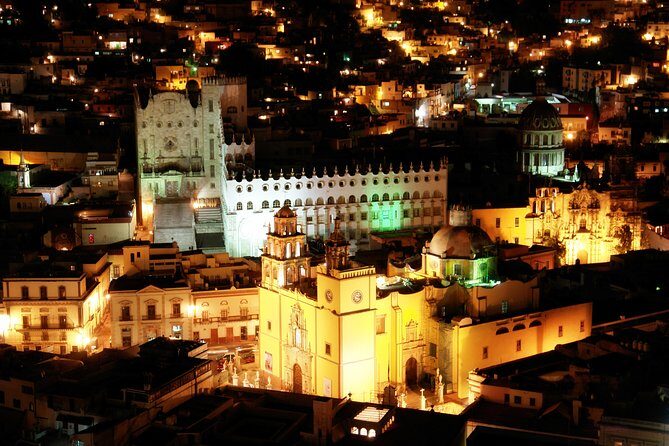
Dolores Hidalgo is on the route for good reason: it’s described as the cradle of Mexico’s Independence. You’ll make time at the Parroquia where the story begins—Father Don Miguel Hidalgo is tied to the Independence start in 1810 here.
Even if your independence timeline isn’t perfect right now, the visit anchors it. It’s not just a plaque. It’s a town that gives the history a physical setting—church, streets, and the sense that this is where an era turned.
The only drawback is that it can feel like a “bonus stop” rather than the main event. If you’re the type who wants fewer stops and more walking per stop, this is the day where you may feel the pressure of the overall pace.



Guanajuato’s underground streets and picture-perfect angles
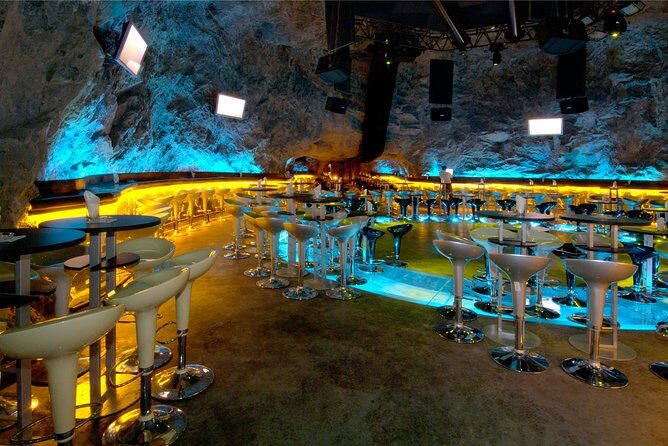
Guanajuato is one of Mexico’s most distinctive city shapes. You’ll spend time exploring colonial alleys and plazas, plus some of the museums and city landmarks that make Guanajuato feel like a place with its own rules.
Highlights on the program include:
- the University
- the Juárez Theater
- the Museum of Don Quixote
- the Museum of the Mummies
- the “kissing alley”
- Diego Rivera’s house
- the Alhóndiga de Granaditas
- the Regional Museum of Guanajuato
Two things make Guanajuato click. First, it’s not flat. The route talks about streets and subterranean avenues being one of a kind, and you feel that uniqueness while moving around. Second, the city’s cultural layer isn’t only “history behind glass.” It’s also performance and art, tied to places like the theater and Rivera’s connection.
If you’re worried about language, this is one of the days where the guide narration really helps. Guanajuato rewards context. The “why” makes the “wow” stronger.
Zacatecas at 8,100 feet: cathedral drama and El Eden Mine
Zacatecas is built for altitude views and grand architecture. The tour describes it as a city of enormous beauty and Mexican pride, and it’s specifically framed as a World Cultural and Historic Heritage Site. At 8,100 feet above sea level, you’ll notice the thin-air feeling—plan to take breaks, especially right after you arrive.
You’ll visit the Catedral de Zacatecas and see the standout baroque style mentioned for the cathedral and other monuments in the historical district. This is classic colonial power made visible: the center is dominated by the cathedral, and the buildings around it feel designed to hold your gaze.
Then comes El Eden Mine. You descend via an aerial cable car to visit the mine. That’s the kind of side activity that can be either a memorable contrast or a time sink, depending on your interests and energy.
If you’re mine-curious, great. If not, here’s the practical reality: some people have preferred spending time on major museums instead of going underground, and they specifically mentioned the Museo de los Hermanos Coronel as a better fit for their day. That museum isn’t listed as part of the included program, so if you’d rather go that route, your best move is to ask the day-of whether there’s flexibility. Otherwise, expect the mine to be a real agenda item.
Guadalajara: mariachi and church-and-plaza classics
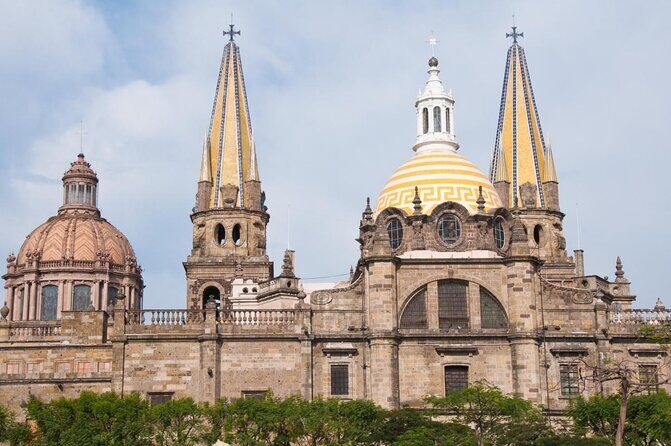
Guadalajara is where the itinerary leans into the region’s cultural icons—tequila and mariachi get name-checked as birthplace themes. You’ll tour the historic center and major downtown anchors:
- Plaza Tapatía
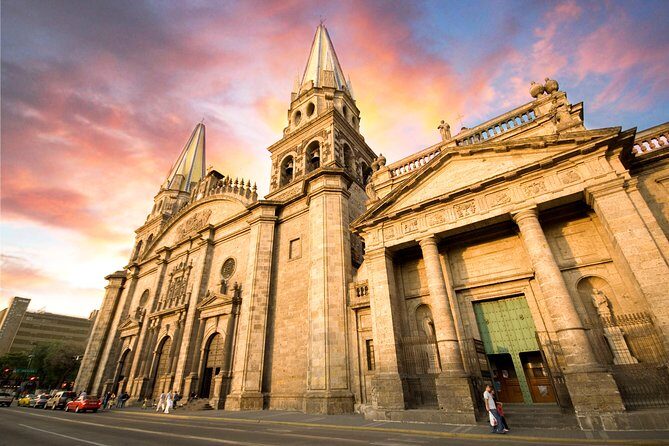
- the Metropolitan Cathedral
- the Government Palace
- the Degollado Theater
Why these stops work: they’re central, they’re photogenic, and they’re designed to frame how Guadalajara feels—civic power around public space, plus performance culture that shows up in a theater landmark.
One caution if you’re an art specialist: Guadalajara’s program in the tour data focuses on specific landmarks, and it doesn’t mention Orozco murals. If murals are your must-see, make a separate plan, because this itinerary isn’t built around that kind of specialist detour.
Tequila-area visits and the Lake Pátzcuaro lead-in
This part of the trip is where you get a taste of the tequila world and then pivot toward the Lake Pátzcuaro region.
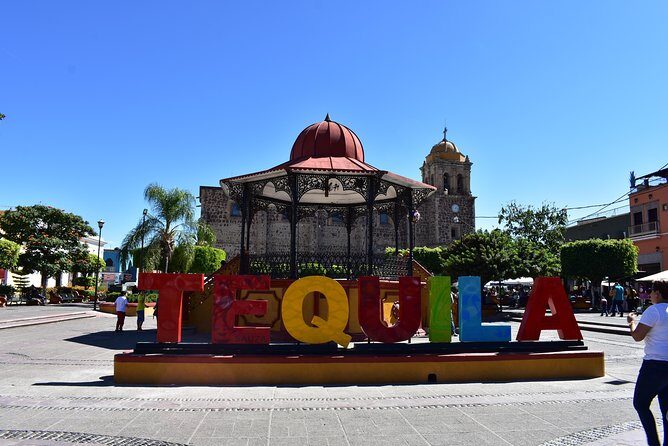
You start with a visit at Vicente Fernández’s ranch, plus a stop at Tres Potrillos souvenir store, described as the largest cowboy store in the world. You can visit as far as the guards allow and see some interior areas, with a tomb stop where you can pay respects.
Then the program shifts to Pátzcuaro, described in Purépecha as gateway to heaven. You’ll see highlights like:
- the Basilica of Our Lady of Health
- the House of the Eleven Patios
- the historic center
- the Island of Janitzio
And yes, there’s time framed for meals in the downtown portals area, with typical and international dishes at local cafes and restaurants. This is one of the few moments in the itinerary where food feels like part of the experience, not a last-minute necessity.
Morelia’s pink cantera and the Sweet Market stop
Morelia is where the trip gets extra architectural. It’s listed as a Cultural and Historic Heritage site and known worldwide for colonial buildings in pink cantera stone. That’s the kind of detail that makes the city feel like a single cohesive stage set.
Your Morelia tour covers:
- Morelia Cathedral
- Government Palace (noted as originally the Tridentine Seminary of Valladolid)
- Clavijero Palace
- Plaza de Armas (the city’s largest square)
- Guadalupita Temple at San Diego Convent, with Indian baroque décor
- the aqueduct
- Mercado de Dulces, also called the Sweet Market
The Sweet Market is one of those stops that doesn’t require you to be a foodie to enjoy it. It’s a sensory break in the middle of an agenda-heavy trip. Candied coconut and sweetened fruits and vegetables are called out, along with traditional local handicrafts. Even if you just snack a little and browse, it gives the day a lighter rhythm.
Mexico City finale: Zócalo, Templo Mayor, and Chapultepec
After days in smaller colonial cities, Mexico City comes back in a big way on Day 9. You’ll tour highlights of the UNESCO designated Cultural and Historic World Heritage Site with:
- the National Palace and Diego Rivera murals
- Constitution Square (Zócalo)
- the Aztec Templo Mayor
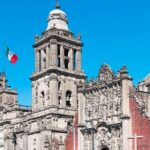
- the Metropolitan Cathedral
Then the itinerary shifts to:
- Chapultepec Park
- Zona Rosa for restaurants and shops
This mix is smart. You get the layers: Aztec roots, colonial and civic power, and then a modern neighborhood feel where you can decompress. It’s also the perfect closing day because you can choose how hard you want to push your energy level.
On Day 10, you’re transferred back to the airport in time for your flight.
Pace, seating, and the language factor (where good trips can wobble)
This tour has a structure that favors efficiency. That also means it has friction points.
Here are the main ones to watch for:
- Long drive days: The itinerary is built around covering multiple regions. Some days can feel like you arrive, see the main hits quickly, and then move on.
- English clarity can vary: The tour is advertised as bilingual, but actual English delivery can depend on which guide you get. One guide name that has popped up with English-clarity complaints is Fabrizio, and another is Umberto. I’d still recommend you confirm that your guide will be primarily English speaking before you lock it in.
- Hotel pickup timing: If your group is split across different hotels in a city like San Miguel de Allende, you may spend extra time waiting for the van. In practice, ask where pickup will happen and how long the route tends to take.
- Sound levels and comfort: In-van music and the overall noise level can matter on long drives. Bring a small pair of earplugs. It saves your sanity more often than you’d think.
- Seat placement: If you’re at the back, you may catch less narration during stops and orientation. It helps to move seats when asked so you don’t miss the guide’s key explanations.
The upside? With max 8 travelers, you’re not stuck in a giant bus herd. You can ask questions, and your guide can sometimes adjust to your needs—assuming communication is smooth.
Price and value: what $1,405 buys you in real terms
At $1,405 per person for about 10 days, you’re not just paying for a couple of guided walks. You’re paying for:
- nine nights of accommodation
- breakfast every morning (nine breakfasts)
- shared airport transfers airport-to-hotel and back
- a local bilingual speaking guide
- entrance tickets on most of the key visits
- a small-group experience (maximum of 8)
Hotel quality is also part of the value. The tour notes five-star options are only available in Mexico City, while the rest of the towns use four-star hotels. That’s a common tradeoff on multi-city routes, and it’s still a step above what you’d typically cobble together solo without spending extra time hunting deals.
You’ll still pay for food and drinks unless specified. But with breakfast covered and sightseeing arranged, your daily spending is usually less chaotic than an all-inclusive style package.
If you hate planning, this is where the price makes sense. If you love slow wandering and you’re comfortable arranging trains and private drivers, you might find cheaper ways to do it. Still, the main selling point here is that someone else handles the chain of logistics—and the guide helps you make sense of it while you’re there.
Who this tour fits best
This works well if you:
- want a guided introduction to colonial Mexico in a single trip
- like seeing major sights without planning each day’s route
- enjoy museums, plazas, and architectural landmarks
- prefer small-group travel over long public-transport days
It’s less ideal if you:
- need lots of free time in each city
- want to obsess over one niche topic (like specific mural programs) rather than the set itinerary
- are very sensitive to guide language clarity and want guaranteed primary English narration no matter who’s assigned
Should you book Colonial Treasures?
I’d book this if you want a structured, high-value route that strings together major colonial-era highlights with real guided explanation—and you’re okay with a brisk pace.
I’d hesitate if you’re the kind of traveler who wants to linger for hours in one place, or if you specifically want content that isn’t mentioned in the itinerary (like certain mural-focused stops). Also, if English delivery is a dealbreaker, confirm it before you go.
If you do book, take a small “power kit”: earplugs for the van, comfortable shoes, and a flexible mindset about timing. The payoff is seeing a lot of Mexico’s standout historic places without the hassle of stitching the whole route together yourself.
FAQ
Which cities and towns are included on this tour?
The route includes Mexico City, Queretaro, San Miguel de Allende, Dolores Hidalgo, Guanajuato, Zacatecas, Guadalajara, Tequila-area visits, Pátzcuaro, and Morelia.
How long is the tour and when does it start?
It’s about 10 days. The tour departs after arrival flights, and the meeting start time is listed as 9:00 am.
What is included in the price?
Included are nine nights accommodation, shared airport-to-hotel and hotel-to-airport transfers, a local bilingual speaking guide, and breakfast (9). Admission tickets are listed as included for many of the sightseeing stops on the itinerary.
Do you provide airport pickup and transfers?
Yes. There is a shared transfer Airport–Hotel–Airport. Day 1 includes arrival transfer to your hotel, and Day 10 includes transfer to the airport.
What hotel quality should I expect in different cities?
Five-star hotel options are available only in Mexico City. In the other towns, hotels are four-star.
What is the cancellation window for a full refund?
You can cancel up to 6 days in advance of the experience start time for a full refund.