REVIEW · MEXICO CITY
Colonia Roma Musical Walking Tour
Book on Viator →Operated by Gabriel Acevedo Velarde · Bookable on Viator
This walk turns a neighborhood into a lesson. You cover Colonia Roma on an easy, focused route of about 11 locations, and the guide keeps connecting the big themes—culture, politics, everyday objects, and even music—to what you can actually see on the street. I love how it mixes art and architecture with social history instead of treating them like separate subjects, and I also love the detours into non-touristy stops, including tortilla-making and small, specific places that feel real. One possible drawback: you’re on the move, with short pauses at each spot, so if you want long explanations or time to linger, this may feel a bit quick.
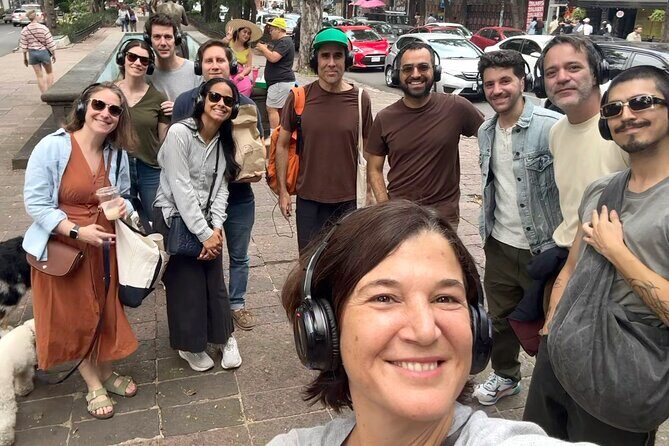
You’ll be led by Gabriel Acevedo Velarde, and the tour runs in English with a maximum group size of 12 people. It starts at Capilla de San Francisco Javier de la Romita (Pl. Romita 30) around 10:30 am and ends at the main Río de Janeiro Plaza in Roma Norte. Plan for good weather, since this is an outdoors walking experience.
In This Review
- Key things that make this tour worth your time
- Why this Colonia Roma route feels smarter than a standard sightseeing walk
- Opening the story at Capilla de San Francisco Javier de la Romita
- The 16th-century chapel thread and the Guadalupe origin conversation
- Jumping to everyday modern life: the museum stop
- A house that talks about confidence, not just architecture
- Avenida Álvaro Obregón: corridos, crime press, and the Mexican Revolution
- Plaza Luis Cabrera and the modernist debate behind housing pressure
- Plaza Río de Janeiro: from purely residential to everyday services
- La Casa de Las Brujas: eclectic architecture as a city-age indicator
- Roma Norte and the Tortillería Premier stop: invention of tortillas and the Zapotec link
- Pace, timing, and the small-group advantage
- Price and value: is $41.63 a fair deal?
- Who this tour is best for
- Should you book this Colonia Roma Musical Walking Tour?
- FAQ
- FAQ
- How long is the Colonia Roma Musical Walking Tour?
- What does it cost per person?
- Is the tour offered in English?
- Do I need to print a ticket?
- How big is the group?
- Where does the tour start and end?
- What main stops are included?
- Are there entrance fees for the stops?
- Does the tour run in bad weather?
- Is there a cancellation deadline?
- Are service animals allowed?
- Is public transportation nearby?
Key things that make this tour worth your time
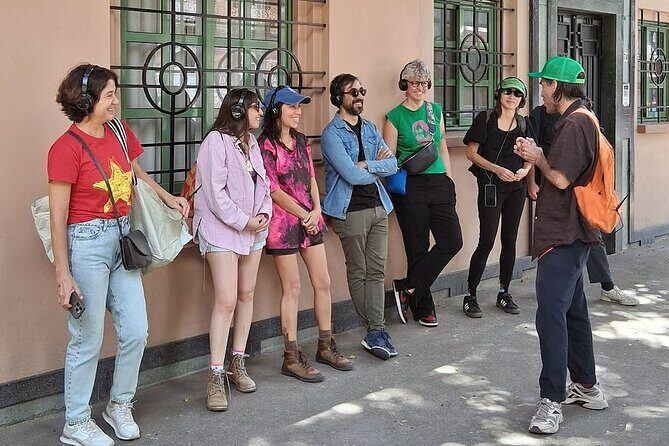
- A single neighborhood, many angles: all walking stays in Colonia Roma / Roma area, so you get a cohesive picture fast
- Music + politics connections: you hear how corridos connect to crime press during the Mexican Revolution
- Architecture you can read: debates over modernism vs. conservatism show up in plazas and buildings
- Daily life stops: you’ll pause at everyday places, including a tortilla shop (Tortillería Premier)
- From 16th century to modern objects: the story jumps across time, not just museums and monuments
- Small group energy: with up to 12 people, questions and pacing feel more human
Why this Colonia Roma route feels smarter than a standard sightseeing walk
Colonia Roma is one of those Mexico City neighborhoods that people think they already know. But this tour changes the focus on you: instead of “look at that façade,” it asks what the neighborhood was for, who it served, and what changed as the city grew.
The tour’s charm is that it treats architecture, street names, plazas, and ordinary shops like evidence. When you’re told why Avenida Álvaro Obregón matters, you end up noticing details you would normally walk right past. And when you get to tortillas, it stops being a food stop and becomes part of a longer story about identity and ancient influence.
This is also a good value format. Short stops mean you don’t have to fight your way through long indoor lineups, and many of the listed stops don’t charge admission.
You can also read our reviews of more walking tours in Mexico City
Opening the story at Capilla de San Francisco Javier de la Romita
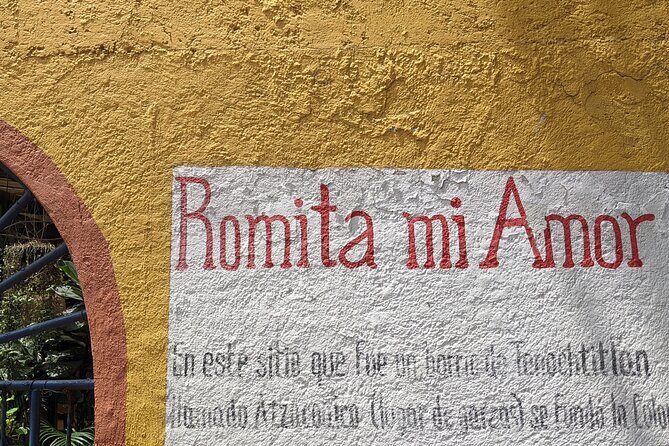
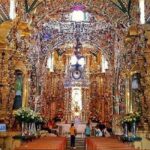
You begin near the Capilla de San Francisco Javier de la Romita at Pl. Romita 30. The guide uses this area as a starting point because it’s tied to a very early layer of the neighborhood’s cultural fabric.
The chapel itself dates to the 16th century, and there’s a “small town formed around it” angle that matters. The identity of that town held on until the 20th century, which gives the guide an easy bridge to later religious and cultural threads—including the origin story connected to the Virgin of Guadalupe.
Practical note: plan to stand and listen for a bit. This start works best when you’re willing to slow down and focus on context, not just photos.
The 16th-century chapel thread and the Guadalupe origin conversation
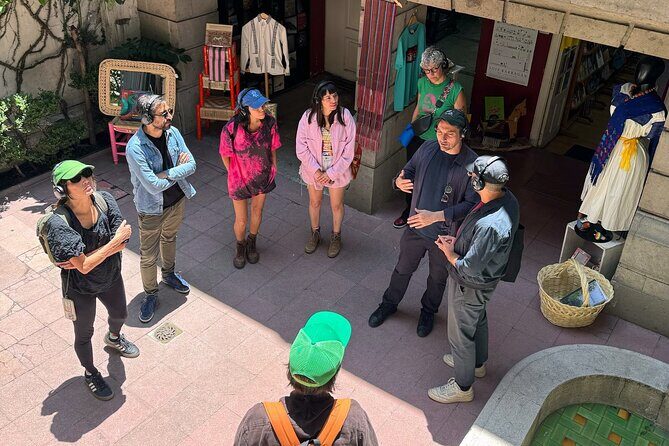
After the initial orientation, you’ll spend time at the chapel with a specific theme: how the site connects to discussions about the Virgin of Guadalupe. Even if you’ve heard different versions of the story before, the “place-based” framing makes it easier to understand why people attach meaning to specific corners of the city.
What I like about this part is how it’s not treated like a quick religious facts drop. It’s framed as a long-lasting community identity—something that can survive changes in buildings, politics, and urban life. That sets you up well for the next stops, where you’ll keep seeing “change over time” as the recurring idea.
If you’re sensitive to standing around at churches during photos-and-quick-stops, you may want to wear comfortable shoes and keep your camera handy but quick.
Jumping to everyday modern life: the museum stop
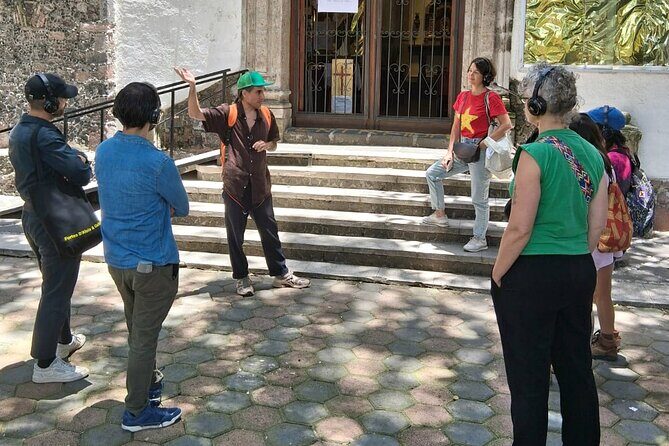
One of the more surprising moments is an amusing museum-like stop focused on everyday life objects from Mexican modern times. It’s a reminder that history isn’t only kings, wars, and famous buildings. Ordinary objects can show you how people actually lived—what mattered, what was used, and what felt normal.
The practical win here: it gives your brain a break from architecture talk, then brings you back to the idea of identity through objects. You’ll also be better prepared for the next stop, which is about how space and housing ideals played out in the neighborhood.
Since the itinerary doesn’t list the museum name, you should expect it more as a thematic pause than a big, branded attraction. Treat it like a context builder.
A house that talks about confidence, not just architecture
Next comes a stop tied to the Lamm family name. Here’s the key point you’ll take away: the Lamm family never actually lived there. Even so, the house reflects a confident attitude toward space—built during a period when Mexico City faced a serious housing need.
This is a smart moment because it links design choices to social reality. You’re not just being asked to admire a structure; you’re being asked to notice the tension between planning optimism and real life demands. That tension keeps resurfacing later when you learn about debates over housing and modernism.
If you like architecture but also like the human story behind it, this stop will land well. If you only care about grand sights and don’t care about “why anyone would build like that,” you might skim past it a bit mentally.



Avenida Álvaro Obregón: corridos, crime press, and the Mexican Revolution
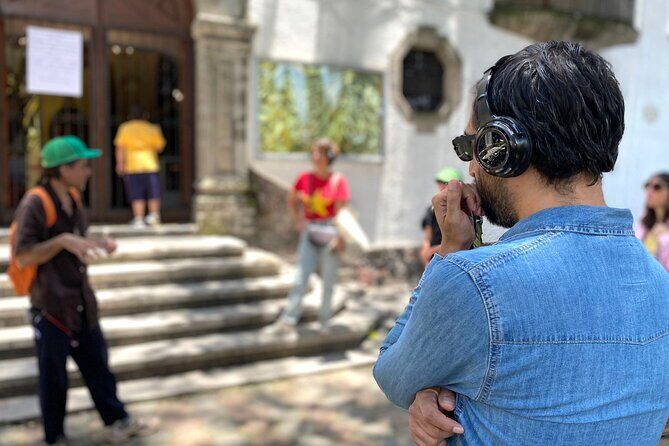
Then you hit Avenida Álvaro Obregón, one of the neighborhood’s most iconic roads. But this isn’t just a “famous avenue” stop. You’ll connect a musical genre—corridos—to the crime press during the Mexican Revolution.
That idea changes how you listen to culture. Corridos are often heard as storytelling, and the tour adds a sharper edge: they weren’t floating in a vacuum. They intersected with media that reported violence and scandal, and that intersection helped shape what people believed and repeated.
The tone here is typically conversational and question-friendly because the subject is unusual. If you’re the type who likes history that sounds like real life—stories, press, rumors—you’ll enjoy this section.
Plaza Luis Cabrera and the modernist debate behind housing pressure
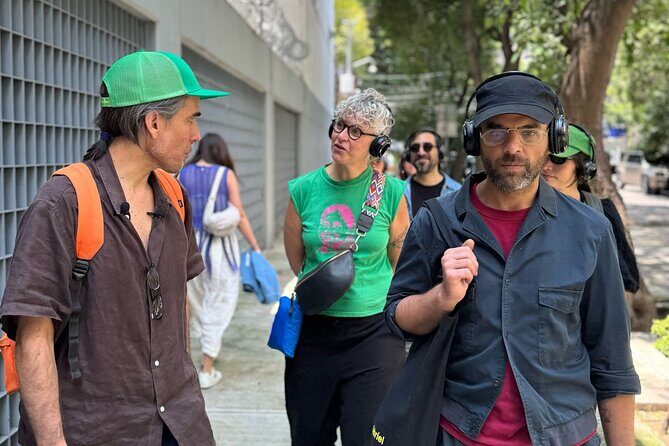
At Plaza Luis Cabrera, the tour shifts from one-to-one connections to a broader citywide question: what should architecture do in a city that’s exploding in population?
You’ll hear about a 1933 debate between conservative and modernist architects. The tour frames the results as more than aesthetics—it’s about aspirational wishes and a pressing need for housing as the city doubled its inhabitants every decade.
That framing matters because it makes a plaza feel like a document. You stop treating public spaces as pretty and start seeing them as stage sets for conflicts over ideology, cost, and future planning.
Drawback to consider: this is one of the “think while you walk” stops. If you prefer purely visual explanations, you might need to mentally slow down and listen carefully here.
Plaza Río de Janeiro: from purely residential to everyday services
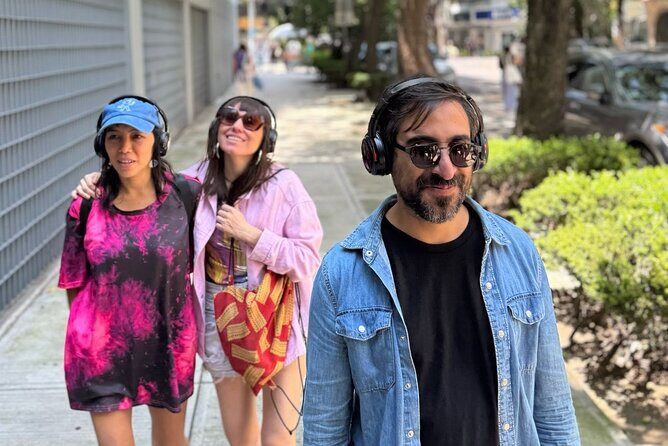
At Plaza Río de Janeiro, you’ll learn something that helps you read the neighborhood’s logic. Colonia Roma was originally conceived as exclusively residential, but that concept quickly stopped making sense.
This plaza becomes the proof point for the shift. It reflects how the neighborhood moved toward more autonomy regarding basic services, meaning daily needs mattered more than an original master plan.
I like this part because it makes the neighborhood’s streets feel practical instead of purely “historic.” You start noticing how plazas and service areas fit together, and you understand why some areas feel more self-contained than others.
La Casa de Las Brujas: eclectic architecture as a city-age indicator
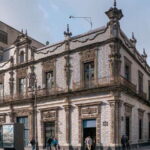
Next you reach La Casa de Las Brujas—the Witches’ House. Despite the nickname, the key info is structural and historical. It was originally built to be a hotel, and it later became an apartments building.
The tour uses it to explain a changing conception of the neighborhood—from exclusively residential to a services area for the rest of Mexico City. So the building becomes a time machine, not just a photo spot.
This is also where the tour’s “art + social change” method really shows. You’re looking at the shape of a neighborhood through architecture choices, and that’s a different kind of understanding than what most walking tours deliver.
If you love quirky architectural stories, you’ll probably enjoy the tone here. If you don’t care about building history, at least pay attention to how the guide explains what changed and when.
Roma Norte and the Tortillería Premier stop: invention of tortillas and the Zapotec link
The final theme stop takes you into Roma Norte and a typical tortillas store: Tortillería Premier. This is where the tour earns its unusual reputation, because it connects a daily food staple to a far older origin story.
You’ll hear about the invention of tortillas and the link—said to connect to the first Zapotec state—dating back about five centuries BC. The guide also points out that few people know about this connection, which is part of what makes the stop feel fresh rather than like a standard food detour.
If you’re hoping for a “taste test” type of food tour, this may not be that. The emphasis is on history and context, not a full tasting program. Still, it’s a great way to end: you finish the walk with something you can picture at home, because tortillas are part of everyday life.
Tip: if you have a sweet tooth or strong cravings, plan to eat after the tour. You may not get a meal as part of the stop—at least, the tour data focuses on the historical conversation.
Pace, timing, and the small-group advantage
This is about 2 hours 15 minutes, and it’s built around short stops—often around 5 to 10 minutes each. The route is exclusively in the Roma area, so you’re not constantly bouncing across town.
The start time is 10:30 am, and you’ll end at Río de Janeiro Plaza (Calle Durango y Orizaba area in Roma Nte.). With a maximum of 12 people, you’re less likely to get lost in a crowd, and that matters because the guide’s explanations depend on attention.
Language is English, and you’ll also get a mobile ticket. If you’re prone to arriving late, don’t. A compact route like this punishes tardiness.
Weather matters too: it requires good weather. If you’re visiting during a rainy stretch, you’ll want to watch the forecast and be ready to reschedule if needed.
Price and value: is $41.63 a fair deal?
At $41.63 per person for about 2h15, the value comes from three things: density, theming, and free admissions at the stops.
First, you cover a lot of narrative ground in a single neighborhood, and each stop has a point. Second, it’s not just “look here.” The tour links places to wider social and political patterns—corridos and crime press, modernist debates and housing pressure, residential planning vs. service needs. That kind of connective storytelling is what makes a walking tour feel worth the money.
Third, the listed stops show admission ticket free. That means you’re not paying entrance fees to justify the time. You’re paying for interpretation, pacing, and the right stops in the right order.
The main trade-off is that the tour isn’t built for deep stays. If your priority is museums you can browse on your own for an hour, spend less and do more self-guided wandering. If your priority is a guided “story map” of Colonia Roma, this price is in a sensible range.
Who this tour is best for
I think this one fits best if you like your history tied to real places and real materials: plazas, facades, chapels, and everyday stores.
It’s also a good choice if you’re a fan of culture-through-music or culture-through-media themes, because corridos and the crime press angle is a standout. If you enjoy architecture that has an argument behind it—modernism vs. conservatism, housing pressure, and changing neighborhood functions—you’ll get a lot out of the plazas and La Casa de Las Brujas.
If you want only famous tourist sights, this might not satisfy your checklist. The appeal is in the less-touristy stops and the “why this corner exists” explanations.
Should you book this Colonia Roma Musical Walking Tour?
If you want a walking tour that treats Colonia Roma like a story you can read—rather than a postcard list—you should book it. The route is compact, the group size is small, and you get that rare mix of architecture + social change + culture (including music) in one session.
I’d skip it only if you hate moving around, or if you need long museum time and deep pauses. Otherwise, this is the kind of tour that helps you understand a neighborhood in a practical, memorable way—down to why a tortilla shop can belong in a history lesson.
FAQ
FAQ
How long is the Colonia Roma Musical Walking Tour?
It runs for about 2 hours 15 minutes.
What does it cost per person?
The price is $41.63 per person.
Is the tour offered in English?
Yes, it is offered in English.
Do I need to print a ticket?
No. You get a mobile ticket.
How big is the group?
The tour has a maximum of 12 travelers.
Where does the tour start and end?
It starts at Capilla de San Francisco Javier de la Romita, Pl. Romita 30, La Romita, Centro, Cuauhtémoc, 06700 Ciudad de México, CDMX. It ends at Río de Janeiro Plaza at Calle Durango y Orizaba, Roma Nte., Cuauhtémoc, 01000 Ciudad de México, CDMX.
What main stops are included?
The tour includes Colonia Roma stops and specific points such as Capilla de San Francisco Javier de la Romita, La Casa de Las Brujas, and Roma Norte at Tortillería Premier, plus several plazas along the way.
Are there entrance fees for the stops?
The listed stops show admission ticket free.
Does the tour run in bad weather?
It requires good weather. If it’s canceled due to poor weather, you’ll be offered a different date or a full refund.
Is there a cancellation deadline?
Free cancellation is available. You can cancel up to 24 hours in advance for a full refund.
Are service animals allowed?
Service animals are allowed.
Is public transportation nearby?
Yes, it’s near public transportation.