REVIEW · MEXICO CITY
Ciudad de Mexico: Historia y vida moderna en la capital
Book on GetYourGuide →Operated by Camina la ciudad · Bookable on GetYourGuide
A short walk can explain a big city. This Mexico City history and modern-life tour connects Aztec remains in the Centro historico with iconic downtown landmarks, then fills the gaps with everyday neighborhood stops. I like the tight flow of major sights plus smaller surprises, and I especially like how it ties architecture, food, and daily life into one story. One consideration: it’s a guided walking tour, so you’ll want comfortable shoes and a bit of stamina for the sidewalks and stairs around the center.
What makes it practical is the timing and focus. In just 3.5 hours, you get your bearings around the Zócalo area and beyond, with stops like the Metropolitan Cathedral, Templo Mayor, and the cluster of “palace” buildings that define this part of town. The guide also brings art, history, and anthropology knowledge, and you can ask questions in English or Spanish, which matters on a tour this dense.
The one thing to keep in mind is that not every museum stop is guaranteed to be included, and extra food is on you. If you go in expecting a smart orientation plus a few tasty breaks, this is a strong first-day option.
In This Review
- Key things I’d plan for
- Why this 3.5-hour Centro walk is a great first-day move
- Getting started near Museo de la Ciudad de México (and why that matters)
- Hospital de Jesús Nazareno: medicine, faith, and a working legacy
- Museo de la Ciudad de México: a quick ramp into the city’s story
- Pino Suárez streets and on-foot segments: learning the city’s pace
- Zócalo 1 photo stop: the heart of the historic center
- Catedral Metropolitana de México: cathedral scale and city power
- Plaza Santo Domingo: another angle on the downtown story
- Templo Mayor de México-Tenochtitlan: Aztec ruins inside modern Mexico City
- Plaza Manuel Tolsá break and food tasting: a reset with local flavor
- Casa de los Azulejos and Jugos Canada: decorative beauty and a quick local bite
- Palacio de Correos and Palacio de Bellas Artes: the city shows off
- About the guide experience: Martín’s explanations, Regina’s flexibility
- Price and what you’re really paying for
- Who should book this tour
- Should you book Ciudad de Mexico: Historia y vida moderna en la capital?
- FAQ
- Is the tour only in Spanish?
- How long is the tour?
- What is included in the price?
- Where do we meet for the tour?
- How big is the group?
- Is the tour wheelchair accessible?
- What should I bring?
- Are there rules about food or drinks?
Key things I’d plan for
- Small group of up to 10 keeps the pace human and your questions answerable.
- Centro historico + Templo Mayor gives you prehispanic context in the middle of a modern capital.
- Architecture on both sides of time: cathedral, palaces, and Aztec remains in one route.
- Food and drink breaks (fresh juice and a snack tasting) make the walk easier to enjoy.
- Wheelchair accessible, so you can plan mobility without guessing.
Why this 3.5-hour Centro walk is a great first-day move
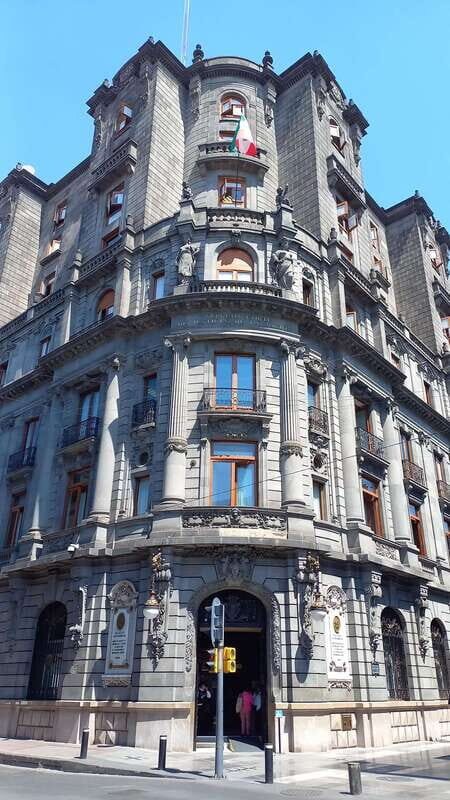
Mexico City can feel like a maze on day one. Streets are busy, sights are layered, and it’s easy to pick a random highlight list and still miss the bigger story. This tour works because it’s built for orientation: it starts in a central area and then threads through the places that explain how Mexico City became Mexico City.
The best part is that you don’t just see monuments. You also learn how the same “center” area has kept shifting over centuries—prehispanic life, Spanish-era institutions, and today’s street-level culture. You’ll also get practical moments built in, like photo stops where you can actually look, plus a refreshment break where you can reset.
At $37 per person for 3.5 hours, the value is mostly about what you get in the time. You’re paying for guided interpretation and entrance where included, not for a long day of passive sightseeing. If you’re trying to make the most of limited time, this is a cost-effective way to stop wandering and start understanding.
You can also read our reviews of more tours and experiences in Mexico City.

Getting started near Museo de la Ciudad de México (and why that matters)
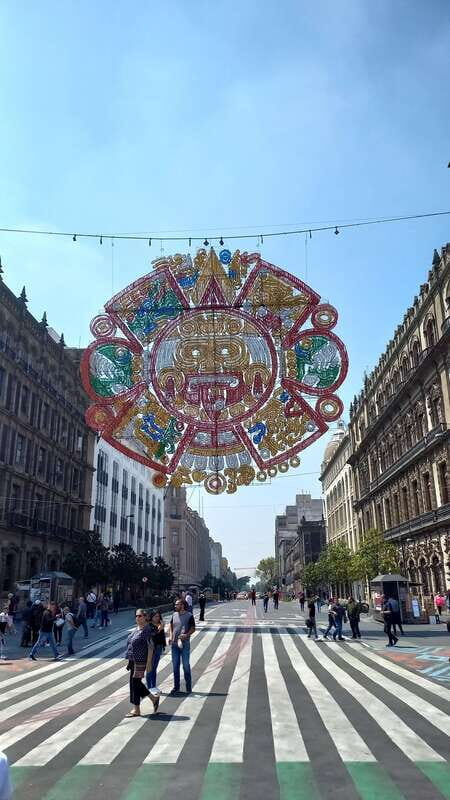
The meeting point is in the square in front of the Museo de la Ciudad de Mexico, with the tour starting at Rcda. de Jesús 548. That location is more than a pin on a map. It puts you right where Mexico City’s layers are close together—old buildings, major civic spaces, and busy streets that still feel lived-in.
A small-group format helps here. With a group limited to 10, you’re less likely to get stuck behind a crowd at narrow corners. It also makes it easier to keep up when the route changes slightly based on the day’s flow around the historic center.
You’ll want water and comfortable shoes from the start. This is the kind of walking tour where you’ll be glad you brought shoes that can handle stone sidewalks and uneven areas. Also, keep alcohol and drugs out of the plan, and remember bare feet aren’t allowed—simple rules, but they matter in shared public spaces.
Hospital de Jesús Nazareno: medicine, faith, and a working legacy
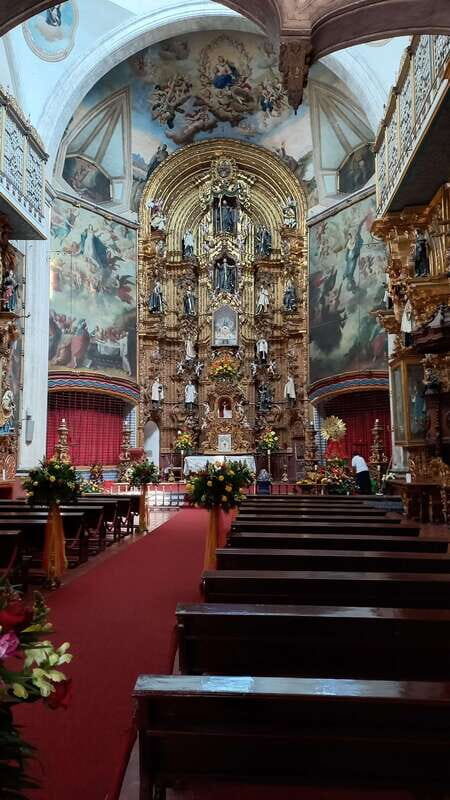
One of the first stops is the Hospital de Jesús Nazareno, with a guided visit around 20 minutes. This is the kind of place that helps you understand Mexico City beyond the usual postcard landmarks. Hospitals are not just buildings; they’re social history—how communities treated illness, how religious institutions shaped public life, and how infrastructure evolves over time.
In a short tour, a stop like this is smart because it’s not just architecture. It’s a reminder that the Centro is not frozen in the past. Institutions like this reflect what people needed day after day, even as power and style changed around them.
If you’re the type who likes context—how a city functioned—this stop earns its spot. If you only want big squares and famous facades, you might feel you’re getting a slower moment early on. But it sets up the rest of the route well.
Museo de la Ciudad de México: a quick ramp into the city’s story
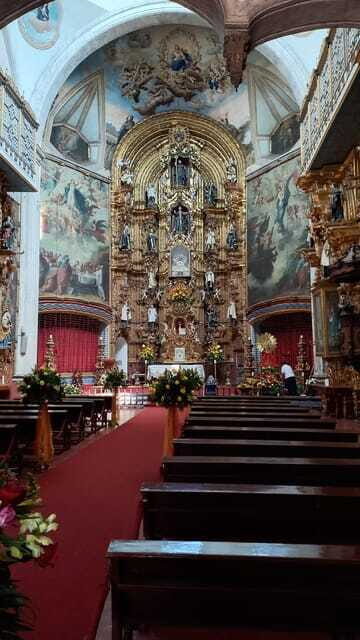
Next comes the Museo de la Ciudad de México for a shorter guided introduction (around 10 minutes). You’re not trying to “do the museum” in one tiny window. Think of this as a guided orientation—an idea of themes, time periods, and why certain neighborhoods and buildings matter.
Even if you’re not an all-day museum person, that brief context can make the rest of the walk click. When you later stand near the Zócalo, the cathedral, or the Aztec ruins, you’ll recognize more than just scenery. You’ll understand the sequence of change.
Pino Suárez streets and on-foot segments: learning the city’s pace
There’s a short on-foot stretch early on (about 10 minutes). These walking segments are useful because they mirror how people actually move through the Centro. Instead of only stopping at the biggest spots, you’ll get the feel of the streets—how density works, where sightlines open, and how locals flow around the monuments.
This tour’s pacing is compact. You’ll be moving often, and that’s intentional: in just 3.5 hours, you want your mind busy, not bored. If you’re traveling with limited mobility or you’re coming off a long flight, plan to slow down mentally rather than physically. The route is wheelchair accessible, but you’ll still be walking between points.


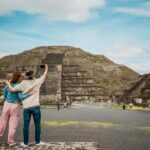

Zócalo 1 photo stop: the heart of the historic center
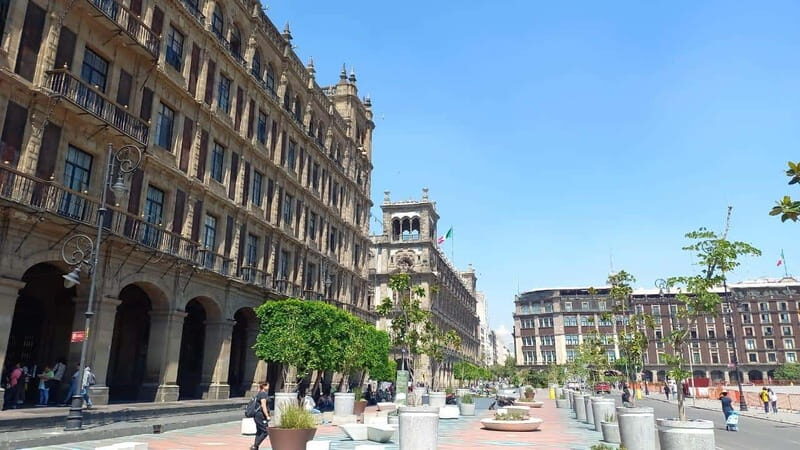
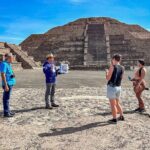
A key moment is the Zócalo area, starting with a photo stop and then a guided walk/overview (around 30 minutes total here). The Zócalo isn’t just “a big plaza.” It’s the city’s stage. Governments, ceremonies, crowds, and everyday life all orbit this same public space.
This is where the tour helps you read the layout. You’ll likely notice the way the cathedral dominates the skyline, how the squares organize movement, and how surrounding buildings create a sense of enclosure. If you want to return later and explore on your own, this is the spot to anchor your mental map.
Practical note: the Zócalo area can be busy. A tour guide helps you avoid the time sinks of guessing where to stand, when to move, and what to actually look for.
Catedral Metropolitana de México: cathedral scale and city power
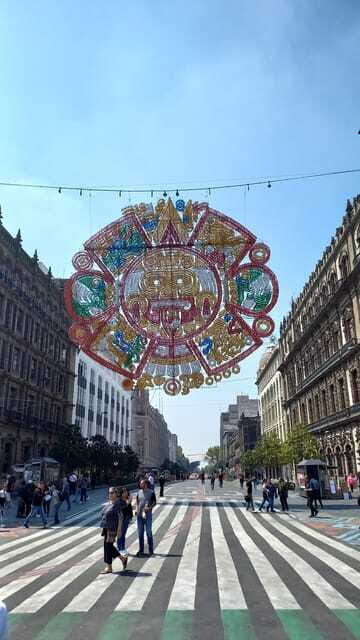
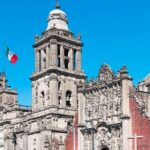
Right after the plaza, you’ll spend time at the Catedral Metropolitana de México, with a photo stop and guided visit/overview (around 30 minutes). Even if you’ve seen other major cathedrals, this one hits differently because it sits in a place where layers of history overlap.
What I like about including the cathedral in this route is that it forces you to compare “who held power” across eras. You see a religious centerpiece built to last, and you learn how that shift connects to what came before—especially when you later reach the Templo Mayor ruins.
The guided timing is also good. You’re not stuck inside for ages, and you get a balanced mix of looking, learning, and moving on.
Plaza Santo Domingo: another angle on the downtown story
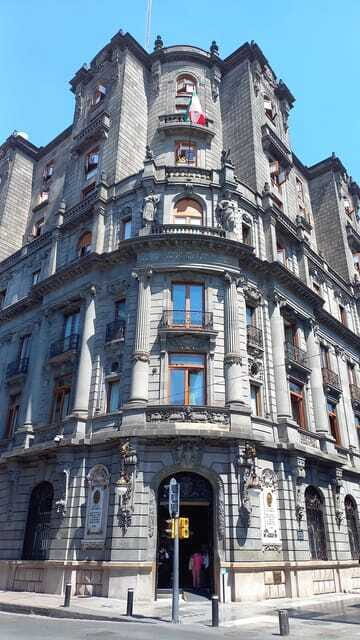
Then you head to Plaza de Santo Domingo for a photo stop and guided time (around 20 minutes). Santo Domingo’s role in downtown history is noticeable in how it sits among the larger, more famous buildings. It gives you another reference point for how the Centro’s “big squares” function together.
This stop also helps break up the strongest concentration of icons. After the cathedral and plaza areas, your brain can use variety: another square, another facade, another set of stories that connect to daily life.
Templo Mayor de México-Tenochtitlan: Aztec ruins inside modern Mexico City
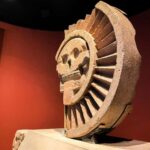
One of the tour’s headline moments is the Templo Mayor de México-Tenochtitlan stop for a photo stop and guided visit (around 20 minutes), followed by another short on-foot segment (about 15 minutes). This is where the tour earns its title. You’re not just hearing about Aztec history; you’re standing near major remains from Tenochtitlan.
The value here is perspective. Mexico City looks modern, but it’s built on deep history. You learn how the city’s earlier center shaped where power, religion, and community life formed—then you watch that legacy show up in today’s layout.
If you care about prehispanic history, this is the “must” stop. If you’re more of a food-and-people traveler, the takeaway is still useful: understanding the Templo Mayor area helps you see why so many downtown traditions exist where they do.
Plaza Manuel Tolsá break and food tasting: a reset with local flavor
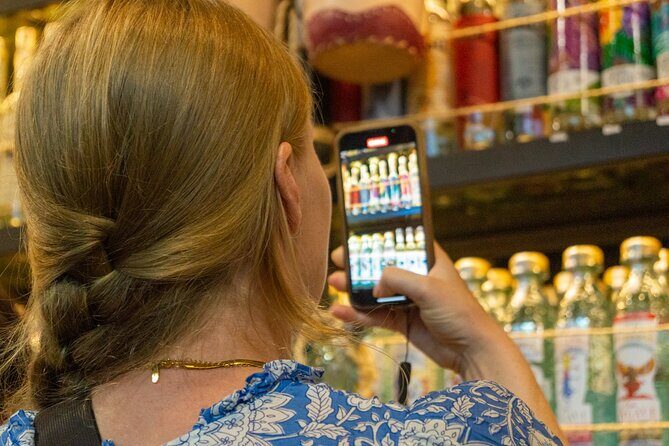
You then reach Plaza Manuel Tolsá and get a break (about 30 minutes) that includes food tasting. This is one of the smartest parts of the itinerary. After multiple iconic stops, a scheduled pause keeps the tour enjoyable instead of exhausting.
Since the tour also includes a traditional fresh juice or a taste of a typical Mexican snack as part of what’s included, you’re not stuck trying to find food on your own mid-walk. It’s a practical plan: refuel, hydrate, and then keep going.
If you’re picky about food timing, this is still a good moment because it’s planned rather than improvised. Just remember that any extra meals beyond what’s included are at your expense.
Casa de los Azulejos and Jugos Canada: decorative beauty and a quick local bite
Next comes Casa de los Azulejos, with a short photo stop and guided visit (around 10 minutes). The name alone hints at why it’s memorable, and it’s the kind of stop that shows you how downtown style wasn’t only about grand churches. Decorative facades like this add texture to the “palaces around the city” theme.
Then you walk to Jugos Canada (about 10 minutes). This is an easy, down-to-earth add-on: a chance to keep the local-food vibe going without turning the tour into a long restaurant stop.
These moments are small, but they matter. They keep the tour from feeling like a checklist. You get bright surfaces, street-level culture, and the kind of everyday stop you might not plan on your own when you’re overwhelmed by the Centro.
Palacio de Correos and Palacio de Bellas Artes: the city shows off
Finally, the tour moves into two major “showpiece” buildings.
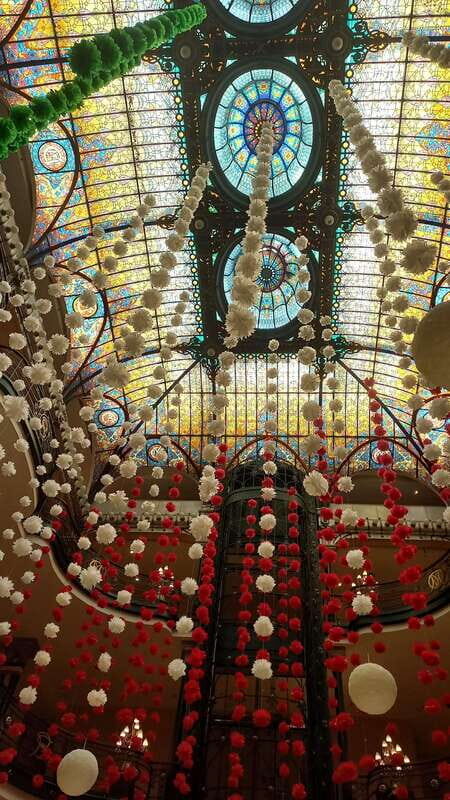
First is the Palacio de Correos de México (with photo stop and guided visit around 15 minutes). Post offices sound ordinary until you see what this one represents. It’s a civic building with style and presence, and it reflects how a modern city signals pride in infrastructure.
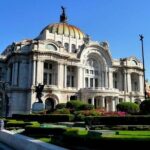
Then comes the Palace of Fine Arts, Mexico City (with photo stop and guided visit around 15 minutes). This stop is all about architectural mood. It’s one of those buildings where the building itself feels like an event.
I like that these two are spaced at the end. By the time you reach them, you’ve already built context through cathedral, Aztec ruins, and downtown squares. So you can appreciate the “modern state” architecture with clearer eyes.
About the guide experience: Martín’s explanations, Regina’s flexibility
A big reason this tour scores well is the way the guide explains things. In the most positive feedback, Martín stands out for clear explanations about Mexican art, history, and culture, and for connecting past and present influences. That style matters on a short tour because you need quick clarity, not a long lecture.
There’s also an example of flexibility when a guide changes. When Martín wasn’t available due to illness, Regina stepped in and the tour stayed strong, even adjusting with extra time like a coffee and enchiladas invitation and adding a visit to a James Bond filming location (based on what the group wanted). That’s the kind of responsiveness that turns a good itinerary into a memorable experience.
Price and what you’re really paying for
At $37 per person, you’re paying for three things: a structured route, guided interpretation, and included entrance at selected stops plus a juice or snack tasting.
Because some museum entries are not included and extra food is at your own expense, the real question is your expectation. If you want everything hands-on and ticketed for every stop, you might feel “some entries cost extra.” If you want a guided orientation with meaningful context and a few included admissions, the value is strong.
Also remember the group size. A small group isn’t just comfort; it often means less crowd friction, more chances to ask questions, and smoother time usage—especially in busy historic areas.
Who should book this tour
I’d point you toward this tour if:
- It’s your first day in Mexico City and you want a fast, smart orientation.
- You like seeing big monuments but also want the smaller story beats that make the city make sense.
- You’re traveling in a small group and want English or Spanish guiding.
- You appreciate history that connects buildings to the way people live today.
I’d think twice if:
- You hate walking and prefer fewer stops with more time per location.
- You’re mainly looking for leisure time rather than guided context.
- You expect every stop to include museum entry without any extra costs.
Should you book Ciudad de Mexico: Historia y vida moderna en la capital?
If you want one efficient way to understand the Centro historico—from Aztec remains at Templo Mayor to Spanish-era institutions like the cathedral, then into civic and arts architecture—this is a very workable choice. The included refreshments help keep energy up, and the small group size keeps it from feeling chaotic in the busiest areas.
My practical advice: treat this tour as your mapmaker. Afterward, you’ll know where to go next, what to prioritize, and how the city’s layers connect. If that’s the goal, booking makes sense. If you’d rather spend your time only on one or two deep dives, you may prefer a more specialized route.
FAQ
Is the tour only in Spanish?
No. The live tour guide offers English and Spanish.
How long is the tour?
It lasts about 3.5 hours.
What is included in the price?
The experience includes an expert guide and entrance to museums, churches, historical temples, and historical buildings where included. It also includes a traditional fresh juice or a taste of a typical Mexican snack. Some museum entrances may not be included.
Where do we meet for the tour?
The meeting point is in the square in front of the Museo de la Ciudad de Mexico. The tour starting location is listed as Rcda. de Jesús 548.
How big is the group?
It’s a small group limited to 10 participants.
Is the tour wheelchair accessible?
Yes, the tour is wheelchair accessible.
What should I bring?
Wear comfortable shoes and bring water. You’ll have a break for refreshments during the tour.
Are there rules about food or drinks?
Alcohol and drugs are not allowed, and bare feet are not allowed. If you want anything extra to eat beyond what’s included, it’s at your own expense.