REVIEW · MEXICO CITY
Anahuacalli Museum Guided Tour
Book on GetYourGuide →Operated by Museos Mexico · Bookable on GetYourGuide
This place doesn’t act like a typical museum. I love the volcanic-stone architecture that echoes ancient Mesoamerican forms, and I love how pre-Hispanic artifacts and contemporary art share the same space on purpose. One thing to keep in mind: the tour runs about 2–4 hours, so if you like to slow down and read every label, you may feel a little time pressure.
What makes Anahuacalli special is its concept. Diego Rivera imagined it as a studio, museum, and temple for art all in one, and architect Juan O’Gorman turned that idea into a building you notice from the first moments. It’s set into the Pedregal area, so the museum feels tied to its surroundings rather than dropped in front of them.
On the guided portion, you get clear storytelling in English or Spanish, and the best guides explain the connections instead of tossing facts at you. In particular, I like how guides such as Omar (and also Jorge, in other tours) tend to trace Mexican art and architecture back through pre-Hispanic eras, then bring it forward to the cultural questions people are still asking today. You’ll also get context around Rivera, and even links that touch Frida Kahlo and the wider art world.
In This Review
- Key highlights at a glance
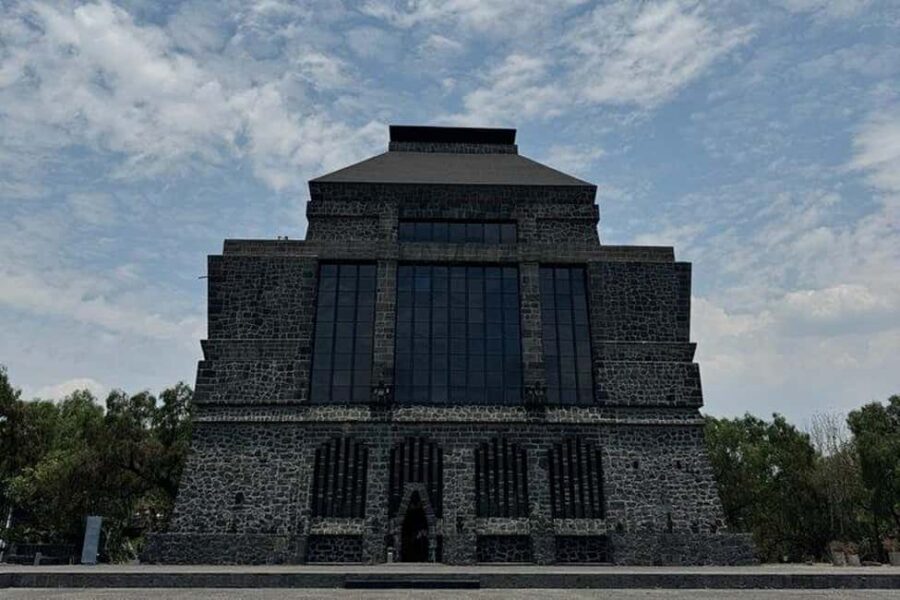
- Anahuacalli’s Mesoamerican-style architecture made of volcanic stone
- From studio to temple: Rivera’s art-world “system”
- Pre-Hispanic artifacts: seeing the past as a timeline you can walk
- Contemporary art that actually talks back to the artifacts
- Your 2–4 hour guided tour: what you get besides entry
- Pedregal surroundings and how to prepare for a calm, focused visit
- Price and value: is $40 a fair deal?
- Who this tour suits best (and who might want a different style)
- Should you book Anahuacalli with a guide?
- FAQ
- How long is the Anahuacalli Museum guided tour?
- How much does the tour cost?
- What languages are the guided tours offered in?
- What’s included in the ticket?
- What isn’t included?
- Where do we meet for the tour?
- Can I cancel for a refund?
Key highlights at a glance
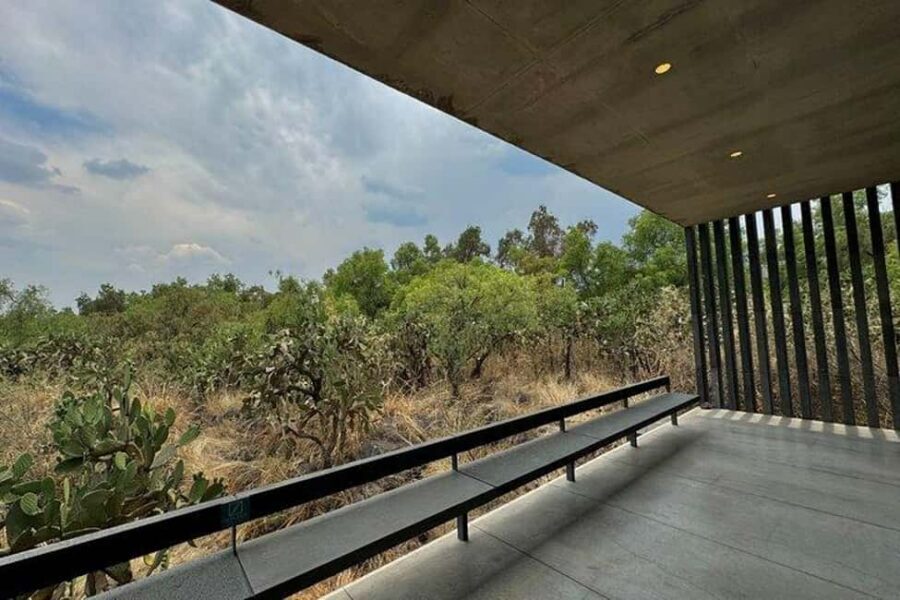
- Volcanic-stone architecture that looks and feels like an ancient structure
- Rivera’s studio-museum-temple concept for art, space, and meaning
- Pre-Hispanic artifacts shown alongside contemporary works in constant dialogue
- Pedregal setting that makes the building feel part of the landscape
- English or Spanish guided tour with clear, paced explanations
Anahuacalli’s Mesoamerican-style architecture made of volcanic stone
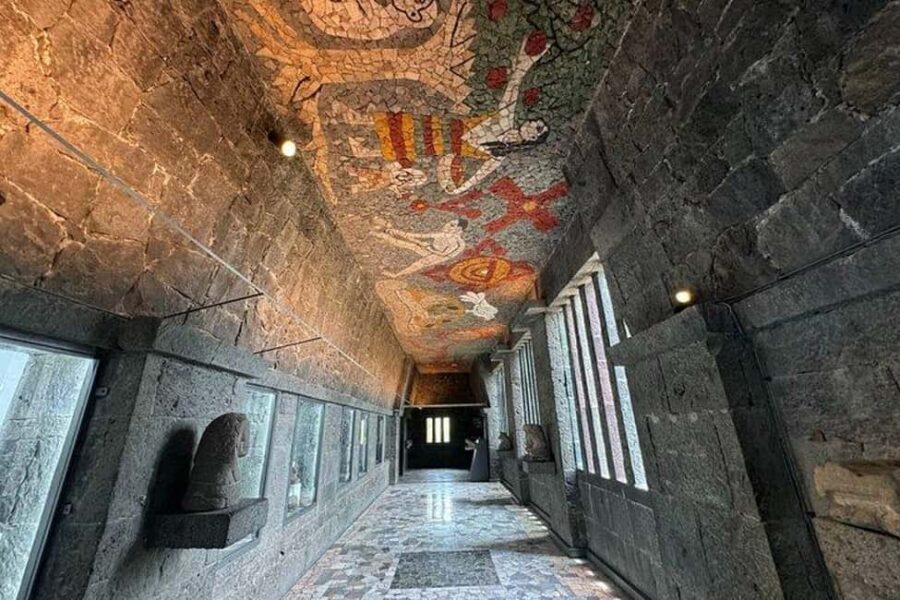
The first hook is the building itself. Anahuacalli was inspired by ancient Mesoamerican architecture, and you feel that right away in the shape, massing, and overall vibe. It doesn’t look like a neutral container for art. It looks like it belongs to a tradition—one Rivera wanted to honor and keep talking to.
Then there’s the material: volcanic stone. The museum isn’t just built with it; it’s built as something. You can think of it like a giant sculpture you walk through. Even if you’re not an architecture nerd, you’ll probably notice how the stone changes the feel of light and shadow inside, and how the solid forms create a sense of gravity. That’s part of the point of the place: it treats art as something sacred and physical, not just something behind glass.
Juan O’Gorman’s role matters here. He’s the architect behind Rivera’s vision, and the result is a museum that reads like a bridge between eras. If you enjoy seeing how architecture carries cultural ideas, this is one of Mexico City’s more thought-provoking stops in the State of Mexico area.
You can also read our reviews of more guided tours in Mexico City
From studio to temple: Rivera’s art-world “system”
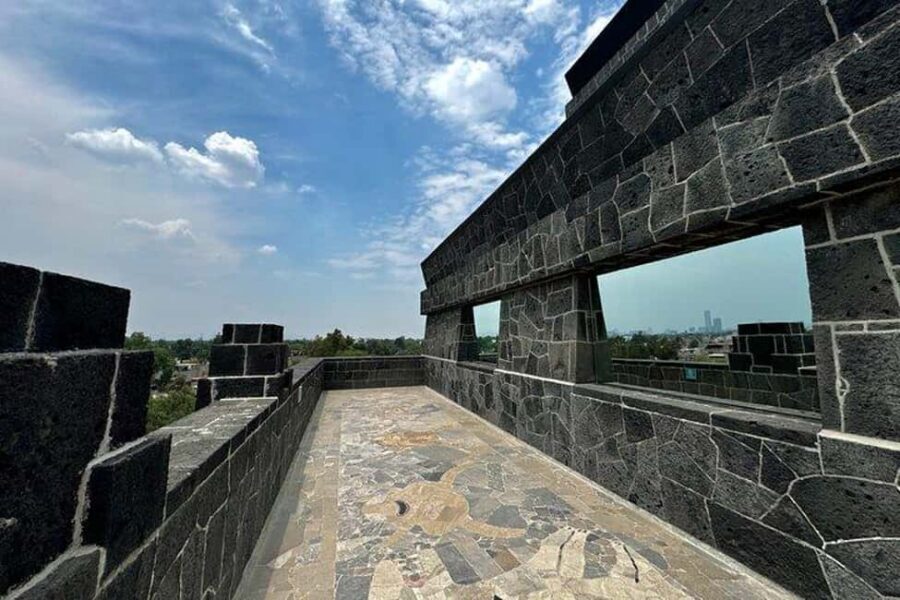
Rivera didn’t set out to make a conventional “collection and labels” museum. The Anahuacalli Museum was conceived as a studio, museum, and temple for art. That mix changes your experience.
As a studio, the museum has a sense of process—art as something made, not only displayed. As a museum, it protects and presents Rivera’s collection of pre-Hispanic artifacts. And as a temple, it asks you to slow down mentally and treat what you’re seeing with respect.
In practice, this means you don’t just pass through rooms like you’re checking items off a list. The guided tour helps you connect the why behind the design: why Rivera chose these materials, why he set the space up to hold different types of art together, and why the past and the present aren’t kept separate here.
That also explains something you might notice during your visit: Anahuacalli feels like a living system. The museum is described as a place where art is exhibited, created, and reflected upon. It’s not frozen in time the way some museums can feel. It’s still working as a site for art conversations.
Pre-Hispanic artifacts: seeing the past as a timeline you can walk
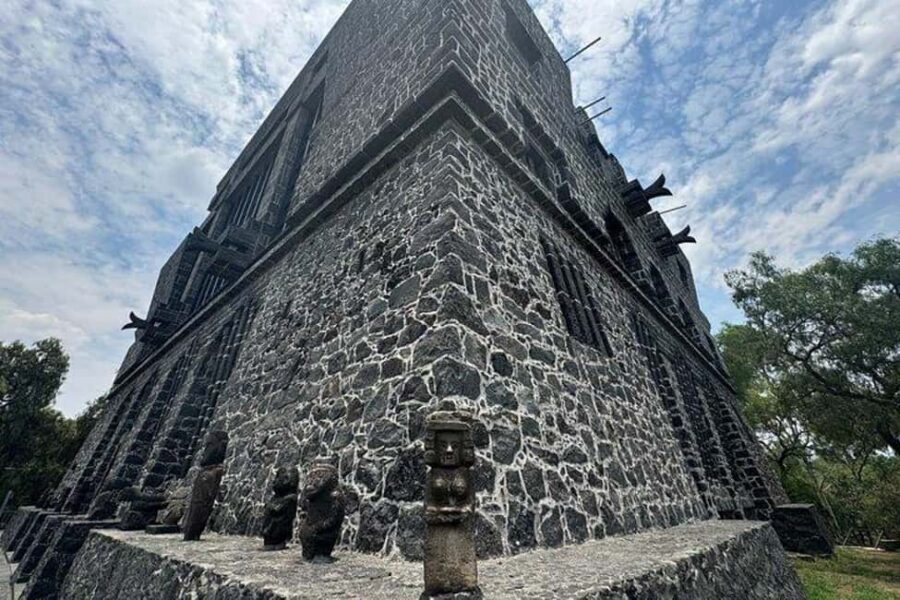
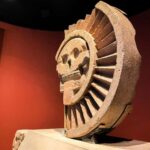
The heart of Anahuacalli is Rivera’s pre-Hispanic collection. You’ll have guided access to the Museo Anahuacalli and the opportunity to see those artifacts up close, alongside the contemporary programming that happens in the same overall world.
What you’ll likely appreciate most is how the tour helps you treat those objects as more than “old things.” The stronger guides (including Omar and Jorge, based on different tour experiences) tend to explain Mexican history in layers—moving from earlier periods through later ones. One guide-style detail worth expecting: you may hear discussion of pre-Classical to post-Classical periods, not just a single snapshot.
That approach helps you read the artifacts with better questions in mind. For example:
- Instead of asking only what something looks like, you start asking what it meant in its time.
- Instead of thinking of history as distant, you notice continuity—how ideas shift, survive, and transform.
And because this museum wasn’t designed as a sterile gallery, the pre-Hispanic objects can feel like they belong to the building’s language. The architecture doesn’t compete with the collection. It frames it.
Contemporary art that actually talks back to the artifacts
One of the best parts of Anahuacalli is that you don’t get a one-way museum experience. You see pre-Hispanic artifacts, yes. But you also see contemporary art exhibitions in the same space, with the museum’s design encouraging a dialogue between past and present.
This is where the phrase living museum makes practical sense. The museum isn’t presented as a finished argument. It’s more like an ongoing conversation. Contemporary works sit in proximity to artifacts, and the guided explanations help you make sense of the link—sometimes by theme, sometimes by how artists think about culture and identity.
This is also where Rivera’s broader art-world context can come into the tour discussion. Some guides bring in connections around Rivera’s art and the wider Mexican modern art story, and you might hear links that touch Frida Kahlo as part of the larger cultural ecosystem. Even if you’re not a specialist, those connections can help you place what you’re seeing into a bigger picture.
If you’re the type who likes museums that challenge your assumptions, this pairing is a good match. If you only want strict chronological order, you might have to work a little harder mentally—but that’s also why it’s memorable.
Your 2–4 hour guided tour: what you get besides entry
You’re paying for more than admission. The guided tour adds interpretation, and interpretation is the whole game here.
The experience is listed at 2–4 hours, and that matters. It’s enough time to see the key parts and get meaningful context, but it’s not long enough to become an independent research session. You’ll want to ask questions if something grabs you—because the tour pacing is designed to connect themes without overwhelming you.
From the tone described by different English- and Spanish-speaking guides, the explanations aim to be clear and structured. Guides like Omar and Jorge are praised for storytelling, for combining architecture and art history, and for managing a lot of information without turning it into a lecture you can’t follow.
A practical note: the tour includes skip-the-ticket-line access. That’s a small thing, but it saves you time at the start, which is useful when you have a travel day packed with other stops.
You can also read our reviews of more museum experiences in Mexico City



Pedregal surroundings and how to prepare for a calm, focused visit
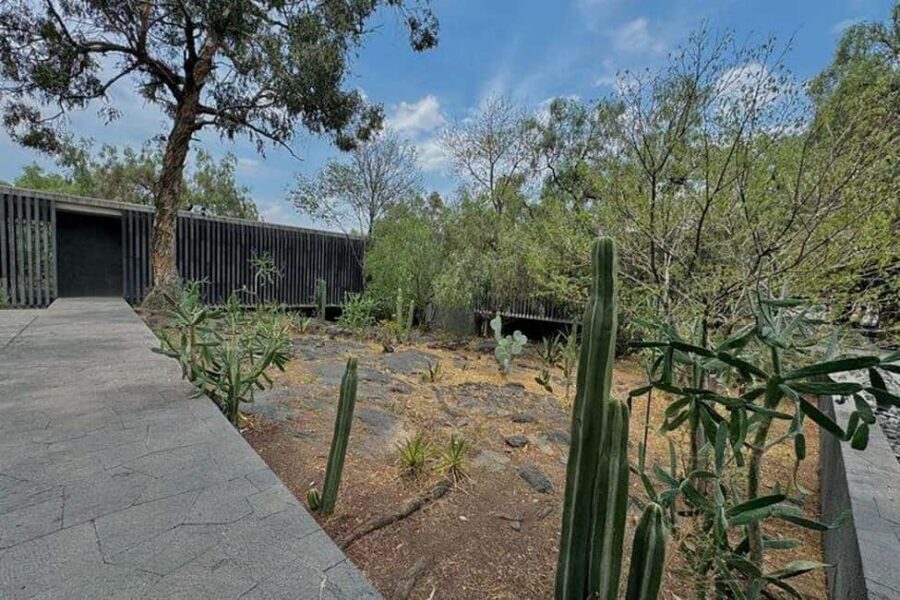
Anahuacalli is integrated into the natural environment of Pedregal. That means it doesn’t feel like you’re touring a museum trapped behind a wall on a city block. The setting adds atmosphere, and the building’s volcanic-stone look blends with the area’s character.
What does that mean for your planning? You’ll probably want your visit to be calm and focused, not rushed. If your day includes other major museums, try not to schedule Anahuacalli as the last thing before dinner with zero buffer. The point is to let the building and art breathe in your mind for a bit.
Also, transportation and food and drinks aren’t included. So plan accordingly. If you’ll be out for the full 2–4 hours plus travel time, bring water (or plan a nearby stop for snacks), especially if you’re going on a warmer day. Nothing ruins the art mood like realizing you’re hungry and stranded.
Price and value: is $40 a fair deal?
At $40 per person for a 2–4 hour guided experience, you’re not just buying entry. You’re buying:
- Access to the Museo Anahuacalli
- Rivera’s pre-Hispanic collection on a guided route
- Contemporary art exhibitions
- A live guide in English or Spanish
- Skip-the-ticket-line convenience
That mix is why the price can feel fair. Many museums charge for admission but don’t add much beyond “look at this, read that.” Anahuacalli is built around ideas—architecture as meaning, and art as a conversation through time. A guide is what turns the visit from a photo opportunity into an understandable experience.
If you love architecture and art history, the value improves. If you’re mostly looking for a quick stop to snap pictures, you might not fully cash in on what the tour offers. But even then, the building alone is strong enough to justify being there—just don’t expect it to replace a longer, self-paced museum day.
Who this tour suits best (and who might want a different style)
This tour is ideal if you:
- Enjoy architecture that tells a story, not just buildings for buildings’ sake
- Want to connect pre-Hispanic art with modern Mexican art thinking
- Like museums where the setting and the concept matter as much as the objects
- Prefer guided explanations in English or Spanish that keep things organized and readable
It may not be your best fit if:
- You hate structure and want total freedom to wander with no guidance at all
- You need a museum that’s purely chronological or purely contemporary or purely ancient (Anahuacalli intentionally blends)
- You’re extremely time-limited and can only handle a very short outing, since the tour is meant to be done in about 2–4 hours
Should you book Anahuacalli with a guide?
I’d book it if you want your art day to have a point. Anahuacalli is not just a collection; it’s a designed conversation between eras, shaped by Rivera’s vision and Juan O’Gorman’s architecture, built from volcanic stone and placed into the Pedregal setting for a reason.
Book if you’ll enjoy interpretations and if you like connecting art, architecture, and history. Skip it only if you’re looking for a quick hit with no explanation, or if the idea of blending pre-Hispanic and contemporary work makes you uneasy.
FAQ
How long is the Anahuacalli Museum guided tour?
The tour lasts about 2–4 hours.
How much does the tour cost?
The price is $40 per person.
What languages are the guided tours offered in?
The live tour guide is available in English and Spanish.
What’s included in the ticket?
You get access to the Museo Anahuacalli, guided viewing of Diego Rivera’s pre-Hispanic collection, contemporary art exhibitions, and the guided tour itself.
What isn’t included?
Transportation and food and drinks are not included.
Where do we meet for the tour?
Your cultural ambassador contacts you before the tour to confirm the meeting point and time. The meeting point is usually the museum’s main entrance.
Can I cancel for a refund?
Yes. You can cancel up to 24 hours in advance for a full refund.