REVIEW · MEXICO CITY
UNAM: Murals & Revolution
Book on GetYourGuide →Operated by José Vicente Figueroa- GM International Travel · Bookable on GetYourGuide
Art and politics share a campus here.
This UNAM murals tour is interesting because it walks you through major works tied to Mexican ideas about education, protest, and national identity. I like that it starts right at the Rectoría area by the UNESCO plaque, so you begin with context, not just sightseeing. One thing to consider: in just 2 hours, you will cover a lot of ground, so it helps to keep your questions ready and your pace comfortable.
Two parts really stand out for me. The guided stop at the UNAM Central Library gives you a clear setup before the murals start. I also like the way the tour connects artists like Siqueiros, O’Gorman, Chávez Morado, and Eppens to the story of student life and revolution, instead of treating the art like separate trivia.
If you prefer free-roaming time on campus, this might feel structured. You are moving with a guide and hitting specific sites, including the Estadio Olímpico Universitario area and Diego Rivera’s mural, so you’ll trade flexibility for a tight, curated narrative.
In This Review
- Key things to look forward to
- Why UNAM murals feel different from typical street art tours
- Meeting at Rectoría: the UNESCO plaque moment that sets the tone
- UNAM Central Library: why the 30-minute pause is worth it
- Reading the murals: Siqueiros, O’Gorman, Chávez Morado, and Eppens
- Student revolts and the value of the university today
- UNAM campus art and UNESCO significance: what to notice as you walk
- Estadio Olímpico Universitario: getting to Diego Rivera’s mural
- Price and value: is $52 for 2 hours fair?
- The guide matters: spotting them and choosing your language
- Who this UNAM murals tour is best for
- A simple “make it better” checklist for your 2 hours
- Should you book UNAM: Murals & Revolution?
- FAQ
- How long is the UNAM: Murals & Revolution tour?
- Where do we meet for the tour?
- What’s included in the price?
- What languages are available?
- Which murals and artists will we see?
- Is free cancellation available?
Key things to look forward to
- UNESCO plaque start point at the Rectoría, so the tour begins with official context
- Guided UNAM Central Library stop to frame what you’re about to see
- Major muralists on one route: Siqueiros, O’Gorman, Chávez Morado, and Eppens
- Education and student revolt explained as the murals’ real-world backdrop
- Diego Rivera mural at the stadium area: La universidad, la familia y el deporte en México
- Guide identification: look for the small Mexican flag
Why UNAM murals feel different from typical street art tours
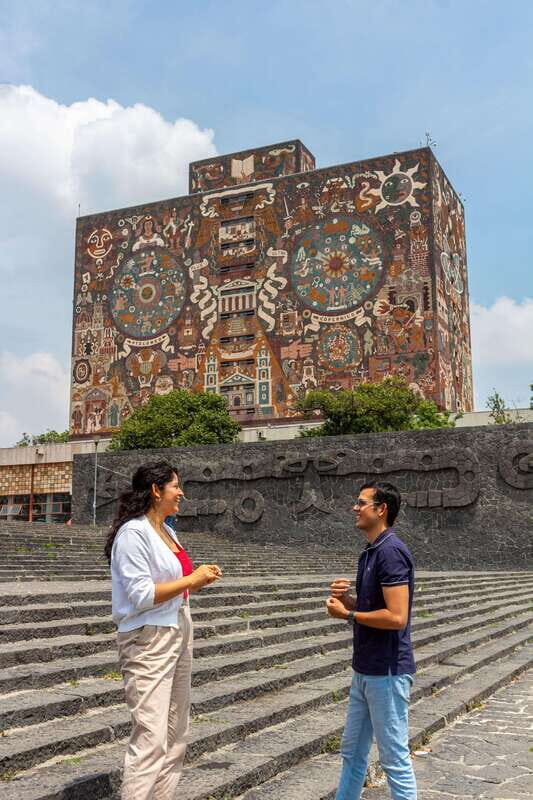
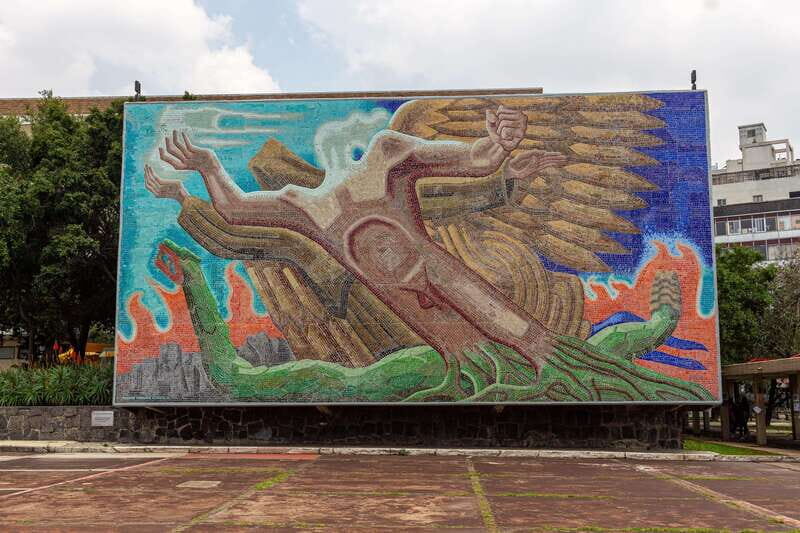
UNAM murals are not just decorative. On this kind of tour, the art works like public thinking—big images meant to be read in the open, in a place where ideas are argued out loud. That is why the theme matters: this route links the university’s role in Mexico with the visual language of the artists.
I love how the tour treats the campus as a living classroom. It’s not only about who painted what. You also get the genesis of education in the country, the energy of student revolts, and why the university still matters today.
You can also read our reviews of more tours and experiences in Mexico City.


Meeting at Rectoría: the UNESCO plaque moment that sets the tone
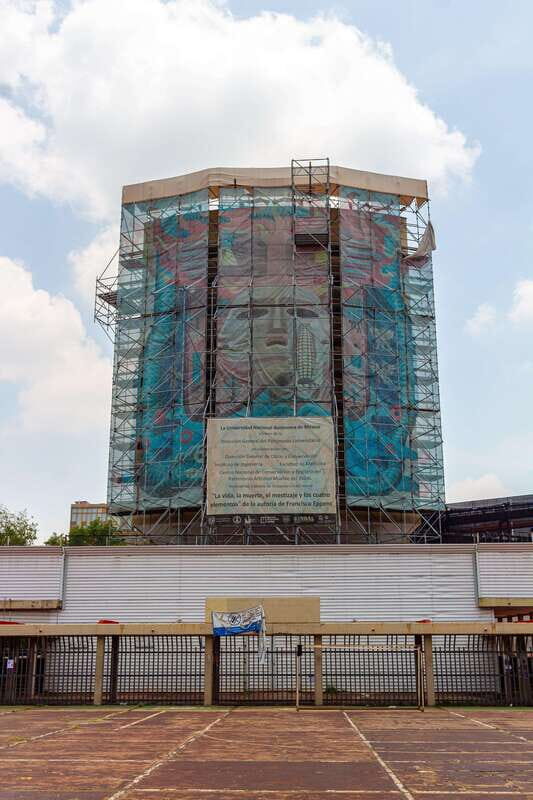
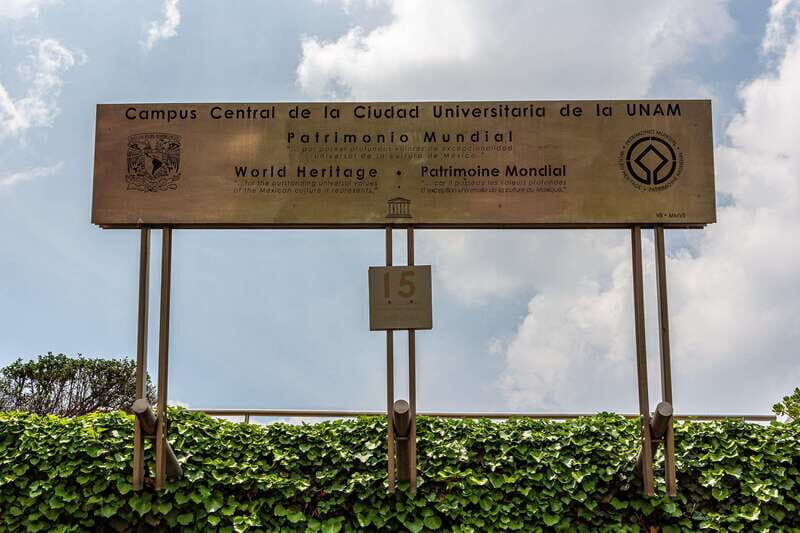
You meet at the Rectoría de la UNAM, right in front of a UNESCO commemorative plaque. That first visual matters more than it sounds. It immediately signals that what you’re seeing isn’t just local flavor—it has recognized cultural importance.
From there, you go into the campus to analyze the murals. The route keeps you oriented, because the tour begins from an anchor point instead of dropping you somewhere random.
One small practical tip: the guide will have a small Mexican flag so you can spot them quickly. That reduces the usual stress of finding the right person at a big landmark.
UNAM Central Library: why the 30-minute pause is worth it
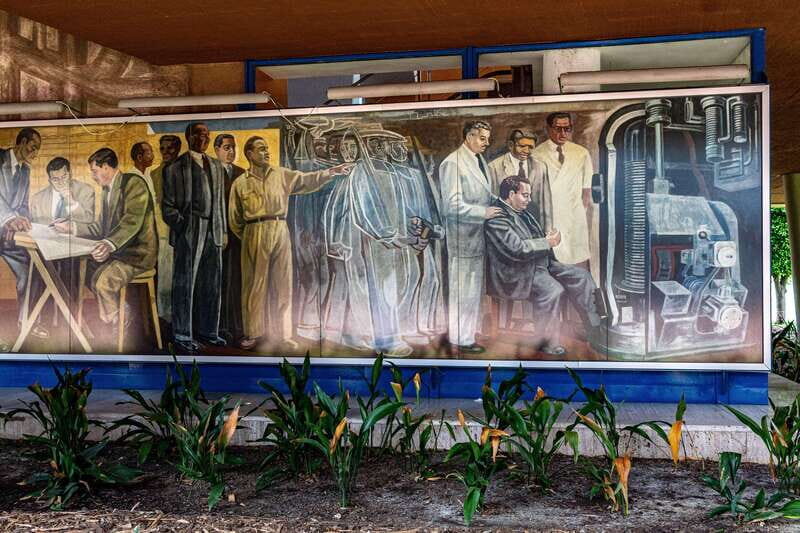
The stop at the UNAM Central Library is guided for about 30 minutes. You’re not waiting around during that time—you’re getting a lens for what the campus represents.
Think of it like setting your eyes to the right focus. After the library framing, the murals stop feeling like separate artworks and start feeling like messages aimed at the same audience: students, teachers, and the broader society watching what universities stand for.
If you’re the type who likes to understand a place before walking through it, this is a good match. If you already know you want art first, the library stop still helps you read the murals more accurately.
Reading the murals: Siqueiros, O’Gorman, Chávez Morado, and Eppens
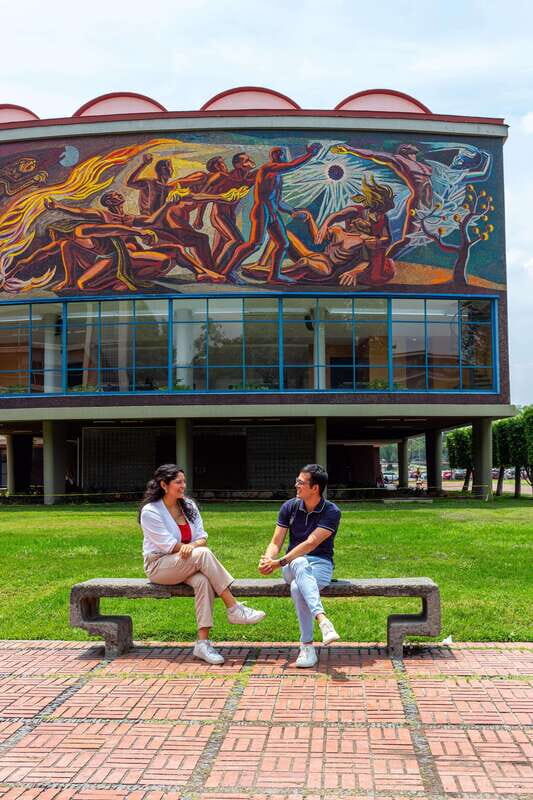
After the library, the tour spends about 1 hour on a guided route that centers on several muralists: Siqueiros, O’Gorman, Chávez Morado, and Eppens. This is where the tour becomes more than a “look and go” experience.
Instead of just pointing at walls, the guide analyzes the murals, connecting their themes to broader Mexican currents. You learn how the visuals link to ideas about education, power, and public life. You also get a sense of the university as a stage where debates became visible.
What I find helpful for you: when you have multiple artists on one walk, the guide can show patterns. The murals can share concerns—public identity, civic responsibility, and social change—even when their styles differ.
Student revolts and the value of the university today
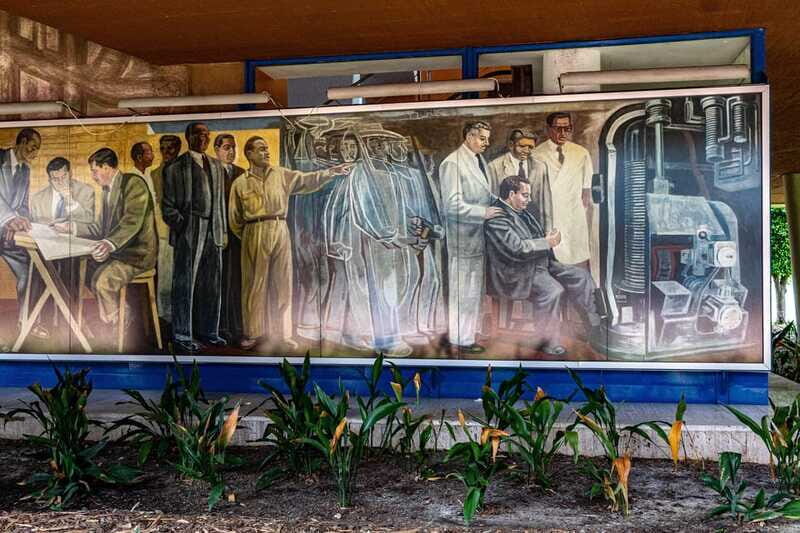
One of the most compelling parts is the way the tour handles education and protest. Along the route, the guide talks about the genesis of education in the country and the student revolts that helped shape the modern university.
This is the difference between mural viewing and mural understanding. The art becomes a record of conversations people were fighting to have. You are not just learning history dates—you’re learning why certain images were made and why they mattered in a university setting.
For many visitors, this is where the tour earns its price. At $52 for a 2-hour guided experience, you are paying for explanation that helps the walls make sense fast. The campus is large; the guide’s narrative saves you from wandering with only partial clues.



UNAM campus art and UNESCO significance: what to notice as you walk
Because the tour starts at Rectoría and includes UNESCO recognition, you get a built-in reason to pay attention. You’re seeing art placed inside a site tied to world recognition, not art selected from a museum box.
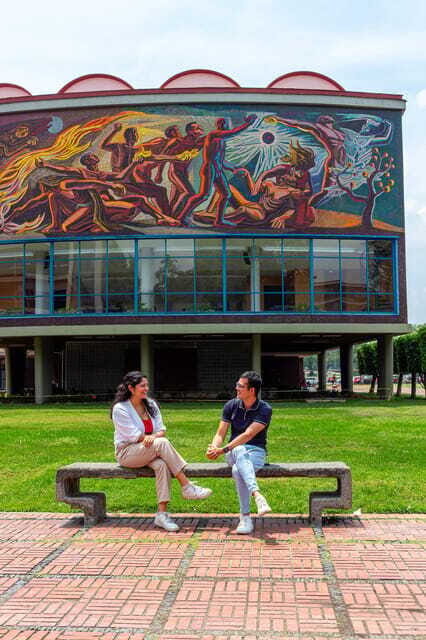
As you walk, keep an eye out for how the murals function in context. The point is not just the painted scene. It’s the scale, the placement, and the idea that students and visitors can meet these themes face-to-face.
Also notice the continuity between stops. The library frames the setting. The mural route provides the language. The final stadium-area stop ties those themes back into a national story.
Estadio Olímpico Universitario: getting to Diego Rivera’s mural
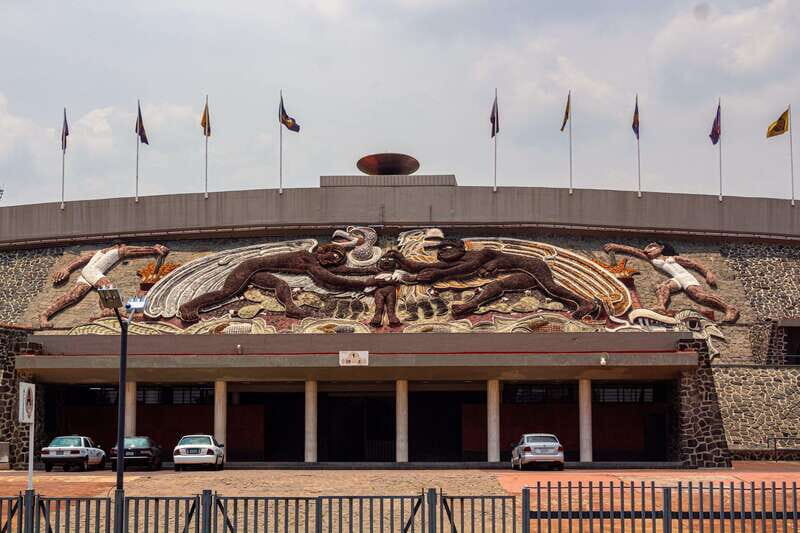
The final major stop heads to the Estadio Olímpico Universitario area for about 30 minutes, including viewing Diego Rivera’s mural: La universidad, la familia y el deporte en México.
This matters because it expands the mural conversation. Instead of staying strictly in the political lane, Rivera’s image brings together education, family, and sport—three themes that connect daily life to national identity. In other words, you get a sense of how ideas about the university spread beyond classrooms.
The tour also emphasizes the stadium as part of the same UNAM world, which helps you see the campus as an ecosystem. It is not only lecture halls and libraries. It is also public art attached to spaces where people gather.
Price and value: is $52 for 2 hours fair?
At $52 per person for a 2-hour guided walk, you’re buying something specific: interpretation plus a focused route through key UNESCO-adjacent UNAM spaces. You’re not paying just for entry. You’re paying for a guide to connect multiple muralists, themes, and settings into one story.
You get four major blocks of time: the Rectoría start, a 30-minute guided library stop, about 1 hour of mural analysis across the campus route, and a 30-minute guided look at the stadium-area mural by Rivera. That pacing is tight, but it’s efficient. For many visitors, the biggest value is having a narrative so you don’t spend your limited time guessing what you’re looking at.
If you love art and want context without a long day, this price makes sense. If you want lots of personal wandering and no structure, you might feel it’s more guided than you need.
The guide matters: spotting them and choosing your language
The tour runs with a live guide and offers multiple languages: Spanish, English, German, Italian, and Portuguese. If you’re traveling internationally, that language list is a big plus because the murals’ political and educational references are easier to follow when the explanation matches your comfort level.
One detail that makes a real difference: the guide carries a small Mexican flag. In practice, that makes meeting fast and keeps you from wasting time on logistics.
The review notes also point to guide quality. Guides named Jose and Jesus have been described as engaging and clear, with strong knowledge and good answers. That lines up with what you want for a mural tour—someone who can explain symbols without turning it into a lecture you can’t track.
Who this UNAM murals tour is best for
This tour fits best if you fall into one of these categories:
- You like public art that has political and social meaning, not just aesthetics
- You want a short, guided route through UNAM rather than trying to plan a route on your own
- You enjoy learning how education and protest shaped Mexico and how that shows up on walls
- You’re a first-time visitor to Mexico City who wants a high-value, culture-heavy activity near major landmarks
It also works well if you’re traveling with mixed interests. Art lovers get major muralists. History-minded travelers get student revolts and education themes. People who care about architecture or public space get the campus-and-stadium setting.
A simple “make it better” checklist for your 2 hours
This tour is concentrated, so you’ll enjoy it more if you prepare for movement and close reading.
- Wear comfortable shoes for campus walking
- Bring a small notebook or take quick phone notes so key mural themes don’t blur
- Have one or two questions ready about the connection between university life and the murals
- If you’re sensitive to crowds, pick your language and meeting time calmly and arrive a few minutes early
No need to overthink it. The route is designed to be understandable and guided, and the final mural at the stadium helps you land the main themes before you leave.
Should you book UNAM: Murals & Revolution?
I’d book this tour if you want a short, high-context way to experience UNAM’s murals. The UNESCO start, the guided UNAM Central Library stop, the mural analysis across major artists, and the Rivera mural at Estadio Olímpico Universitario create a complete arc in just 2 hours.
It’s also a good choice if you value a guide who can connect art to education and student revolts instead of treating murals like postcard subjects. With a live multilingual guide and a route that prioritizes understanding, the $52 price feels like paying for clarity and momentum.
Skip it only if you want lots of free time to wander and you’re not interested in a themed explanation. For everyone else, this is a smart way to turn UNAM from a name into a place you can actually read.
FAQ
How long is the UNAM: Murals & Revolution tour?
The duration is 2 hours.
Where do we meet for the tour?
You meet at Rectoría de la UNAM, in front of the UNESCO commemorative plaque.
What’s included in the price?
A guide is included.
What languages are available?
The tour is offered in Spanish, English, German, Italian, and Portuguese.
Which murals and artists will we see?
The tour includes murals by Siqueiros, O’Gorman, Chávez Morado, and Eppens, and it also shows Diego Rivera’s mural La universidad, la familia y el deporte en México.
Is free cancellation available?
Yes. You can cancel up to 24 hours in advance for a full refund, and you can also reserve now and pay later.