REVIEW · MEXICO CITY
The Best of Santa Maria de la Ribera
Book on Viator →Operated by Eat Mexico Culinary Tours · Bookable on Viator
Santa María la Ribera turns a normal meal into a neighborhood story. This 3.5-hour food tour takes you past spots most visitors never plan for, with a calm pace and a small group vibe. I like that you eat enough for a big breakfast and lunch, not just a couple of bites, and you end with drinks that feel like part of the day, not an afterthought.
Two standout reasons to consider it: the guide, Nico Garcia, brings food to the front with real context, and the stops are built around working local places (tamales factory, a cooking school/restaurant, and a pulquería). One thing to consider: it depends on good weather, so if conditions are rough, the experience may be moved or refunded.
In This Review
- Key highlights to expect
- Santa María la Ribera: the meal you didn’t know you needed
- The price makes sense when you track what’s actually included
- Where you meet and how the route works (start-to-finish reality)
- Stop 1: Santa María la Ribera, and the flavor-making begins
- A small-group advantage you’ll feel fast
- Market stroll: see how a traditional city market feels
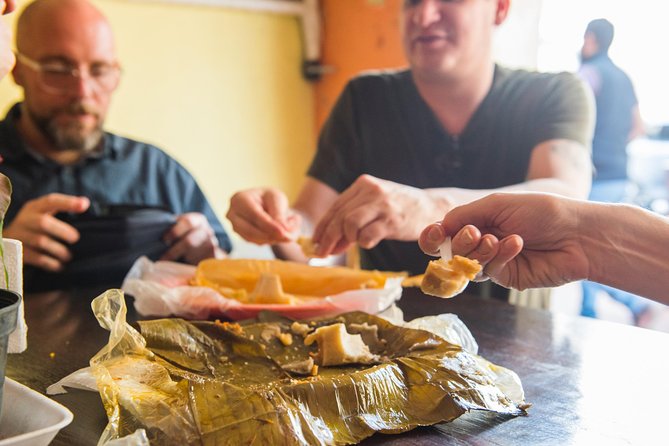
- Working tamales factory: 20+ varieties without the tourist script
- What to watch for during tastings
- Neighborhood cooking school/restaurant: food as a way out and a way forward
- Why this matters even if you’re just there to eat
- Hidden pulquería: swings doors, no sign, and a long tradition
- How to approach pulque if you’ve never tried it
- Neighborhood landmarks: the century-old geology museum stop
- Buñuelos and the final drinks: end on sweet and caffeine
- Logistics that affect your day (and how to plan around them)
- Who should book this Santa María la Ribera food tour?
- Should you book The Best of Santa Maria de la Ribera?
- FAQ
- How much does The Best of Santa Maria de la Ribera cost?
- How long is the tour?
- What’s the group size?
- What language is the tour offered in?
- Is the tour mostly about food, or is there sightseeing too?
- What food and drinks are included?
- What does the tour end with?
- Where does the tour start and end?
- What happens if the weather is bad?
Key highlights to expect
- Eat your way through Santa María la Ribera with stops that go beyond typical tourist circuits
- Make herb-infused Mexican salt at a local garden stop, then use that flavor knowledge as you go
- Taste pulque from a no-sign pulquería with old-school saloon doors and long neighborhood history
- Workday variety at a tamales factory offering 20+ varieties daily
- Support a local cooking school/restaurant that helps people start food businesses
- Finish with buñuelos plus coffee or tea and a microbrew or mezcal
Santa María la Ribera: the meal you didn’t know you needed
If Mexico City food tours feel like they all blur together, this one offers a different angle. You’re not just chasing famous dishes. You’re walking a specific slice of the city—Santa María la Ribera—and seeing how everyday food places function in real life.
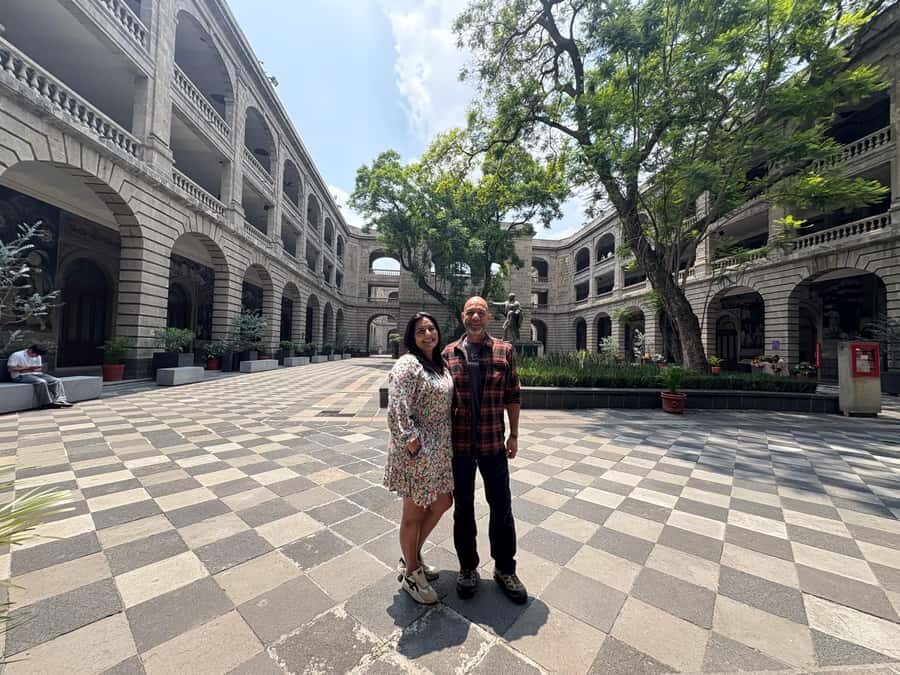
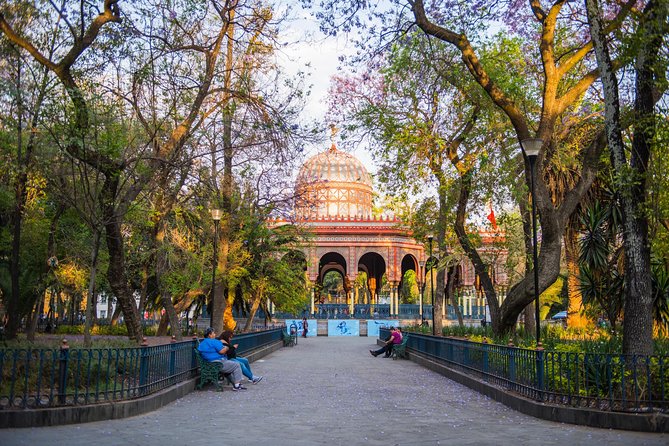
This neighborhood matters because it still holds on to a turn-of-the-century feel (the area was founded in the 1860s). That means your food stops don’t feel like museum exhibits. They feel like part of a living neighborhood rhythm, where the same places that feed locals also shape local identity.
The tour also leans into something I really value when I’m choosing an eating experience: it’s built for conversation and context. Nico Garcia guides you through what you’re eating and why it belongs here—history, resilience, and culture told through food, drinks, and local institutions.
You can also read our reviews of more tours and experiences in Mexico City.

The price makes sense when you track what’s actually included
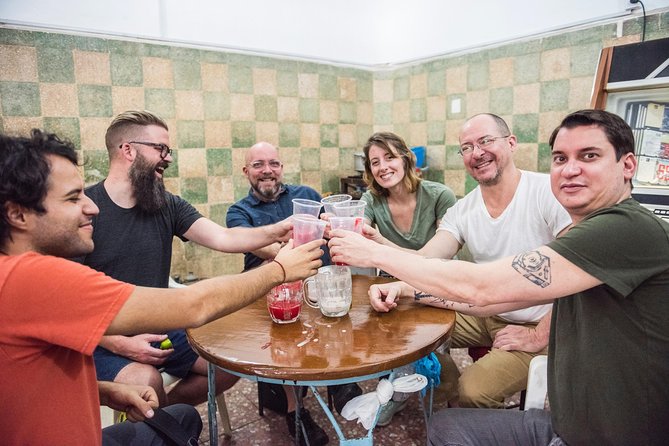
At $122.46 per person, you’re paying for three things at once: access to several specific food businesses, a guided route on foot, and a lot of food. This is not a few tastings. The tour includes as much food as you can eat—enough for a large breakfast and lunch combined.
On top of that, you get:
- one agua fresca and one coffee or tea at the end
- a generous taste of traditional pulque
- one Mexican microbrew or mezcal
So the math is pretty practical. If you try to recreate this on your own, you’ll spend time figuring out where to go, then pay separately for multiple meal-sized stops plus drinks. Here, the guide handles the pacing and ordering, and you get a guided path through places you might not find as easily.
Also, the tour caps at 8 travelers, and the experience feels even more personal than that. In other words, you should be able to ask questions, not just follow a group line.
Where you meet and how the route works (start-to-finish reality)
The tour starts at Alameda de Santa María, on Calle Salvador Díaz Mirón, in Santa María la Ribera. It begins at 1:00 pm and runs about 3 hours 30 minutes.
You end at Restaurante El Estanquillo El 32 (Dr. Enrique González Martínez 32). That’s helpful for planning: you’re not stranded far from the route once the tasting portion ends. Since the end spot is a family-run restaurant/store that sells items like craft beer, artisanal mezcal, coffee, honey, salsas, and more, it’s a good place to continue your day with a low-stress “what’s next?” choice.
Tip for planning your afternoon: because the tour ends at a working food/drink place, you’ll likely want to keep your next stop flexible. If you’re hungry after the tour, you’re in a good position to handle it.
Stop 1: Santa María la Ribera, and the flavor-making begins
The first big theme is connection. Nico Garcia isn’t just pointing at food and saying eat this. You start in Santa María la Ribera and quickly shift from sightseeing to tasting with a hands-on element.
One of the most memorable early activities is the herb-infused Mexican salt. You’ll make your own at a local garden stop. This isn’t a gimmick. It teaches you something you can carry forward: how salt, herbs, and local flavor logic work together. Even if you don’t know the cuisine yet, you’ll leave with a practical sense of how the flavors are built.
A small-group advantage you’ll feel fast
With a max of 8 travelers, this kind of stop works better than it does in big groups. You’re not standing in a crowd waiting your turn to taste. You’re learning, tasting, and moving on with breathing room—especially useful when you hit crowded market areas later.



Market stroll: see how a traditional city market feels
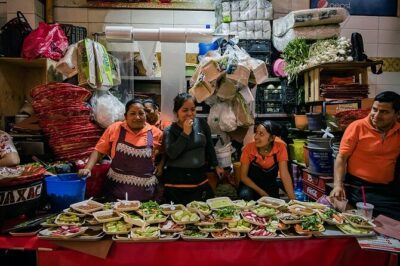
After the garden, you do a quick walk through a local market. The value here isn’t just visuals—it’s orientation. When you’ve seen how a traditional market operates, the rest of the tour makes more sense. You’ll notice patterns: what people buy for daily eating, how produce and pantry items are presented, and how food culture lives in everyday routines.
This part of the itinerary also works as a tone-setter. It tells you what kind of food day this is: practical, local, and built for real taste—not staged perfection.
Working tamales factory: 20+ varieties without the tourist script
Next comes a stop that food lovers tend to love for one simple reason: it’s real work, real production, and real variety. The tour takes you to a working tamales factory that offers more than 20 varieties daily.
This is one of the most valuable stops if you’re trying to understand Mexican food beyond one dish. Tamales are often treated like a single item in casual conversation. Here, the variety highlights what changes from one version to the next—seasoning style, fillings, and how tamales can serve different tastes and moments.
What to watch for during tastings
Because there are many options, don’t pressure yourself to sample everything. Eat slowly and choose based on your curiosity. If one style feels familiar, you might still be learning something. The point is to notice differences and let the guide’s context make sense of it.
Also, since the tour includes a lot of food overall, pace yourself. You want to enjoy later stops like pulque and buñuelos, not just survive the schedule.
Neighborhood cooking school/restaurant: food as a way out and a way forward
You’ll also visit a neighborhood cooking school and restaurant that helps locals who may want to start their own food businesses. This stop gives the tour a social purpose without turning it into a lecture.
Here’s what I like about it: you’re connecting the act of eating to the act of building. Food isn’t just entertainment. It’s work, income, and identity. Even a simple meal becomes part of that story once you understand the goal behind it.
Why this matters even if you’re just there to eat
If you’re a visitor, it’s easy to treat food as a product. This stop nudges you to treat it as a system—someone learned skills, then turned them into a livelihood. That mindset change is part of why small-group tours with good guiding can feel more meaningful than a checklist.
Hidden pulquería: swings doors, no sign, and a long tradition
One of the most distinctive parts of the tour is the pulquería stop. You’ll go to a place with swinging saloon doors and no sign—a style of entry that’s practically designed to keep it local.
The pulque part is more than a sip. The tour includes a generous taste of pulque, and you learn that the beverage traces its roots to pre-Hispanic times. That long lineage is exactly why pulque still shows up in neighborhood culture.
How to approach pulque if you’ve never tried it
Pulque is fermented, and it has a distinct profile. If you’re unsure, treat it like a tasting flight: take small samples, note texture and flavor, and let Nico Garcia’s context guide your expectations. You don’t need to love it instantly to enjoy the experience of learning what locals choose—and why.
And yes, this is one of the stops where the small-group size helps again. You’re not trying to talk over a huge crowd while learning the rules of a place.
Neighborhood landmarks: the century-old geology museum stop
Santa María la Ribera isn’t only food. Along the way, you’ll also see landmarks that shape the neighborhood’s feel—one highlight is a century-old geology museum.
This matters because it keeps your day from becoming purely edible trivia. It adds a sense of time and place, so you understand why the neighborhood has its own texture. You start to see Santa María la Ribera as a real place with institutions and history, not just a route between restaurants.
If you like cities where neighborhoods have character, this will land well.
Buñuelos and the final drinks: end on sweet and caffeine
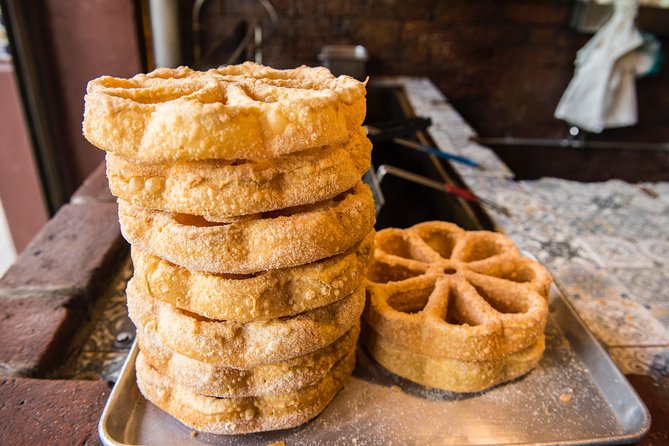
You’ll finish with buñuelos, described as crunchy fried dough topped with sugar syrup. It’s a classic sweet finish for a reason: it gives you contrast after savory flavors and fermented drinks.
Then you wrap up with:
- agua fresca earlier on the itinerary
- and at the end, one coffee or tea
You’ll also get one Mexican microbrew or Mezcal during the tour. That pairing is nice because it reflects the neighborhood’s everyday drink culture, and it gives you a chance to pick what fits your mood—beer or mezcal.
Practical note: if you’re sensitive to alcohol, choose carefully. This tour includes one alcoholic option plus pulque tastings, so it’s not a zero-alcohol day.
Logistics that affect your day (and how to plan around them)
A few practical points help you enjoy this tour smoothly:
- Timing: Start is 1:00 pm, and the tour runs around 3.5 hours. Plan a light lunch before you go if you’re someone who gets very full easily, but also know the tour is designed to feed you enough for a large breakfast and lunch combined.
- Group size: Max 8 travelers, which supports a more personal pace.
- Language: Offered in English.
- Ticketing: You’ll have a mobile ticket.
- Weather: Good weather is required. If it’s canceled for poor weather, you’ll be offered a different date or a full refund.
- Getting there: It’s near public transportation, which is a real win in Mexico City.
One more thing: the tour is commonly booked about 28 days in advance on average. If you have firm dates, don’t wait too long.
Who should book this Santa María la Ribera food tour?
This tour is a great fit if:
- you want traditional Mexican food with more variety than a single restaurant crawl
- you like seeing a neighborhood that most visitors skip
- you enjoy guided context, especially from a guide who connects food to local history and resilience
- you prefer a small-group experience where questions are welcome
It may not be ideal if:
- you hate any fermented flavors and don’t want pulque on your schedule
- you want a tour that is mostly sightseeing rather than eating
- you need super flexible weather-free plans, since it’s weather dependent
Should you book The Best of Santa Maria de la Ribera?
I’d book it if you want a food experience that feels rooted in real local businesses—and you care about more than just eating well. The combination of tamales (20+ varieties daily), hands-on herb-infused salt, a real pulquería stop, and sweet buñuelos adds up to a day with strong flavor payoff.
The value is especially clear because the tour includes meal-sized food and multiple drinks, all in a route designed around one neighborhood. If your main goal is to taste widely and learn as you go, this is the kind of tour that pays you back quickly—both in your stomach and your understanding of Mexico City beyond the usual highlights.
If you’re going in with curiosity, an open mind about pulque, and a willingness to slow down for tastings, you’re likely to love how much this small neighborhood experience can teach you.
FAQ
How much does The Best of Santa Maria de la Ribera cost?
The price is $122.46 per person.
How long is the tour?
The duration is about 3 hours 30 minutes.
What’s the group size?
The tour has a maximum of 8 travelers.
What language is the tour offered in?
The tour is offered in English.
Is the tour mostly about food, or is there sightseeing too?
It’s primarily a food tour, but you also see neighborhood landmarks, including a century-old geology museum.
What food and drinks are included?
You get as much food as you can eat, enough for a large breakfast and lunch combined; one agua fresca; one coffee or tea at the end; a generous taste of pulque; and one Mexican microbrew or mezcal.
What does the tour end with?
It ends with buñuelos and includes coffee or tea, plus the included pulque and drink tasting parts completed earlier.
Where does the tour start and end?
It starts at Alameda de Santa María on Calle Salvador Díaz Mirón, and ends at Restaurante El Estanquillo El 32 on Dr. Enrique González Martínez 32.
What happens if the weather is bad?
Good weather is required. If it’s canceled due to poor weather, you’ll be offered a different date or a full refund.