REVIEW · MEXICO CITY
Mountaineering Iztaccihuatl (5220m)
Book on Viator →Operated by México Travesías · Bookable on Viator
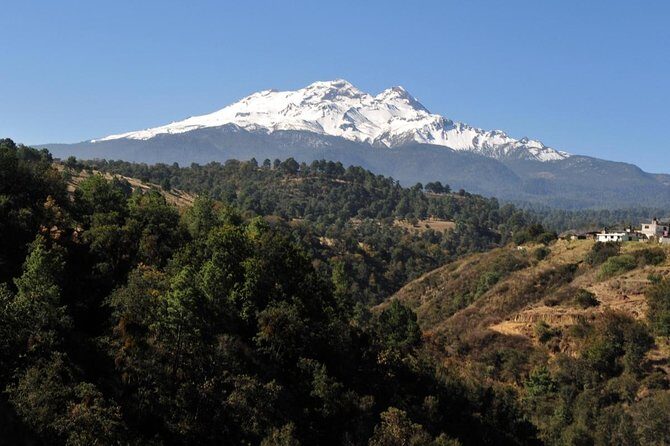
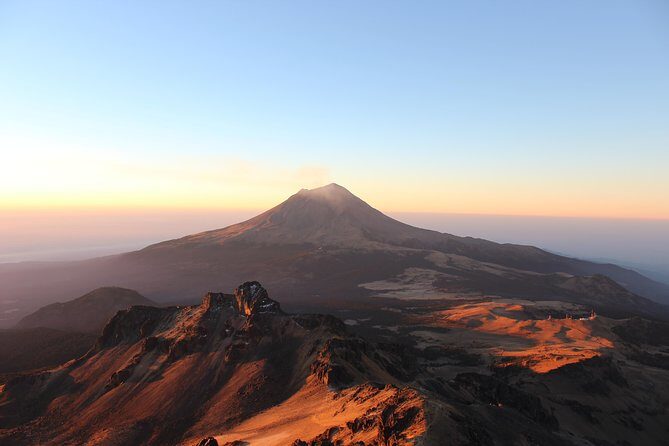
Two days, one big altitude test. This climb up Iztaccihuatl (5220m) is interesting because it’s built around real mountaineering pacing, not a casual hike. You’re aiming for the summit of Mexico’s third-highest point, with views out toward the nearby (and active) Popocatépetl volcano.
I also like the way the trip keeps things grounded in safety and good guidance. The included equipment—helmet, lamp, crampons, and an ice ax—plus a max group size of 10 helps you feel like you’re in competent hands under Bernardo. The one real drawback: this is for people with strong fitness, and the 2:00 am summit start means you can’t “sleep in” your way through it.
In This Review
- Key Things That Make This Iztaccihuatl Climb Worth Your Time
- Iztaccihuatl in Two Days: Why 5,220m Gets Your Attention
- Condesa Morning to Paso de Cortes: Getting Set Without Chaos
- Day 1: Altzomoni Refuge and the Acclimatization Ascent
- Summit Day at 2:00 am: The Push, the Timing, the Reward
- Coming Down and Refueling in Amecameca
- What You’re Paying for: Value Behind the $579.45 Price
- English-Friendly, Small-Group Focus: How the Trip Feels in Real Life
- Who This Is For (and Who Should Skip It)
- Quick Booking Confidence: What Helps You Decide Fast
- Should You Book México Travesías’ Iztaccihuatl Climb?
- FAQ
- Where does the tour start?
- What is the duration of the experience?
- How much does the tour cost?
- What’s the maximum group size?
- Is the tour offered in English?
- What safety equipment is included?
- Are meals included?
- Do you get private transportation?
- What happens if the trip is canceled due to poor weather?
Key Things That Make This Iztaccihuatl Climb Worth Your Time
Small group size (up to 10) means you’re not lost in a crowd.
Acclimatization on Day 1 helps your body adjust before summit day.
Mountaineering gear included (helmet, lamp, crampons, ice ax) cuts guesswork.
Private transportation makes the Mexico City-to-trailhead leg easier.
Traditional meal in Amecameca after the summit gives you a real finish.
Iztaccihuatl in Two Days: Why 5,220m Gets Your Attention
If you want a short trip that still feels like a true mountain mission, Iztaccihuatl fits the bill. It’s not just about reaching a big number on a summit sign. This climb is structured to give you a proper start, a night at the Altzomoni refuge area, and a summit push timed for visibility and conditions.
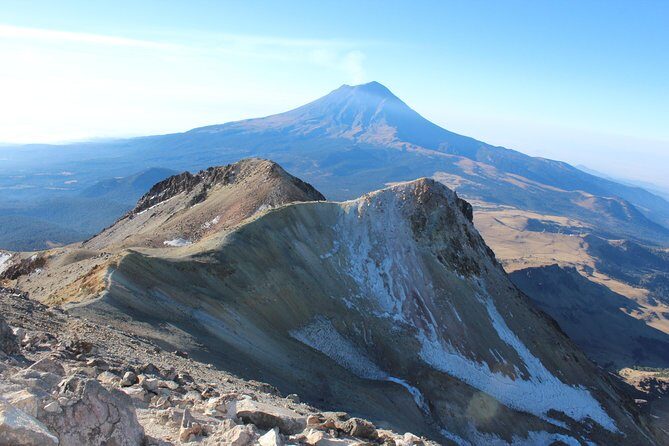
The big emotional payoff is the view. From up high, you’re looking toward Popocatépetl, and that “active volcano” reality makes everything feel sharper and more dramatic. It’s the kind of scenery that makes you stop talking for a minute. You’ll also get that satisfying sense of finishing something hard—exactly what a mountaineering trip should deliver.
At the same time, it’s not marketed as a crazy endurance event with zero support. You’re traveling with a small group and you’re given safety gear, which matters when you’re dealing with cold, steep terrain, and early starts.
You can also read our reviews of more tours and experiences in Mexico City.
Condesa Morning to Paso de Cortes: Getting Set Without Chaos
Most of your day-to-day stress is handled before you even reach the mountain. The tour includes private transportation, and it starts at Av. Vicente Suárez 38, Colonia Condesa. That’s a real quality-of-life factor in Mexico City. Instead of piecing together transit while you’re half-frazzled about altitude, you’re moving as a group toward the climbing area.
The trip also includes a mobile ticket, and you’ll get confirmation around booking time (unless you book super close to departure). I like this because it reduces the “will this actually happen?” uncertainty.
Once you’re out by Paso de Cortes, you register and move on to the Altzomoni refuge. Registering on-site is a small detail, but it signals that the operation expects weather and route conditions to shape how things run. In a mountain context, that’s a good sign. You want a provider that’s organized enough to keep you moving when conditions tighten.
Day 1: Altzomoni Refuge and the Acclimatization Ascent
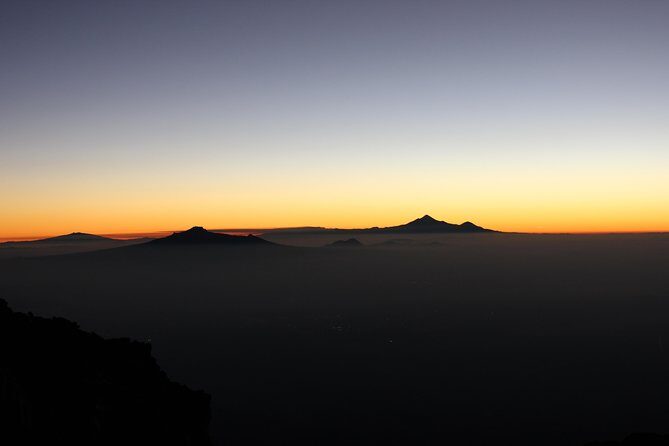
Day 1 has a clear purpose: get you acclimatized and ready to climb higher without burning out. After you head to the Altzomoni refuge, you’ll do an acclimatization ascent toward the first gate, then return to the refuge for dinner and an early rest.
This is one of the smartest parts of the whole plan. Summit day starts at 2:00 am. If you treat Day 1 like a casual warm-up, you pay for it. The acclimatization step is there so your body has a chance to adjust and you can make steady progress later.
The rhythm also helps mentally. You don’t just arrive and immediately “go big.” You ease into the altitude reality, then you’re back at the refuge to recover. Dinner and an early night are part of that design. You’re aiming to wake up for summit day with enough energy to focus instead of suffering.
One practical thought: you’ll want to use Day 1 to conserve. You might be tempted to push harder just to feel motivated. Resist that urge. Your goal is to reach the summit on schedule, not to prove toughness on the first day.
Summit Day at 2:00 am: The Push, the Timing, the Reward
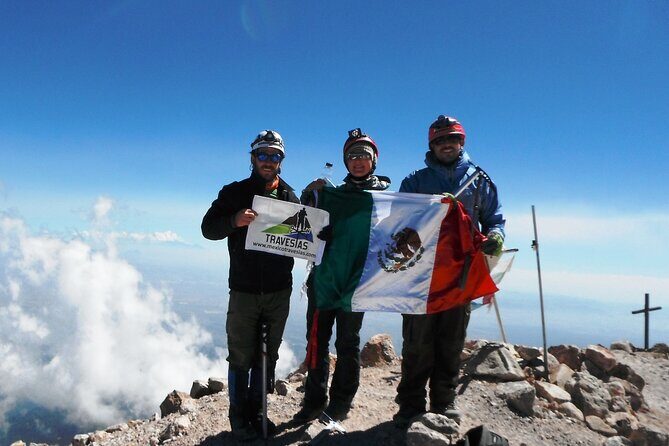
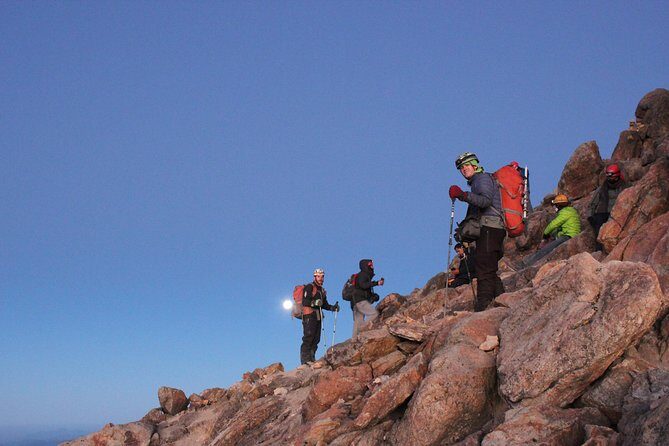
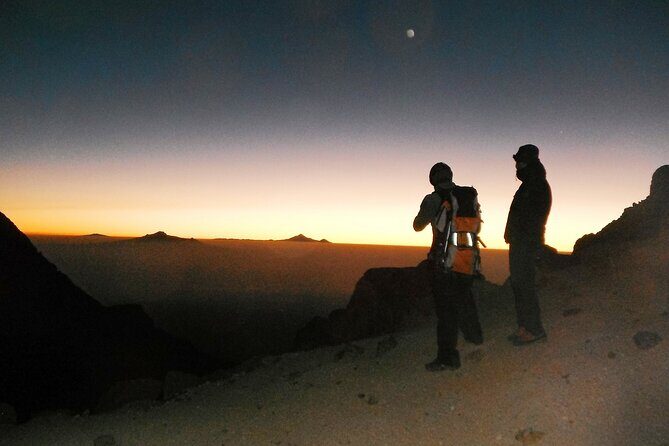
Summit day starts early—2:00 am—with the goal of reaching the top around 12:00 pm. That’s a long window, and it’s also a comforting one. It gives your body and your team time to move in a controlled way rather than rushing on a fragile timeline.
The climb to the summit day is the main event, but the tour description keeps it grounded in what you’ll do: you begin the ascent, you reach the summit, you take in the view, and then you head back down to the truck.
Here’s what I think makes the timing practical for most people:
- Early start helps you climb in the conditions you’re planned for.
- A midday-ish arrival gives you daylight and lets you enjoy the summit moment without a blind scramble.
- The plan includes the return to the vehicle right after the view time, so you’re not left guessing what happens next.
And that view time is not a throwaway. The top is where you get the payoff of the effort, with Popocatépetl in view. If you’re the type who likes to savor a moment rather than just collect a photo, you’ll appreciate that brief chance to pause before the descent.
Coming Down and Refueling in Amecameca
After the summit and the return to the truck, you head toward Amecameca for a traditional meal. This is a smart move for two reasons.
First, it anchors the day. You’re not just dropping off the mountain and then figuring out dinner. You’ve got a clear plan for refueling right away.
Second, a traditional meal after a hard climb is one of those “small rituals” that makes travel feel real. It also gives you a nice contrast: serious effort up high, comfort and culture down below. It turns the trip from a technical exercise into a full experience.
If you’re worried about how you’ll feel after the summit day: expect fatigue, but also a very clear sense of completion. The meal part matters because it’s a reminder that you’ve finished, not just survived.

What You’re Paying for: Value Behind the $579.45 Price
At $579.45 per person for about 2 days, the value comes from the things you don’t want to improvise. This isn’t a “show up with your own random gear” situation. The tour includes mountaineering safety equipment: helmet, lamp, crampons, and an ice ax.
That’s a big deal for cost and peace of mind. If you’ve ever priced out gear rentals—or worse, tried to borrow the wrong gear—you know how quickly it adds up. Here, you’re starting the trip already equipped for the technical nature of the climb.
The price also includes meals: breakfast, dinner, and lunch (the listing wording mentions lunch multiple times, but the core idea is you’re fed across the two days). You’re also covered with private transportation, which saves time and reduces stress.
One thing not included is alcohol. I’m glad that’s stated plainly. If you like to celebrate with a drink, you can plan for it on your own rather than being surprised at the end.
Given all that, $579.45 makes more sense as a packaged “mountaineering logistics + safety + food” cost. You’re paying for structure. And on a climb, structure is part of safety.
English-Friendly, Small-Group Focus: How the Trip Feels in Real Life
This tour is offered in English, which is a practical advantage if you’re traveling from abroad or you just don’t want to rely on your Spanish skills while you’re concentrating on safety steps.
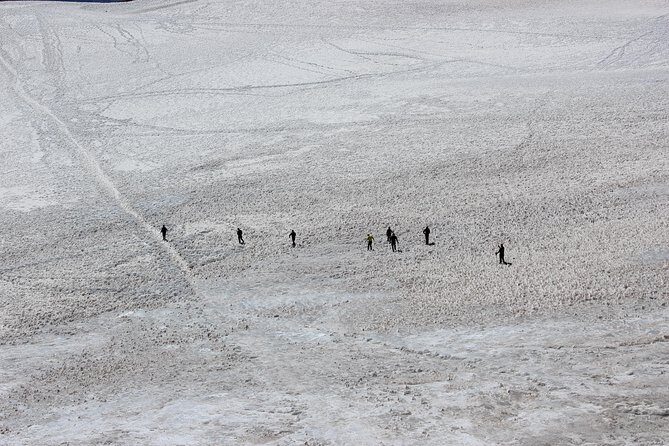
The group limit—maximum 10 travelers—also matters. In mountains, small groups keep the pace manageable and communication clearer. You’re more likely to get direct guidance when you need it, especially on early-morning timing and on technical terrain.
The review highlight points to the human factor here: Bernardo is described as running a great operation, and that kind of consistency is what you want for something as time-sensitive as a summit climb. Even without knowing the details of the day-to-day beyond the itinerary, the reputation for good management shows up in the overall experience rating.
And yes, the views get praised for a reason. Popocatépetl is close enough to make the summit feel alive and relevant, not just scenic.
Who This Is For (and Who Should Skip It)
This trip is best for people with strong physical fitness. The tour also states it’s not recommended for children under 14. That tells you the difficulty level and the expected stamina.
You should strongly consider this climb if you:
- Want a guided mountaineering experience rather than DIY climbing.
- Are comfortable committing to an early 2:00 am start.
- Like small-group trips where you can hear instructions and move with the group.
You should think twice if you:
- Know you’re not ready for a steep, demanding schedule.
- Prefer relaxed travel days with flexible wake-up times.
Also, this experience requires good weather. If conditions aren’t right, the tour may be canceled. The upside is you’ll be offered a different date or a full refund if that happens.
Quick Booking Confidence: What Helps You Decide Fast
I’d book this Iztaccihuatl climb if you want a serious mountain goal with a plan that covers gear, food, and transportation. The best sign isn’t just the summit itself—it’s the combination of acclimatization on Day 1, included safety gear, and an operation that sounds organized under Bernardo.
Should you be nervous? Only in a healthy way. It’s a high-altitude climb with a technical gear list and a very early start. But that’s exactly why it’s worth doing with support.
Should You Book México Travesías’ Iztaccihuatl Climb?
Yes, if you’re fit, you can handle an early start, and you want a guided route with quality safety equipment included. It’s also a great fit if the idea of seeing Popocatépetl from the Iztaccihuatl summit excites you.
I would not book if you want a casual weekend hike, or if you know you struggle with strenuous days. Also skip it if you’re counting on perfect weather like it’s guaranteed. This one depends on conditions, like real mountain travel does.
If you’re ready for that mix of challenge and payoff, this is a strong choice for a tight two-day itinerary.
FAQ
Where does the tour start?
The start point is Av. Vicente Suárez 38, Colonia Condesa, Cuauhtémoc, 06170 Ciudad de México, CDMX, Mexico.
What is the duration of the experience?
The experience lasts about 2 days.
How much does the tour cost?
The price is $579.45 per person.
What’s the maximum group size?
The tour has a maximum of 10 travelers.
Is the tour offered in English?
Yes, it’s offered in English.
What safety equipment is included?
Helmet, lamp, crampons, and an ice ax are included.
Are meals included?
Yes. Breakfast, dinner, and lunch are included.
Do you get private transportation?
Yes, private transportation is included.
What happens if the trip is canceled due to poor weather?
If it’s canceled due to poor weather, you’ll be offered a different date or a full refund.