REVIEW · CHAPULTEPEC CASTLE
Mexico City: Art, History & gossip about Chapultepec Castle
Book on GetYourGuide →Operated by Walk Mexico · Bookable on GetYourGuide
Chapultepec Castle has layers.
This 3-hour walk and visit turns one hill into a timeline you can actually follow: Mexica sacred ground, an 1780s colonial palace, then a European-style castle under Emperor Maximilian I, and later a presidential home and today the National Museum of History. Along the way, your guide stitches architecture, water, and politics into one story you can see and feel.
I especially love two things about this experience. First, the expert, degree-level guide approach: you get clear context instead of a random list of rooms. Second, the best part is the mix of inside-and-outside—the castle gardens and European rooms plus the walk through the woods, where you notice details most people miss.
One consideration: this is a castle-and-forest route, so you’ll want comfortable shoes and a bit of stamina. If you’re sensitive to hills or uneven ground, plan on slowing down and using the elevator option if you need access inside the castle.
In This Review
- Key highlights you’ll care about
- Chapultepec Castle: where one hill tells Mexico City’s timeline
- Starting at Chapultepec Park Starbucks and heading into the woods
- The sacred hill and the aqueduct: power, water, and place
- European rooms and Maximilian I: the castle as a political statement
- Presidential-era echoes and the National Museum of History angle
- Reforma Avenue views: why the height feels strategic
- The walk back down: woods gossip and pre-Hispanic stone carvings
- Price and value: is $74 worth it for 3 hours?
- Who this tour is best for
- What to bring and how to prepare for the castle-and-woods route
- About the guides: why Héctor, Daniel, and Natalia stand out
- Should you book this Chapultepec Castle tour?
- FAQ
- Where do I meet the guide?
- How long is the tour, and when does it usually run?
- What languages are offered?
- What’s included in the price?
- Are food or drinks included?
- Is the tour wheelchair accessible?
Key highlights you’ll care about
- Mexica history on the hill: Chapultepec wasn’t just scenery; it was sacred and important long before the castle.
- A real water story: you’ll learn how an aqueduct supplied water to the city from the woods.
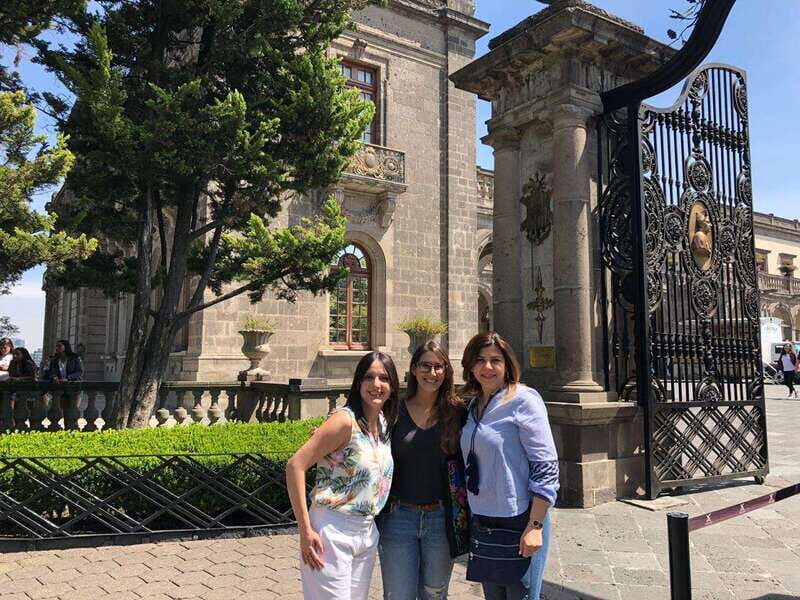
- European rooms and gardens: the castle’s look and layout reflect European influence under Maximilian I.
- Views over Reforma Avenue: the height isn’t for decoration—it gives you orientation across Mexico City.
- Pre-Hispanic stone carvings in the woods: you’ll be guided to preserved stone details along the wooded area.
- Top-tier guides in the mix: strong performances stand out, including guides such as Héctor, Daniel, and Natalia.
Chapultepec Castle: where one hill tells Mexico City’s timeline
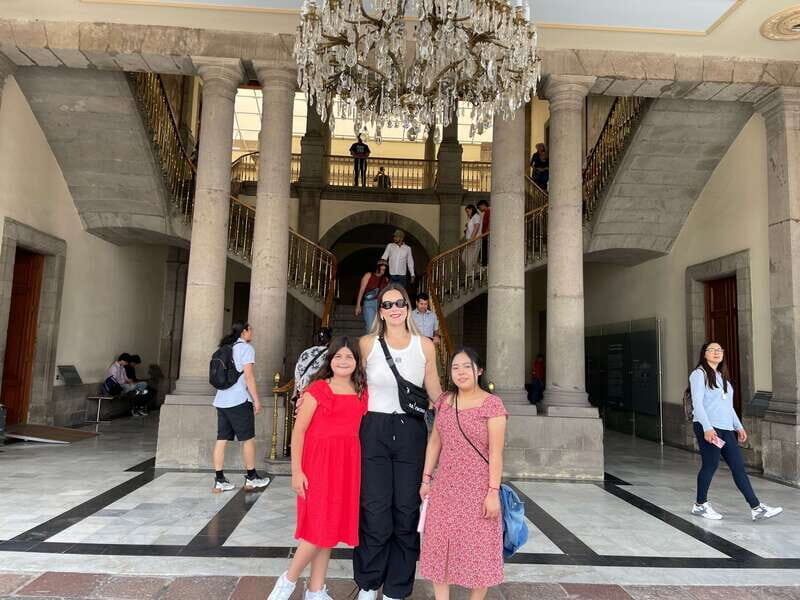
Chapultepec is the kind of place where you stop thinking of a monument as a single era. The hill carries older meaning, then layers get added: colonial-era rebuilding, a European makeover, and modern civic use. The result feels like standing inside a conversation between centuries.
What makes the tour work is the pacing. You’re not stuck staring at plaques. You move from story to story in a setting that matches the theme: sacred hill → palace and castle → museum → wooded descent. It’s the easiest way to understand why this spot still matters to Mexico City.
You can also read our reviews of more tours and experiences in Chapultepec Castle.


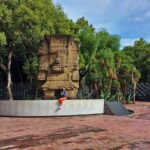
Starting at Chapultepec Park Starbucks and heading into the woods
You meet your guide at Starbucks in Chapultepec Park (Av. Paseo de la Reforma s/n, Bosque de Chapultepec I Secc, 11850 Ciudad de México, CDMX, Mexico). From there, you’re set up for one of the best parts of the day: you begin in the park landscape, not in the ticket line.
That matters because Chapultepec is designed like an experience, not a hallway. Your guide helps you connect the dots between the hill, the forest, and the castle walls. Even before you’re fully at the castle, you start noticing how the setting supports the architecture—how the grounds frame the view and how the elevation changes your perspective.
If you’re traveling with kids, or if you’re the type who likes stories more than facts, this format tends to click fast. A good guide can turn walking into a living lesson.
The sacred hill and the aqueduct: power, water, and place
Before the castle gets all the attention, your guide focuses on the hill’s earlier importance. Chapultepec was sacred to the Mexica (Aztec), and learning that shifts how you read the whole site. Instead of viewing the castle as the start of the story, you see it as a later chapter written onto older meaning.
Then comes the water lesson, which I love because it’s practical and surprisingly visual. You’ll learn about the aqueduct that supplied water to the city from the woods. That’s a huge deal in a city of millions. Water isn’t background here—it’s the engine that makes urban life possible, and it explains why this area could support major use.
If you like history that connects to real needs—food, water, infrastructure—this is one of the strongest parts. You’re not just memorizing a date. You’re seeing why the geography mattered.
European rooms and Maximilian I: the castle as a political statement
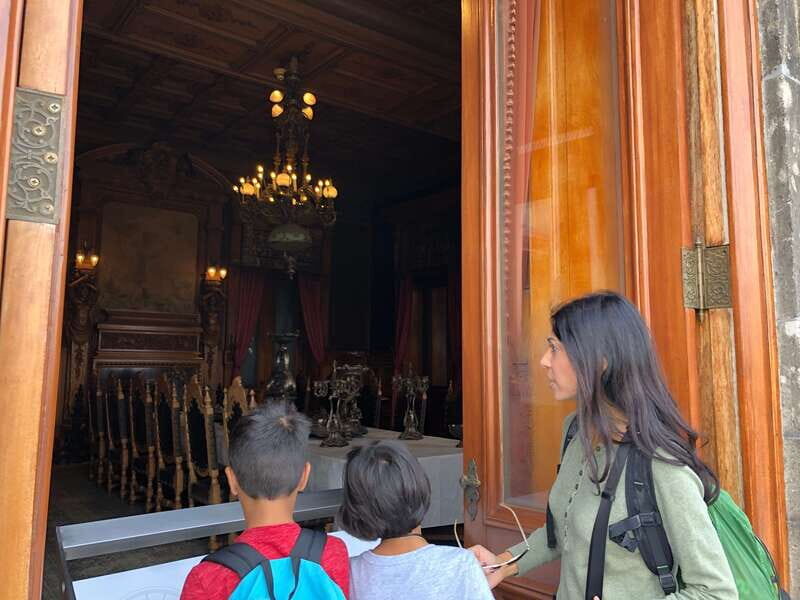
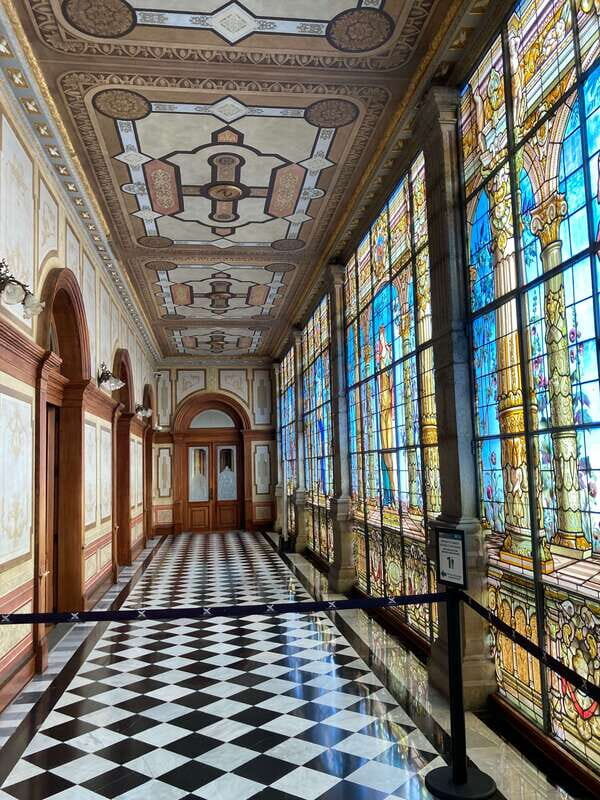
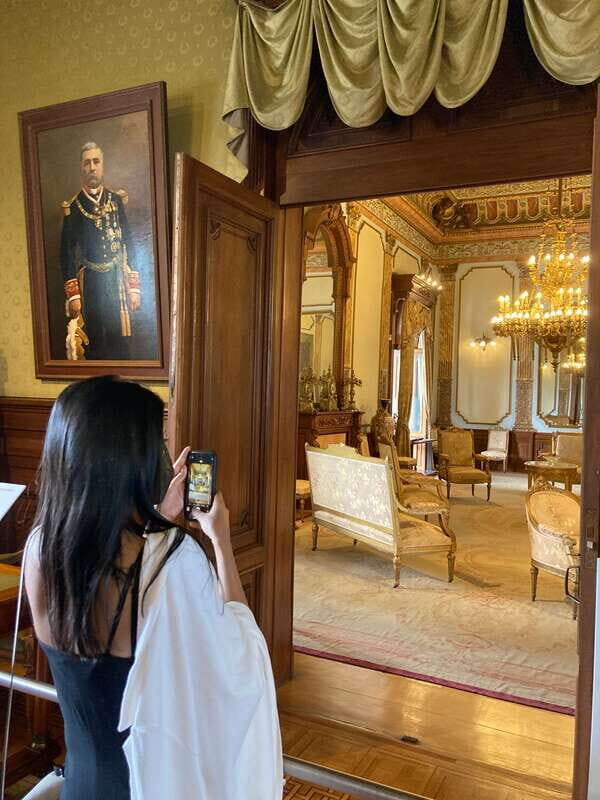
Once you’re in the castle itself, the focus becomes architecture and function. You’ll walk through European rooms and gardens, and your guide explains how the site changed into something that looks distinctly European compared to earlier layers.
A key character in that transformation is Emperor Maximilian I. You learn how the hill’s colonial-era palace direction eventually became a European-style castle, and why that shift wasn’t only about aesthetics. It was about power, legitimacy, and identity—who gets to rule, and how symbols are built.
Practically, the castle visit is also about what you notice. The rooms and garden layouts give you a sense of daily life for different eras, from courtly space to later civic use. You’ll come away with a clearer mental map, not just a vague sense that the castle is pretty.
Presidential-era echoes and the National Museum of History angle
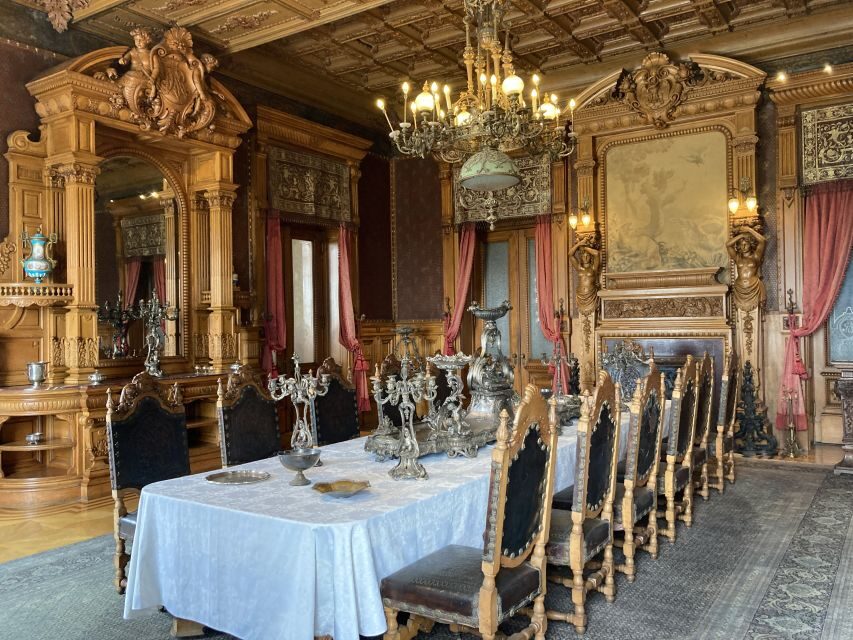
Chapultepec didn’t stop at royal life. The castle served as a presidential home and eventually became a National Museum of History. Your guide ties those phases together so the site doesn’t feel like it jumped eras randomly.
This museum angle matters because it changes how you should look around. In a museum setting, you’re not only admiring architecture—you’re reading how history is presented. A good guide points out what the castle’s various uses add to the story: governance, national identity, and how the building becomes a container for the country’s memory.
One helpful approach on this tour is that your guide doesn’t treat each era as a separate island. Instead, you get connections—how one use influenced what came next, and why certain features stayed while others changed.






Reforma Avenue views: why the height feels strategic
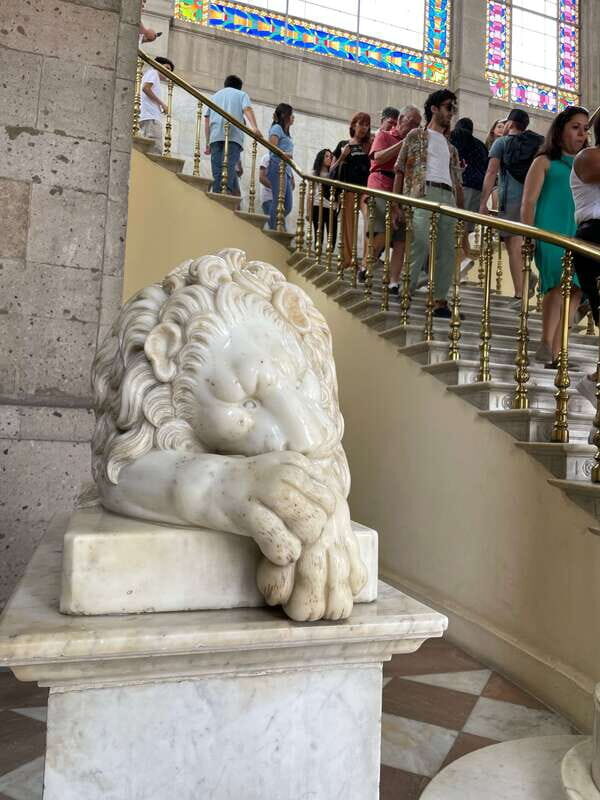
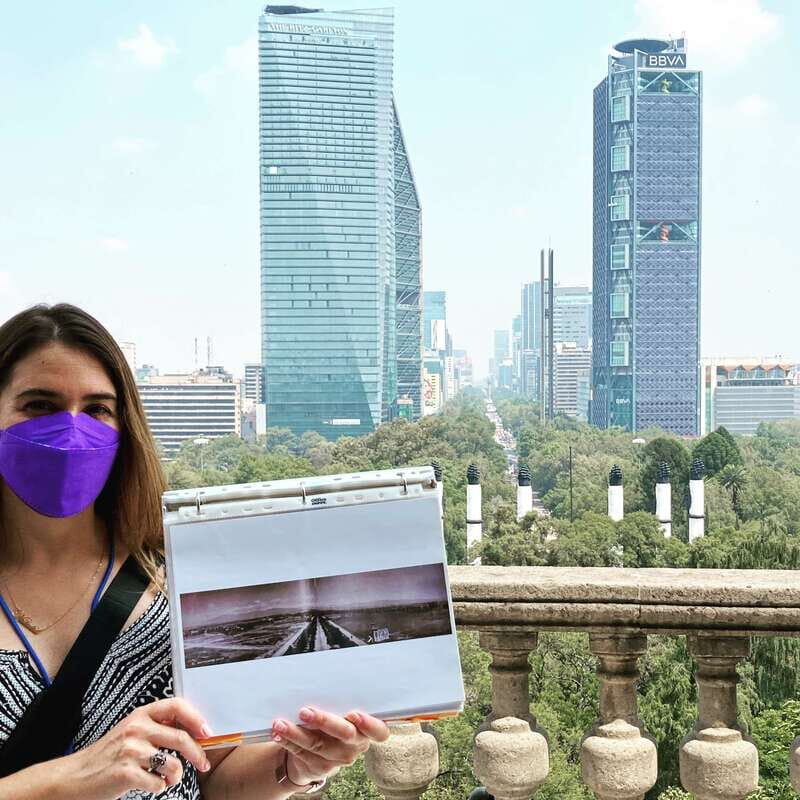
You’re going to get great views of Reforma Avenue and the city, and that’s not just a photo moment. This hill works like a natural vantage point. From up here, Mexico City makes more sense.
When you can see the city’s scale and the way Reforma cuts through it, the rest of your day becomes easier. You start understanding distances, neighborhoods, and how the big boulevards relate to major landmarks.
Also, gardens and terraces help you slow down. You get a break from indoor rooms, and the guide uses the sightlines to explain how the castle’s placement affects its importance.
The walk back down: woods gossip and pre-Hispanic stone carvings
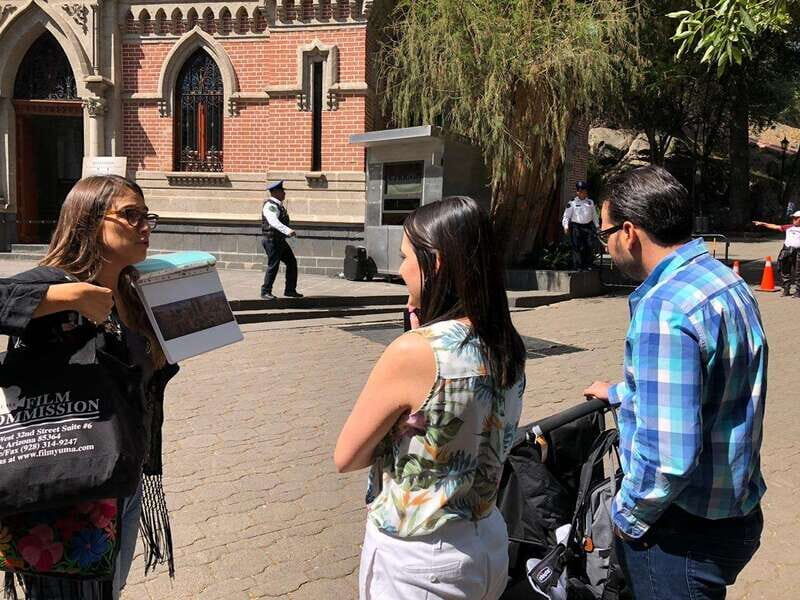
After the castle, you continue through the woods, walking down the hill. This part is a big reason the tour feels more complete than a standard castle-only visit.
Here’s what I think you’ll enjoy most: you get that mix of detail and human storytelling. Your guide adds gossip-like color about the woods and the castle—nothing fake or sensational, just the kind of behind-the-scenes tone that makes the history feel lived-in rather than textbook-only.
You’ll also be shown pre-Hispanic stone carvings preserved in the wooded area along the paths (including the laddered/stair-like parts of the forest walk). Even if you don’t know what you’re looking at at first, a guide helps you see what’s significant and how the stone survives in the modern environment.
This walking segment also gives your body something helpful: movement after standing and looking inside.
Price and value: is $74 worth it for 3 hours?
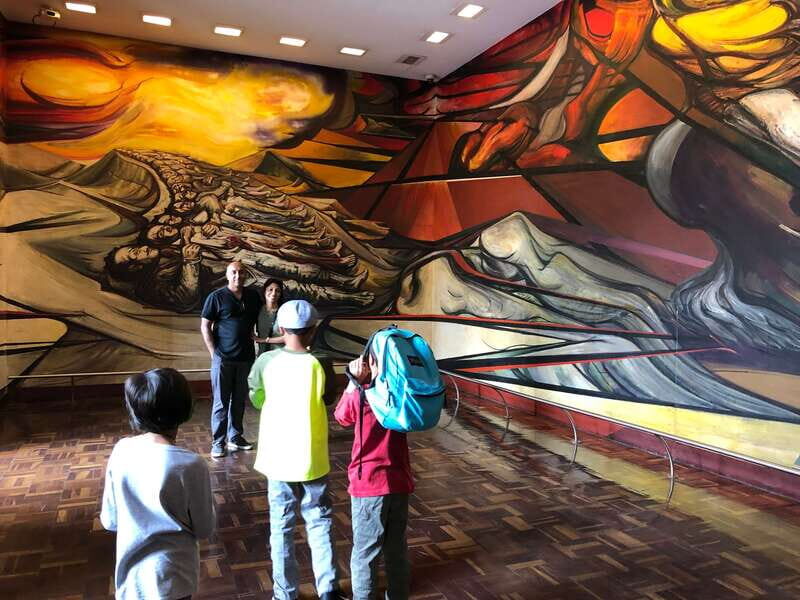
The price is $74 per person for about 3 hours, including a walking tour with an expert guide and a museum ticket. For Mexico City, that’s a fair middle range—especially because your guide is not just a narrator. The tour is designed around interpretation, architecture, and specific site context.
Here’s how I judge value for this kind of experience:
- You’re paying for context: knowing why the hill is sacred to the Mexica, then why the European shift happened, then why the building later became a museum and presidential home. That’s the core value.
- You’re getting the site efficiently: the castle and the woods are connected into one story. Without a guide, you can wander, but you may miss the aqueduct angle and the preserved carvings.
- Headsets help on larger groups: in bigger groups, you’ll have audio support so you don’t lose the plot mid-walk.
If you like cultural history and architecture, and you want someone to help you notice things as you go, $74 can feel like a bargain. If you only want panoramic photos and don’t care about interpretation, a self-guided museum visit could cost less. But you’d lose the thread that ties everything together.
Who this tour is best for
This tour is a strong fit if you:
- want a first serious look at Chapultepec Castle without getting lost in dates and names
- enjoy architecture and symbolism, not just scenic views
- like guided walks because they help you spot details you’d skip on your own
- appreciate history that connects to practical realities, like water supply
It’s also a great choice if you’re in Mexico City for a short time and want one experience that covers multiple eras in a single hillside setting.
What to bring and how to prepare for the castle-and-woods route
Bring what keeps you comfortable because the tour mixes indoor rooms, outdoor gardens, and forest walking down the hill. The essentials on the list are:
- comfortable shoes
- sunscreen
- hat
- comfortable clothes
- rain gear (Mexico City weather can switch fast)
You’ll also be glad you traveled light. Pets aren’t allowed, and there’s no luggage or large bags. Food and drinks aren’t included, so plan to eat before or after the tour.
Accessibility is supported: the tour is wheelchair accessible, and if you’re injured or have a disability, you can enter the castle through the elevator.
About the guides: why Héctor, Daniel, and Natalia stand out
A tour like this rises and falls on the guide. The good ones know how to explain architecture without making it boring, and how to connect Mexica sacred meaning to later European and national storylines.
From past experiences associated with this tour, names such as Héctor, Daniel, and Natalia stand out for clear, informative delivery. You’ll feel the difference most in the transitions: how you go from sacred hill → aqueduct → castle rooms → museum context → woods walk. When those links are strong, the whole 3 hours flows.
If you want a guide who can answer questions and keep a friendly tone while maintaining academic-level accuracy, this style tends to work.
Should you book this Chapultepec Castle tour?
Yes—if you want the easiest way to understand Chapultepec. This isn’t just a pretty castle visit. It’s a guided timeline tied to what you see: Mexica importance, colonial transformation, Maximilian I’s European shift, museum and presidential-era echoes, plus aqueduct stories and preserved stone carvings in the woods.
Skip it only if you’re strictly photo-first and low on patience for context. In that case, you may prefer a self-guided walk and museum visit.
If you’re curious and want to leave with real understanding—of place, power, water, and architecture—this tour is a smart use of time in Mexico City.
FAQ
Where do I meet the guide?
Meet your guide at Starbucks in Chapultepec Park (Av. Paseo de la Reforma s/n, Bosque de Chapultepec I Secc, 11850 Ciudad de México, CDMX, Mexico). Arrive about 5 minutes early.
How long is the tour, and when does it usually run?
The tour lasts about 3 hours and is usually available in the morning.
What languages are offered?
The live tour guide is available in Spanish and English.
What’s included in the price?
You get a walking tour with an expert guide (art historian, historian, or architect), headsets in larger groups, and a museum ticket.
Are food or drinks included?
No. Food or beverages are not included, and you can’t bring food and drinks on the tour.
Is the tour wheelchair accessible?
Yes, it’s wheelchair accessible. If you’re injured or have a disability, you can enter the Castle through the elevator.