REVIEW · MEXICO CITY
Mexican muralism with a true Art lover
Book on GetYourGuide →Operated by José Vicente Figueroa- GM International Travel · Bookable on GetYourGuide
If you love art but get bored by tours that recite dates, this one is built for you. You’ll connect Mexican muralism with the big forces behind it—revolution, conquest, and modern politics—while standing in front of the actual walls where it happened.
What I like most is the way the guide keeps it conversational instead of scripted, with real talk about the ideas in the murals. I also love that you’ll see the movement through the big three—Diego Rivera, José Clemente Orozco, and David Alfaro Siqueiros—rather than treating Rivera like the only name that matters.
One possible drawback: you’ll pay extra for entry tickets (about 8 USD total for Bellas Artes and San Ildefonso), and the pacing expects you to stand and walk a fair bit for a 2.5-hour tour.
In This Review
- Key highlights worth your time
- Palacio de Bellas Artes to the streets of history: what this tour is really doing
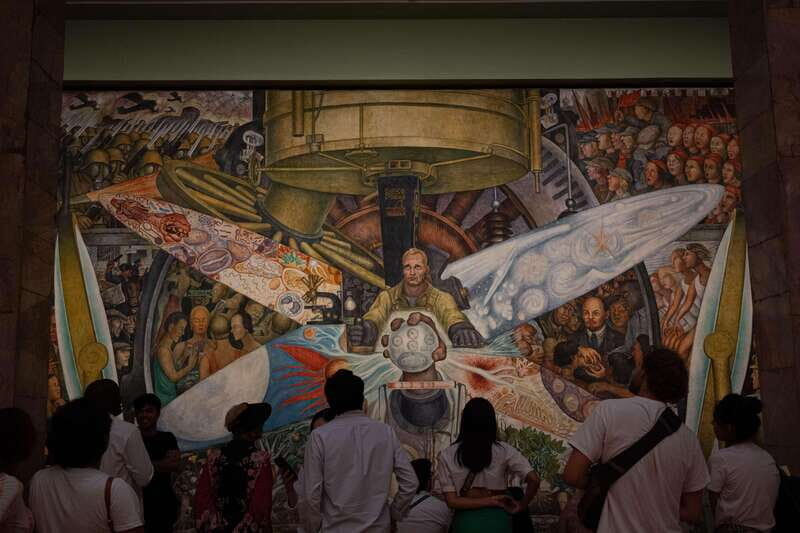
- Starting outside the main gate: Palacio de Bellas Artes and Rivera’s Man Controller of the Universe
- From 5 de Mayo to Madero Street, then the Zócalo: how the city becomes part of the art
- San Ildefonso Museum: where the early mural energy made the movement
- Ticket reality check
- Museo Vivo del Muralismo: 248 Rivera murals and Mexico’s wider mural world
- Why the ending works
- Art meets politics: the conversation style that makes the murals click
- What you should do to get the most out of it
- Price and value: why $52 is fair when tickets are extra
- Time, pace, and how long 2.5 hours really is
- Languages and the small-group advantage
- Who should book this muralism tour in Mexico City?
- Should you book Mexican Muralism with a True Art Lover?
- FAQ
- How long is the tour?
- Where does the tour meet?
- How much are the tickets?
- What is the group size?
- What languages are available?
- Is there free cancellation?
Key highlights worth your time
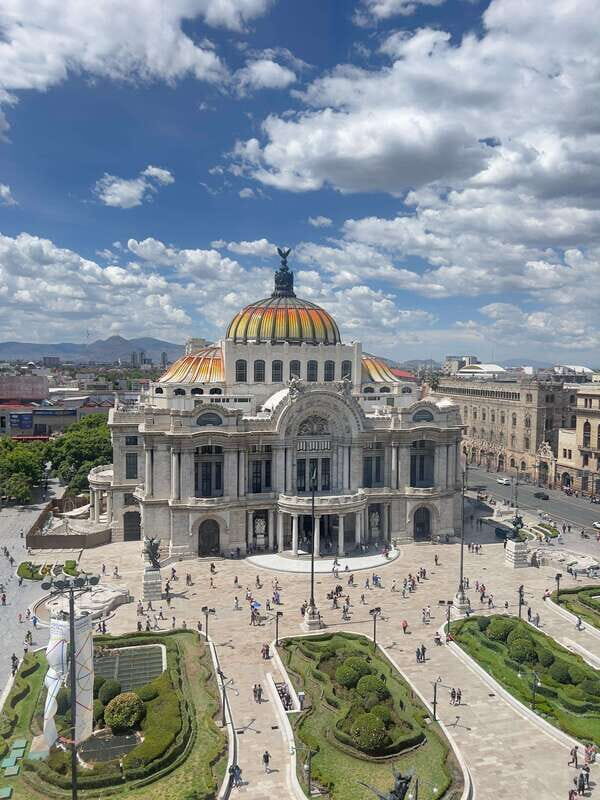
- Rivera at Palacio de Bellas Artes: you start at the neoclassical stage where Rivera’s Man Controller of the Universe anchors the whole story
- A guided walk through the historic center: you link the murals to the streets around 5 de Mayo, Madero, and the Zócalo
- San Ildefonso Museum context: you see how the earliest mural work shaped the movement
- Museo Vivo del Muralismo’s scale: you visit a museum focused on lived mural culture and a huge Rivera collection
- Small group format: limited to 10 people, so you can ask questions and actually hear the answers
Palacio de Bellas Artes to the streets of history: what this tour is really doing
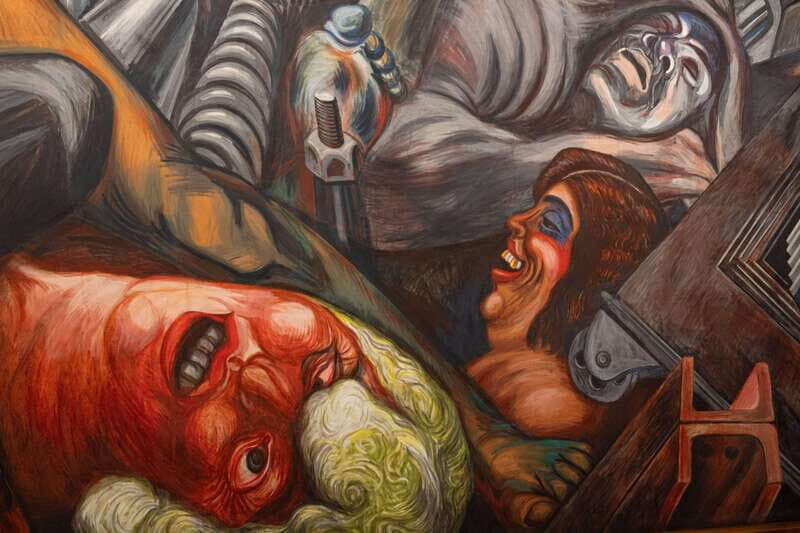
This tour isn’t just about pointing at paintings. It’s about helping you read murals like you’re reading headlines—politics, power, identity, and who gets to tell the story. That matters because Mexican muralism is not quiet, private art. It was made for public space, for debate, and for people to argue with.
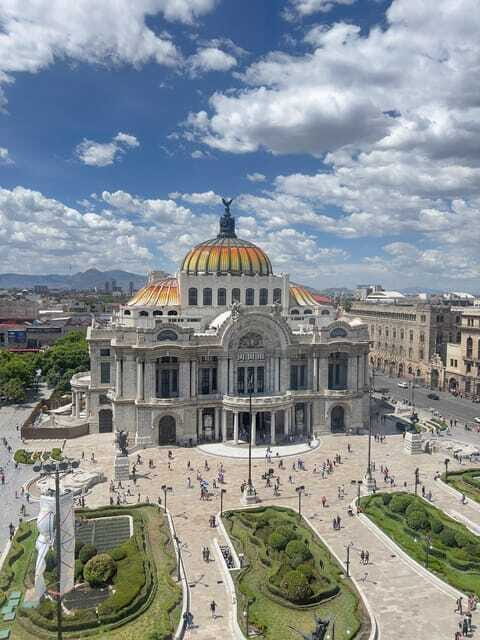
You’ll start in the heart of Mexico City at Palacio de Bellas Artes, a neoclassical landmark where murals are part of the building’s identity. From there, you’ll move through the historic center by foot, so the murals don’t sit in a museum bubble. They stay connected to the city.
The group stays small (10 max), which changes the whole vibe. You’re not swallowed by a crowd. You can ask why a symbol is there, or what a political idea meant at the time. That’s the kind of “art lover” conversation that makes the tour feel less like a checklist.
And yes, it’s focused. The total time is 2.5 hours, so you’ll cover the key sites without pretending you can absorb everything in one afternoon. This is a strong primer, and then you can build from it.
You can also read our reviews of more tours and experiences in Mexico City.


Starting outside the main gate: Palacio de Bellas Artes and Rivera’s Man Controller of the Universe
You’ll meet outside the main gate of Palacio de Bellas Artes. From the start, the tour is tied to Rivera’s mural presence there, especially Man Controller of the Universe. The guide doesn’t treat it like a famous photo that you simply recognize. You’ll get the larger meaning behind the work and why Rivera used mural art to argue with society.
A big part of what you’ll learn here is how the guide connects the mural to the forces shaping Mexico in the early 1900s and beyond. You’ll talk through:
- the Mexican Revolution
- the Spanish conquest and its long aftermath
- how modern politics shows up in these images
That set of themes is one of the best reasons to take a guided route instead of going alone. Murals can look complicated at first glance. With a good guide, the symbols stop feeling random and start feeling intentional.
What I like about this opening stop: it gives you a “lens” for the rest of the tour. Once you understand what the guide is watching for—power, history, identity—you start noticing those threads everywhere you go next.
Practical tip: if you’re sensitive to standing, plan to take short breaks when you can. The tour expects some time outdoors between stops, and Bellas Artes is not a sit-and-watch experience.
From 5 de Mayo to Madero Street, then the Zócalo: how the city becomes part of the art
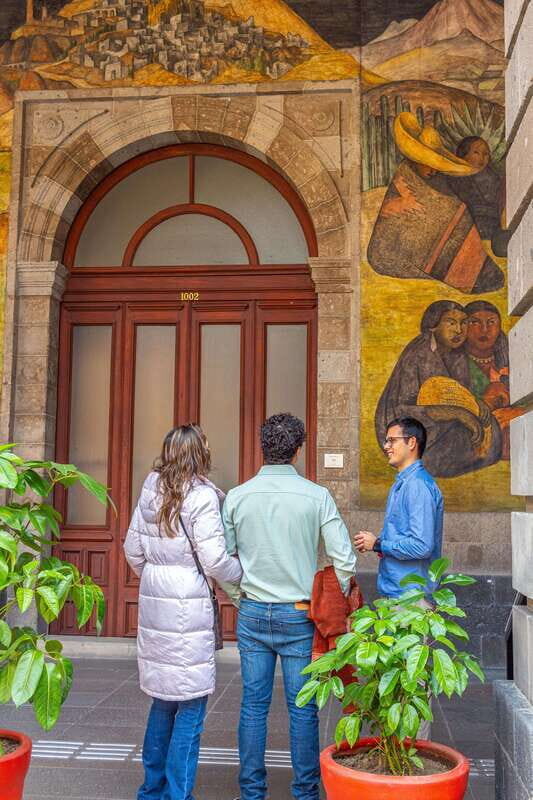
After Palacio de Bellas Artes, you’ll walk around 5 de Mayo and Avenida Madero, taking in the look of the palaces and the mix of architectural styles around you. The point here isn’t just photos. It’s atmosphere and context.
When murals were created to speak to the public, they were meant to live alongside daily life—commerce, crowds, politics, and the physical map of power. Seeing the historic center on foot helps you understand that murals aren’t isolated masterpieces. They’re public arguments in paint.
You’ll continue to the Zócalo of Mexico City, which is one of the best places to ground everything you’re learning. Even if you’ve visited before, it’s worth thinking about what it represents: a stage where national identity is performed, questioned, and re-labeled over time.
A guide’s job in this part of the tour is to keep you from getting lost in the scenery. You’ll get those “connect-the-dots” moments—how the murals and the city’s political conversation reinforce each other.
One consideration: this segment includes walking time, so wear comfortable shoes. It’s short, but it adds up over 2.5 hours.
San Ildefonso Museum: where the early mural energy made the movement
Next is the San Ildefonso Museum, a stop that’s especially useful if you want more than just the famous Rivera story. This is where you get deeper into how the mural movement gained momentum, and why “early” matters.
The tour frames San Ildefonso as a key site because many of the first mural works were painted there. That changes your perspective. Rivera, Orozco, and Siqueiros didn’t pop up fully formed. Their work developed in a specific environment and with specific artistic and political pressures.
If you’re the type who likes to understand how art movements grow, this museum stop will land well. You’ll see the dynamics of Mexican muralism as a movement, not just as individual geniuses.
Ticket reality check
Entry to San Ildefonso is 50 MXN (about 3 USD). It’s a small extra cost, but it’s part of why this tour works: you’re going to the sites where the story is anchored, not only places with murals on the outside walls.
You’ll leave San Ildefonso with a clearer idea of how muralism became a language the public could read—and argue with.



Museo Vivo del Muralismo: 248 Rivera murals and Mexico’s wider mural world
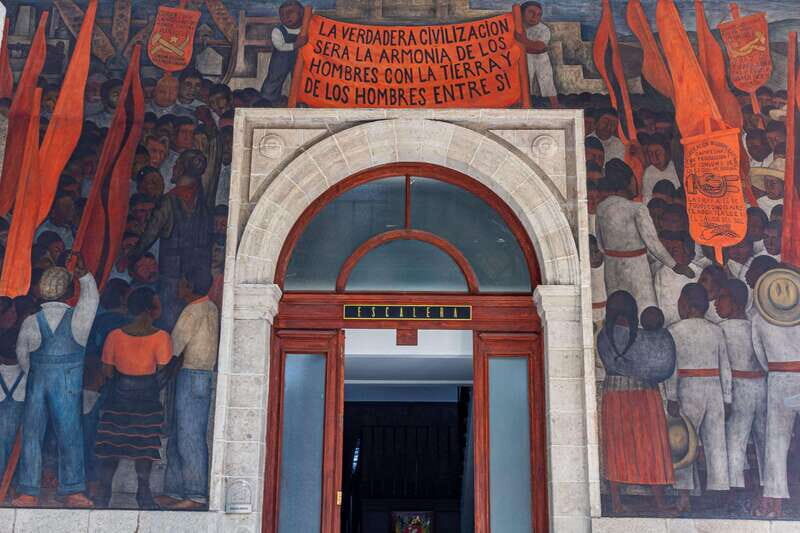
The final stop is Museo Vivo del Muralismo. This is where the tour earns its “Art lover” name.
Here’s the standout fact you’ll want to remember: the museum houses 248 murals by Diego Rivera. That’s not a small selection. It’s a place designed for sustained mural attention, and it gives you a chance to see Rivera’s range and consistency at a scale you can’t get from quick photo stops.
But the museum doesn’t only focus on Rivera. You’ll also see recent work by different artists, including ceramics and pre-Hispanic murals. That’s important because Mexican muralism isn’t only about the Revolution-era narrative. It’s also about roots, visual inheritance, and how older traditions can sit beside modern political art.
If you’re worried the tour will become Rivera-only, this stop is one of the answers. You’ll still get the Rivera engine, but you’ll also see the broader ecosystem of mural culture in Mexico.
Why the ending works
Ending with Museo Vivo del Muralismo gives your brain a payoff. The earlier stops teach you the lens—history and symbolism. This one shows you the output and the variety. It’s a good structure for turning “I saw murals” into “I understand what I saw.”
Art meets politics: the conversation style that makes the murals click
One of the most praised parts of this tour is the way the guide talks. The best guides don’t just hand you facts. They help you connect facts to meaning.
From the way this tour is described, you can expect the guide to connect:
- Rivera, Orozco, and Siqueiros to the political landscape
- the relationship between Mexico and the United States in modern politics
- why mural art became a public tool, not a private hobby
And the conversation stays respectful and focused. You’re not getting a rote recitation. Instead, the guide answers questions with detail, which is exactly what you want if you don’t only want an art “high score,” but an art understanding.
Some guides for muralism tours push only the big names. Here, you should come away with a broader sense of other figures too, including artists connected to the movement’s circle and development.
What you should do to get the most out of it
Before the tour, if you know any mural you’ve seen in photos, bring that image to mind and ask the guide what to look for. During the tour, pay attention to how the guide teaches you to interpret symbols rather than just naming them.
Small group tours like this succeed when you participate. Don’t be shy. Ask the obvious question. That’s often the one that unlocks everything else.
Price and value: why $52 is fair when tickets are extra
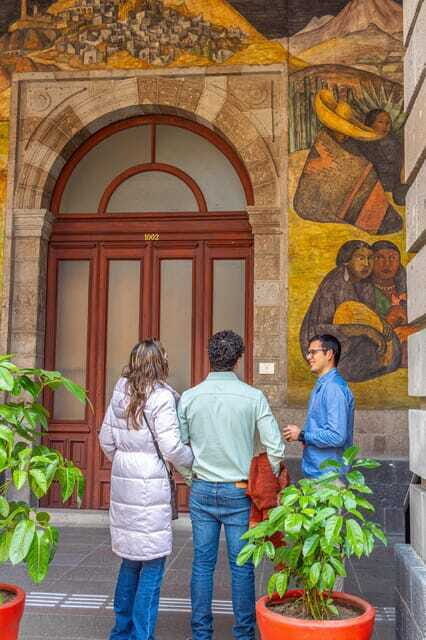
The tour price is $52 per person, and ticket costs are extra: about 8 USD total for museum entry you’ll need along the way.
So you’re likely budgeting something like $60-ish all in, depending on the exact exchange rates and how you handle the currency at the counters. That’s not cheap, but it’s also not inflated for a guided, small-group route through multiple major sites.
Here’s why it feels like good value:
- You’re paying for a guide who can connect murals to politics and history, not just describe visuals.
- You’re covering multiple stops in the historic center without needing to figure out the order.
- You’re spending time inside key art spaces, including one focused on Rivera at big scale.
If your plan is to museum-hop anyway, a guided route can be a smarter way to spend your time. If your plan is only “I want the quickest photo version,” then you might not need a guided talk.
Time, pace, and how long 2.5 hours really is
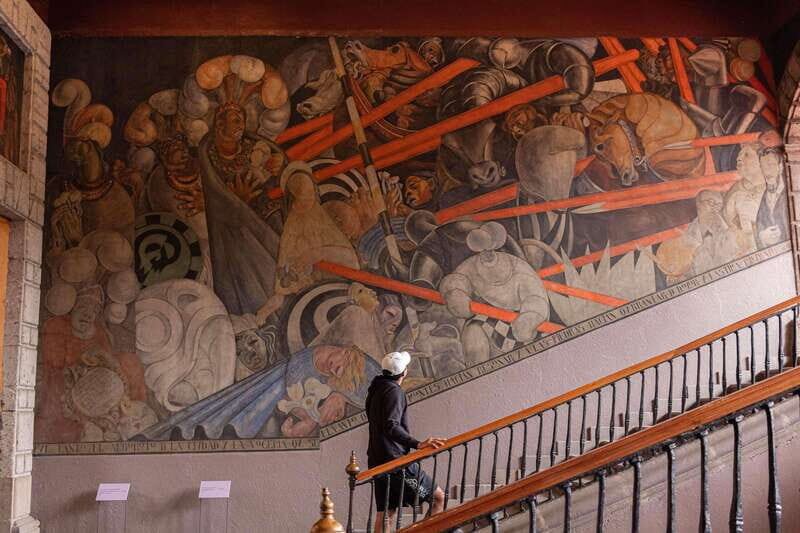
2.5 hours goes fast, but that’s the trade. This tour is designed as a focused art circuit:
- A substantial guided segment at Palacio de Bellas Artes
- a short walk through the historic center streets
- museum time at San Ildefonso
- a longer final experience at Museo Vivo del Muralismo
Because there are multiple guided segments and guided context, you don’t have to worry about turning your own attention into homework. The guide does that job—then you can enjoy the art rather than decoding it alone.
If you want to linger for your own reading at every wall, you’ll probably want to extend the day after the tour. Think of this as a strong start, not the last word.
Languages and the small-group advantage
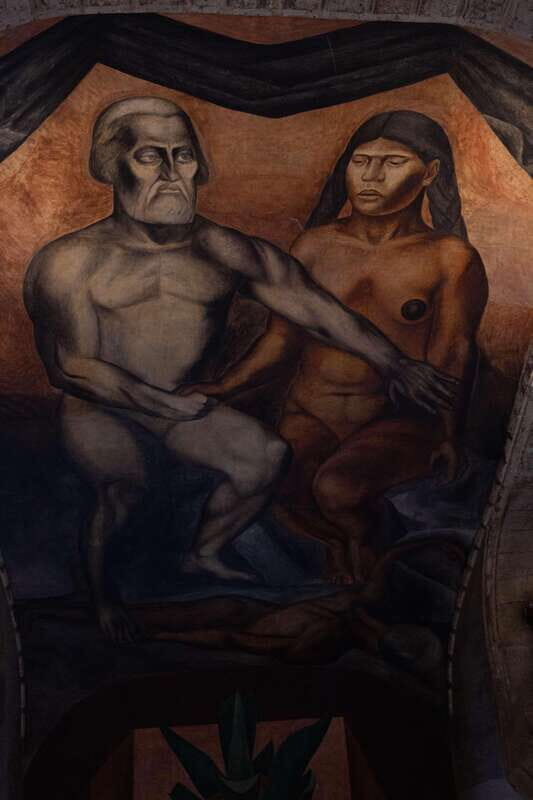
This tour offers guides in English, Spanish, Portuguese, German, Italian, and Russian. That’s a rare spread, and it matters because muralism can be political and nuanced. When you can ask questions in your comfort language, you get better answers.
The group is limited to 10 participants, which means:
- questions don’t get swallowed
- the guide can keep the pace from turning chaotic
- you’re more likely to get personal attention
If you’re the type who likes to talk back to the tour (and not just listen politely), this format is a big win.
Who should book this muralism tour in Mexico City?
Book it if you:
- love Mexican art and want the movement explained as ideas, not wallpaper
- want an authentic conversation style in a small group
- want to see Rivera alongside Orozco and Siqueiros in a meaningful sequence
- enjoy public art and how it links to real history
Consider skipping or pairing it differently if you:
- only want a quick museum checklist and do not want political context
- prefer long self-paced wandering without a guide shaping your interpretation
- dislike standing and walking outdoors, since the route includes transfers on foot
A good compromise is to take this tour first, then come back to whichever site grabbed you most with fresh questions.
Should you book Mexican Muralism with a True Art Lover?
Yes—if you’re choosing between a photo-only plan and an art-conversation plan, I’d pick this. The stops are well chosen, the time is efficient, and the guide approach sounds built for people who care about meaning.
The main things to weigh are simple: you’ll pay extra for tickets, and the tour is tightly timed for 2.5 hours. If that fits your style, this is a smart way to get a real grasp on Mexican muralism—right where it was made to be seen.
FAQ
How long is the tour?
The duration is 2.5 hours.
Where does the tour meet?
You meet outside the main gate of Palacio de Bellas Artes.
How much are the tickets?
Tickets are not included. You should budget around 8 USD total per person, including Bellas Artes (90 MXN, about 5 USD) and San Ildefonso (50 MXN, about 3 USD).
What is the group size?
The tour is a small group limited to 10 participants.
What languages are available?
The tour guide is available in English, Spanish, Portuguese, German, Italian, and Russian.
Is there free cancellation?
Yes. You can cancel up to 24 hours in advance for a full refund.