REVIEW · MEXICO CITY
La Catrina & Muralism: Diego Rivera’s Legacy & Frida Kahlo
Book on GetYourGuide →Operated by Diana Orozco · Bookable on GetYourGuide
Murals here tell Mexico’s story fast. This tour connects Diego Rivera’s artistic vision to how Mexican muralism shaped cultural identity, then lands on the globally recognized image of La Catrina and what she means for Day of the Dead. I especially love the way the guide explains symbolism and the human stories behind the paint, not just the titles. I also like that you move between major art stops in a tight route, so the ideas build as you go.
The one real drawback to plan for is the walking: it’s a 3-hour experience on foot with museum time, so comfortable shoes matter more than you think.
In This Review
- Key things you’ll get from this tour
- Three hours in mural country: what this tour is really for
- Colegio de San Ildefonso: the start point with real credibility
- Museo Vivo del Muralismo: where art and memory do not sit still
- Diego Rivera Mural Museum: reading the meaning under the paint
- Palacio de Fine Arts and Palacio de Bellas Artes: the Kahlo thread in stone and light
- La Catrina and Day of the Dead: a symbol you’ll recognize everywhere
- Price and pacing: is $58 worth it for a first-time mural day?
- What to wear and bring so the day feels easy
- Who this tour fits best (and who might want a different plan)
- Should you book La Catrina & Muralism: Diego Rivera’s Legacy & Frida Kahlo?
- FAQ
- How long is the tour?
- What does it cost?
- What languages are the guides?
- Is the tour wheelchair accessible?
- Can I cancel for a refund?
- Is there a pay-later option?
Key things you’ll get from this tour
- A guided story you can follow from Rivera’s origins to Kahlo’s presence in the narrative
- La Catrina explained clearly, including why she’s famous well beyond Mexico
- Art + context at every stop, with social critique, beauty, and tradition woven into the murals
- Proper museum pacing across multiple mural-focused locations, not one quick look
- Short public-transport transfer (about 20 minutes) to connect the sites efficiently
- Local art enthusiasm in the driver’s seat, with guides like Sam, Jesús, Luís, and Aldo showing serious care for the details
Three hours in mural country: what this tour is really for
If you care about art that talks back to society, this is a smart place to start in Mexico City and the State of Mexico area. You’re not just looking at murals; you’re learning how Mexican muralism became part of everyday cultural memory.
The tour is designed to make connections. Rivera’s history and artistic vision come first, then you get the emotional thread through Diego Rivera and Frida Kahlo’s relationship—passionate, turbulent, and tied to works you’ll see along the way. By the time La Catrina appears, it feels like the whole story has been building toward that moment.
Price-wise, $58 for 3 hours can feel like a lot until you remember what you’re paying for: multiple guided museum visits, a local guide who can explain what you’re looking at, and a short transfer between stops. For people who like getting value from their limited time, this one usually works.
You can also read our reviews of more tours and experiences in Mexico City.
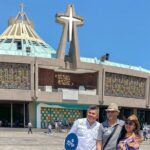


Colegio de San Ildefonso: the start point with real credibility
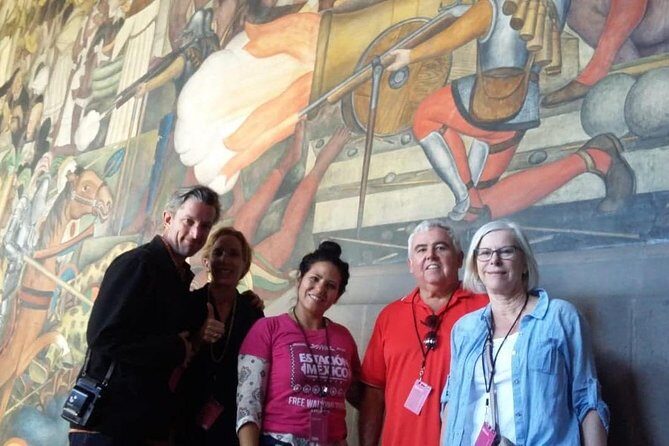
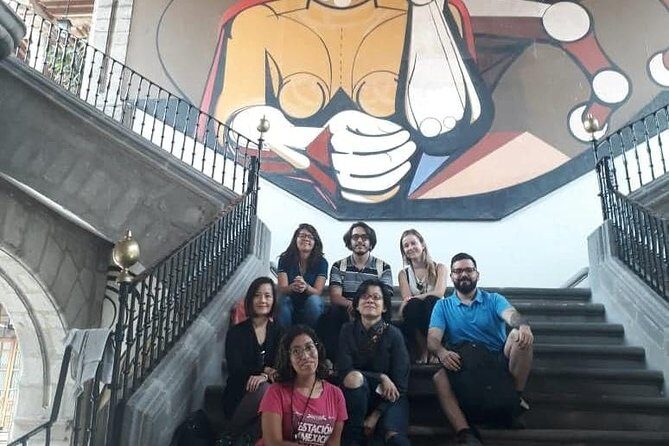
Your tour begins at the entrance of Colegio de San Ildefonso—look for the guide in pink shirts with umbrellas. That matters because you’re meeting at a historic anchor, and the tour runs on a tight schedule.
This is also where the “birthplace of muralism” idea gets introduced in context. Instead of treating muralism like a generic art movement, the guide frames it as something tied to Mexico’s cultural identity. You’ll get Rivera’s background and the vision behind why murals became such a powerful public language.
A practical note: this stop sets expectations for how you’ll view the rest of the route. If you go in thinking you’ll just admire paintings, you’ll miss part of the experience. Go in ready to look for symbolism and social commentary.
Museo Vivo del Muralismo: where art and memory do not sit still
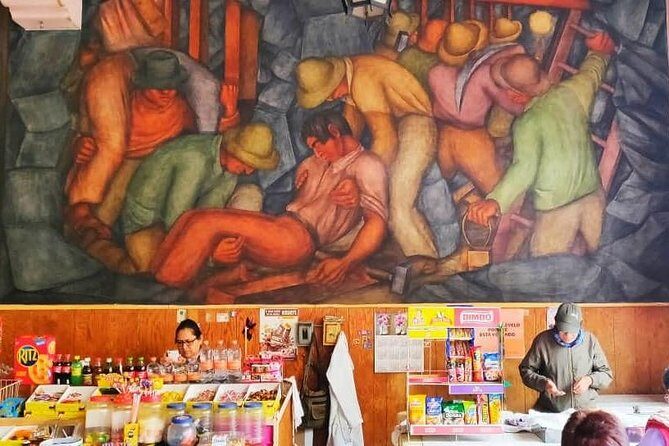
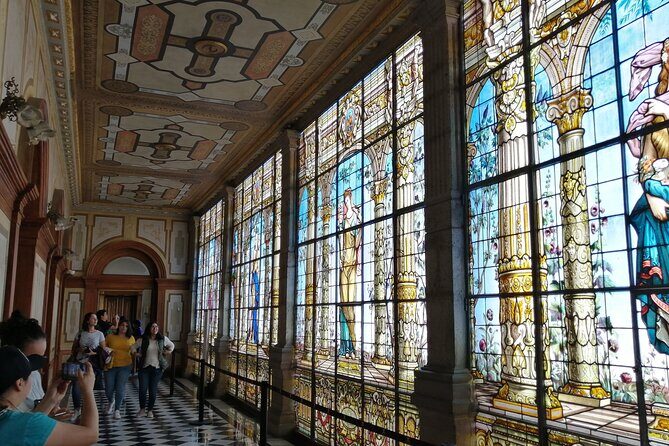
At Museo Vivo del Muralismo, you’ll get a guided visit that keeps the mural story moving. The phrase living museum fits what you’re doing here: you’re walking through spaces where art and memory are treated like connected things.
This is where the tour’s focus on “how murals work” becomes clear. You’re guided through the historical context, the techniques behind mural creation, and the stories that murals carry. That combo is the difference between spotting images and understanding why those images matter.
You’ll also see the movement through the earliest murals, which helps later stops make more sense. It’s a lot easier to appreciate La Catrina when you’ve already learned how muralism developed its themes—social critique, beauty, and tradition all at the same time.
Diego Rivera Mural Museum: reading the meaning under the paint
Next up is the Diego Rivera Mural Museum, one of the key reasons to choose this tour over a simple self-guided museum day. The whole point here is interpretation: the guide helps you connect what you’re seeing with what’s behind it.
This is also where symbolism becomes a practical skill. In the feedback, guides like Sam are praised for explaining the meaning below the surface of Rivera’s murals. That’s exactly what you want in a mural-focused museum stop—someone who can translate the visual language into history, ideas, and emotion.
If you’re the kind of traveler who loves noticing small details, this stop can reward that habit. You’ll likely spend time looking more carefully than you expected, because the guide is pointing out what each element is doing in the larger message.
Palacio de Fine Arts and Palacio de Bellas Artes: the Kahlo thread in stone and light
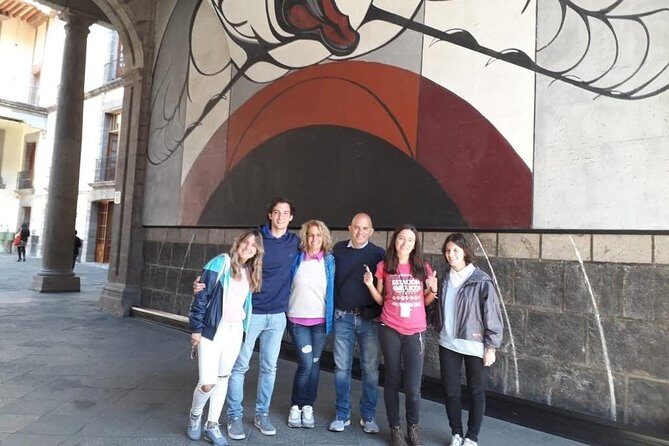
The tour uses public transport for about 20 minutes between major points, which keeps you from wasting time on complicated logistics. It’s a good rhythm: short travel break, then another guided museum/landmark segment.
When you reach the Palace of Fine Arts in Mexico City, the tour shifts into the Diego Rivera and Frida Kahlo connection. One review specifically highlights an amphitheater tied to when Rivera met Frida Kahlo, pointed out by guide Aldo. Even if you don’t remember that detail going in, the guide’s job is to make the location feel relevant, not just scenic.
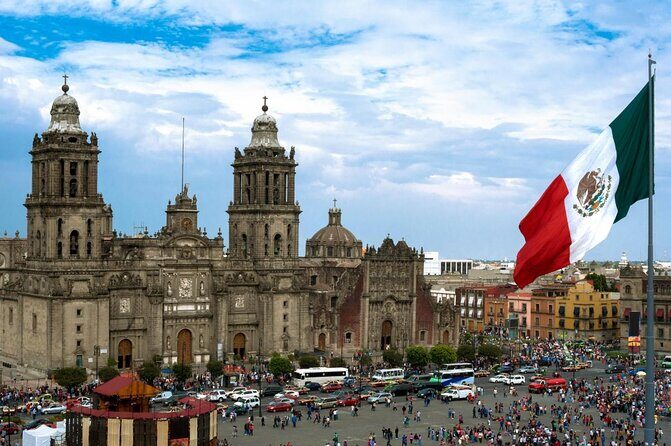
Ending at Palacio de Bellas Artes is a nice payoff. The tour finishes there, so you leave with a strong “final image” in your head. If you’re interested in how art movements live on in modern cultural spaces, this ending helps you see that murals are not frozen in the past.



La Catrina and Day of the Dead: a symbol you’ll recognize everywhere
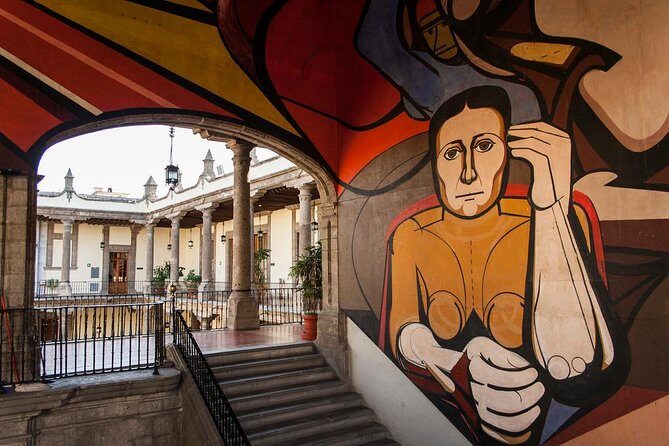
La Catrina isn’t just a costume image. The tour treats her as a cultural symbol tied to Day of the Dead, and you’ll learn why she’s recognized internationally and even appears in films and in Mexico City’s famous Day of the Dead parade.
What makes this section valuable is that you don’t just hear a quick explanation—you get historical context and the mural storytelling logic that explains why she shows up the way she does. The guide connects La Catrina to the broader muralism themes you’ve already been learning: social critique, beauty, and tradition in one frame.
Once you understand that, you start spotting the logic behind Day of the Dead imagery in general. You’ll find yourself looking at faces, skeleton styling, and the mix of humor and seriousness that’s part of the symbolism. That’s the kind of takeaway that makes a trip stick.
Price and pacing: is $58 worth it for a first-time mural day?
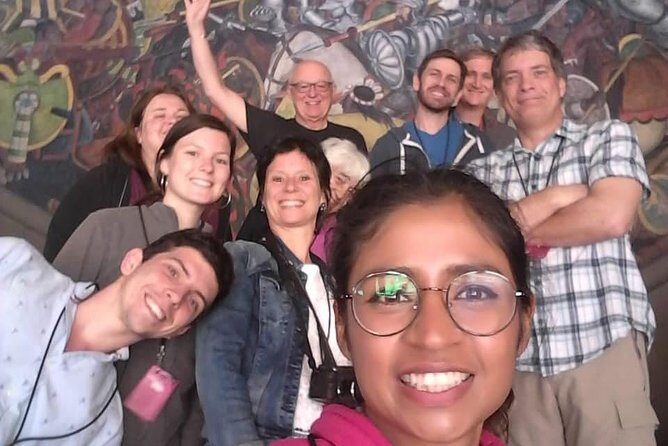
For $58 per person, you’re paying for a guided route with multiple museum visits and a short transfer. This is not a “one building, quick talk” type of tour.
It’s also a good length. Three hours is long enough to cover meaningful ground and still short enough that you won’t feel like you’re spending your whole day in lines and rooms. If you’re visiting as a family or in a group with mixed ages, the tight structure helps everyone stay oriented.
One more value point: the guide is a local art enthusiast, and the reviews consistently praise guides for being patient, enthusiastic, and well informed. That matters because mural art is detail-heavy. Without guidance, you can easily miss the “why” and only catch the “what.”
What to wear and bring so the day feels easy
You’ll do walking, so plan for it. Bring comfortable shoes—this isn’t the time for cute but unforgiving footwear. Also pack sunscreen since you’ll be out and moving between stops.
Keep your gear simple. The tour does not allow luggage or large bags, food, flash photography, bags, or baby carriages. That means you’ll want to travel light, and you’ll want to leave bulky items behind.
One more tip: if you care about photos, remember flash is not allowed. For many travelers, that’s fine once you realize the guide is helping you learn what to notice rather than chasing quick snapshots.
Who this tour fits best (and who might want a different plan)
This tour is a great match if you want art with context. You’ll get more out of it if you enjoy questions like Why did the artist make this choice, and what is the image saying to the public?
It’s also ideal if you’re on a first visit and want a fast orientation into Mexican art culture. The route ties together Rivera, Kahlo, and La Catrina in a way that feels connected, not random.
If you strongly prefer totally independent pacing, this could feel structured. Museums move at a guide’s tempo, and you’ll be expected to keep up with the walking. The same structure that adds value also removes the freedom to linger alone for long stretches.
Should you book La Catrina & Muralism: Diego Rivera’s Legacy & Frida Kahlo?
I’d book it if you want your mural day to feel like a story you understand, not a list of rooms you toured. The strongest reason is the guide-led interpretation: explanations of Rivera’s history and artistic vision, plus the relationship thread through Diego Rivera and Frida Kahlo, and then La Catrina’s meaning for Day of the Dead.
I’d think twice only if you hate walking or you plan to carry lots of stuff. The no-large-bags rule and the on-foot time mean you’ll get a smoother day if you travel light and wear good shoes.
If you’re ready for a guided, symbolism-focused art experience in about three hours, this one is a solid value.
FAQ
How long is the tour?
It lasts about 3 hours.
What does it cost?
The price is $58 per person.
What languages are the guides?
Tours are guided in Spanish and English.
Is the tour wheelchair accessible?
Yes, it is wheelchair accessible.
Can I cancel for a refund?
Yes. You can cancel up to 24 hours in advance for a full refund.
Is there a pay-later option?
Yes. You can reserve now and pay later, so you pay nothing today.