REVIEW · MEXICO CITY
Fly over to the Unexplored Parts of CDMX by Cable Car
Book on Viator →Operated by Warrior Gastro-Tours · Bookable on Viator
That sky-high view hits different.
This tour takes you out of the usual Mexico City routes and up into the air via the local Cablebús, so you see dense neighborhoods from a vantage most visitors never reach. I like that it’s built around public transportation (not a staged tram stop), and I love that you get stories tied to places you can’t easily find on your own.
Two moments I really like: first, the stops are packed with murals and real local food—especially at Mercado Quetzalcoatl, where tacos are the star. Second, Fernando (and sometimes Alex) explains the how-and-why of Iztapalapa in clear English while you move through the city. One thing to consider: it’s walk-heavy and stair-heavy, and the pace can feel demanding if you’re sensitive to noise or need slower step-by-step guidance.
In This Review
- Key highlights worth your attention
- Cablebús views over Iztapalapa: how this tour changes your perspective
- Meeting at Centro Histórico: quick start, real downtown energy
- Museum of Cultures By Iztapalapa Passion: a strong primer before the streets
- Iztapalapa on foot, then up by Cablebús: where the day earns its name
- Mercado Quetzalcoatl: tacos plus murals in a real market setting
- Pulque finale at a downtown pulquería: pre-Hispanic flavor, low-pressure ending
- Price and value: why $58 feels fair for this format
- Pacing, stairs, and language: who this tour suits best
- Weather and timing: when to book and how to plan your day
- Should you book this Cablebús + Iztapalapa tour?
- FAQ
- How long is the tour?
- Is the tour offered in English?
- What does the tour include?
- What are the main stops?
- Where do I meet, and where do we end?
- How big is the group?
- Does the tour require good weather?
- Can I cancel for free?
Key highlights worth your attention

- Cablebús views over Iztapalapa from above, not from a tourist platform
- Museum time at Iztapalapa Passion with admission included
- Mercado Quetzalcoatl tacos and murals in a market setting
- A pulquería stop for a pre-Hispanic drink to close the loop
- Small group size (max 20) and English-guided storytelling
- Snack + alcoholic beverage included as part of the experience
Cablebús views over Iztapalapa: how this tour changes your perspective
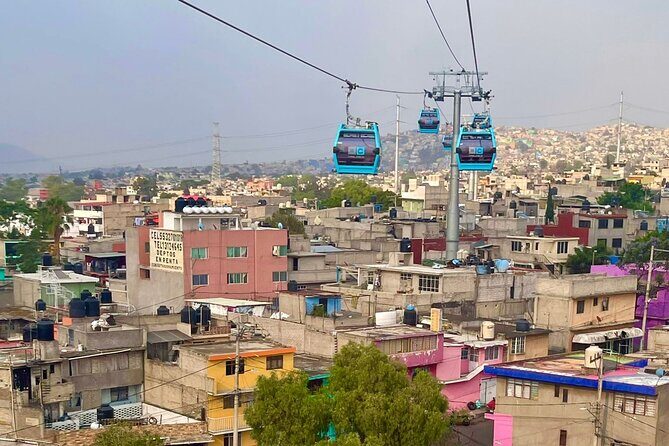
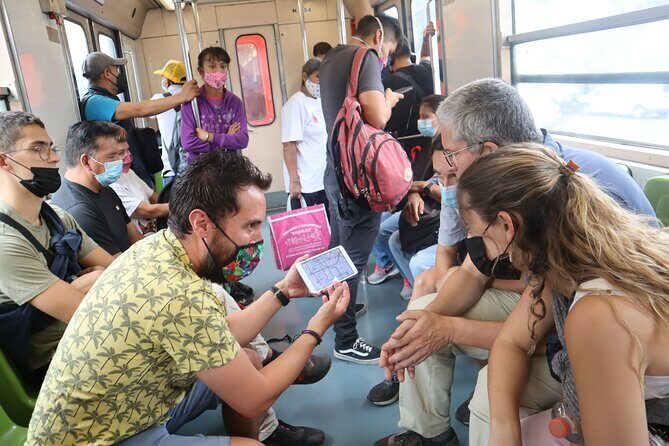
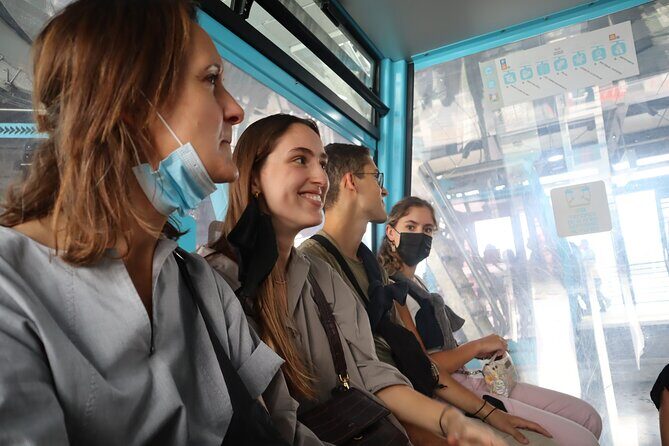
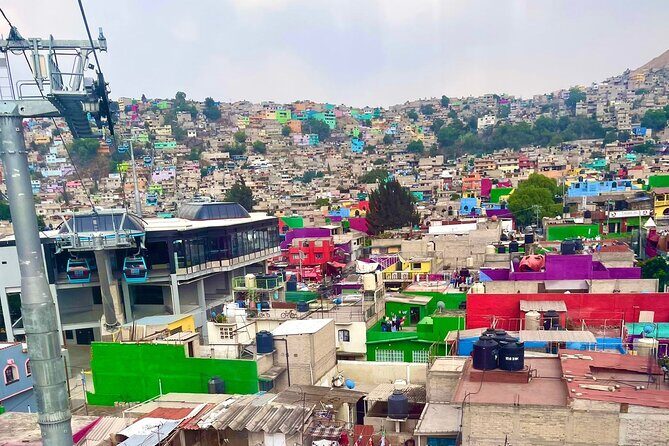
This is one of those Mexico City experiences where the transportation is the point. The Cablebús ride gives you a bird’s-eye look over Iztapalapa that instantly clarifies the city’s scale—how neighborhoods stack, how rooftops cluster, and how far people travel inside the city to work, school, and errands.
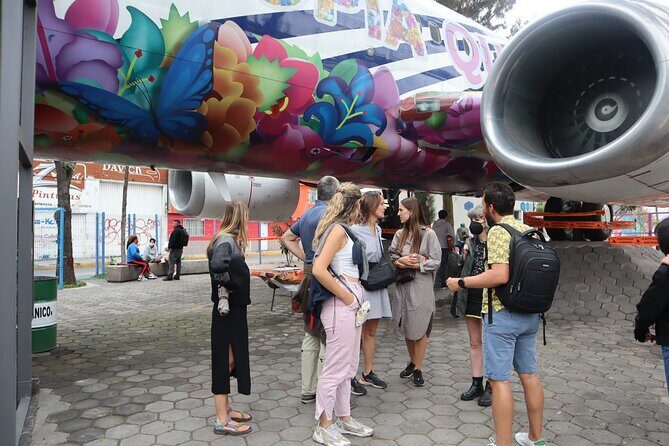
What makes it special is that it’s treated like real transit. You’re not just sightseeing from a single photo spot. You’re riding as part of everyday Mexico City life, and that changes what you notice—street grids, rooftop art, and the way people move through the urban sprawl.
Also, the guide doesn’t just point at things. Fernando (and sometimes Alex alongside him) ties the views to the history and social context of Iztapalapa, so you’re not only looking at the city—you’re understanding how it became what it is.
You can also read our reviews of more tours and experiences in Mexico City.

Meeting at Centro Histórico: quick start, real downtown energy
You meet in Centro Histórico at Churrería El Moro Centro (Eje Central Lázaro Cárdenas 42). That’s a practical choice: you’re starting in a central, transit-friendly area, and you can usually get there without a complicated plan.
The tour ends in the Centro area as well, at a pulquería location listed as Pulquería La Risa (Calle de Mesones 71). If you’re aiming to keep your day coherent, this matters: you’re not dragged far away from downtown before a final drink.
Because this tour runs about 4 hours 30 minutes, I suggest you treat it like a main daytime activity. Fit it early enough that you’re still energetic for dinner later, and bring the right shoes—there’s quite a bit of walking and stairs in this one.
Museum of Cultures By Iztapalapa Passion: a strong primer before the streets
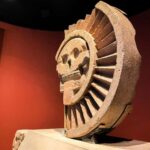
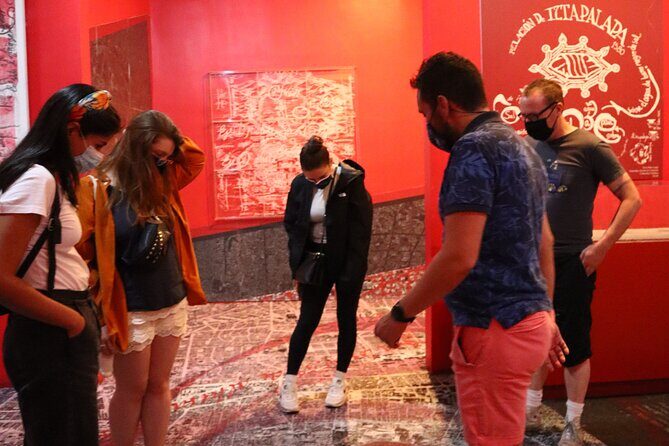
The first stop is the Museum of Cultures By Iztapalapa Passion, about 35 minutes with admission included. This is where the day gets its backbone. Instead of jumping straight into neighborhoods, you start with context: what traditions matter here, how the community thinks about identity, and why Iztapalapa’s story is tied to Mexico City as a whole.
This matters because the Cablebús views and the murals don’t land the same way without a little framing. You’ll likely walk away noticing details you would’ve otherwise passed right by—symbols in artwork, patterns in neighborhood design, and how cultural memory shows up in daily life.
Potential drawback: museum time is fixed and fairly short. If you’re the type who likes to read every label slowly, this stop may feel like a focused sprint rather than a relaxed wander. Still, it sets you up for the rest of the day.
Iztapalapa on foot, then up by Cablebús: where the day earns its name
After the museum, you shift into the neighborhood itself. You’ll spend about 1 hour in Iztapalapa, walking through streets, visiting a cultural center, and eating local food along the way. The day is designed for you to feel what it’s like to move through the area at ground level before you see it from above.
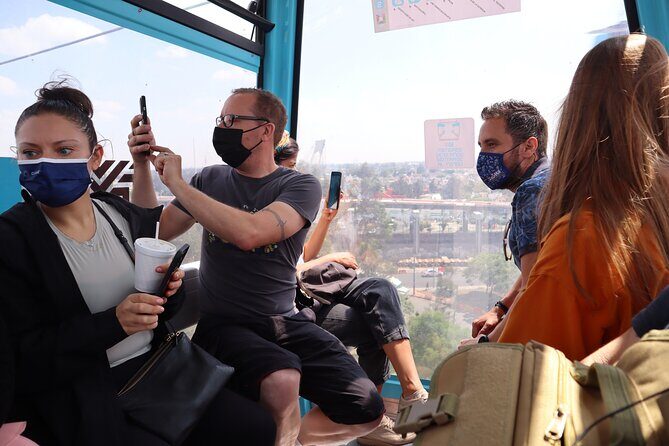
Then comes the signature move: the Cablebús ride. This is where you get that wow factor, but it also functions as an education tool. From the air, you can connect the dots between what you walked through and what the city looks like from a distance—how rooftops become surfaces for art, how the city stretches outward, and how dense neighborhoods are when you stop thinking of Mexico City as just “downtown.”
Two practical notes you’ll be glad you heard:
- You’ll likely be using multiple transit modes during the day, and the guide will help you navigate them.
- The pace can be brisk, with stairs and station walking. If you have mobility limits, this is the part you should mentally plan for.
One more detail that shows up in how guides describe the day: the group is small (max 20). That makes it easier to stay together, ask questions, and not feel like you’re being herded through a checklist.
Mercado Quetzalcoatl: tacos plus murals in a real market setting
Next up is Mercado Quetzalcoatl, about 30 minutes, with admission included. This stop hits two of Mexico City’s best “food-and-art” overlaps: you get tacos and you get murals—and you’re seeing them in a functioning neighborhood market environment, not a curated tourist square.
Why it’s worth your time: markets teach you how a community eats, shops, and talks about everyday life. And murals do the same for visual culture—messages that people see constantly, not just things you spot on a photo tour.
What I like here is the balance. If the museum sets context and the Cablebús provides perspective, the market grounds it in taste and daily rhythms. You’ll likely leave this stop thinking about the day as something lived, not something performed for visitors.
Possible drawback: 30 minutes can be tight if you want to linger over every mural panel or compare taco choices. Go in hungry, and don’t plan to do a long “browse everything” shopping expedition here.




Pulque finale at a downtown pulquería: pre-Hispanic flavor, low-pressure ending
The final stop is a pulquería experience, listed as Pulquería Vacas Verdes Bellas Artes (with 20 minutes and admission included). The tour also lists the end point at Pulquería La Risa in Centro Histórico, so the takeaway for your planning is this: you finish your day with a prehispanic-style beverage in a downtown pulquería setting, and you’ll get a chance to cap the day with something local and different.
You’ll also have a complimentary snack and alcoholic beverage during the tour. That’s a nice value add, because it reduces “oops, we forgot to eat” stress during a walk-and-transit day.
Caution for first-timers: pulque is not for everyone. If you’re trying it for the first time, think of this stop as a taste test, not a commitment. Keep an eye on your comfort level and pace your drink.
Price and value: why $58 feels fair for this format
At $58 per person for roughly 4 hours 30 minutes, this tour sits in the mid-range. It’s not cheap, but it also isn’t a “pay for transportation and a talking head” situation.
Here’s what you’re getting for your money, based on the tour details:
- A small group (max 20), which makes the experience feel more human-scale
- Admission included for key stops (museum and market are explicitly ticketed)
- Food and drink included, including a snack and an alcoholic beverage
- Public transit guidance, which is a big deal in Mexico City where stations and routes can be confusing on day one
- English offered, with strong communication support from the guide team
The value becomes clearer when you consider the alternative. If you try to replicate this day alone, you’d still pay for transit, pay entry fees at the museum/market, and spend time figuring out the right way to pair Iztapalapa with the Cablebús.
This tour gives you a ready-made path. You trade some freedom for structure, and in exchange you get a story-led day in an area many visitors skip.
Pacing, stairs, and language: who this tour suits best
This experience is well built for active travelers. The day includes walking and stairs, and it moves between several locations within a short window. In one review, a person called out that the tour can feel demanding if you can’t keep pace, and another highlighted how much stair and metro movement happens.
If you’re traveling with kids, it can work well—one family mentioned an 11-year-old staying engaged when Fernando explained the city. That suggests the guide team is good at finding the right level of explanation.
Language-wise, the tour is offered in English, and Fernando is described as fluent. But note this: public transit is noisy, and rapid conversation can be tough if your English comfort level is still developing.
My practical suggestion:
- If you need very slow pacing, quiet surroundings, or step-by-step repetition, message the operator ahead of time.
- If you’re generally comfortable with urban noise and walking, you’ll likely enjoy this format a lot.
Weather and timing: when to book and how to plan your day
This tour requires good weather. If the day gets canceled due to poor weather, you should expect to be offered another date or receive a full refund.
Since the tour is transit-heavy and relies on walking between spots, weather affects comfort more than it affects whether the day can happen. I’d plan a buffer activity after your tour—something that doesn’t require a big second commitment—just in case you’re tired from the steps and street time.
The operator says confirmation is received at booking time, which helps you lock in plans without long waiting.
Should you book this Cablebús + Iztapalapa tour?
Book it if you want:
- A Cablebús view that explains Mexico City’s size, not just a pretty photo ride
- A day built around real neighborhood life—museum context, market food, murals, and transit
- A guide-led way to learn how to navigate public transportation with less stress
Skip or rethink it if:
- You have mobility limits and stairs are a serious problem
- You need a very slow pace or prefer quiet guidance in a low-noise environment
- You expect a relaxed sit-down sightseeing tour rather than a moving day
If you’re trying to get oriented fast in CDMX, this is a smart first-day or early-trip activity. It teaches you how the city works while showing you parts you wouldn’t naturally pick.
FAQ
How long is the tour?
The tour lasts about 4 hours 30 minutes.
Is the tour offered in English?
Yes. The experience is offered in English.
What does the tour include?
The tour includes a mobile ticket, admission tickets for the museum and market stops, and a final pulquería stop. It also includes a complimentary snack and an alcoholic beverage during the tour.
What are the main stops?
You visit the Museum of Cultures By Iztapalapa Passion, explore Iztapalapa (including a cultural center and local food), stop at Mercado Quetzalcoatl, and finish at a pulquería for a pre-Hispanic beverage.
Where do I meet, and where do we end?
Meet at Churrería El Moro Centro on Eje Central Lázaro Cárdenas 42 in Centro Histórico. The tour ends at Pulquería La Risa on Calle de Mesones 71 in Centro Histórico.
How big is the group?
The tour has a maximum of 20 travelers.
Does the tour require good weather?
Yes. It requires good weather. If it’s canceled due to poor weather, you’ll be offered a different date or a full refund.
Can I cancel for free?
Yes. You can cancel up to 24 hours in advance for a full refund. Canceling within 24 hours does not receive a refund.