REVIEW · MEXICO CITY
EXCLUSIVE TOUR Basilica of Guadeloupe – small groups
Book on Viator →Operated by Chill N' Go · Bookable on Viator
Your day at Tepeyac can feel personal.
This small-group tour takes you into the places tied to the Virgin of Guadalupe story, from the Basilica where you’ll see the original image’s setting to the nearby sacred grounds that shaped centuries of Catholic Mexico. You’ll also spend real time with the museum of sacred art, including works from around the time of the Conquest, so it’s not only sightseeing—it’s symbols, architecture, and meaning made visible.
What I like most: private, guided attention with a patient pace (and plenty of time at key spots), and round-trip pickup and transfer that reduces stress in Mexico City. One drawback: expect steps and some walking, and the tour isn’t recommended if you have trouble with endurance or mobility.
You’ll finish with a strong sense of why this tradition keeps showing up in Mexican art, prayer, and public life—long after the first story was told.
In This Review
- Key things to know before you go
- Why this Basilica of Guadalupe tour feels different
- Entering the Basilica: the building is part of the story
- Tepeyac hill: the story moves from art into place
- The Pozitos chapel and medicinal waters: a quiet pause in the route
- Cerritos temple: where faith and narrative intersect
- Museo de la Basilica: sacred art from the Conquest era
- Small-group and private attention: what you gain in real life
- Price and value: $57.94 that buys more than a ticket
- Logistics that actually matter in Mexico City
- What to bring: comfort beats perfect outfits
- Who should book this tour
- Should you book this Basilica of Guadalupe small-group tour?
- FAQ
- How long is the Basilica of Guadalupe tour?
- Does the tour include pickup and drop-off?
- Are admission tickets included?
- Is this tour private or shared?
- Is the tour good for people with limited walking ability?
- What if the weather is bad?
- Can I cancel for free?
Key things to know before you go
- Original-image setting at the Basilica: You’ll focus on what you’re looking at and why it matters.
- Tepeyac hill grounds: You get the wider story, not just a quick stop for photos.
- Pozitos chapel waters: Plan for a calm moment tied to the medicinal-waters tradition.
- Cerritos temple connection: You’ll learn how that spot fits the apparition narrative.
- Sacred art museum included: Time is built in for works reaching back toward the Conquest era.
- Small group with pickup: Less waiting, easier logistics, and more room for your questions.
Why this Basilica of Guadalupe tour feels different
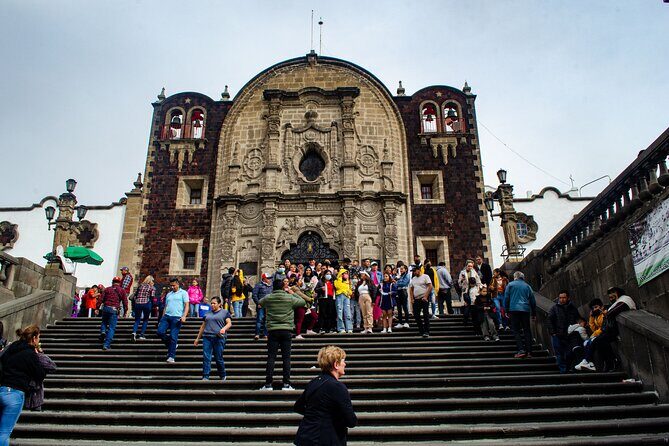
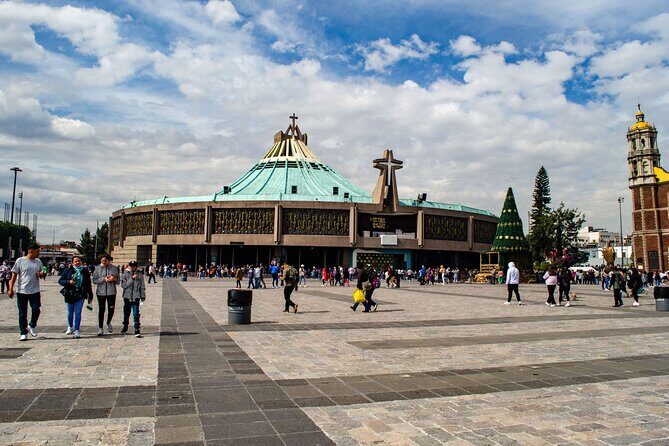
Mexico City has plenty of impressive churches. This one hits on a different level. The Basilica of Our Lady of Guadalupe isn’t just a big landmark—it’s a living place of devotion, where art and faith grew side by side. With a guide leading the way, you won’t just pass through halls. You’ll learn what to notice, from how the buildings speak through design to what the sacred grounds represent.
I also like the format. This is set up for only your group, so the experience doesn’t feel rushed or crowded with strangers. And you’re not on your own with ticket-printing puzzles: the tour uses a mobile ticket, and the major admissions you’ll need are free or included.
Still, plan around the reality of the site: you will climb and walk. There’s no pretending this is a sit-everywhere kind of outing. If stairs are a problem, you’ll want to reconsider or prepare carefully.
You can also read our reviews of more tours and experiences in Mexico City.

Entering the Basilica: the building is part of the story
At the Basilica, your guide’s job is to help you see the place as more than a backdrop. You’ll visit the Basilica of Our Lady of Guadalupe and see the divine original image. That alone is a big reason to come—but the best moments come when you understand the symbolism tied to the architecture and the way the space frames devotion.
One practical tip: come with a mindset of slow looking. The Basilica can be emotionally intense, and it’s easy to feel like you’re moving too fast. With in-person guidance, you’ll get cues for what to pay attention to, and where your time is most worth spending.
Also, the vibe here is distinctly sacred. If you want a photo-heavy trip, you might feel slightly annoyed by your own restraint. But if you want to understand why people return again and again, the setting does most of the work for you.
Tepeyac hill: the story moves from art into place
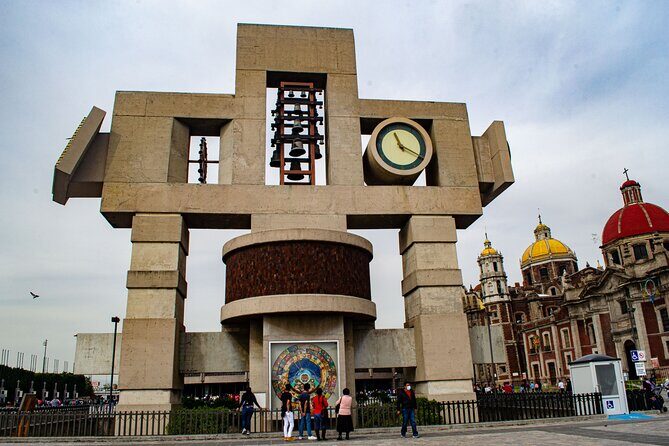
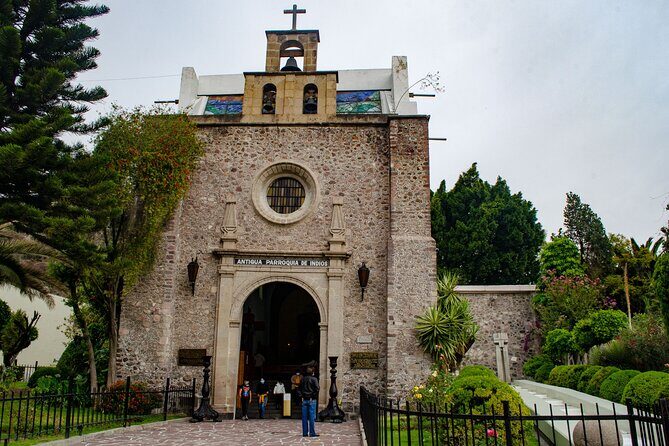
From the Basilica area, the tour shifts to Tepeyac, the hill connected to the apparition story of Juan Diego. This isn’t treated like a generic viewpoint stop. You’ll tour the hill’s enclosures and temples built around the setting associated with the Virgin of Guadalupe appearing.
This is the moment when the whole tradition starts to feel more grounded. Instead of seeing a mural or reading a summary, you experience the physical geography. You’ll also learn about the miraculous well, known as the Little Well tradition, which ties devotion to water and healing.
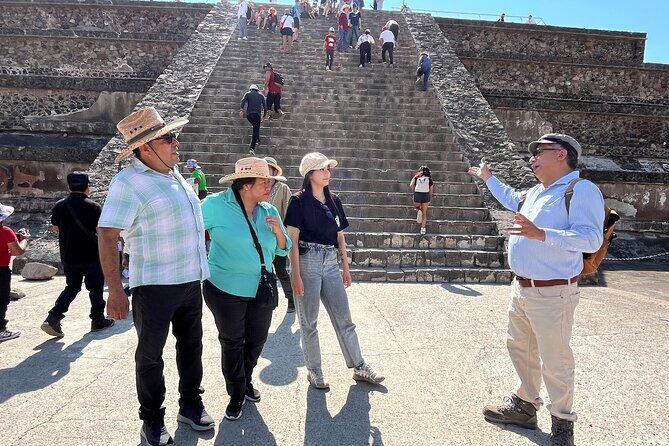
A heads-up: hill visits are where the steps show up more. The tour includes walking for a few hours total, and it’s not built for very limited mobility. If you tend to get tired quickly, plan on slower pacing and take breaks when you need them.
The Pozitos chapel and medicinal waters: a quiet pause in the route
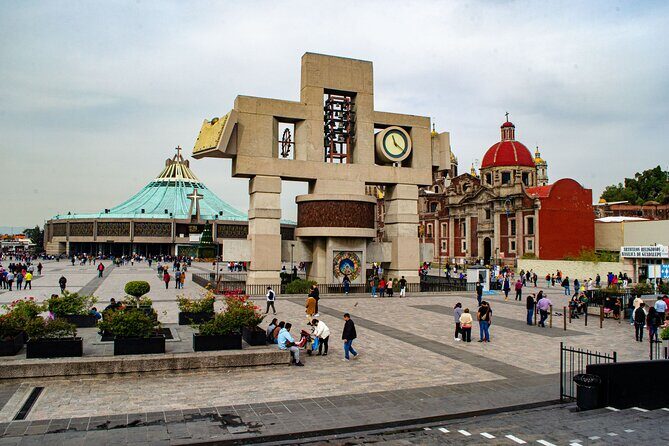
The tour includes Pozitos chapel, where the tradition connects to medicinal waters. Even if you don’t share the same faith background, you’ll likely appreciate how seriously the site takes prayer and remembrance. This stop tends to feel less like sightseeing and more like a moment to reflect.
What matters here is timing and attitude. Don’t treat this like a quick checkmark. Give yourself room to slow down, look closely, and let the place land. Your guide helps by providing context so you don’t feel lost inside the symbolism.
If you’re traveling with kids or family members, this stop can also help break up the day’s energy—especially if you’ve been walking steadily around large church areas.
Cerritos temple: where faith and narrative intersect
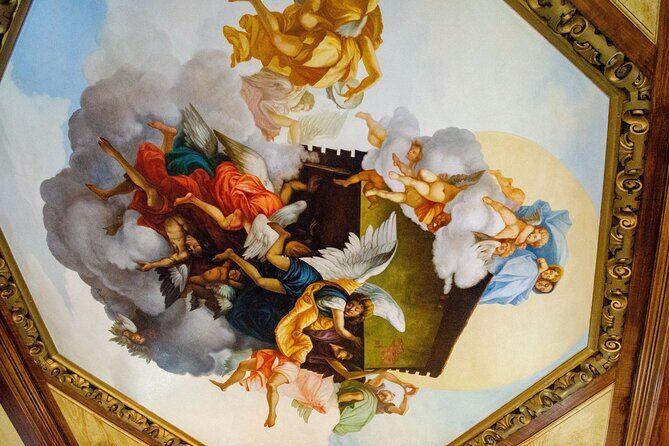
Next up is the Cerritos temple, tied to the apparition narrative connected to the Virgin of Guadalupe. Guides for this tour focus on how the spot fits the story, so you’re not just reading plaques while you stand. You’re learning how specific locations support the tradition’s meaning.
This is the kind of stop that can go either way depending on the guide. Here, the experience benefits from a thoughtful, patient approach. In fact, I’d pay attention to the tone of your guide during these narrative spots. A good guide doesn’t rush through names and timelines—they connect the location to what people believe and why that belief endured.



Museo de la Basilica: sacred art from the Conquest era
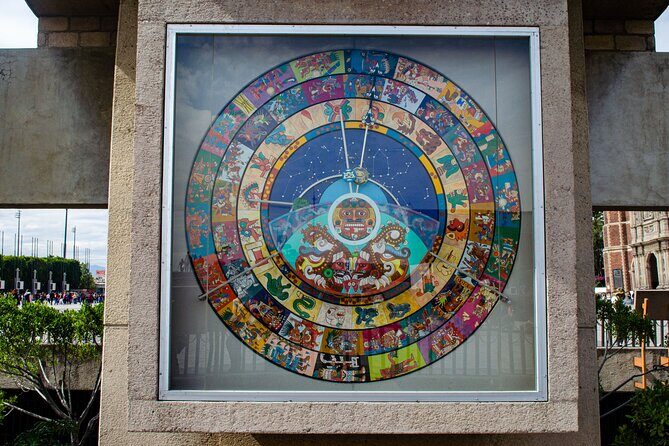
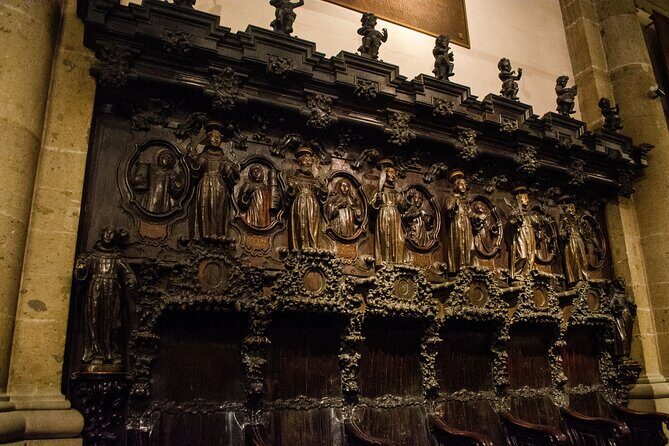
You’ll also visit the Museo de la Basilica de Guadalupe, with time allocated for the museum experience. The museum focuses on years of sacred art leading up to and including works from around the time of the Conquest. That matters because it helps you see the Guadalupana tradition not as one single era, but as a span of cultural change.
Think of it as a bridge. The outdoor grounds bring the story into geography. The museum shows how faith and creativity worked together across generations. Even if you’re not a “museum person,” the museum can make the rest of the day click.
Keep your expectations realistic: the museum stop is short (about 20 minutes). You’ll get enough to build a framework, not enough to become an art history expert. So if you love studying details, consider arriving early elsewhere in the Basilica complex later, after your tour ends, for extra time.
Small-group and private attention: what you gain in real life
This tour is designed for a private group—only your group participates. That sounds like a marketing line, but it usually shows up in how the day feels. When there are fewer people, your guide can slow down when you need it, and you can ask questions without shouting.
I’ve found this kind of format especially valuable at places like Guadalupe, where you might want to pause and pray, take a moment to absorb a story, or simply rest your legs for a minute. The site isn’t built for fast moving. A small-group pace keeps the visit from becoming a race.
If you’re someone who likes explanations (and not just directions), the guide experience matters here. Multiple guides have been praised for being patient and respectful, with a strong grasp of what’s around you.
Price and value: $57.94 that buys more than a ticket
At $57.94 per person, you’re paying for more than entry into church spaces. You’re paying for:
- A live in-person guide (the biggest value driver here)
- Round transfer (pickup, transfer, and drop-off)
- A structured route that ties together Basilica, Tepeyac grounds, and the museum
- Included museum admission
There’s no snack component, so you might spend a bit extra on water or something small to eat later. But for a 2 to 3 hour outing, the overall value is strong because your main costs are handled and your time is organized.
One more angle: this tour is often booked about 20 days in advance. That’s a sign it’s a popular slot. If your dates are fixed, I’d avoid waiting until the last minute, especially if you want a specific pickup window.
Logistics that actually matter in Mexico City
This tour includes pickup offered and round transfer. That’s a big deal in Mexico City because getting to the Basilica area can be chaotic, and you don’t want to burn your precious time figuring out meeting points.
You’ll also use a mobile ticket, which tends to reduce friction. And the tour is marked as being near public transportation, which helps if anything goes sideways.
One practical move: confirm your pickup details clearly before the day begins. Church areas can get busy, and you’ll do yourself a favor by double-checking meeting instructions the day before. It’s not paranoia—it’s just smart travel.
What to bring: comfort beats perfect outfits
Since the tour involves multiple sacred areas and steps, dress and footwear do real work here. Choose shoes with solid grip and plan for uneven surfaces.
Bring:
- Water (since snacks aren’t included)
- A light layer for air-conditioned indoor spaces
- Sunscreen if you’ll be outside longer than expected
- Patience. This site naturally slows people down
If you’re traveling with seniors or anyone who needs frequent breaks, go in knowing the tour may require stairs and endurance. The tour notes moderate physical fitness and says it’s not recommended for people with walking difficulties or low endurance.
Who should book this tour
This is a strong fit if you want:
- A guided visit focused on meaning, not just photos
- A route connecting Basilica, Tepeyac grounds, and the museum
- A small-group feel with attention tailored to your pace
- Pickup and drop-off to keep the day easy
It may be less ideal if you:
- Need fully step-free movement (this tour is not positioned that way)
- Want a minimal-walking, fast-stop itinerary
- Prefer to wander entirely on your own without structure
For families, it can work well too, as long as everyone can handle stairs and time walking between stops.
Should you book this Basilica of Guadalupe small-group tour?
I think it’s a good booking when you want the visit to feel guided, coherent, and spiritually grounded. The best part is the combination: Basilica + Tepeyac + sacred art museum, all stitched together with a guide who helps you understand what you’re seeing.
If you or someone in your group has mobility limits, take the physical demands seriously. Plan for steps, and consider alternative pacing or a different approach if walking is a major issue.
My final nudge: if you’re traveling to Mexico City specifically for Guadalupe, this tour is an efficient way to get the most meaningful parts of the area without spending your time figuring out logistics. With the right shoes and a calm pace, you’ll leave with more than memories—you’ll have a clearer picture of why this place matters.
FAQ
How long is the Basilica of Guadalupe tour?
The tour lasts about 2 to 3 hours.
Does the tour include pickup and drop-off?
Yes. It includes round transfer, meaning pickup, transfer, and drop-off.
Are admission tickets included?
Admission to the Basilica and Tepeyac is listed as free, and the Museo de la Basilica de Guadalupe admission is included.
Is this tour private or shared?
It’s private in the sense that only your group will participate.
Is the tour good for people with limited walking ability?
It requires a moderate physical fitness level. It is not recommended for people with walking difficulties or little endurance, since there is walking and steps.
What if the weather is bad?
The experience requires good weather. If it’s canceled due to poor weather, you’ll be offered a different date or a full refund.
Can I cancel for free?
Yes. You can cancel for free up to 24 hours in advance for a full refund.