REVIEW · FOOD
Discover Authentic Mexican Flavor on Our Private Oaxaca Food Tour
Book on Viator →Bookable on Viator
Your taste buds get a workout fast. This private Oaxaca food tour strings together Oaxaca markets and historic-center stops, with an English guide (often Antonio) who explains what you’re eating and why it matters locally. I especially like the mole negro and mole rojo tasting early on, and I love the Zócalo pause for tejate plus Pan de Yema.
One thing to plan for: it involves a fair amount of walking, so comfortable shoes matter, and the menu can shift with weather or what vendors have available.
In This Review
- Key highlights you’ll care about
- A private 3-hour Oaxaca route built around real eating
- Starting at Saint John of God Parish: the warm-up you need
- Mercado 20 de Noviembre: mole tastings and Oaxaca classics
- Mercado Benito Juárez: quesillo and a sweet stop
- Zócalo de Oaxaca: tejate and Pan de Yema in the city center
- Calle Macedonio Alcalá: shopping streets and a terrace food moment
- What’s included: the tastings add up to a full meal
- Drinks that teach you something about Oaxaca
- How the $280 price makes sense (and when it doesn’t)
- Walking pace and comfort: plan your feet
- Who this Oaxaca food tour suits best
- Practical tips before you go
- Should you book this Oaxaca food tour?
- FAQ
- What’s the duration of the Oaxaca food tour?
- Is the tour private?
- What language is the guide?
- How much walking is involved?
- Can you accommodate dietary requirements?
- What happens if the weather is bad?
Key highlights you’ll care about
- Two Oaxacan moles tasted head-to-head so you can compare flavors instead of just sampling one
- Market-to-market route across Mercado 20 de Noviembre and Mercado Benito Juárez for real local eating
- Tejate + Pan de Yema at the Zócalo for a pre-Hispanic-style drink and a classic sweet pairing
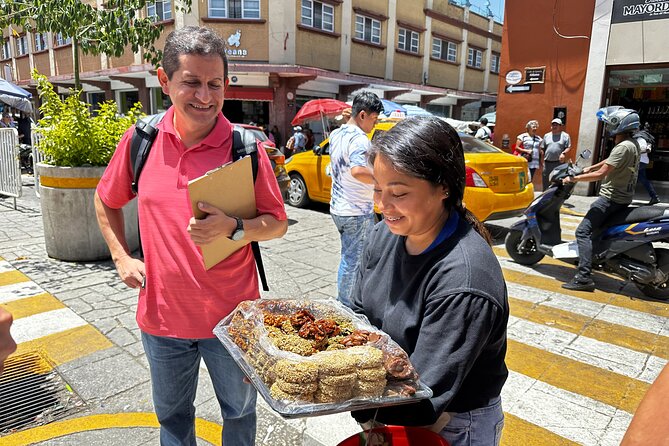
- Chapulines (crickets) included if you’re game for a crunchy Oaxaca challenge
- A secret food stop near Calle Macedonio Alcalá that adds surprise to the route
A private 3-hour Oaxaca route built around real eating
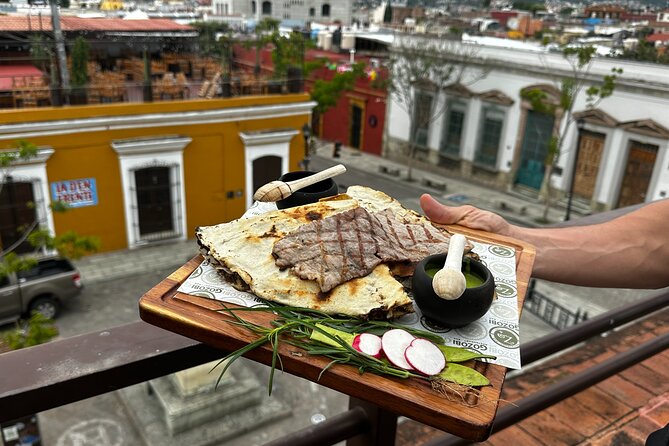
This tour is designed less like a checklist and more like a guided walk through where Oaxaca City actually eats. You start in the historic Centro area and move through markets, then back into major landmarks like the Zócalo—so you get both flavor and place.
You’ll be with only your group, not a mixed crowd. That matters in Oaxaca, where lines and pacing can get tight; it’s easier for a guide to steer you to the right window and keep things flowing for everyone.
An English in person guide runs the show. In the reviews, Antonio comes up repeatedly, and the overall vibe from that feedback is straightforward: he makes the tastings feel organized, not rushed.
Starting at Saint John of God Parish: the warm-up you need
The tour kicks off at Saint John of God Parish, where the guide welcomes you and sets expectations for the food route ahead. This first stop is short, but it’s useful. You’re not dropped into a market blind—you get a quick sense of what’s coming and how the tastings will work.
It also gives you a moment to ask questions before your hands start holding tortilla, chocolate, or something crunchy. If you’re the type who likes to know what’s in a dish before taking the first bite, this opening is a good fit.
Mercado 20 de Noviembre: mole tastings and Oaxaca classics
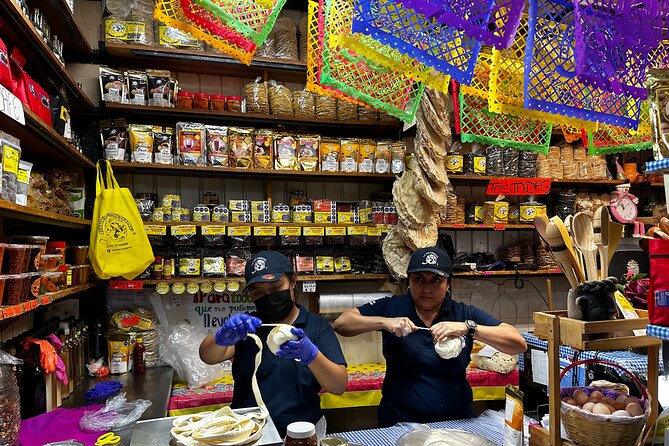
Mercado 20 de Noviembre is where the tour turns into full-on eating. You’ll start with two small bites—one savory and one sweet—and then you’ll shift into the big, signature attraction: mole negro plus another Oaxacan mole.
This is where the tour earns its value. Instead of only pointing at “the famous dish,” you’re set up to taste more than one mole style side by side. That makes it easier for you to remember what you liked and explain it to friends later.
After the mole tasting, you’ll also get chili relleno in the mix. In Oaxaca, that pepper-and-stuffing style can vary from place to place, so it’s a nice bridge between “market snack” and “regional specialty.”
Mercado Benito Juárez: quesillo and a sweet stop
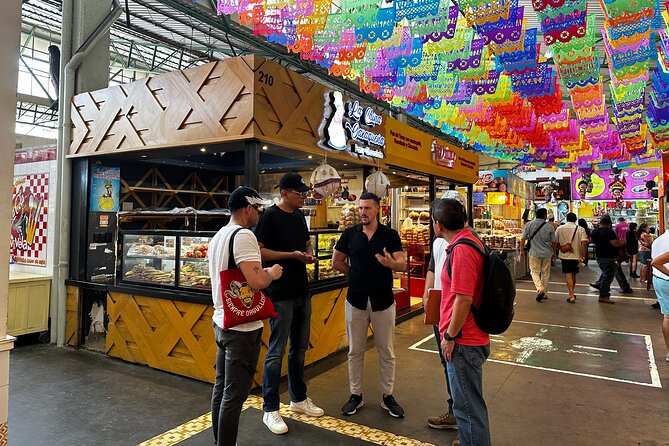
Next you’ll walk to Mercado Benito Juárez, where the pace stays relaxed and the food keeps coming. This part of the route is built for contrast: different market energy, different stalls, and different flavors than the first market.
Here, you’ll taste quesillo, the Oaxaca-style cheese you’ll hear about again and again if you start looking around for local dishes. It’s simple compared to mole, but that simplicity is part of the point. It lets your palate reset so the next sweet and drink moments land well.
You’ll also get another sweet snack that’s framed as regional. The exact sweet can vary, but the value stays the same: you’re not only eating savory food, and you’re tasting more than one side of Oaxacan flavor.
Zócalo de Oaxaca: tejate and Pan de Yema in the city center
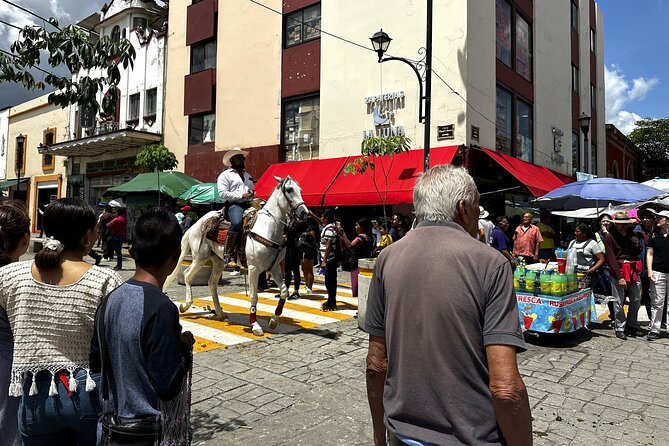
After the markets, the tour steps into the spotlight location: the Zócalo de Oaxaca. This is where you slow down a touch and focus on cultural flavors, not just quick bites.
You’ll drink tej ate, a traditional pre-Hispanic-style beverage known for its earthy, refreshing profile. Then you’ll pair it with Pan de Yema, a classic sweet bread from Oaxaca.
What I like about this stop is the pairing logic. Many food tours serve sweets like a random dessert. Here, the tejate + Pan de Yema combo keeps the theme consistent, so you finish the route with a clear memory of “Oaxaca tastes like this.”
Calle Macedonio Alcalá: shopping streets and a terrace food moment
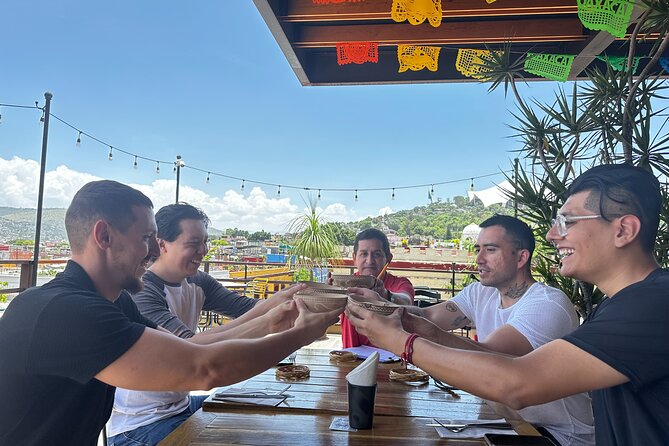
Then you’ll head to Calle Macedonio Alcalá, one of the busy historic-center areas that locals actually use, not just a photo stop. You’ll walk through the shopping lanes, get your bearings, and then head to a terrace for more food.
This is also where the tour’s “secret destination” energy kicks in. You’re not just repeating market snacks; you’re getting a different setting and a different kind of bite designed to feel like a find.
If you’re the kind of traveler who likes to learn how to spot where locals eat, this section helps. The terrace stop gives you a breather from constant walking and lets you taste something more sit-down styled before the tour ends near Santo Domingo Square.
What’s included: the tastings add up to a full meal
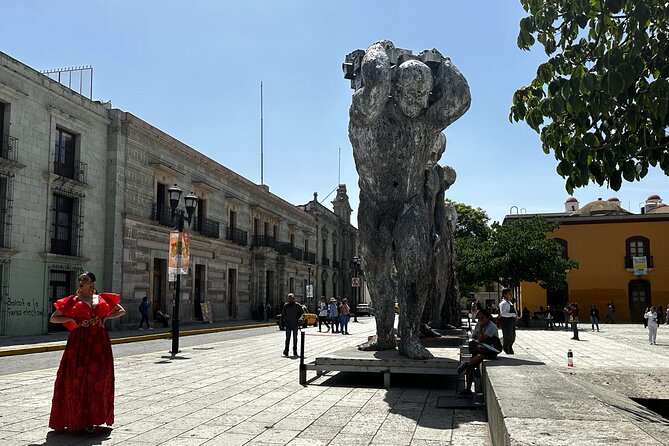
On paper, the list of included items looks like a lot—and in practice, it keeps arriving at a smart pace. You’re not just grazing; you’re getting a structured sampler of Oaxaca staples and a few “brave” options.
Here’s what’s explicitly on the menu set for this tour:
- Oaxacan black mole and mole rojo tasting
- Fried chile relleno
- A genuine chocolate bite from Oaxaca
- Chapulines (crickets) for the brave
- Traditional Oaxaca quesillo cheese
- A SHeritage sweet cookie
- Pre-Hispanic cacao brew paired with Pan de Yema
- Mexican pizza made with hand-made crispy tlayuda and meat
- Our delicious secret dish
- Water
- Oaxacan Traditional Earthy Olla coffee
- Pre-Hispanic cocoa brew (listed as included as well)
Two practical notes here. First, you’ll likely want to skip breakfast or keep it light, because you’ll get savory items, sweet bites, and drinks. Second, if you’re nervous about chapulines, remember it’s included as an option for adventurous eaters—bring the courage, and your guide can usually help you manage the order and expectation once you’re there.
Drinks that teach you something about Oaxaca
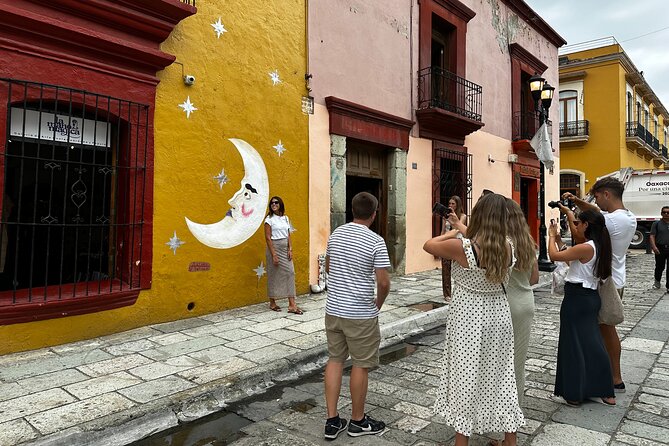
This tour includes more than one drink moment, and that helps you understand Oaxaca beyond food alone. Olla coffee is earthy and traditional, so it feels like a “real drink,” not just a cafe stop.
Then there’s the pre-Hispanic thread: tejate at the Zócalo and pre-Hispanic cacao/cocoa brews paired with sweets. That matters because Oaxaca’s chocolate and cacao culture isn’t only about desserts. It shows up in bitter drinks, earthy flavors, and the way local recipes connect to older food traditions.
You don’t need to be a food scholar to get this. You just need to taste, compare, and let the flavors stick.
How the $280 price makes sense (and when it doesn’t)
At $280 per person, this tour isn’t “cheap eats.” But it isn’t just paying for snacks either. You’re paying for an organized route, an English guide in person, and a package of specific included tastings that lean into Oaxaca specialties—mole, quesillo, chocolate, tlayuda-style pizza, and more.
Where the value really shows up is in what you avoid:
- Guessing where to eat without having a map in your head
- Paying extra separately for mole tastings and multiple market stops
- Wasting time trying to coordinate several venues on your own
The main reason it might not fit is if you prefer a loose, self-guided food crawl. If you already know exactly which stalls you want and you enjoy slower browsing without a timed route, you may find this structured approach less rewarding.
But if you want a “smart order” so your day runs smoothly, the price starts looking more fair.
Walking pace and comfort: plan your feet
This experience includes a fair amount of walking. That doesn’t mean it’s a hike, but it does mean your shoes are part of the plan.
I’d treat this as a half-day outing on your feet, especially because you’re switching between market aisles and historic-center streets. Wear shoes you trust, and keep your phone charged, because you’ll likely want photos at the Zócalo and around Santo Domingo.
If weather is poor, the tour requires good conditions. The itinerary and menu can shift based on availability and weather, so don’t plan your entire day as if every stop is guaranteed to land at the exact second.
Who this Oaxaca food tour suits best
This tour is a strong match for you if:
- You want a private experience with an English-speaking guide
- You like tasting multiple versions of Oaxaca staples, especially mole negro vs mole rojo
- You’re comfortable walking through markets and historic-center streets
- You want a guided way to try both savory and sweet, plus pre-Hispanic-style drinks
It may be less ideal if you:
- Have mobility limits that make market aisles and city-center walking difficult
- Prefer only one or two big meals rather than a sequence of smaller bites
- Know exactly where you want to eat already and don’t want structure
Practical tips before you go
A few things will help you get the most out of the tastings.
First, tell your guide about dietary needs in advance. The tour specifically notes contacting them ahead of time so they can cater as best they can. That’s the difference between a stressful adaptation and a smooth one.
Second, go in hungry but not reckless. With moles, fried chile relleno, quesillo, chocolate, tlayuda-style pizza, coffee, and multiple sweets, you’ll likely eat more than you expect for a 3-hour window.
Third, bring a small open mind about texture. Chapulines (crickets) are the standout example—crunchy and straightforward, but still a different sensory experience than meat or cheese.
Finally, expect the tour to end near Santo Domingo Square. Plan your next stop with that in mind so you’re not sprinting across Centro when you’re already full.
Should you book this Oaxaca food tour?
Book it if you want an organized, private way to taste Oaxaca’s key flavors in a short window. The mole tasting, the market-to-Zócalo route, and the included set of foods and drinks create a full experience without you needing to research every stop.
Skip it if you’d rather pick your own stalls and build your day entirely on your own timing. At $280, you’re paying for structure and guidance, so it’s best when you actually want that.
If you’re on the fence, choose this tour when your goal is clear: learn Oaxaca through food, compare moles, and leave Centro with your senses (and stomach) properly stocked.
FAQ
What’s the duration of the Oaxaca food tour?
It lasts about 3 hours.
Is the tour private?
Yes. It’s a private tour, and only your group participates.
What language is the guide?
The tour includes an English in person guide.
How much walking is involved?
The experience includes a fair amount of walking, so comfortable shoes are recommended.
Can you accommodate dietary requirements?
You should contact the tour provider in advance about dietary needs so they can cater for you as best as possible.
What happens if the weather is bad?
The tour requires good weather. If it’s canceled due to poor weather, you’ll be offered a different date or a full refund.