REVIEW · MEXICO CITY
Bean to Beverage: Roast and grind cacao into chocolate
Book on GetYourGuide →Operated by Martaja - Market tours & cooking classes in Mexico City · Bookable on GetYourGuide
Cacao turns into a hands-on story.
This 3-hour bean-to-beverage workshop takes you from roasted cacao to a cup of hot chocolate you build yourself, with the Mayan and Aztec roots in plain, practical steps. It happens in a home in Condesa, so the vibe is personal, not tour-bus scripted. You roast, grind, brew, and then finish by flavoring your drinks with Mesoamerican ingredients like chile, achiote, and avocado leaf.
I love that you start from the basics and keep moving forward, not just tasting along the way. With Jim as the host, you get a clear sense of how cacao was valued in the pre-Hispanic world, and you learn the hands-on process of turning beans into chocolate rather than watching it happen from across the room. The class also has a relaxed feel that makes it easy to ask questions, even if chocolate-making is new to you.
My only real caution is the setting: it is in a home without an elevator, and there are two cats on site. Allergy sufferers will want to think ahead, and anyone with mobility limits may find the stairs hard. If that works for you, though, this is one of those experiences where you leave with both food knowledge and a real skill you can repeat later.
In This Review
- Key Points to Know Before You Go
- Where the Class Happens: Condesa, a Home Kitchen, and Real Hands-On Time
- From Cacao Beans to Chocolate: The Grind-First Magic
- Brewing Like It’s Your Cup: Making Hot Chocolate Variations
- Ancient Ingredients and Modern Tastes: What You’re Really Learning
- The Host and the Teaching Style: Why the Experience Feels Easy
- Price and Value: Is $115 for 3 Hours Worth It?
- Who This Workshop Fits Best (Families, Couples, and Spice Curious Folks)
- Should You Book Bean to Beverage in Mexico City?
- FAQ
- How long is the Bean to Beverage workshop?
- Where is the workshop located?
- What does the price include?
- What will I make during the class?
- What ingredients can I expect to use?
- Is this class offered in English or Spanish?
- Is it private or small group?
- Is dietary accommodation possible?
- Is the venue wheelchair accessible?
- Are there pets in the house?
Key Points to Know Before You Go
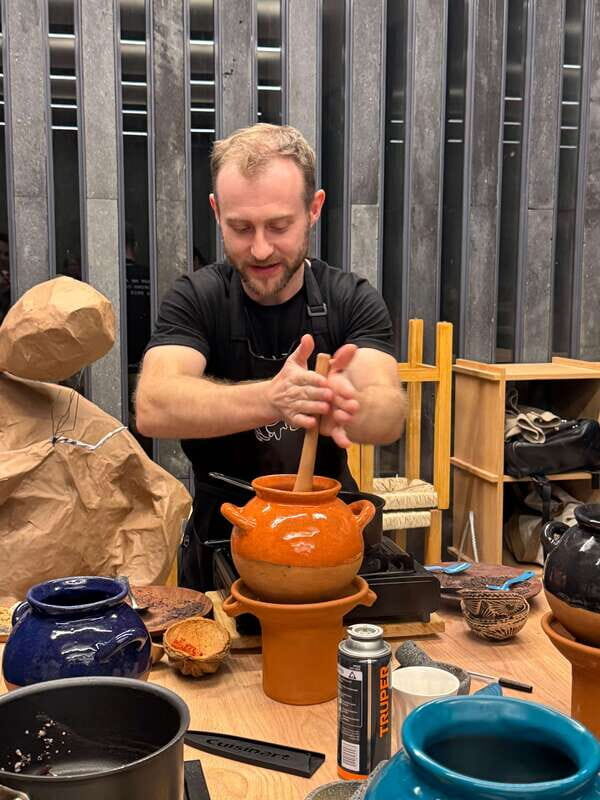
- Metate grinding practice: You roast and grind cacao using traditional-style tools and methods.
- Six drinks from scratch: You make enough variation to compare flavors side by side.
- Ancient ingredients you can taste: Expect chile, achiote, and avocado leaf in your creations.
- Jim brings it to life: The history and the process feel connected, not like two separate lessons.
- Small, friendly format: Private or small groups help keep the pace human.
Where the Class Happens: Condesa, a Home Kitchen, and Real Hands-On Time
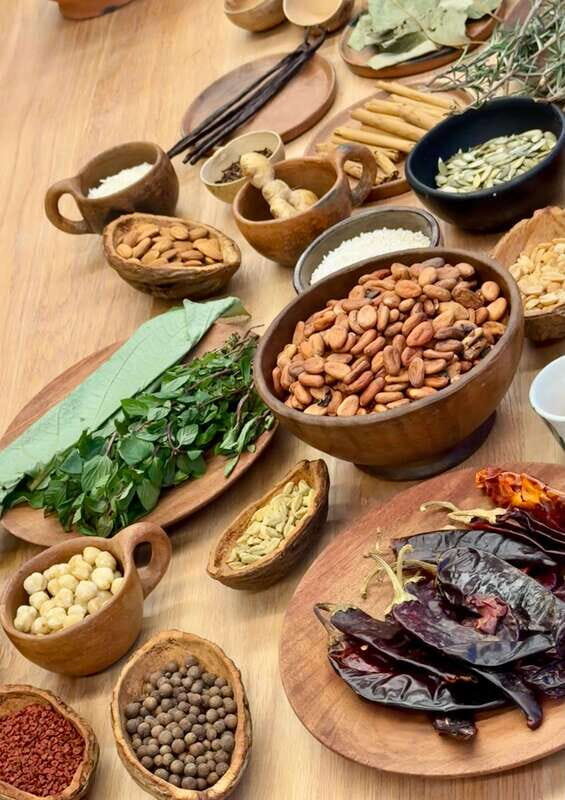
This workshop takes place at the chef’s home in Condesa, not in a formal classroom. That matters more than it sounds. In a home setup, you tend to get more one-on-one guidance while you work, and you also feel the comfort of a lived-in space. You’ll be given an apron, and you’ll move through the experience like a cooking class that happens to include history, not history that happens to include cooking.
The atmosphere is also part of the value. Several families and groups highlight how relaxed and homely it feels, and that checks out with the way the class is designed: you’re not rushing through photo spots. You’re doing the work—roasting, grinding, mixing—and then you sit down with your final drinks and a dessert.
Meeting point details can vary depending on the option booked, so plan to rely on the meeting info you receive after reserving. Also note the class runs for 3 hours, so you’ll want to treat it like a real block of your day rather than squeezing it between errands.
You can also read our reviews of more tours and experiences in Mexico City
From Cacao Beans to Chocolate: The Grind-First Magic
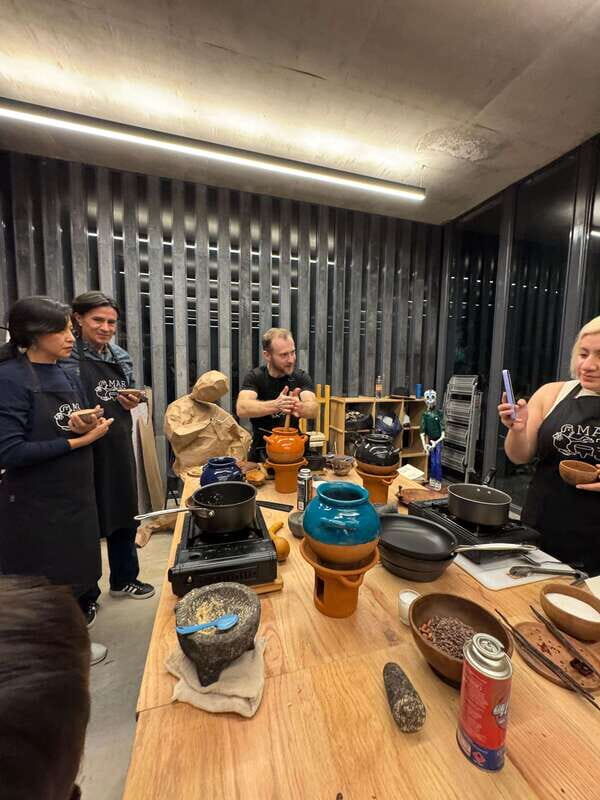
The heart of this experience is the step that most tastings skip: you actually roast and grind cacao. You do it using a traditional-style process, including grinding on a metate. It’s physical work in a good way—hands-on, a little messy, and honestly satisfying.
That grinding step is where the “bean to beverage” promise becomes real. Chocolate isn’t just a flavor; it’s texture, aroma, and extraction. When you grind the beans yourself, you start to understand why cacao needs to be processed to brew properly. And when you roast first, you’re changing the scent and depth before anything gets mixed into hot water or other brewing steps.
The history portion ties directly to what you’re doing. You explore the fascinating role cacao played as a prized foodstuff in the Mayan world, then you connect that to how the Aztecs approached cacao and hot chocolate. This isn’t trivia dumped at you. The best part is that the story stays attached to the process. You’re learning while your hands are learning too, which is a big reason this kind of class sticks.
One small but important detail: the class is described as starting from basics and going all the way through brewing. That pacing works well if you’re traveling with family, because nobody gets left behind. Kids and adults can do the same core steps, then branch into flavor choices when it comes time to mix your drinks.
Brewing Like It’s Your Cup: Making Hot Chocolate Variations
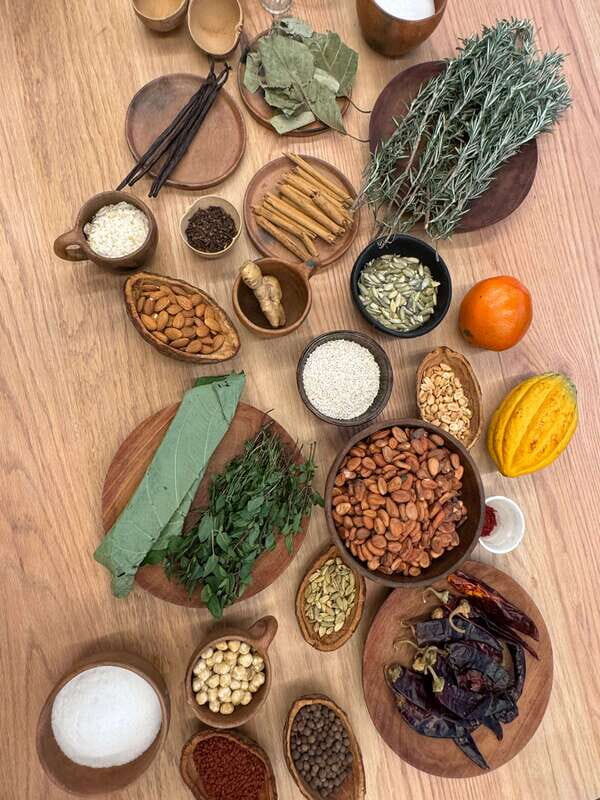
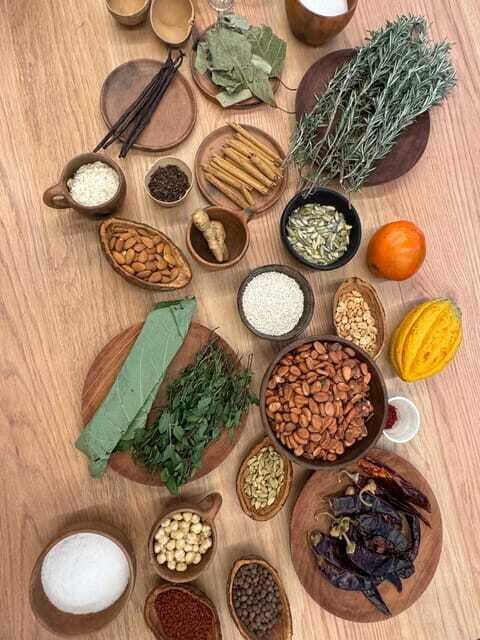
After the roast-and-grind stage, you move into brewing and then building flavors. The class is set up so you make a selection of hot chocolate drinks, not just one. The ingredients provided cover six different hot chocolate drinks, which means you can compare what changes when you add a new element.
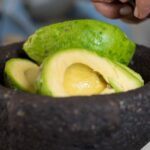
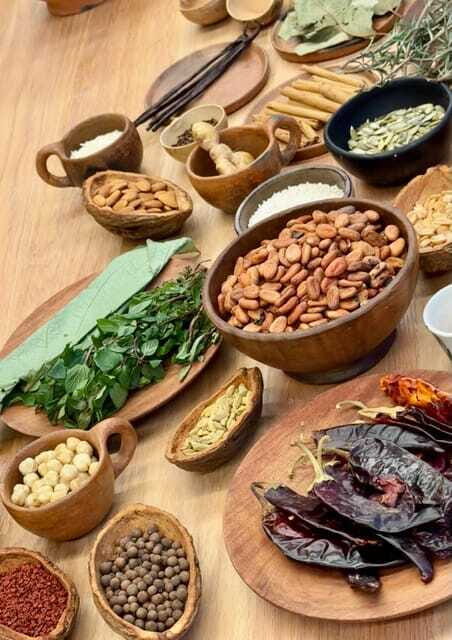
You’ll also get creativity time—your instructor encourages you to mix and enrich your drink with ancient-sounding but very understandable flavor ideas. Think chile (heat and warmth), achiote (earthy, gently peppery color and flavor), and avocado leaf (aromatic, herbal depth). The goal isn’t to force you into one correct formula. It’s to help you learn how ingredients shift the overall cup.
Then you sit down to enjoy what you made. A table is laid with artisanal serveware, so your final drinks feel like the payoff of a craft session, not a reward handed out at the end. A dessert also comes with the experience, giving you a sweet bookend that matches the cacao theme.
A practical tip: start your tasting in layers. If you’re curious about chile, taste a mild option first, then adjust in future cups. That way you’ll actually learn what each ingredient does, instead of guessing afterward.
Ancient Ingredients and Modern Tastes: What You’re Really Learning
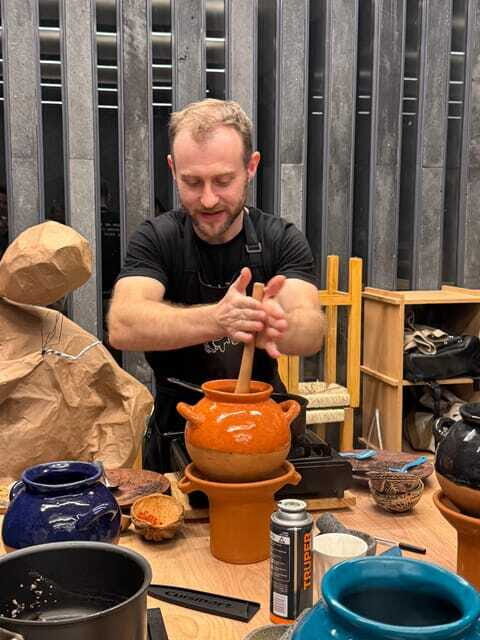
This class does a smart thing: it gives you “ancient ingredients” without making it feel like an off-limits museum project. You’re using flavors that grew out of Mesoamerican traditions, but you’re also tasting them in a format that fits what you know about hot chocolate—warm, comforting, and drinkable.
Here’s what makes this section valuable for you, not just interesting:
- You learn how cacao works as a base, so you can understand why spices and aromatics matter.
- You get a sense for balance: heat versus sweetness, earthy notes versus creamy texture.
- You leave with flavor confidence, so you’re not stuck thinking cacao is only for one type of drink.
From the reviews, the class also has a clear emphasis on pre-Columbian ingredients and how cacao culture influenced later flavor habits. That connection is part of the fun. Mexico’s food history isn’t frozen in one time period—it’s layered. And this workshop helps you taste that layering rather than just reading about it.
If you’re the type who likes food as a map, this is a great format. You make the drink, then you understand the logic behind it: grind changes texture, roast changes aroma, and added ingredients change perception.
The Host and the Teaching Style: Why the Experience Feels Easy
A lot of cooking classes succeed or fail based on the host. Here, Jim shows up repeatedly in feedback for good reason. The common theme is energy plus clarity. He’s described as welcoming, and families mention that he’s invested in making sure everyone has a pleasant experience.
Teaching approach matters for this particular topic. Cacao-making has a reputation for being complex. In this class, it becomes approachable because you’re doing it step by step. You’re not thrown into a technical challenge. You learn the process, then you apply it.
There’s also a nice practical side. One review notes that the host gives recommendations for local restaurants and other things to do in Mexico City. That turns a food workshop into a small travel boost. You’re not just leaving with drinks; you’re leaving with ideas for how to spend the rest of your day.




Price and Value: Is $115 for 3 Hours Worth It?
At $115 per person for a 3-hour workshop, you should judge value by what you actually receive, not by the word “cooking class.” Here, the included items are significant: the class provides all ingredients to prepare six different hot chocolate drinks, plus a dessert.
That’s the core value math. You’re not paying just to watch someone make one beverage. You’re paying to:
- learn a full bean-to-beverage process,
- grind cacao yourself,
- build multiple flavor variations,
- and sit down with a complete small tasting setup.
You’re also getting a guide who teaches both the story and the craft. That usually takes more time and attention than classes that only focus on flavor. Finally, the small-group or private options mean you’re more likely to get personalized help, especially if you have questions about ingredients or dietary needs.
One more note on cost comparisons: the information you’re given indicates that other booking routes may offer lower pricing for the same experience. If you’re cost-sensitive, it’s worth checking that before you lock in, but don’t let price hunting distract you from the value here: you’re buying hands-on cacao work plus multiple drink tastings.
Who This Workshop Fits Best (Families, Couples, and Spice Curious Folks)
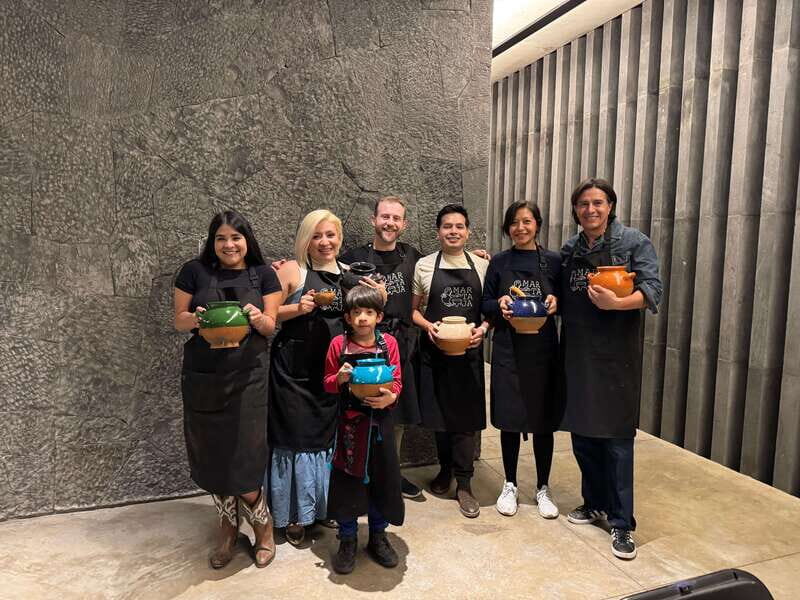
This is one of those rare experiences that lands well across ages. Families with teenagers and younger kids describe it as a strong fit, which makes sense. The steps are learnable, and the payoff is immediate: everyone can drink and compare their own creations.
It’s also a good match if you like food history but hate lectures. The history connects to what you’re doing, from Mayan cacao importance to Aztec-style hot chocolate concepts. You don’t just hear about pre-Hispanic ingredients; you taste what they do.
If you’re traveling solo or as a couple, you still get value because the class covers a range of flavors. You can pick your preferences—more spice, more herbal notes, less heat—and still come away with a meaningful comparison across your six drinks.
Language-wise, instruction is available in English and Spanish, so you can choose what works best for your group.
Should You Book Bean to Beverage in Mexico City?
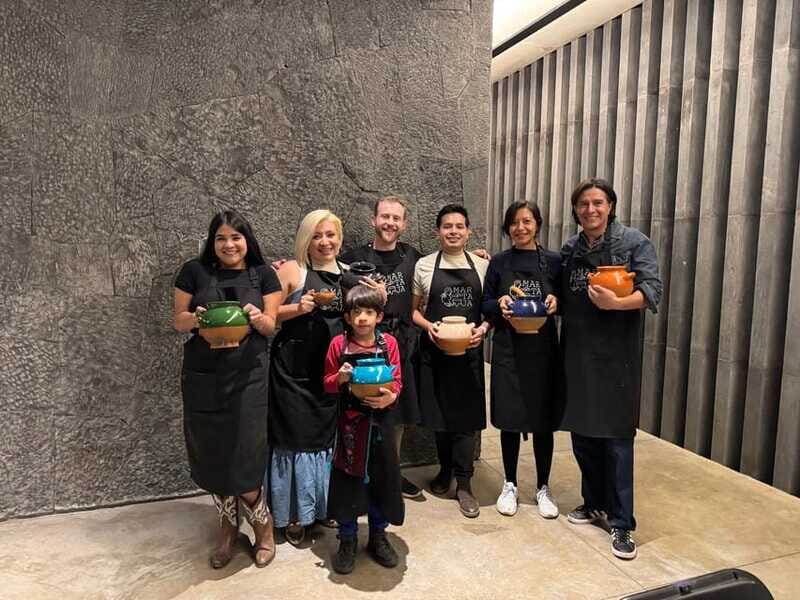
Yes—if you want something more memorable than a tasting. This is a hands-on workshop where the process matters: roast, grind, brew, then customize and taste. If you love food that has a story you can actually recreate with your hands, you’ll like this.
Skip or rethink only if the setting is a problem for you. The workshop takes place in a home without an elevator, and there are two cats in the house. Allergy sufferers should plan ahead, and anyone with mobility limits should consider whether stairs might be a barrier.
If that’s manageable, book it. You’ll leave with new skills, a pocketful of flavor ideas, and hot chocolate you helped create from scratch—complete with a dessert to finish the job.
FAQ
How long is the Bean to Beverage workshop?
It lasts 3 hours.
Where is the workshop located?
It takes place in the State of Mexico, Mexico, at the chef’s home in Condesa.
What does the price include?
All ingredients to prepare six different hot chocolate drinks, plus a dessert to accompany your beverage.
What will I make during the class?
You’ll roast and grind cacao, then brew hot chocolate and enrich it with a range of Mesoamerican ingredients. The class includes making six different hot chocolate drinks.
What ingredients can I expect to use?
You’ll combine your hot chocolate with ingredients including chile, achiote, and avocado leaf.
Is this class offered in English or Spanish?
Yes, instruction is available in English and Spanish.
Is it private or small group?
Private or small groups are available.
Is dietary accommodation possible?
After booking, you’ll be asked by email about dietary requirements. Most can be accommodated, but strict Kosher is not possible.
Is the venue wheelchair accessible?
Wheelchair users have enjoyed the class before, but the building has no elevator.
Are there pets in the house?
Yes, there are two cats in the house.