REVIEW · MEXICO CITY
Axolotl Tour from CDMX
Book on Viator →Operated by Paseos Turisticos, Tour Operador Tepotzotlan · Bookable on Viator
Axolotls meet real conservation on a day trip.
This small-group tour (max 8) runs from Polanco with private transportation and an English-guided visit to a conservation-and-reproduction space for Mexico’s famous water monster. You’ll meet up at Av. Horacio 603, 8:00 am, with guides Martha and Alonso leading the day.
I like how the experience connects the science to real caretakers, not just a cute animal encounter. You get Spanish-to-English translation when Rosa speaks, so questions make sense and the conservation work lands. One catch: it’s a long, windy drive, and some people feel it in the last stretch—so motion-sickness help can be smart.
In This Review
- Key highlights you’ll feel right away
- A small-group axolotl day trip from Polanco that feels personal
- Tepotzotlán conservation time: how the axolotls are cared for
- The drive from CDMX: breakfast stop and motion-sickness tips
- Breakfast and homemade lunch: what you actually eat on this day
- Farm animals beyond axolotls: rabbits, guinea pigs, and more
- English support and small-group flow: how guides keep it smooth
- Price and value: what $126.67 covers (and why it can be worth it)
- Who this Axolotl Tour is best for
- What to do before you go so the day lands well
- Should you book this Axolotl Tour from CDMX?
- FAQ
- How long is the Axolotl Tour from CDMX?
- What time does the tour start, and where do I meet?
- Is the tour offered in English?
- What’s the group size?
- What’s included in the price?
- Can I cancel and get a refund?
Key highlights you’ll feel right away
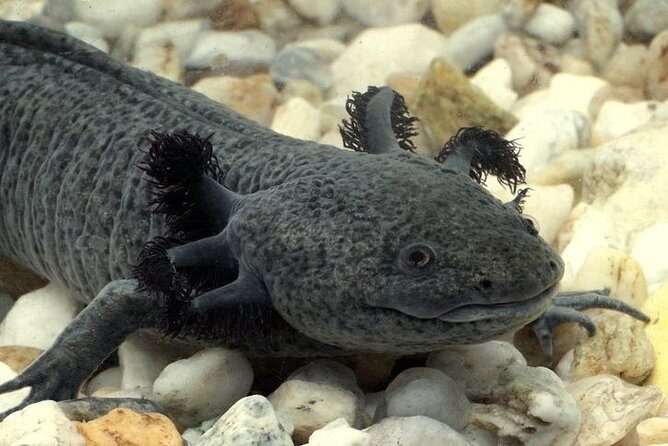
- Conservation first in Tepotzotlán: You’re visiting a conservation-and-reproduction operation for an endemic species.
- Martha and Alonso guide the day in English: Rosa’s Spanish is translated so you stay fully in the loop.
- Hands-on moments may vary by day: If the axolotls are recovering, you may not be able to hold or feed them.
- Family farm time adds extra animal magic: Rabbits, baby bunnies, guinea pigs, a mini donkey, and sheep can be part of the experience.
- Food is built into the trip: Breakfast is included, and a homemade lunch is commonly served after the axolotl time.
- Limited group size makes it calmer: With up to 8 people, the guides can slow down and answer questions.
A small-group axolotl day trip from Polanco that feels personal
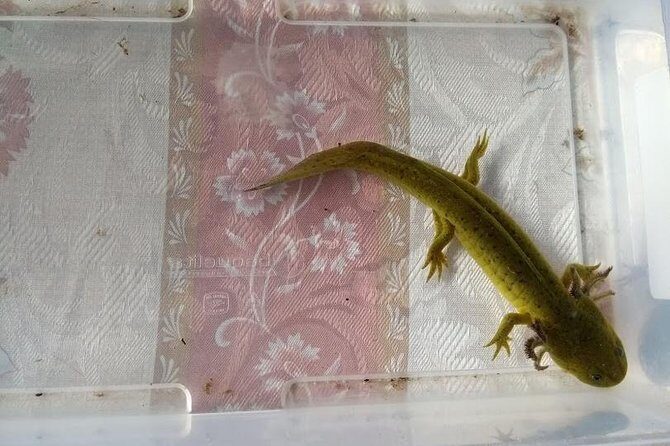
If you’re in Mexico City and want a day that’s different from museums and markets, this axolotl tour does the job. The core of the trip is a visit to a facility in Tepotzotlán focused on conservation and reproduction of axolotls, an endemic species often called the water monster. The morning starts at 8:00 am at Av. Horacio 603 in Polanco, and the tour loops back to the same meeting point.
The schedule is built for a full day without rushing: the axolotl stop alone lasts about 4 hours, and the overall experience runs about 7 hours total. You’re not stuck with a crowded bus vibe either—this one caps at 8 people and uses private transportation, so you travel together as a small group.
The best part is how the day connects you to the people doing the work. Martha and Alonso guide in English, and when Rosa (part of the family operation) speaks Spanish, Martha translates. That matters, because axolotls aren’t a gimmick here—they’re the center of a real effort to protect a unique species.
You can also read our reviews of more tours and experiences in Mexico City.

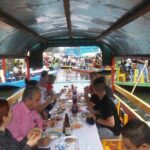

Tepotzotlán conservation time: how the axolotls are cared for
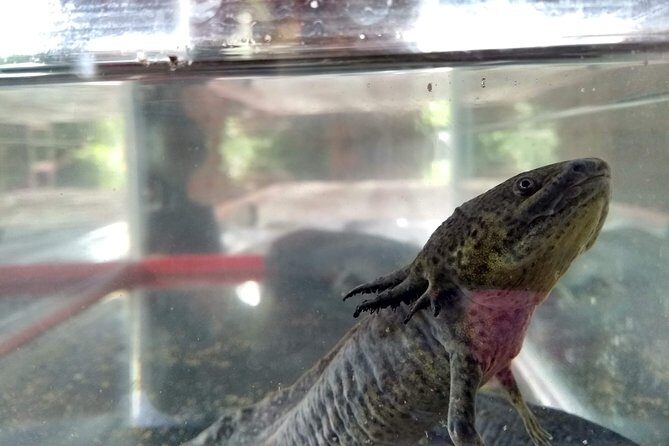
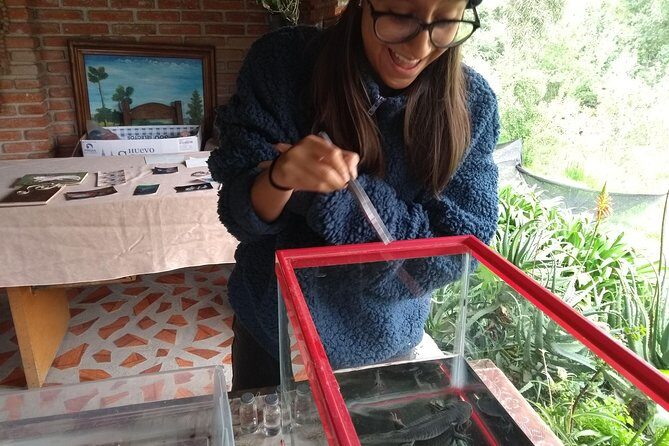
The Tepotzotlán stop is the heart of the tour. You’ll visit a space created specifically for conservation and reproduction of axolotls. That focus shapes everything you’ll see and hear: you’re learning about the animals as living creatures with care needs, not just posing with a rare species.
A guide-led intro helps set the stage before you get up close. Martha provides an English overview of axolotls and the efforts behind the project, and she translates when Rosa explains additional details from her side of the work. Jose and Rosa are part of the operation, and the guides explain their approach and day-to-day experiences raising axolotls.
Here’s the practical bit: hands-on time depends on the axolotls’ condition that day. One group noted the animals weren’t ready for holding or feeding because of a recovery period after something new in the environment. Even when that happens, the experience doesn’t stall—you still get a guided farm animal tour, and the caretakers continue teaching. So go in expecting education plus animal time, and keep a flexible mindset about holding or feeding.
If you’re booking for a child who’s obsessed with touching the animals, this is still a great fit. Just remember the team has to follow animal-care rules first, and they’ll steer you accordingly.
The drive from CDMX: breakfast stop and motion-sickness tips
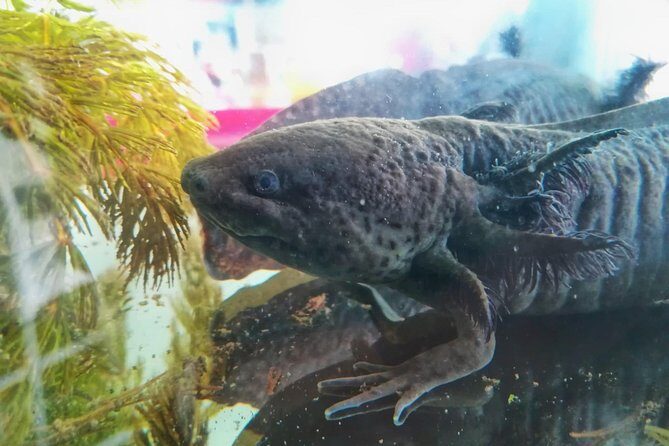
Yes, there’s driving involved. The axolotl facility is roughly a couple hours outside Mexico City, and the trip can feel long if you don’t settle in. One review described the ride as worth it, but also noted that the last part of the journey can be bumpy and windy—exactly the kind of setup that triggers car sickness.
A smart move: the tour team breaks up the journey with breakfast on the way. That’s not just a nice perk—it helps you arrive less cranky and more ready for a longer on-site visit. The included breakfast is made with regional ingredients, so it’s not just coffee and pastries.
If you or your kid gets carsick, bring motion-sickness help. One family specifically recommended Dramamine and timing it around the café stop. If you’re traveling with a child, consider distractions too—someone shared that they used headphones and an audio story for a 9-year-old, which made the ride fly.
The takeaway for you: plan for the road early. Start with breakfast on board, take motion-sickness precautions if needed, and use the drive time as part of the trip—not as something to endure.
Breakfast and homemade lunch: what you actually eat on this day
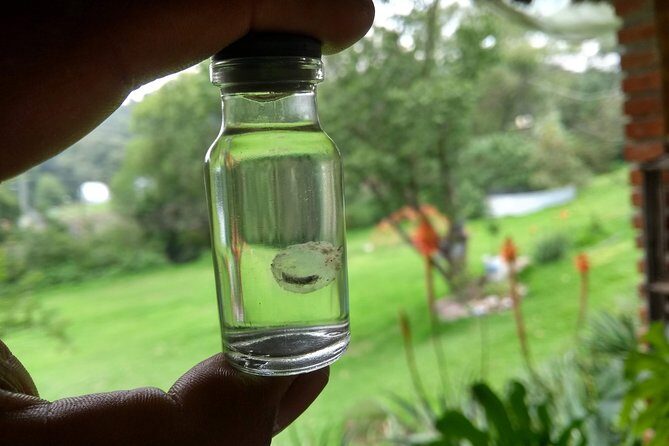
Food is part of what makes this tour feel complete. Breakfast is clearly included, and it’s described as a regional meal, served on the way to the conservation site. That’s a practical advantage: you’re leaving Mexico City in the morning, and you won’t be hunting for breakfast later.
After the axolotl time, many days include a homemade lunch prepared by the family behind the operation. In one detailed account, lunch included ceviche that stood out as some of the best they’d had, plus a menu reflecting Lent timing: fish, rice, and hard-boiled eggs. Even if your day doesn’t match that exact menu, the format matters—this is a family-cooked meal served as part of the outing.
One heads-up from experience-style feedback: if you eat a big breakfast, lunch can feel like a lot. That same family noticed their kids weren’t super hungry because breakfast was substantial. The fix is easy—be ready to pace yourself, and don’t assume you’ll be starving by midday just because it’s a long day.
Also, souvenirs aren’t listed as included. So think of this as a day trip where you spend on the experience, not on shopping stops.
Farm animals beyond axolotls: rabbits, guinea pigs, and more
Even when axolotls can’t be held or fed that day, you’re usually not left without the fun part. This operation pairs the axolotl conservation lesson with a family farm animal experience. And it’s not just looking. You may get to hold and feed animals, depending on how the day is going and what the caretakers say is okay.
Expect hands-on time that can include rabbits, including very young baby bunnies, plus guinea pigs. One group described the joy of cuddling baby bunnies and feeding guinea pigs. Beyond small animals, they also mentioned a mini donkey that you can pet, and sheep that you can feed.
For families, this is huge. It keeps the day moving even for kids who get restless during animal-focused education. It also adds an extra layer of meaning: you’re seeing how an entire farm setting fits into animal care and daily work, not only a single exhibit.
For adults, it’s also a reality check. You see animal care as routine labor and patience, guided by people who live with the animals every day. It’s a better feeling than a quick photo stop.




English support and small-group flow: how guides keep it smooth
This is an English-offered tour with a maximum of 8 people. That small size makes the guided part work better. You don’t spend the whole day trying to hear over other conversations, and the guides can tailor explanations to what the group asks.
Martha and Alonso are the visible guides during the day. Martha translates when Rosa speaks, which keeps the conservation story accurate and complete. That translation piece matters because you’re learning details about the axolotls and the conservation work, not just getting a generic description.
The day is also designed to feel organized: you start at a set meeting point (Av. Horacio 603), go out together, do the axolotl-focused stop for about 4 hours, then return to the meeting point. The tour ends back where it starts, so you’re not scrambling for transport at the end of a long day.
If you like learning at a comfortable pace—asking questions, getting straight answers—this format tends to hit the sweet spot. And if you’re traveling with kids, this calmer pacing helps. One review mentioned the guides were conscientious and took time with the animals, including when children were involved.
Price and value: what $126.67 covers (and why it can be worth it)
At $126.67 per person, this tour isn’t the cheapest thing you can book from Mexico City. But it can be good value for the right kind of day.
Here’s what’s clearly included: private transportation, breakfast, a guided tour, and admission to the conservation site. Private transport plus admission plus a structured guided visit is already a solid base cost. Then add the real-world extras people described—like a homemade lunch served after the axolotl time, and extra farm animal interaction.
So you’re paying for a package that saves you from planning: you get the morning start, the drive, the on-site guidance, and food as part of the rhythm. If you were to do something similar on your own, you’d spend time coordinating transport and arranging entry to a specialized facility.
The value question depends on you. If you just want quick photos with minimal explanation, a specialized conservation visit may feel like overkill. If you want education plus close animal time in a small group, it’s easier to justify the cost.
Who this Axolotl Tour is best for
This is built for people who care about animals and enjoy guided learning. It’s especially well matched to families with kids who are currently obsessed with axolotls. The mix of axolotl conservation education and farm animal interaction gives kids something to look forward to throughout the day.
It also fits animal lovers who want more than a static exhibit. Getting to feed rabbits or interact with guinea pigs, and meeting caretakers who explain the why behind their work, makes the experience feel grounded.
If you’re sensitive to car motion, plan ahead. The drive can be bumpy and windy in the last stretch, so bring motion-sickness medication if you know you need it. If you’re not sure, it’s still reasonable to pack a backup plan—especially if you’re traveling with a child.
For language comfort: you’re covered in English, and translation helps keep the learning smooth when Rosa speaks.
What to do before you go so the day lands well
This tour starts early and includes a long ride, so your preparation should focus on comfort. Start by thinking about motion sickness. If you’ve had issues in the car before, don’t gamble—bring Dramamine and consider taking it around the café/breakfast stop timing, based on advice from people who’ve done the trip.
Next, think about pacing for kids. During long drives, distractions help. Headphones and an audio story can make a big difference, and it’s easy to set up before you leave Mexico City.
On-site, go with the mindset that animal care comes first. If the guides say axolotls can’t be held or fed due to recovery or safety reasons, the day should still make sense because you’ll get the farm animal tour and continuing explanation. That flexibility is part of the experience.
Finally, if you want photos, keep your expectations realistic. This isn’t a quick walk-through—you’re there for a guided visit and interaction, so leave space for conversation and learning time.
Should you book this Axolotl Tour from CDMX?
Book it if you want an English-guided day trip from Polanco to Tepotzotlán that mixes conservation education, a hands-on farm animal element, and included meals. The small group size (up to 8) and the translation support make it feel easier to ask questions and actually understand what’s happening.
Skip it only if you’re set on a strict checklist like holding and feeding axolotls for sure, no matter what. Conditions can change based on animal health, and the team follows those rules.
If you’re an axolotl fan, traveling with kids, or simply curious about how real conservation work operates in Mexico, this is one of the more meaningful day trips you can take from CDMX. Just plan for the ride, and bring your patience for the bumpy part.
FAQ
How long is the Axolotl Tour from CDMX?
It’s about 7 hours total. The main Tepotzotlán axolotl stop runs for about 4 hours.
What time does the tour start, and where do I meet?
The tour starts at 8:00 am at Av. Horacio 603, Chapultepec Morales, Polanco V Secc, Miguel Hidalgo, 11560 Ciudad de México, CDMX. It ends back at the meeting point.
Is the tour offered in English?
Yes. The tour is offered in English.
What’s the group size?
The experience has a maximum of 8 travelers.
What’s included in the price?
Private transportation, breakfast, and a guided tour are included. Admission is also included for the axolotl conservation stop.
Can I cancel and get a refund?
No. This experience is non-refundable and cannot be changed for any reason.